Last Updated on September 25, 2026
Dog owners everywhere face the same daily task: picking up after their dogs. It’s not just about keeping sidewalks clean. Dog poop contains bacteria, parasites, and even chemicals from pet medications. If disposed of incorrectly, these can pollute water and soil, harm wildlife, and even threaten human health. But what is the best way to dispose of dog poop? Many people are surprised to learn that tossing it in the trash isn’t always the smartest—or greenest—option. Let’s look at effective, safe, and environmentally responsible ways to handle dog waste, plus tips that many pet owners overlook.
Why Proper Dog Poop Disposal Matters
Dog waste is more than just a nuisance. A single gram can contain up to 23 million fecal coliform bacteria, which can cause illnesses in humans and animals. If left on the ground, rain washes it into storm drains, polluting rivers and lakes.
Studies show that dog waste is a significant source of water contamination in urban areas. So, finding a safe and sustainable disposal method is important for your community, your pet, and the planet.
Common Dog Poop Disposal Methods
There are several ways to deal with dog poop, but not all are equal when it comes to hygiene, convenience, and environmental impact. Understanding your options will help you make the best choice.
1. Throwing In The Trash
The most common method is to pick up dog poop with a plastic bag and throw it in the garbage. It’s quick, convenient, and accepted in most cities. However, there’s a downside: most plastic bags end up in landfills, where they take hundreds of years to break down. Even “biodegradable” bags can take a long time to decompose without air and sunlight.
Tip: If you must use this method, choose certified compostable bags. Avoid using grocery bags, as many are not designed to break down.
2. Flushing Down The Toilet
Some municipalities recommend flushing dog poop down the toilet (without the bag). Wastewater treatment plants can handle pet waste, just like human waste. This method keeps bacteria out of landfills and waterways.
However, never flush bags, even if they claim to be “flushable. ” These can clog pipes and damage sewage systems.
Insight: If you have a septic system, check with your local authority. Some systems are not designed for pet waste and may become overloaded.
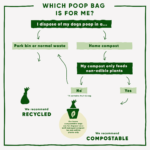
3. Home Dog Waste Composting
Composting can turn dog poop into usable soil, but it requires special care. Unlike food scraps, dog waste contains pathogens that need high heat to break down safely. Home composting should be done in a separate bin, away from edible plants.
Most experts recommend using the finished compost only on non-food gardens, such as flower beds.
Non-obvious tip: Add sawdust or coconut coir to your compost bin. This helps balance nitrogen and improve breakdown, reducing odor.
4. Commercial Dog Waste Disposal Services
Many cities now offer dog waste pickup services. These companies collect poop from your yard or community bins and dispose of it properly, often using high-temperature composting or specialized landfill processes.
This is a good choice for busy pet owners or apartment dwellers. Prices vary but can save time and effort.
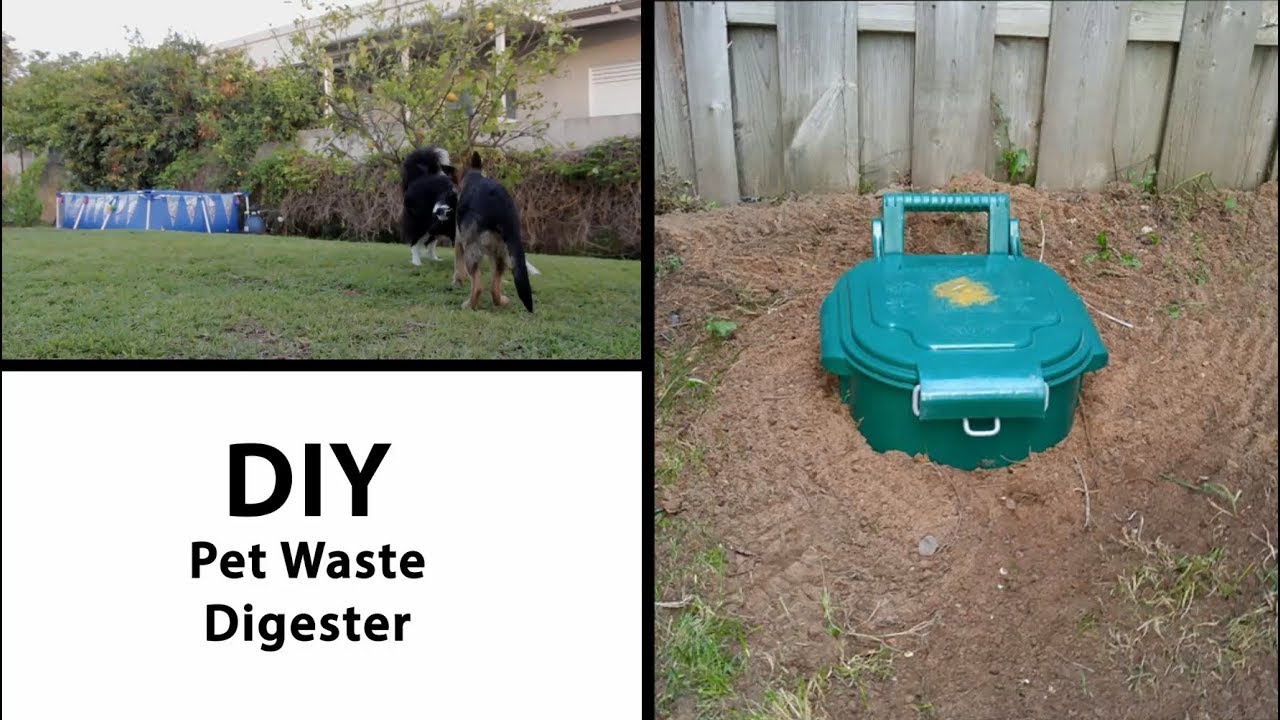
5. Dog Waste Digesters
Dog waste digesters are like mini septic tanks for your backyard. They use bacteria and enzymes to break down waste underground. These systems are eco-friendly, provided they are installed properly in well-drained soil and away from vegetable gardens or water sources.
Important: In cold climates or clay soil, digesters may not work well because bacteria need warmth and good drainage.
6. Public Waste Bins
When out walking your dog, using a public waste bin is often the only option. Always use a bag to pick up the poop and make sure the bin is intended for pet waste.
Non-obvious tip: Some parks provide special bins that separate pet waste from other trash for safer disposal.

Credit: www.earthdaycolumbus.org
Comparing Dog Poop Disposal Methods
Understanding the benefits and drawbacks of each method can help you choose the best one for your situation. The table below compares the most common options:
| Method | Environmental Impact | Convenience | Cost | Extra Notes |
|---|---|---|---|---|
| Trash (Plastic Bag) | Low (landfill waste) | High | Low | Use compostable bags if possible |
| Flushing | Medium-High | Medium | Low | Never flush bags |
| Home Composting | High (if done correctly) | Medium-Low | Low-Medium | Keep away from edible plants |
| Waste Pickup Service | High | High | Medium-High | Available in select cities |
| Dog Waste Digester | High (if installed correctly) | Medium | Medium | Not for cold or clay soils |
Choosing The Right Bags
Bags are an important part of the process. Not all are created equal. Here’s a comparison of common types:
| Bag Type | Breakdown Time | Eco-Friendliness | Best Use |
|---|---|---|---|
| Plastic Grocery Bags | Up to 500 years | Poor | Last resort |
| Biodegradable Bags | 1-2 years (landfill) | Moderate | General use |
| Compostable Bags | 3-6 months (compost) | High | Compost or trash |
| Flushable Bags | Immediate (water) | High (if safe for pipes) | Flushing (check plumbing first) |
Tip: Look for bags certified by organizations like the Biodegradable Products Institute (BPI). These are more likely to break down as promised.
What Not To Do With Dog Poop
Some disposal methods may seem convenient but are unsafe or illegal:
- Burying in your yard: Dog poop can contaminate groundwater and doesn’t decompose quickly underground.
- Leaving it on the ground: Uncollected waste pollutes parks and water, spreads disease, and creates bad odors.
- Putting in storm drains: This sends bacteria directly into waterways, harming fish and people.
- Composting with food scraps: Dog waste compost must be kept separate from anything you’ll eat.
How To Safely Pick Up Dog Poop
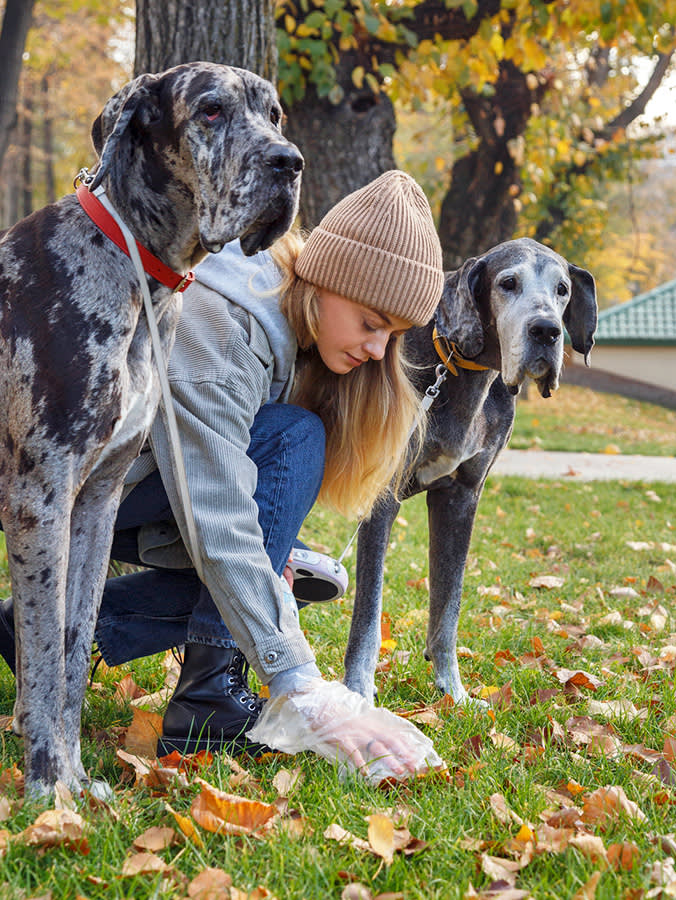
Proper handling protects you and your community from germs. Always carry bags when walking your dog. Use a pooper scooper or bag to pick up the waste, tie the bag securely, and clean your hands afterward.
Non-obvious insight: Wash your hands after every pick-up, even if you use a bag. Bacteria can pass through thin plastic or touch your skin indirectly.
Dog Poop Disposal In Apartments And Urban Areas
City dwellers face special challenges. Many apartment buildings provide dedicated pet waste bins or stations. If your building doesn’t, keep a small sealed container for dog waste, lined with compostable bags, and empty it regularly.
Tip: Avoid throwing poop into regular trash chutes or compactors, as this spreads odor and bacteria inside the building.
Community Solutions For Dog Waste
Some neighborhoods and parks offer community composting or dedicated pet waste bins. If these options aren’t available, talk to your local council or homeowners’ association. More cities now recognize the need for better solutions.
Example: In Seattle, special pet waste bins reduce landfill waste and keep parks cleaner. Community programs can help educate pet owners and provide free bags.
Credit: www.kinship.com
Environmental Impact Of Dog Poop Disposal
The EPA classifies dog waste as a pollutant, not a fertilizer. Each year, American dogs produce about 10 million tons of poop. If all of it went to landfills, it would create methane, a powerful greenhouse gas. By choosing greener disposal methods—like composting, digesters, or flushing—you can reduce your carbon footprint.
Non-obvious insight: Compostable bags are only effective if processed properly. Most landfills lack the oxygen and heat needed, so local composting or special collection programs are best.
For more details on pet waste and the environment, visit the EPA’s official guide.
Innovative Products For Dog Poop Disposal
New products can make cleanup easier and greener.
- Biodegradable bag dispensers: Handy holders attach to leashes for convenience.
- Enzyme-based sprays: Break down waste on hard surfaces, useful for patios or balconies.
- Automatic composters: Some companies sell electric compost bins designed for pet waste, reducing labor and odor.
Tip: Always check if these products are approved for your city’s waste system.
Mistakes Dog Owners Often Make
Many people don’t realize the impact of their choices. Here are some common errors to avoid:
- Using regular plastic bags and thinking they’ll break down in landfills.
- Flushing bags, which can clog pipes and harm municipal water systems.
- Mixing dog waste with regular compost.
- Not washing hands after picking up, even with a bag.
How To Start Good Disposal Habits
Getting into a routine makes a big difference:
- Always carry bags when you walk your dog.
- Know your city’s rules—some ban pet waste in household trash.
- Consider a backyard digester if you have space.
- Use a sealed container indoors if you live in an apartment.
- Educate others in your community.
Practical insight: Set a reminder to check your bag supply before every walk. Running out often leads to missed pick-ups.
Credit: www.youtube.com
Frequently Asked Questions
What Happens If I Don’t Pick Up My Dog’s Poop?
Leaving dog poop on the ground can pollute water, harm wildlife, and spread diseases. It is also illegal in many cities and can result in fines.
Are “biodegradable” Bags Really Better For The Environment?
Not always. Many biodegradable bags need heat and oxygen to break down, which landfills lack. Compostable bags certified by groups like BPI are better but need proper disposal.
Can I Compost Dog Poop With My Kitchen Scraps?
No. Dog poop compost must be kept separate from food waste to avoid spreading pathogens. Use a dedicated bin and only use the finished compost on non-edible plants.
Is It Safe To Flush Dog Poop?
Yes, but only the poop itself. Never flush bags, as they can clog plumbing and damage wastewater treatment systems. Check with your local authority if you have a septic system.
What’s The Most Eco-friendly Way To Dispose Of Dog Poop?
Home composting with a dedicated bin or using a backyard digester is usually best. Flushing is also good if your city allows it. Using certified compostable bags helps, but only if they’re processed properly.
Every dog owner has a part to play in keeping their community clean and safe. By choosing the best way to dispose of dog poop, you help protect water, wildlife, and your neighbors. With a little planning and the right products, handling this daily duty can be easy, responsible, and even good for the environment.