Last Updated on October 8, 2026
Are you wondering if you can turn your kitty litter into something good for your garden? Imagine transforming what seems like waste into nutrient-rich compost that helps your plants thrive.
You might be surprised to learn that with the right approach, your kitty litter can actually become a valuable part of your compost pile. Keep reading, and you’ll discover simple tips to safely compost kitty litter and how it can benefit your garden while reducing waste.
This could be a game-changer for your home and the environment.
Benefits Of Kitty Litter Compost
Kitty litter compost offers many benefits for gardeners and the environment. It helps reduce waste, improves soil, and supports eco-friendly gardening. Using kitty litter in compost is a smart way to recycle materials that would usually go to landfills.
Reducing Waste With Composting
Composting kitty litter keeps waste out of trash bins. It lowers the amount of garbage sent to landfills. This process breaks down waste naturally and safely. It helps reduce the pollution caused by landfills. Composting also saves space in garbage trucks and dumps.
Enhancing Soil Quality
Kitty litter compost adds valuable nutrients to soil. It helps soil hold water better. This makes plants grow stronger and healthier. The compost improves soil structure and aeration. It supports beneficial microbes that help plants absorb nutrients.
Supporting Sustainable Gardening
Using kitty litter compost reduces the need for chemical fertilizers. It promotes natural growth and soil health. This method saves money and protects the environment. Sustainable gardening practices like this support long-term plant health. They also reduce your garden’s carbon footprint.

Credit: www.redwormcomposting.com
Types Of Kitty Litter Suitable For Compost
Not all kitty litter works well for composting. Some types break down quickly and add nutrients to the soil. Others contain materials that do not decompose or may harm the compost.
Choosing the right kitty litter helps create healthy compost. It also keeps your garden safe and free from chemicals.
Biodegradable Vs Clay-based Litters
Biodegradable litters come from natural materials. Examples include corn, wheat, pine, and paper. These litters break down easily in compost.
Clay-based litters do not decompose well. They stay in the soil for a long time. Clay litters can make compost heavy and less healthy.
Avoiding Harmful Additives
Some litters have added fragrances or chemicals. These can harm beneficial compost microbes. Avoid litters with artificial scents, dyes, or antibacterial agents.
Choose litters that list only natural ingredients. This keeps your compost safe for plants and animals.
Natural Ingredients To Look For
Look for litters made from wood, corn, wheat, or paper. These materials break down faster in compost piles. They add valuable nutrients to the soil.
Litters with natural clumping agents, like bentonite-free products, are better. They help keep the compost clean without adding harmful substances.
Preparing Kitty Litter For Composting
Preparing kitty litter for composting takes care and attention. Not all kitty litter types break down well. Some materials may harm your compost or plants. Proper steps make sure the process is safe and effective. Follow simple tips to prepare the litter before adding it to your compost bin.
Cleaning And Separation Tips
Remove solid waste from the litter first. Use gloves to pick out feces and clumps. Avoid composting any litter with urine. Use a fine sieve to separate smaller particles. Only compost litter made from natural materials. Avoid clay, silica, or scented types. These can slow composting or pollute soil.
Balancing Carbon And Nitrogen
Kitty litter is high in carbon. Add nitrogen-rich materials to balance it. Fresh grass clippings, vegetable scraps, or coffee grounds work well. A good ratio is about 30 parts carbon to 1 part nitrogen. Too much carbon slows decomposition. Too much nitrogen causes bad smells.
Proper Compost Bin Setup
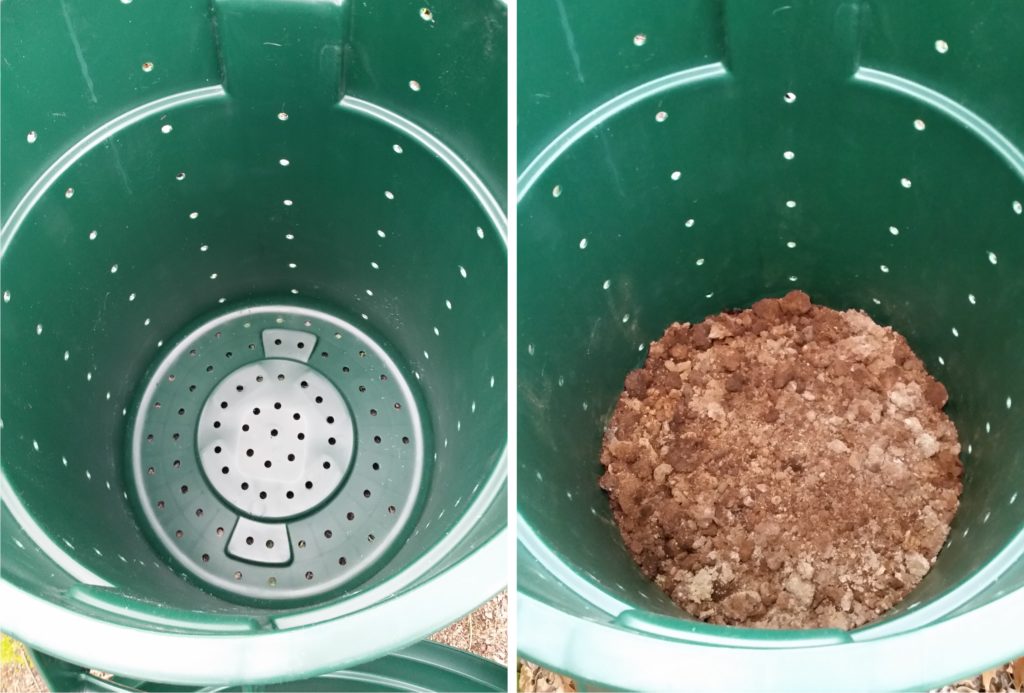
Start with a layer of coarse materials like twigs or straw. Add kitty litter in thin layers. Alternate with green, nitrogen-rich layers. Keep the pile moist but not wet. Turn the compost regularly for air flow. This speeds up breakdown and prevents odor. Use a covered bin to keep pests away.
Credit: radicalmoderate.online
Safe Composting Practices
Composting kitty litter requires care to keep it safe and effective. Following safe composting practices helps reduce bad smells and stops germs from spreading. These steps protect your garden and family while turning waste into useful compost.
Maintaining Temperature And Moisture
Keep your compost pile warm. Ideal temperatures range from 130 to 160 degrees Fahrenheit. This heat kills harmful germs and speeds up decomposition. Check the moisture often. Compost should feel like a damp sponge. Too dry slows down the process. Too wet causes bad odors and slows breakdown.
Avoiding Pathogen Risks
Use only biodegradable kitty litter without harmful chemicals. Avoid composting litter with clumping agents or perfumes. Pathogens can survive if compost is not hot enough. Do not use compost from kitty litter on edible plants. Use it for flower beds or trees instead. Wash hands after handling compost to stay safe.
Turning And Monitoring Compost
Turn the compost pile every few days. This adds air and keeps the pile hot. Check the temperature and moisture regularly. Adjust water or add dry material to balance moisture. Turning prevents odors and helps break down the litter faster. Keep an eye on the pile to catch problems early.
Using Kitty Litter Compost In Your Garden
Using kitty litter compost in your garden can improve soil health and plant growth. This type of compost adds nutrients and helps keep the soil loose and airy. It also aids in water retention, which benefits many types of plants.
Proper use ensures the compost supports your garden without causing harm. Learn how to test your soil, choose the right plants, and apply the compost effectively.
Testing Soil Before Application
Check your soil’s pH and nutrient levels first. Use a simple soil test kit available at garden stores. Testing helps you know if your soil needs the nutrients in kitty litter compost. Avoid using compost if your soil is already rich in certain minerals. Testing ensures the best results for your plants.
Best Plants For Kitty Litter Compost
Choose plants that thrive in nutrient-rich, well-drained soil. Vegetables like tomatoes and peppers benefit greatly. Flowers such as marigolds and zinnias grow well too. Avoid using compost on plants sensitive to high salt levels. Always match the compost to the plant’s needs.
Application Methods And Timing
Spread a thin layer of compost on the soil surface. Mix it gently into the top few inches of soil. Apply compost in early spring or late fall for best results. Avoid over-application to prevent nutrient buildup. Water the area after applying compost to help nutrients absorb.
Common Mistakes To Avoid
Composting kitty litter is a smart way to reduce waste and help your garden. Yet, many make mistakes that spoil the process or harm plants. Avoiding these errors keeps your compost safe and useful.
Composting Non-biodegradable Litter
Not all kitty litter breaks down naturally. Clay-based and silica litters do not decompose well. Adding these litters clogs the compost and harms soil health. Always choose biodegradable litters like wood, paper, or corn-based types. These break down faster and enrich the compost.
Overusing Kitty Litter Compost
Too much kitty litter compost can upset your soil’s balance. It may add excess nitrogen or salts that hurt plants. Use kitty litter compost in small amounts mixed with regular compost. This protects plants and keeps soil healthy.
Ignoring Safety Precautions
Used kitty litter may carry bacteria or parasites. Always wear gloves when handling it. Avoid composting kitty litter if your pets have infections. Keep the compost pile hot enough to kill germs. These steps protect you and your garden.
Alternative Eco-friendly Litter Options
Choosing eco-friendly kitty litter helps reduce waste and protect the planet. Many options exist beyond traditional clay litter. These alternatives use natural or recycled materials. They break down easier and are safer for the environment.
Plant-based Litters
Plant-based litters come from corn, wheat, or grass. They absorb moisture well and control odor naturally. These litters are lightweight and easy to compost. They break down faster than clay litters. Cats usually like the soft texture too.
Recycled Paper And Wood Pellets
Paper and wood pellet litters use recycled materials. They are biodegradable and produce less dust. Wood pellets absorb moisture and clump nicely. Paper litters are gentle for cats with allergies. Both options reduce landfill waste significantly.
Diy Kitty Litter Ideas
Making your own kitty litter can be simple and cheap. Try shredded newspaper or sawdust from untreated wood. These materials absorb moisture and are compostable. Always avoid toxic or scented products. DIY litters give control over ingredients and waste.

Credit: www.amazon.com
Frequently Asked Questions
Can Kitty Litter Be Composted Safely At Home?
Yes, some natural kitty litters like wood or paper-based can be composted. Avoid clay or clumping litters as they don’t break down well and may contain chemicals harmful to plants.
What Types Of Kitty Litter Are Compostable?
Biodegradable litters made from wood, paper, corn, or wheat are compostable. Avoid clumping or clay litters since they do not decompose properly and can contaminate compost.
How To Compost Used Kitty Litter Properly?
Use a separate compost bin for kitty litter. Mix it with carbon-rich materials and maintain proper moisture. Avoid using compost with litter on edible plants due to potential pathogens.
Is Composted Kitty Litter Safe For Gardens?
Composted natural kitty litter can be safe for ornamental plants. Avoid using compost with litter on vegetable or herb gardens to prevent bacterial contamination risks.
Conclusion
Composting kitty litter can help reduce waste in landfills. It also creates useful soil for plants. Choose biodegradable litter to keep your compost safe. Avoid clumping or clay-based litters for best results. Always check local rules before composting pet waste.
Small efforts make a big difference for the planet. Try this eco-friendly habit in your daily routine. It’s simple, effective, and good for the earth. Give kitty litter composting a chance today. You might be surprised by the benefits.