Last Updated on October 14, 2026
Do you love your Lab but worry about allergies? You’re not alone.
Many Lab owners face the challenge of managing allergies—whether it’s your dog’s sniffles or your own sneezing fits after playtime. Understanding Lab dog allergies can make a huge difference in keeping your furry friend happy and healthy. You’ll discover what triggers these allergies, how to spot the signs early, and simple steps you can take to ease the discomfort for both you and your Lab.
Keep reading to protect your best friend and enjoy every moment together without the sniffles.
:strip_icc()/worst-dog-breeds-for-allergies-4845885-hero-e02adda8cd8e4aae9203d6e51d3d666d.jpg)
Credit: www.thesprucepets.com
Common Symptoms Of Lab Dog Allergies
Lab dogs can suffer from allergies just like people. These allergies cause many signs that owners should watch for. Recognizing symptoms early helps keep Labs healthy and happy.
Allergies affect different parts of a Lab’s body. Some signs show on the skin, others affect breathing or digestion. Labs may also act differently if allergies bother them.
Skin Irritations And Itching
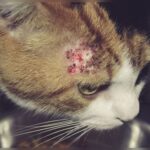
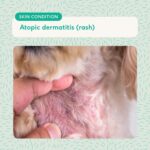
One common sign is skin irritation. Labs may scratch often or bite their skin. Redness, swelling, or bumps can appear on the skin. Hair loss happens in spots where the dog scratches too much. These signs often mean the dog is allergic to something in the environment or food.
Digestive Issues
Allergies can cause stomach problems in Labs. Vomiting or diarrhea may happen. Some Labs have gas or feel bloated. These symptoms often follow eating certain foods. Digestive issues show that the dog’s body cannot handle some ingredients.
Respiratory Problems
Lab dogs with allergies might cough or sneeze. They may breathe fast or have noisy breathing. Watery eyes and runny nose also occur. These signs point to allergies in the air or dust. Respiratory problems need quick attention to avoid bigger health issues.
Behavioral Changes
Allergy discomfort can change a Lab’s behavior. Dogs may become restless or tired. Some Labs hide or act anxious. Loss of appetite is common too. These changes tell owners their dog feels unwell from allergies.
Main Causes Of Allergies In Labradors
Labradors can suffer from allergies, causing discomfort and health issues. Understanding the main causes of allergies helps in managing your Lab’s symptoms. Allergies in Labradors often stem from food, environment, parasites, or genetics. Each cause triggers different reactions and needs unique care.
Food Allergens
Food allergies affect many Labradors. Common triggers include beef, chicken, dairy, and grains. These allergens cause itching, redness, or digestive upset. Sometimes, symptoms appear after eating a new food. Identifying and avoiding these allergens helps your Lab feel better.
Environmental Triggers
Pollen, dust, mold, and grasses irritate many Labradors. These allergens cause sneezing, coughing, and skin problems. Outdoor walks can expose Labs to these triggers. Regular cleaning and avoiding high-pollen areas reduce symptoms. Environmental allergies often worsen in spring and summer.
Flea And Parasite Allergies
Flea bites cause allergic reactions in some Labradors. Even one flea bite can lead to intense itching. Parasites like mites also cause skin irritation. These allergies cause redness, hair loss, and sores. Keeping your Lab parasite-free is essential to prevent discomfort.
Genetic Factors
Some Labradors inherit allergies from their parents. Genetic factors make certain dogs more sensitive to allergens. This sensitivity can lead to chronic skin and ear problems. Knowing your Lab’s family history helps predict allergy risks. Early care can reduce allergy severity in affected dogs.
Diagnosing Allergies In Labs
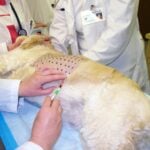
Diagnosing allergies in Labrador Retrievers can be tricky. Allergies often show up as itching, redness, or ear infections. These signs might seem like other health problems. Finding the cause is key to helping your Lab feel better. Careful observation and testing help pinpoint the allergy type and source.
Veterinary Allergy Testing
Veterinarians use several tests to find allergies in Labs. Skin tests and blood tests are common. Skin tests involve small pricks with allergens to check reactions. Blood tests look for allergy antibodies in the dog’s blood. These tests help identify specific allergens like pollen or food. Testing is safe and guides treatment decisions.
Home Observation Tips
Watch your Lab’s behavior closely. Note when itching or scratching gets worse. Check for changes in diet, environment, or cleaning products. Keep a diary of symptoms and possible triggers. This info helps your vet understand the allergy better. Observe your dog’s skin, ears, and paws for signs of irritation.
When To See A Vet
See a vet if your Lab shows constant itching or skin damage. Ear infections or hair loss also need professional care. Allergies can lead to infections if untreated. Early vet visits can prevent serious health problems. Regular check-ups help manage your Lab’s allergies effectively.
Dietary Adjustments For Allergic Labs
Diet plays a key role in managing allergies for Labrador Retrievers. Adjusting their food can reduce symptoms and improve their well-being. Feeding the right diet helps control itching, redness, and digestive issues linked to allergies.
Choosing the right food requires care and patience. Not all dogs react the same way. Understanding different diet options can guide you to find the best fit for your Lab.
Hypoallergenic Diet Options
Hypoallergenic diets use ingredients less likely to cause reactions. These foods avoid common allergens like beef, chicken, and grains. Many hypoallergenic diets use novel proteins such as duck or venison. Limited ingredient diets also help by reducing exposure to allergens. These diets support skin health and reduce allergy symptoms effectively.
Elimination Diet Trials
Elimination diets help identify the specific allergen causing problems. This method removes all possible allergens from the diet. Then, one ingredient is added back slowly to watch for reactions. The process takes several weeks but offers clear answers. Careful observation during trials is essential for success.
Supplements For Skin Health
Supplements can improve your Lab’s skin condition. Omega-3 fatty acids reduce inflammation and soothe itchy skin. Vitamins like E and biotin support healthy skin and coat. Adding these supplements boosts the diet’s benefits. Always consult a vet before starting supplements.
Home Remedies To Soothe Allergy Symptoms
Allergies in lab dogs can cause itching, redness, and discomfort. Home remedies often help ease these symptoms. These remedies support your dog’s health naturally. They reduce irritation and improve skin condition. Simple steps can make your dog feel better quickly.
Bathing And Skin Care
Regular baths remove allergens from your dog’s fur and skin. Use a mild, hypoallergenic shampoo made for dogs. Avoid harsh soaps that dry out the skin. Bathing twice a month helps keep the coat clean. Dry your dog well to prevent moisture buildup. Gently brush the fur to remove loose hair and dirt. This reduces itching and skin problems.
Natural Anti-inflammatories
Some natural ingredients reduce inflammation and soothe skin. Coconut oil is good for dry, itchy skin. Apply a small amount on affected areas. Oatmeal baths calm irritation and provide relief. Add finely ground oatmeal to warm water for a soothing soak. Fish oil supplements support healthy skin from inside. They contain omega-3 fatty acids that fight inflammation.
Environmental Control Measures
Keep your home clean to limit allergens around your dog. Vacuum floors and furniture regularly to remove dust and dander. Wash your dog’s bedding often in hot water. Use air purifiers to reduce airborne allergens. Avoid smoking or spraying strong chemicals near your pet. Create a calm, allergen-free space for your lab dog to rest.

Credit: www.theskinvet.net
Medical Treatments For Severe Allergies
Severe allergies in lab dogs can cause a lot of discomfort. Medical treatments help ease symptoms and improve their quality of life. These treatments vary based on the allergy type and severity. Proper care ensures your dog feels better faster.
Antihistamines And Steroids
Antihistamines block allergy reactions and reduce itching. They work best for mild to moderate symptoms. Steroids provide stronger relief for severe inflammation. They help control swelling and redness quickly. Both require vet guidance for safe use.
Immunotherapy Options
Immunotherapy trains the dog’s immune system to tolerate allergens. It uses small doses of allergens given over time. This treatment lowers allergic reactions gradually. It can be given as injections or drops. Results appear after several months of treatment.
Flea And Parasite Control
Fleas and parasites often trigger or worsen allergies in lab dogs. Regular flea control prevents bites and skin irritation. Parasite treatments keep your dog healthy and itch-free. Use vet-approved products for safe and effective care.
Preventing Allergies In Labrador Retrievers
Preventing allergies in Labrador Retrievers helps keep them healthy and happy. Allergies can cause itching, redness, and discomfort for your Lab. Taking steps to reduce allergens in their environment can improve their quality of life. Simple daily habits protect your dog from allergy triggers.
Regular Grooming Practices
Brush your Lab’s coat often to remove dirt and allergens. Bathing with gentle shampoo soothes itchy skin and removes irritants. Check ears and paws for signs of irritation or infection. Clean these areas regularly to prevent buildup of allergens. Grooming keeps your Lab comfortable and reduces allergy symptoms.
Safe Outdoor Environments
Limit exposure to pollen, grass, and dust during walks. Choose clean parks or trails with fewer plants that cause allergies. Wipe your Lab’s paws and fur after outdoor play to remove allergens. Avoid areas treated with chemicals or pesticides. Keeping outdoor spaces safe reduces allergic reactions.
Routine Health Checkups
Visit the vet regularly to monitor your Lab’s skin and overall health. Early detection of allergies allows quick treatment and relief. Your vet can recommend allergy tests or medications if needed. Routine checkups help manage allergies and prevent complications.

Credit: www.nomnomnow.com
Frequently Asked Questions
What Are Common Allergens Affecting Lab Dogs?
Common allergens for Lab dogs include pollen, dust mites, mold spores, flea saliva, and certain foods. These allergens can trigger skin irritation, itching, and respiratory issues. Identifying specific allergens helps in managing symptoms effectively and improving your Lab’s quality of life.
How Can I Tell If My Lab Has Allergies?
Watch for signs like excessive scratching, licking paws, red or inflamed skin, ear infections, and sneezing. These symptoms often indicate allergies. If your Lab shows these signs persistently, consult a vet for proper diagnosis and treatment options tailored to your dog’s needs.
What Treatments Help Manage Lab Dog Allergies?
Treatments include antihistamines, medicated shampoos, flea control, and hypoallergenic diets. Your vet might recommend allergy shots for severe cases. Managing the environment by reducing allergens and regular grooming also helps alleviate symptoms and keeps your Lab comfortable and healthy.
Can Lab Dog Allergies Be Prevented?
While not all allergies can be prevented, regular grooming, flea control, and avoiding known allergens reduce risks. Feeding a balanced diet strengthens the immune system. Early detection and management are key to preventing severe allergic reactions and ensuring your Lab’s well-being.
Conclusion
Lab dog allergies can affect both pets and their owners. Recognizing symptoms early helps keep everyone safe. Regular cleaning reduces allergens in your home. Consult a vet for proper diagnosis and treatment. Small changes make a big difference over time.
Enjoying life with your lab means managing allergies smartly. Stay informed and take simple steps for comfort. Your furry friend deserves a healthy, happy environment.