
Last Updated on October 15, 2026
Are you tired of sneezing, itchy eyes, and constant discomfort every time you’re around cats? Imagine being able to enjoy your furry friends without worrying about allergic reactions.
Building immunity to cat allergies isn’t just a dream—it’s possible, and you can take simple steps to get there. You’ll discover practical ways to reduce your sensitivity and live more comfortably with cats. Keep reading to find out how you can take control of your allergies and enjoy the company of cats like never before.
Causes Of Cat Allergies
Cat allergies happen when the body reacts to certain proteins cats produce. These proteins trigger the immune system to respond as if they were harmful. Understanding what causes cat allergies helps manage symptoms better. It also helps find ways to reduce allergic reactions over time.
Common Allergens In Cats
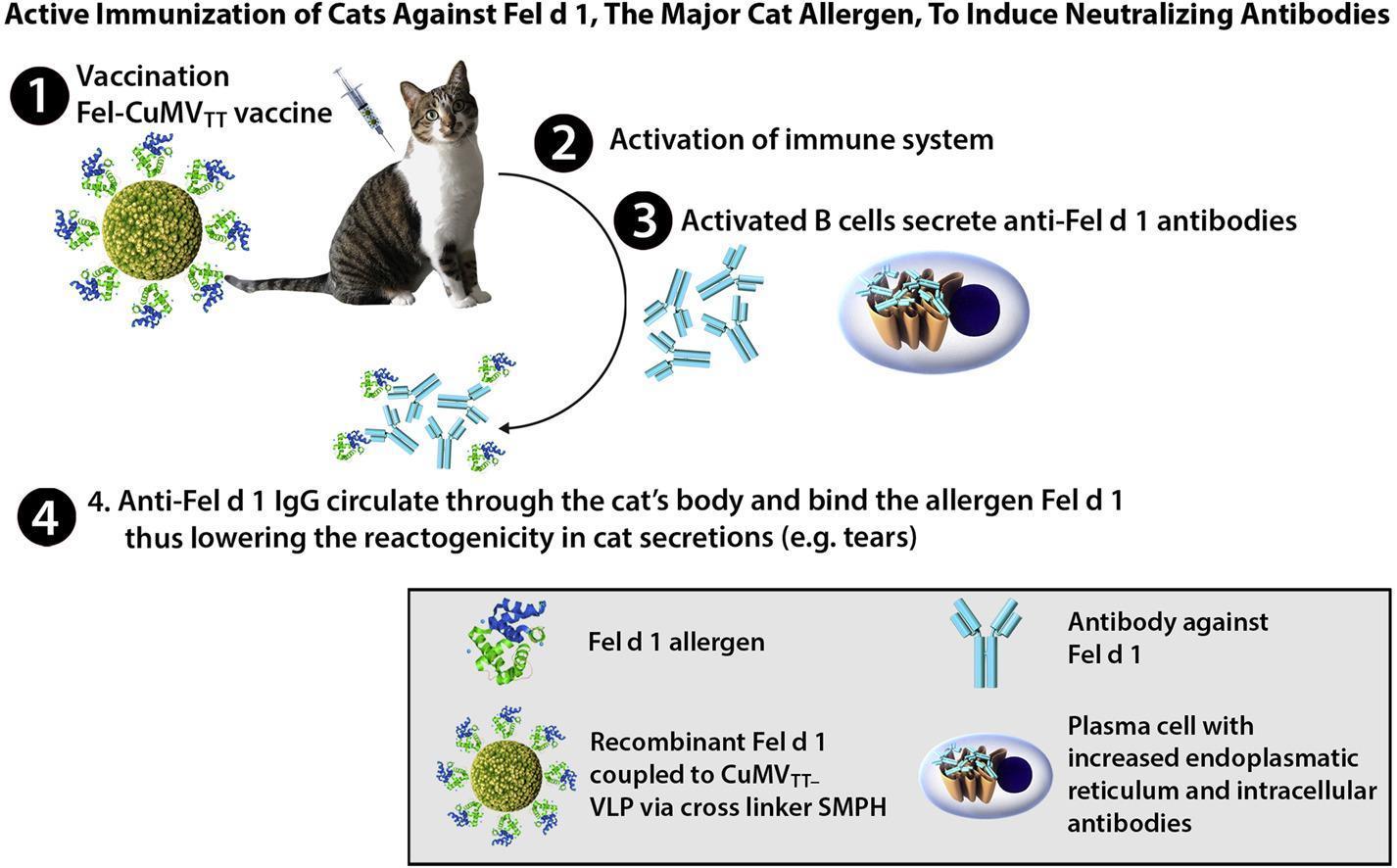
Cats produce several allergens. The main one is a protein called Fel d 1. It is found in their saliva, skin, and fur. When cats groom themselves, this protein spreads onto their fur and skin. It then becomes airborne and settles on furniture and clothes.
Other allergens include proteins in cat urine and dander. Dander is tiny flakes of skin that cats shed. These allergens stick to surfaces and float in the air. People inhale or touch these allergens, causing allergic reactions.
How Allergies Affect The Immune System
The immune system protects the body from harmful substances. In people with cat allergies, it mistakes harmless proteins for threats. The immune system then produces antibodies called IgE. These antibodies trigger cells to release histamine and other chemicals.
Histamine causes symptoms like sneezing, itching, and watery eyes. It also causes inflammation in the airways and skin. This reaction helps explain why allergy symptoms appear quickly after exposure to cats.
Symptoms Of Cat Allergies
Cat allergies cause many symptoms that affect daily life. These symptoms vary from mild to severe. Knowing these signs helps manage allergies better. Some people may have sneezing and itchy eyes. Others can face serious breathing problems.
Mild To Severe Reactions
Mild symptoms include sneezing, runny nose, and itchy skin. Eyes may become red and watery. Some feel tired or have a mild cough. Severe reactions cause trouble breathing and chest tightness. Wheezing or shortness of breath can occur. Skin rashes or hives might develop quickly. Severe allergy can lead to asthma attacks. Symptoms may last a few minutes or days.
When To Seek Medical Help
Seek help if breathing becomes hard or fast. Call a doctor if lips or face swell. Chest pain or tightness needs urgent care. Dizziness or fainting requires immediate attention. If symptoms worsen after medicine, see a doctor. Emergency care is necessary for severe asthma attacks. Early treatment avoids serious health risks.
Lifestyle Changes To Reduce Exposure
Reducing your contact with cat allergens can help build your immunity over time. Small changes in your daily habits create a cleaner, safer space. These changes limit allergen buildup and ease symptoms. Focus on your home and how you interact with pets.
Cleaning And Home Environment
Keep your home clean to lower allergen levels. Vacuum floors and furniture often with a HEPA filter vacuum. Wash bedding and curtains regularly in hot water. Use air purifiers to remove allergens from the air. Avoid carpets or heavy drapes that trap allergens. Clean cat litter boxes daily and place them away from living spaces.
Managing Pet Interaction
Limit your time holding or cuddling cats. Wash your hands after touching pets. Keep cats out of bedrooms and your personal space. Encourage pets to stay in specific rooms to reduce allergen spread. Use special pet wipes to clean your cat’s fur. Groom your cat regularly to reduce loose hair and dander.
Credit: www.immunopaedia.org.za
Diet And Supplements For Immune Support
Building strong immunity helps your body handle cat allergens better. Diet plays a key role in supporting your immune system. Certain foods provide essential nutrients that boost immune function. Supplements can fill gaps in your diet and enhance immune defense. Combining good nutrition with supplements creates a solid foundation for allergy resistance.
Foods That Boost Immunity
Citrus fruits like oranges and lemons have plenty of vitamin C. This vitamin helps white blood cells fight infections. Leafy greens such as spinach and kale offer vitamins A and E. These vitamins protect the body and reduce inflammation. Garlic contains compounds that improve immune response. Yogurt and other probiotics help balance gut bacteria. A healthy gut supports strong immunity. Nuts and seeds provide zinc, a mineral vital for immune cells. Drinking plenty of water keeps your body hydrated and flushes out toxins.
Effective Supplements To Consider
Vitamin D supports immune health and reduces allergy symptoms. Omega-3 fatty acids from fish oil lower inflammation in the body. Probiotic supplements promote healthy gut flora, boosting immunity. Quercetin is a natural compound that stabilizes cells and reduces histamine release. Bromelain, found in pineapples, helps reduce nasal swelling and congestion. Always choose high-quality supplements and follow dosage instructions. Consult a healthcare provider before starting any new supplement. Supplements work best with a balanced diet and healthy habits.
Medical Treatments And Therapies
Medical treatments and therapies help reduce the symptoms of cat allergies. They provide relief and improve daily life for many people. These options target the immune response to cat allergens and lessen reactions.
Choosing the right treatment depends on the allergy severity and individual health. Doctors often suggest a combination of methods for better results. Understanding these options helps manage cat allergies effectively.
Allergy Medications
Allergy medications can ease sneezing, itching, and runny nose. Antihistamines block the chemicals that cause allergy symptoms. They come in pills, liquids, and nasal sprays.
Decongestants reduce nasal swelling and improve breathing. Use them for a short time to avoid side effects. Nasal corticosteroids lower inflammation in the nose. They work well for long-term symptom control.
Leukotriene modifiers are another option. They reduce allergy symptoms by blocking certain immune system chemicals. Always follow the doctor’s advice on medication use.
Immunotherapy Options
Immunotherapy helps the body build tolerance to cat allergens over time. It changes the immune system’s response and reduces allergy severity.
Allergy shots are common immunotherapy. They involve regular injections of small allergen amounts. The dose increases gradually to build immunity.
Sublingual immunotherapy uses tablets or drops under the tongue. This method is more convenient and can be done at home. Both forms require months or years for full benefits.
Immunotherapy is not a quick fix but can provide long-lasting relief. Consultation with an allergy specialist is essential before starting treatment.

Credit: temp.mynectar.com
Natural Remedies And Alternative Approaches
Natural remedies and alternative approaches offer gentle ways to ease cat allergy symptoms. They focus on strengthening the body’s defense without harsh chemicals. These methods can work alongside medical treatments or alone for mild allergies. They help reduce inflammation and improve overall immune health.
Herbal Solutions
Herbs like butterbur and stinging nettle may ease allergy symptoms. These plants have natural anti-inflammatory properties. They help calm the immune system’s overreaction to allergens. Drinking herbal teas or taking supplements can provide relief. Always check with a doctor before starting new herbs.
Lifestyle Practices Like Stress Reduction
Stress weakens the immune system and worsens allergy symptoms. Simple practices like deep breathing and meditation can lower stress levels. Regular exercise boosts immunity and helps the body fight allergens. Getting enough sleep also supports immune health. These habits build resilience against cat allergies over time.
Building Long-term Immunity
Building long-term immunity to cat allergies takes time and care. It helps your body get used to allergens. This reduces allergic reactions over months or years. The process needs steady effort and smart steps.
Starting with small changes can make a big difference. The goal is to help your immune system accept cat allergens. This lowers symptoms and improves your comfort around cats.
Gradual Exposure Techniques
Start with brief contact with cats or their dander. Use a cloth to gently touch cat fur and then touch your skin. This small exposure trains your immune system slowly. Increase contact time bit by bit. Avoid sudden or heavy exposure to prevent strong allergic reactions.
Try spending a few minutes in a room where a cat has been. Wipe surfaces to collect tiny allergen amounts. Over weeks, your body learns to tolerate these small doses. This method is called desensitization or immunotherapy.
Consistency And Patience
Regular exposure is key to building immunity. Do not skip days or weeks. Consistent contact helps your immune system adjust steadily. Patience is essential because progress happens slowly. It can take many months to see real improvement.
Keep track of your symptoms and changes. Adjust exposure based on your comfort level. Avoid pushing too fast. Celebrate small successes to stay motivated. This steady, gentle approach leads to lasting allergy relief.

Credit: www.wyndly.com
Frequently Asked Questions
What Are The Best Ways To Build Immunity To Cat Allergies?
Building immunity involves gradual exposure to cat allergens and consulting an allergist. Allergy shots or immunotherapy can help reduce sensitivity over time.
Can Diet Improve Immunity Against Cat Allergies?
Certain foods rich in antioxidants and omega-3 fatty acids may support your immune system. However, diet alone won’t prevent allergic reactions to cats.
How Does Immunotherapy Work For Cat Allergy Sufferers?
Immunotherapy gradually introduces small amounts of cat allergens to your body. This process trains your immune system to tolerate allergens, reducing symptoms.
Is It Safe To Live With Cats If You Have Allergies?
With proper management, such as regular cleaning and allergy treatments, many allergic people can live safely with cats.
Conclusion
Building immunity to cat allergies takes time and care. Start with small steps and stay consistent. Keep your home clean and limit cat dander exposure. Talk to your doctor about allergy treatments. Notice how your body reacts and adjust as needed.
Patience is key. Over time, you can feel better around cats. Enjoy the company of cats without constant sneezing or itching. Small changes make a big difference for your health and comfort. Stay positive and keep trying.