Last Updated on October 15, 2026
If your dog is scratching nonstop or you notice red, irritated skin, you know how worrying it can be. You want to help your furry friend feel better as soon as possible.
The good news is, many dog rashes can be treated effectively with the right care. You’ll discover simple and proven ways to cure your dog’s rash quickly and safely. Keep reading to learn how to bring comfort back to your pet’s skin—and peace of mind to you.
Common Causes Of Dog Rashes
Dog rashes are common skin problems that affect many dogs. These rashes often cause itching, redness, and discomfort. Understanding the causes of dog rashes can help owners take better care of their pets. Identifying the root cause is key to finding the right cure.
Allergies And Sensitivities
Allergies are a frequent cause of dog rashes. Dogs can be allergic to food ingredients, pollen, or dust mites. These allergies make their skin itchy and red. Some dogs also react to certain shampoos or grooming products. Sensitivities to chemicals in the environment may cause rashes too.
Parasites And Infections
Parasites such as fleas, ticks, and mites often cause rashes on dogs. Flea bites irritate the skin and cause itching. Mites can lead to mange, which results in hair loss and sores. Bacterial and fungal infections may also cause skin inflammation and rashes.
Environmental Irritants
Contact with certain plants, chemicals, or rough surfaces can irritate dog skin. Grass, cleaning products, and pesticides are common irritants. These substances cause redness, swelling, or bumps on the skin. Dogs that spend a lot of time outdoors are more prone to these rashes.
Underlying Health Conditions
Some health problems cause skin rashes in dogs. Hormonal imbalances, such as hypothyroidism, may affect the skin. Autoimmune diseases can also lead to chronic rashes. Regular vet check-ups help catch these issues early and protect your dog’s skin health.
Identifying Symptoms And Severity
Knowing how to spot dog rashes and judge their seriousness helps protect your pet. Early detection can stop problems from growing worse. Dogs cannot tell us when they feel itchy or sore. Owners must watch closely for signs on their skin and changes in behavior.
Types Of Rashes And Their Appearance
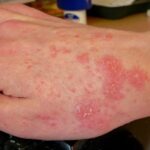
Dog rashes show up in many ways. They can be red, swollen, or dry patches. Some rashes look bumpy or have small blisters. You might see scabs or hair loss around the rash. The rash can be in one spot or spread across the body. Different causes can make rashes look different. Knowing the type helps find the right treatment.
Behavioral Signs To Watch For
Dogs with rashes often scratch or lick the area a lot. They may bite or chew the rash, causing more damage. Restlessness and trouble sleeping are common. Some dogs shake or rub their body against furniture. Pay attention if your dog hides or acts withdrawn. These signs tell you the rash is painful or itchy.
When To Seek Veterinary Help
Seek help if the rash grows fast or looks infected. Signs include oozing, foul smell, or spreading redness. If your dog has a fever or stops eating, visit a vet. Rashes with swelling or deep sores need urgent care. Always get a vet’s advice for rashes lasting more than a few days.
Home Remedies For Quick Relief
Dog rashes can cause discomfort and worry for pet owners. Home remedies offer quick relief and help soothe your dog’s irritated skin. These simple treatments use natural ingredients found around the house. They calm itching, reduce redness, and support healing. Try these gentle methods to ease your dog’s rash safely and effectively.
Soothing Oatmeal Baths
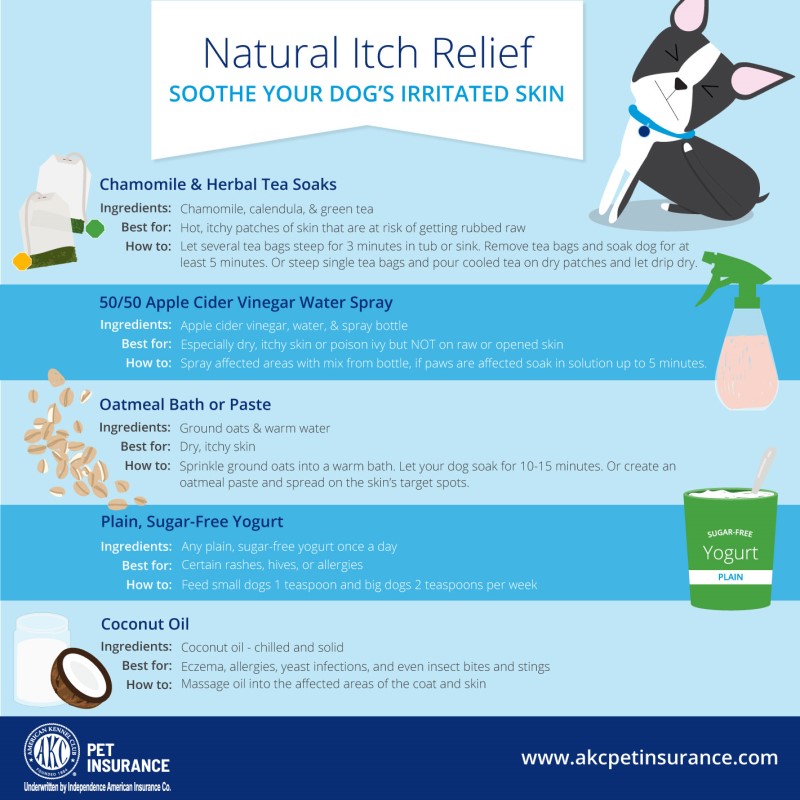
Oatmeal baths help calm your dog’s itchy skin. Grind plain oatmeal into a fine powder. Mix it in warm water until it looks milky. Let your dog soak for 10 to 15 minutes. Oatmeal forms a protective layer that reduces irritation. It also moisturizes dry, flaky skin. Dry your dog gently with a soft towel after the bath.
Aloe Vera Applications
Aloe vera gel cools and heals rash areas quickly. Use pure aloe vera without added chemicals. Apply a thin layer directly to the rash. The gel soothes inflammation and eases itching. Aloe vera also helps skin repair faster. Avoid using aloe if your dog licks the area too much.
Coconut Oil Benefits
Coconut oil fights bacteria and moisturizes skin. Rub a small amount onto the rash gently. It creates a barrier that protects skin from infection. Coconut oil also reduces redness and swelling. Use daily for best results, but watch for any allergies. It is safe for most dogs and easy to apply.
Cool Compress Techniques
Cold compresses relieve itching and calm hot, swollen skin. Wrap ice cubes in a clean cloth. Hold the compress on the rash for 5 to 10 minutes. Repeat several times a day as needed. Avoid direct ice contact to prevent skin damage. Cool compresses help your dog feel comfortable quickly.
Credit: www.akcpetinsurance.com
Over-the-counter Treatments
Over-the-counter treatments offer simple options for managing dog rashes. These products help soothe itching and reduce redness. They are easy to find and can provide quick relief for mild skin problems.
Many dog owners prefer these treatments before visiting a vet. They save time and often cost less. Knowing which product to use is important for effective care.
Antihistamines And Their Use
Antihistamines help control allergic reactions in dogs. They reduce itching caused by allergies or insect bites. Common types include diphenhydramine and cetirizine.
Always check the correct dosage with a vet. Antihistamines do not cure rashes but ease symptoms. Some dogs may feel sleepy after taking them.
Topical Creams And Sprays
Topical creams and sprays provide direct relief to the rash area. They reduce inflammation and kill bacteria or fungi. Products with hydrocortisone or aloe vera are popular choices.
Apply gently on clean, dry skin. Avoid letting your dog lick the treated area. These treatments work best for mild to moderate rashes.
Medicated Shampoos
Medicated shampoos clean the skin and remove irritants. Ingredients like oatmeal, chlorhexidine, or sulfur soothe itchy skin. Regular baths help prevent rash flare-ups.
Use the shampoo as directed on the label. Rinse thoroughly to avoid residue buildup. This treatment supports healing and keeps skin healthy.
Veterinary Treatments And Medications
Veterinary treatments and medications play a key role in curing dog rashes. These treatments help reduce itching, heal the skin, and fight infections. A vet will examine your dog to find the rash cause and suggest the right medicine. Different rashes need different treatments. Some rashes come from bacteria or fungi, while others come from allergies. The vet may use medicines to target the specific problem.
Prescription Antibiotics And Antifungals
Antibiotics fight bacterial infections causing rashes. The vet may prescribe oral or topical antibiotics depending on severity. Antifungal medicines treat rashes caused by yeast or fungal infections. These can come as creams, shampoos, or pills. It is important to follow the full course of medicine. Stopping early can cause the infection to return. These medicines help clear up infections quickly and restore healthy skin.
Steroid Therapy Options
Steroids reduce inflammation and itching in dog rashes. They can come as creams, injections, or pills. Steroids work fast to calm irritated skin. Short-term use is common to control flare-ups. Long-term use needs careful vet supervision. Steroids do not cure infections but relieve symptoms. They help dogs feel comfortable and stop scratching.
Allergy Testing And Immunotherapy
Allergy testing identifies substances causing dog rashes. The vet may use skin or blood tests. Knowing the allergen helps avoid triggers. Immunotherapy uses small doses of allergens to build tolerance. It is given as injections or drops. This treatment can reduce rash frequency and severity. Allergy care needs patience and regular vet visits. It targets the root cause, not just symptoms.
:strip_icc()/home-remedies-for-itchy-dogs-4177184-f9ae9d40e6cc42878d9f290d136461f8.jpg)
Credit: www.thesprucepets.com
Preventing Future Rashes
Preventing future rashes on your dog’s skin is important for their health. Rashes cause discomfort and make your dog unhappy. You can reduce the chance of rashes by following simple care steps daily. Good habits keep your dog’s skin healthy and rash-free.
Regular Grooming And Skin Care
Brush your dog’s coat often to remove dirt and loose hair. Bath your dog using gentle, dog-friendly shampoo. Avoid harsh soaps that dry out the skin. Check the skin regularly for redness, bumps, or irritation. Keep fur trimmed, especially in warm weather, to stop sweat buildup. Clean your dog’s ears and paws to prevent infections.
Diet And Nutrition Tips
Feed a balanced diet rich in vitamins and minerals. Omega-3 fatty acids help keep skin soft and healthy. Avoid foods that may cause allergies or sensitivities. Provide fresh water daily to keep your dog hydrated. Consult your vet for special diets if skin problems persist. Healthy nutrition supports strong skin and a good immune system.
Environmental Management
Keep your dog’s bedding clean and dry to stop bacteria growth. Remove dust, mold, and pollen from your home. Avoid exposing your dog to harsh chemicals and fertilizers. Limit time outside during high pollen seasons. Use air purifiers to reduce allergens inside your house. A clean environment lowers the risk of skin irritation.
Parasite Control Strategies
Use vet-approved flea and tick preventatives regularly. Check your dog for parasites after outdoor activities. Parasites cause itching that leads to rashes and infections. Treat your home and yard for pests if needed. Keep your dog away from wild animals that may carry parasites. Effective parasite control protects your dog’s skin health.
When To Monitor And When To Act
Knowing when to watch your dog’s rash and when to get help is very important. Not all rashes need a vet right away. Some can clear up with simple care at home. But some rashes can get worse fast. Paying close attention to changes helps keep your dog safe.
Tracking Rash Progression
Check the rash every day. Note if it grows bigger or changes color. Look for new spots or swelling. Watch if your dog scratches or licks the area more. A rash that stays the same or improves in a few days usually means mild irritation. But any quick change needs close watch.
Signs Of Complications
Watch for signs like oozing, bleeding, or bad smell. These often show infection. If the skin becomes very red or hot, it may be inflamed. Your dog might also seem tired or lose appetite. These signs mean the rash is more serious and needs a vet’s check.
Emergency Situations
Some symptoms need fast action. If your dog has trouble breathing, swelling of the face, or sudden weakness, get help now. Large areas of rash spreading quickly can also be an emergency. Do not wait if your dog is in pain or very sick. Quick care can save your dog’s life.
)
Credit: lyka.com.au
Frequently Asked Questions
What Are Common Causes Of Dog Rashes?
Common causes include allergies, parasites, infections, and irritants. Environmental factors like pollen or chemicals can also trigger rashes. Identifying the cause helps in effective treatment and prevention of future outbreaks.
How Can I Naturally Cure My Dog’s Rash?
Natural remedies include oatmeal baths, coconut oil, and aloe vera. These soothe itching and reduce inflammation. However, consult a vet before using home treatments to ensure safety and effectiveness.
When Should I See A Vet For Dog Rashes?
Visit a vet if the rash worsens, spreads rapidly, or causes severe discomfort. Persistent or bleeding rashes also need professional diagnosis to rule out serious conditions.
Can Diet Affect My Dog’s Skin Rash?
Yes, food allergies or intolerances can cause skin rashes. A balanced diet and hypoallergenic food may improve skin health. Consult your vet for appropriate dietary changes.
Conclusion
Caring for your dog’s skin helps them stay happy and healthy. Treat rashes quickly to avoid discomfort. Clean the affected area gently and keep it dry. Use vet-approved creams or shampoos as directed. Watch for signs of worsening or spreading rash.
Regular grooming and a balanced diet support skin health. Remember, early care prevents bigger problems later. Your dog deserves comfort and love every day. Stay attentive and consult a vet when needed. Simple steps make a big difference in curing dog rashes.