Last Updated on June 10, 2026
If you have an 8-week-old kitten, you want to keep it safe and healthy. Fleas can cause a lot of discomfort and even health problems for your little furry friend.
But choosing the right flea medicine for such a young kitten can feel confusing and overwhelming. You want something effective but gentle enough for your kitten’s delicate body. You’ll discover exactly what flea treatments are safe, how to use them, and what to avoid.
Keep reading to protect your kitten from pesky fleas and ensure it grows up happy and healthy.
Credit: www.youtube.com
Risks Of Fleas On Young Kittens
Fleas pose serious risks to young kittens. These tiny parasites cause discomfort and health problems. Kittens at 8 weeks old are especially at risk. Their bodies are small and still growing. Flea infestations can quickly become dangerous for them.
Understanding these risks helps protect your kitten. Early care can prevent many issues caused by fleas. Knowing why kittens are vulnerable guides safe treatment choices.
Health Issues Caused By Fleas
Fleas bite and suck blood, causing itching and pain. Kittens can develop skin infections from scratching. Flea bites may cause allergic reactions and redness. Blood loss from many fleas leads to anemia. Anemia is serious for young kittens and can cause weakness. Fleas also carry parasites like tapeworms. These worms affect the kitten’s digestion and health. Flea infestations often cause restless sleep and stress. Stress weakens the immune system and slows growth.
Why 8-week-old Kittens Are Vulnerable
At eight weeks, kittens have fragile immune systems. They cannot fight flea infestations well. Their small size means fleas quickly drain their blood. Flea medicine for adults is too strong for kittens this age. Their skin is delicate and sensitive to chemicals. Kittens explore and play on floors where fleas hide. They have not yet learned to groom themselves fully. This makes it easier for fleas to multiply. Early flea problems can lead to long-term health damage.
Credit: www.pethealthclub.com
Types Of Flea Medicine Suitable For Kittens
Choosing the right flea medicine for an 8-week-old kitten is very important. Kittens are small and delicate. Their bodies react differently to treatments compared to adult cats. Some flea medicines are safe for young kittens. Others might harm them. Knowing the types of flea medicine helps protect your kitten without risk.
There are several options for flea control. Each type works in a different way. Some kill fleas on contact, while others stop flea eggs from hatching. You can choose a treatment based on what suits your kitten’s needs best.
Topical Treatments
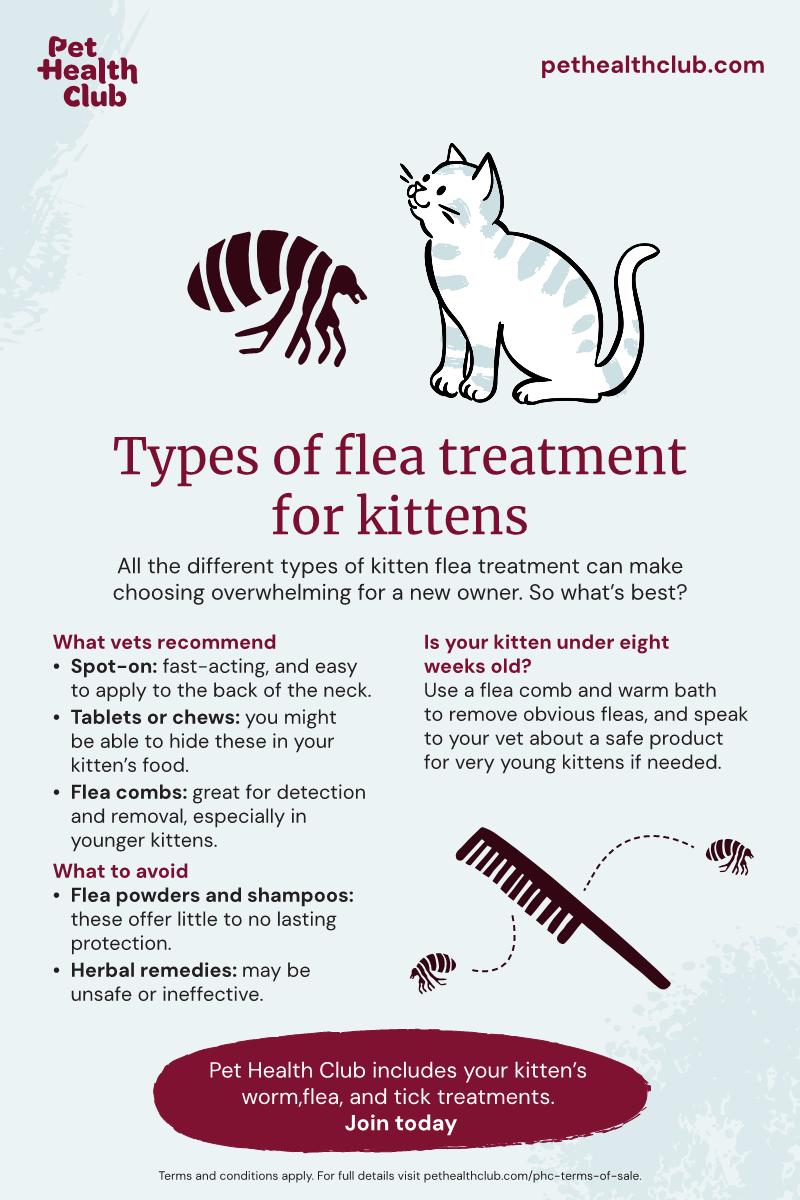
Topical flea treatments are liquids applied to the kitten’s skin. Usually, you put the medicine on the back of the neck. This keeps the kitten from licking it off. These treatments kill fleas quickly and protect for weeks. Many topical options are safe for kittens over eight weeks. Always check the label for age recommendations. Avoid products meant for adult cats only.
Oral Medications
Oral flea medicines come as pills or chewables. They work by killing fleas after the kitten swallows them. These medicines spread through the blood. Fleas die when they bite the kitten. Some oral treatments are made just for young kittens. The dosage is smaller and safe. Do not give adult flea pills to kittens. Consult a vet to pick the right oral medicine.
Natural And Home Remedies
Some owners prefer natural flea control for kittens. These include herbal sprays or powders. Ingredients like neem oil or diatomaceous earth can help. These options are gentle and less toxic. Natural remedies may not work as fast as medicines. They often require regular application. Use natural treatments only after checking with a vet. Some natural substances can still irritate sensitive skin.
Choosing Safe Flea Medicine
Choosing safe flea medicine for an 8-week-old kitten is very important. Young kittens are delicate and need gentle care. Not all flea treatments are suitable for such small pets. Using the wrong medicine can harm your kitten’s health. Finding the right product helps keep your kitten safe and free from fleas.
Age-appropriate Products
Only use flea medicine made for kittens under 8 weeks old. Many products say “for cats” but are not safe for young kittens. These medicines have different strengths and ingredients. Check the label carefully before buying. Age-appropriate products protect your kitten without causing side effects.
Ingredients To Avoid
Some flea medicines contain chemicals harmful to young kittens. Avoid products with permethrin and organophosphates. These can cause serious health problems. Look for natural or mild ingredients instead. Safe medicines control fleas without risking your kitten’s safety.
Consulting Your Veterinarian
Your vet knows what flea medicine suits your kitten best. They consider your kitten’s weight, age, and health. A vet can recommend the safest and most effective product. Always ask before starting any flea treatment. Professional advice helps avoid mistakes and keeps your kitten healthy.
How To Apply Flea Medicine
Applying flea medicine to an 8-week-old kitten needs care and patience. Proper application ensures the medicine works well and keeps the kitten safe. The right method avoids stress for the kitten and you. Follow simple steps to apply flea medicine correctly.
Step-by-step Application Guide
Choose a quiet spot to work. Hold your kitten gently but firmly. Part the fur at the back of the neck. Apply the medicine directly on the skin. Avoid rubbing or spreading it with your hands. Let the medicine dry naturally. Wash your hands after applying the medicine. Keep the kitten away from other pets for a few hours.
Tips For Minimizing Stress
Speak softly to calm your kitten. Use gentle but steady movements. Give the kitten a treat after application. Keep sessions short and calm. Avoid sudden loud noises or quick actions. Let the kitten rest in a cozy place afterward. Use a towel to wrap the kitten if needed. Stay patient and calm throughout the process.
When To Reapply
Check the medicine label for reapplication times. Most flea medicines need reapplying every 30 days. Mark the date on a calendar or phone. Avoid applying too soon to prevent harm. If unsure, ask your vet for advice. Watch for any signs of irritation or allergy. Reapply only if the medicine is fully absorbed.
Preventing Flea Infestations
Preventing flea infestations in an 8 week old kitten is very important. Fleas can cause itching, discomfort, and health problems. Taking steps to keep fleas away helps your kitten stay happy and healthy. This section covers simple ways to stop fleas before they start.
Maintaining A Clean Environment
Keep your home clean to reduce flea risks. Vacuum floors, carpets, and furniture often. Wash your kitten’s bedding every week. Fleas and their eggs hide in dirty areas. Clean spaces make it harder for fleas to live and breed.
Regular Grooming Practices
Brush your kitten’s fur every day. Grooming helps spot fleas early. It also removes dirt and loose hair. Regular grooming keeps your kitten’s skin healthy. Healthy skin is less attractive to fleas and other pests.
Using Flea Combs And Baths
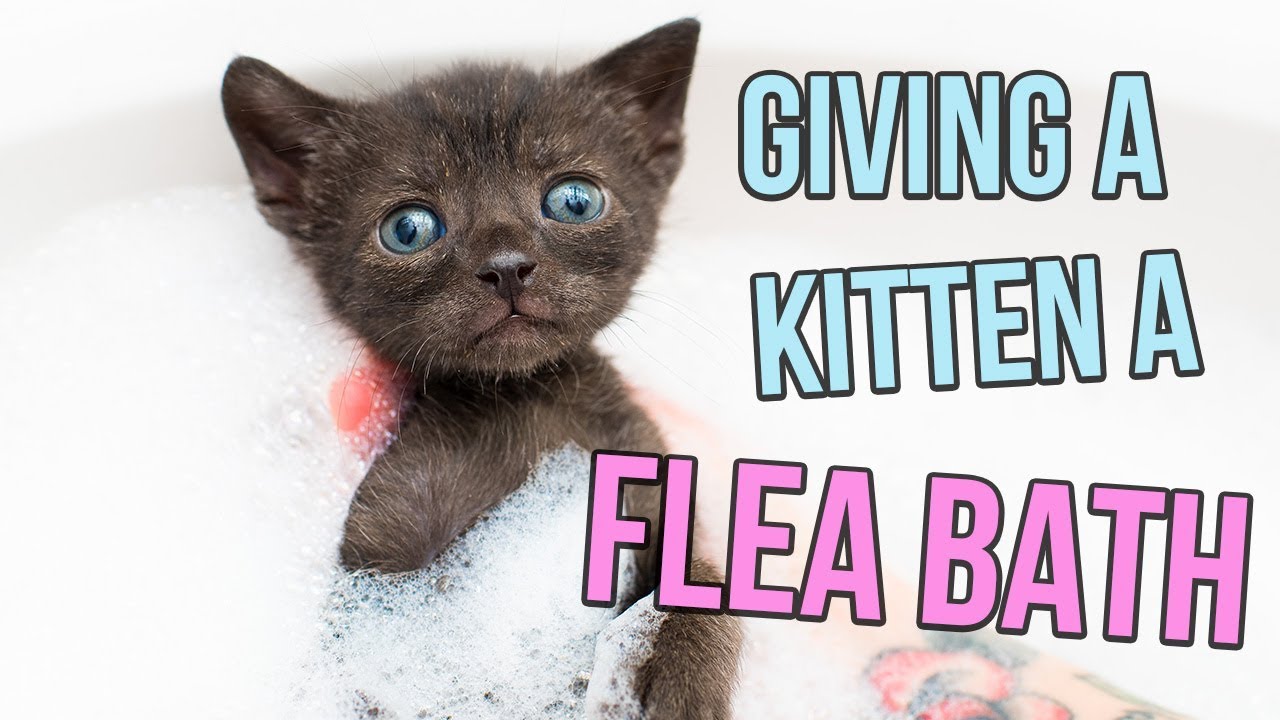
Use a flea comb to check for fleas. Comb through your kitten’s fur gently. The comb catches fleas and flea dirt. Give your kitten a bath with kitten-safe shampoo if needed. Baths can wash away fleas and dirt. Always use products made for young kittens.
Credit: www.petsmart.com
Monitoring And Managing Side Effects
Giving flea medicine to an 8-week-old kitten requires careful watching. Side effects can happen, so knowing what to expect helps keep your kitten safe. This section explains common reactions and signs that need quick vet care.
Common Reactions To Flea Medicine
Some kittens may scratch or lick the spot where medicine was applied. Mild redness or swelling can appear but usually goes away in a day. You might notice your kitten acting sleepy or less active after treatment. These reactions are normal and often pass quickly.
Look for vomiting or diarrhea. These signs mean your kitten may not tolerate the medicine well. Excessive drooling or shaking could also happen. Keep your kitten calm and observe closely after giving flea treatment.
When To Seek Veterinary Help
Call the vet if your kitten shows strong reactions. Severe vomiting or diarrhea needs prompt attention. Difficulty breathing or swelling of the face or throat is an emergency. Sudden weakness or seizures require immediate vet care.
Trust your instincts. If your kitten looks very sick, do not wait. Early vet help can prevent serious problems from flea medicine side effects.
Frequently Asked Questions
What Flea Medicine Is Safe For 8-week-old Kittens?
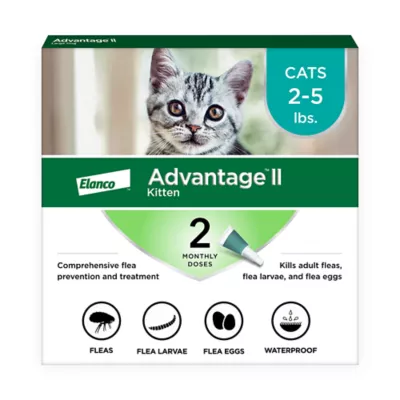
For 8-week-old kittens, use flea medicines specifically labeled for kittens. Spot-on treatments like Revolution or Advantage II are safe. Avoid adult flea medicines as they can be toxic. Always consult your vet before applying any flea medication to ensure safety.
How Often Should Flea Medicine Be Given To Young Kittens?
Flea medicine for 8-week-old kittens is typically applied once a month. Follow the product instructions carefully. Monthly treatments help prevent flea infestations effectively. Consult your veterinarian to confirm the right schedule for your kitten’s flea control.
Can Flea Medicine Harm An 8-week-old Kitten?
Using the wrong flea medicine can harm young kittens. Only use products approved for kittens of that age. Incorrect dosages or adult formulas may cause serious side effects. Always consult a vet before treatment to ensure your kitten’s safety.
When Can I Start Flea Treatment On A Kitten?
You can start flea treatment when a kitten is at least 8 weeks old. Before this age, kittens are too sensitive for most flea medicines. Use products designed for young kittens and consult your vet for the best timing.
Conclusion
Choosing the right flea medicine keeps your 8-week-old kitten safe. Always pick products made for young kittens. Follow the instructions carefully to avoid harm. Check with your vet before starting any treatment. Keep your home clean to help stop fleas.
Regular care protects your kitten’s health and comfort. Small steps make a big difference in flea control. Your kitten will grow happy and flea-free.