Last Updated on June 4, 2026
Are you tired of those tiny pests invading your home and bothering your pets? Fleas can be a real nuisance, and finding a safe, effective way to get rid of them is a top priority for you.
You might have heard that vinegar could be a natural solution, but does it really work? You’ll discover the truth about vinegar’s power against fleas and learn what actually helps you protect your home and loved ones. Keep reading—you don’t want to miss these important facts that could save you time and frustration.
How Vinegar Affects Fleas
Vinegar has been a popular home remedy against fleas for a long time. It works in several ways to reduce flea problems. Vinegar’s acidity can bother fleas and affect their survival. It can also interrupt their growth and breeding cycle. Understanding how vinegar affects fleas helps in using it more effectively.
Types Of Vinegar Used
White vinegar is the most common choice against fleas. It is cheap and easy to find. Apple cider vinegar is another option. It has a slightly sweeter smell but still contains acid. Both types have similar effects on fleas. Avoid flavored or diluted vinegars as they may not work well.
Vinegar’s Impact On Flea Life Cycle
Fleas go through four main stages: egg, larva, pupa, and adult. Vinegar can disrupt these stages. Its acidity helps kill flea eggs and larvae on surfaces. It makes the environment less friendly for flea growth. For adults, vinegar may repel them but does not kill instantly. Using vinegar regularly can reduce flea numbers over time.
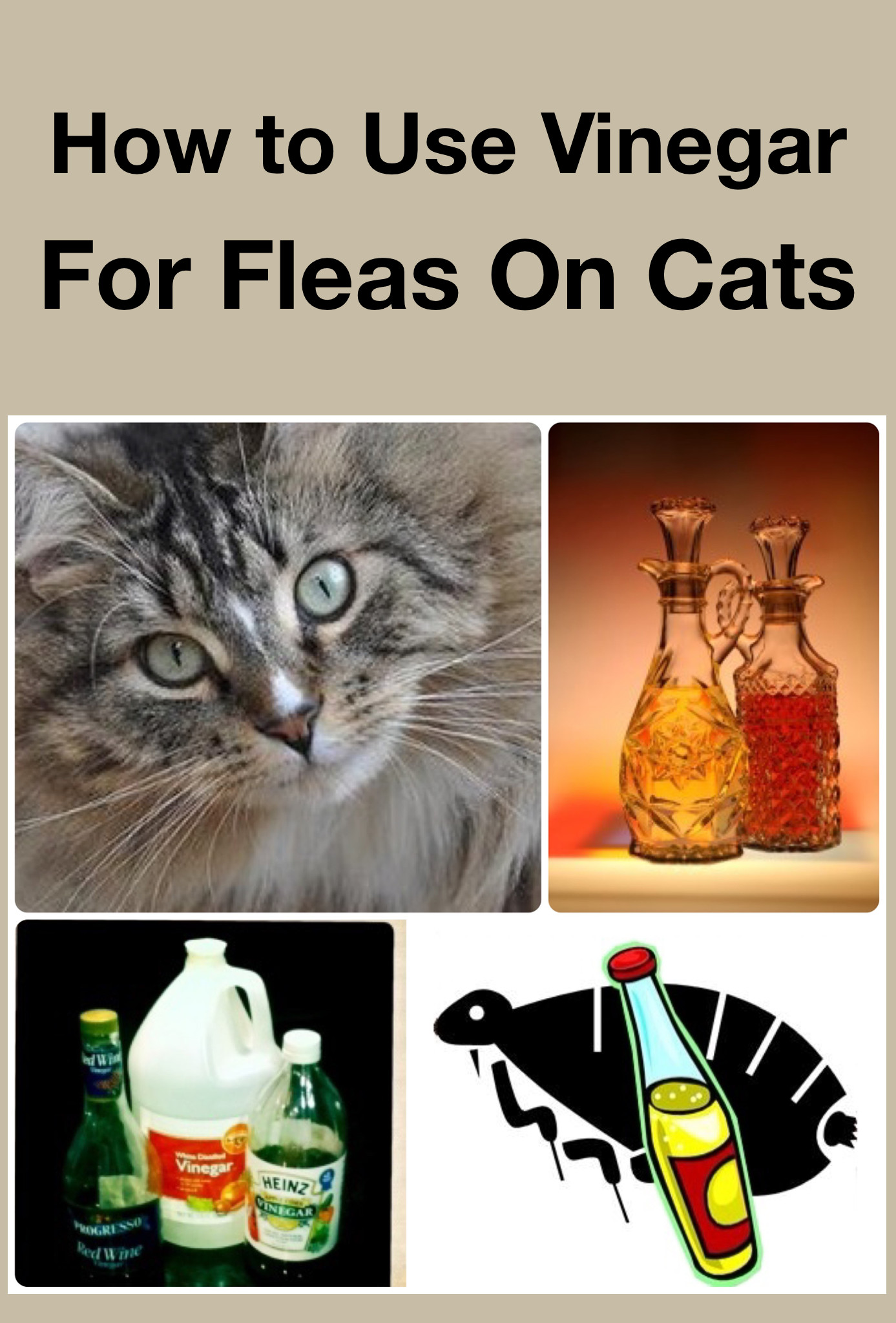
Credit: www.maine-coon-cat-nation.com
Applying Vinegar For Flea Control
Applying vinegar for flea control is a popular home remedy. Vinegar can repel fleas because of its strong smell and acidity. It does not kill fleas instantly but helps keep them away. Using vinegar properly ensures safety for pets and effectiveness around the home.
Dilution Ratios And Safety
Always dilute vinegar before use. A common ratio is one part vinegar to one part water. This reduces acidity to avoid skin irritation. Do not use pure vinegar on pets or surfaces. Test a small area before full application. Keep vinegar away from eyes and open wounds. Use caution around delicate fabrics and wood.
Methods For Treating Pets
Use a spray bottle to apply diluted vinegar on pets. Spray lightly on fur, avoiding the face and eyes. You can also use a cloth dipped in vinegar solution to wipe your pet. Vinegar helps repel fleas but does not kill them instantly. Combine vinegar treatment with regular pet baths and flea combing. Always watch your pet for any signs of discomfort.
Using Vinegar On Home Surfaces
Vinegar can clean and repel fleas on floors, carpets, and furniture. Mix vinegar with water and spray the solution on flea-prone areas. Let it dry completely before allowing pets back in. Avoid using vinegar on natural stone or hardwood floors. Regular vinegar cleaning helps reduce flea populations in your home.
Limitations Of Vinegar In Flea Treatment
Vinegar is a popular home remedy for fleas, but it has clear limits. It might help reduce fleas, but it rarely kills them all. Vinegar does not work as fast or as well as other flea treatments. Understanding these limits helps set the right expectations for using vinegar.
Effectiveness Compared To Chemical Treatments
Chemical flea treatments are made to kill fleas quickly and fully. Vinegar only repels fleas; it does not kill them. Fleas may avoid vinegar smell but can return later. Chemical products target all flea life stages, including eggs. Vinegar does not stop flea eggs from hatching. This makes vinegar less reliable for complete flea control.
Potential Risks And Precautions
Vinegar is acidic and can irritate skin and eyes. Using too much vinegar on pets may cause discomfort. Vinegar should never be applied undiluted directly on animals. Always dilute vinegar with water before use. Avoid contact with open wounds or sensitive skin areas. Test a small area first to check for reactions. Keep vinegar away from pets’ eyes and nose to prevent harm.
Complementary Natural Flea Remedies
Natural flea remedies can support your fight against fleas alongside vinegar. These methods use safe, everyday ingredients and plants. They help keep fleas away without harsh chemicals. Combine these remedies to create a flea-free environment for your pets and home.
Essential Oils That Repel Fleas
Essential oils like lavender, eucalyptus, and peppermint repel fleas naturally. They have strong scents that fleas dislike. Use diluted oils in sprays or add a few drops to pet bedding. Always test oils on your pet’s skin first. Avoid direct contact with pets’ eyes and nose.
Herbal Flea Deterrents
Herbs such as rosemary, mint, and chamomile can keep fleas away. Plant these herbs near your home or in your garden. Crush fresh leaves and rub them on your pet’s fur carefully. These herbs have a gentle scent that fleas avoid. Herbal remedies also improve your pet’s comfort.
Environmental Control Tips
Clean your home frequently to reduce flea eggs and larvae. Vacuum carpets, furniture, and pet areas daily. Wash pet bedding in hot water every week. Keep your lawn trimmed and dry to limit flea breeding. These steps lower flea numbers and help other remedies work better.
Maintaining A Flea-free Environment
Keeping your home free from fleas takes constant effort. Fleas breed quickly and hide well. A clean space helps stop fleas from growing in number. Taking care of your pets and yard also plays a big role. Small daily steps make a big difference in keeping fleas away.
Regular Cleaning Practices
Vacuum floors, carpets, and furniture often. Flea eggs and larvae hide in dust and dirt. Wash pet bedding and blankets in hot water weekly. Use a steam cleaner on rugs to kill fleas and eggs. Clean corners and under furniture where fleas might hide.
Pet Grooming Habits
Brush your pet daily to spot fleas early. Use flea combs to catch fleas and eggs. Bathe pets with flea shampoo regularly. Check pets after outdoor play for any signs of fleas. Keep your pet’s fur clean and trimmed to reduce flea hiding spots.
Outdoor Flea Prevention Strategies
Keep your yard tidy by mowing the lawn often. Remove leaf piles and tall grass where fleas breed. Use natural flea repellents like diatomaceous earth around outdoor areas. Avoid letting pets roam in areas with wild animals. Create a barrier between your yard and wild spaces.

Credit: nilds.gov.ng

Credit: www.palmyra.gr
Frequently Asked Questions
Does Vinegar Effectively Kill Fleas On Pets?
Vinegar does not kill fleas directly but repels them. It disrupts flea scent trails, making your pet less attractive. For flea control, combine vinegar with other treatments for better results.
Can Vinegar Be Used As A Flea Spray At Home?
Yes, vinegar mixed with water can be a natural flea spray. It helps repel fleas on furniture and carpets but does not kill flea eggs or larvae.
Is Apple Cider Vinegar Or White Vinegar Better For Fleas?
Apple cider vinegar is preferred because its smell repels fleas more effectively. White vinegar works but is less effective in deterring fleas on pets or surfaces.
How Often Should I Use Vinegar To Repel Fleas?
Using vinegar once or twice a week can help repel fleas. Consistent use discourages fleas but won’t eliminate an infestation without additional flea treatments.
Conclusion
Vinegar may help repel fleas but does not kill them all. It works best as a mild deterrent, not a full treatment. For serious flea problems, stronger solutions are needed. Always check with a vet before using home remedies on pets.
Combining vinegar with proper cleaning and flea control products gives better results. Keep your home and pets clean to reduce fleas. Remember, no single method works perfectly. Stay consistent and patient to manage fleas well.