Last Updated on June 5, 2026
If you’re expecting a new puppy and your dog is pregnant, keeping her safe and comfortable is your top priority. Fleas aren’t just annoying—they can cause serious health problems for your mom-to-be and her unborn pups.
You might be wondering how to protect your pregnant dog without risking her health or the babies she’s carrying. You’ll discover simple, safe, and effective flea control methods designed just for pregnant dogs. Keep reading to learn how to protect your furry family from fleas and ensure a happy, healthy pregnancy.
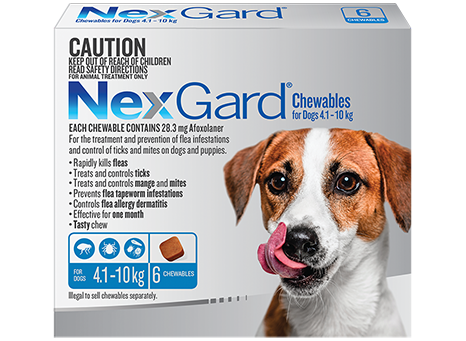
Credit: nexgard.com.au
Risks Of Fleas During Pregnancy
Fleas pose serious threats to pregnant dogs. These tiny parasites cause discomfort and health problems. Understanding the risks helps protect both mother and puppies. Fleas can harm a pregnant dog’s well-being in many ways.
Health Impact On Pregnant Dogs
Fleas bite the dog’s skin and cause itching. This leads to constant scratching and skin damage. The dog may develop infections from flea bites. Flea allergies make symptoms worse and cause hair loss.
Pregnant dogs with fleas often become weak and tired. Fleas suck blood, causing anemia. Anemia reduces oxygen flow to vital organs. This weakens the immune system during pregnancy.
Risks To Puppies
Fleas increase stress for pregnant dogs. Stress affects the development of unborn puppies. Severe flea infestations may lead to miscarriage or stillbirth. Puppies born to infested mothers may be weak.
Newborn puppies are vulnerable to flea bites. Fleas can transmit diseases to puppies. These diseases cause serious health issues or death in young pups. Protecting pregnant dogs from fleas safeguards their puppies.

Credit: nilds.gov.ng
Safe Flea Treatments For Pregnant Dogs
Pregnant dogs need gentle care, especially for flea control. Their health and the puppies’ safety come first. Not all flea treatments are safe during pregnancy. Choose products and methods that protect without harm. This guide shows safe flea treatments for pregnant dogs.
Natural Remedies
Natural remedies can help reduce fleas safely. Regular brushing removes fleas and eggs. Bathing with mild, vet-approved shampoos soothes skin and kills fleas. Using a mixture of apple cider vinegar and water as a spray repels fleas. Diatomaceous earth, food-grade, sprinkled on bedding can kill fleas. These options avoid harsh chemicals and protect puppies.
Vet-approved Topical Solutions
Some topical flea treatments are safe for pregnant dogs. Only use products your vet recommends. These treatments kill fleas quickly and stay on the skin. They do not harm unborn puppies or the mother. Apply carefully and avoid contact with eyes and mouth. Follow the vet’s dosage instructions strictly for best results.
Oral Medications To Avoid
Avoid oral flea medications during pregnancy unless your vet says otherwise. Many pills and chewables contain strong chemicals. These can harm developing puppies or cause side effects. Stick to safer topical or natural methods. Consult your vet before giving any oral flea treatment.
Preventing Flea Infestations
Preventing flea infestations is crucial for the health of pregnant dogs. Fleas cause itching, discomfort, and can spread diseases. Taking steps to stop fleas early keeps your dog safe and stress-free. Simple daily habits protect both your dog and home from these pests.
Home Cleaning Tips
Clean your home often to remove flea eggs and larvae. Vacuum carpets, rugs, and furniture regularly. Wash your dog’s bedding in hot water every week. Use flea sprays or powders designed for indoor use. Keep clutter low to reduce hiding spots for fleas.
Yard Maintenance
Keep your yard tidy to lower flea risks outside. Mow the lawn and trim bushes frequently. Remove leaves and grass clippings where fleas like to hide. Avoid areas with tall grass or dense plants. Consider using pet-safe outdoor flea treatments if needed.
Regular Grooming Practices
Brush your dog’s coat daily to spot fleas early. Use a flea comb to catch fleas and eggs. Bathe your dog with gentle, flea-control shampoo. Check your dog’s skin for irritation or redness. Grooming helps keep your dog comfortable and flea-free.
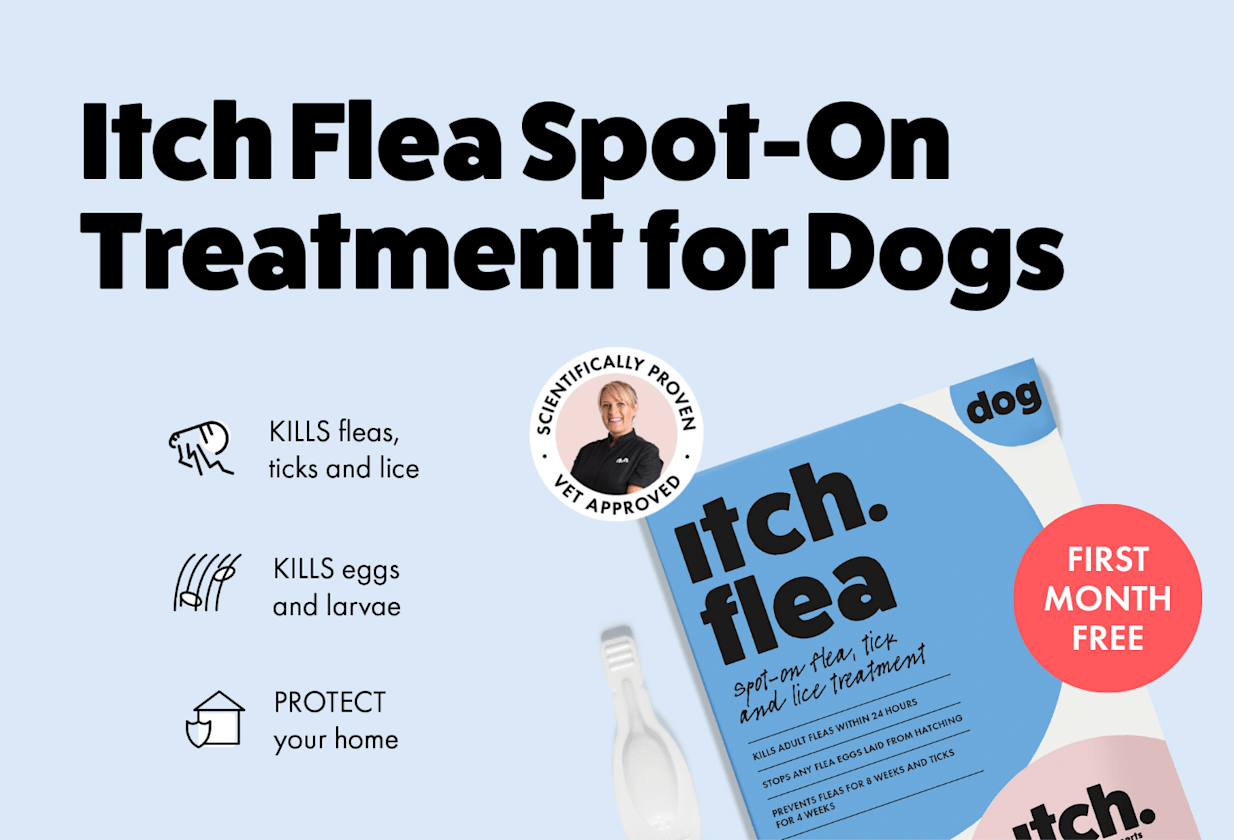
Credit: www.itchpet.com
Signs Of Flea Infestation
Fleas cause discomfort and health risks for pregnant dogs. Detecting flea infestation early helps protect your dog’s health and her puppies. Watch for clear signs to act quickly.
Common Symptoms In Pregnant Dogs
Pregnant dogs with fleas often scratch or bite their skin more than usual. You may notice redness or small bumps on her body. Hair loss can appear in patches, especially around the tail and neck. Restlessness and irritability can increase due to itching. Flea bites may cause allergic reactions, making symptoms worse.
Checking For Fleas And Eggs
Look closely at your dog’s fur, especially near the tail, neck, and belly. Fleas move quickly and are tiny, dark brown insects. Use a fine-toothed flea comb to catch fleas and eggs. Flea eggs look like small white grains stuck to the fur. Place the comb contents on a wet paper towel; flea dirt will turn red when wet. Regular checks help catch infestations early.
Consulting Your Veterinarian
Flea control for pregnant dogs needs special care. Their health and the puppies’ safety matter most. Some flea treatments can harm unborn pups or the mother. Consulting a veterinarian ensures safe and effective flea control.
A vet knows which products are gentle and which to avoid. They can spot any flea-related health problems early. Professional advice prevents risks and keeps your dog comfortable.
When To Seek Professional Advice
Seek vet advice as soon as you notice fleas. Fleas can cause anemia, which is dangerous for pregnant dogs. Sudden itching or skin irritation also needs expert attention. Early treatment avoids complications for mother and pups.
Consult your vet before using any flea product. Many treatments are not safe during pregnancy. Some chemicals can pass through the skin and affect puppies. A vet will guide you on timing and product safety.
Customized Flea Control Plans
Every pregnant dog has unique needs. A vet creates a flea control plan just for your dog. They choose safe products and set a treatment schedule. This plan keeps fleas away without harming your dog or puppies.
Plans may include gentle shampoos, sprays, or oral medications. The vet also advises on cleaning your home and yard. This helps stop flea eggs and larvae from spreading. Customized plans provide peace of mind and effective flea protection.
Frequently Asked Questions
What Flea Treatments Are Safe For Pregnant Dogs?
Topical flea treatments labeled safe for pregnant dogs are best. Avoid oral or chemical products unless vet-approved. Natural remedies like flea combing and regular cleaning also help.
Can Untreated Fleas Harm A Pregnant Dog Or Puppies?
Yes, untreated fleas can cause anemia and skin infections in pregnant dogs. Fleas can also transmit diseases to both mother and puppies, risking their health.
How Often Should I Treat My Pregnant Dog For Fleas?
Treat your pregnant dog monthly with vet-approved flea control. Frequent treatment ensures no flea infestations harm her or the unborn puppies.
Are Natural Flea Remedies Effective For Pregnant Dogs?
Natural remedies like apple cider vinegar or diatomaceous earth may help but are less reliable. Consult your vet for safe, effective flea control during pregnancy.
Conclusion
Protecting your pregnant dog from fleas keeps her healthy and comfortable. Choose safe flea treatments made for pregnancy. Regularly check her fur and bedding for signs of fleas. Clean your home often to stop fleas from returning. Consult your vet before starting any flea control method.
A flea-free environment helps your dog and her puppies thrive. Small steps make a big difference in flea control. Stay attentive and caring for your dog’s well-being.