Last Updated on September 21, 2026
Have you ever wondered if your dog’s poop could actually help your garden grow? It might sound strange, but many people ask, “Is dog poop good fertilizer?” You’re probably curious if this waste can turn into something useful or if it’s just harmful.
Understanding this could change how you think about your pet’s mess and your plants. Keep reading to find out the truth about dog poop as fertilizer and how it might affect your garden’s health.

Credit: doggydogood.com
Nutrient Content In Dog Poop
Dog poop contains nutrients that plants need to grow. These nutrients come from the dog’s diet and digestion. The amount and type of nutrients vary depending on what the dog eats. Understanding these nutrients helps decide if dog poop can be a good fertilizer.
Key Nutrients Present
Dog poop has nitrogen, phosphorus, and potassium. Nitrogen helps plants grow leaves and stems. Phosphorus supports root development and flowers. Potassium strengthens plants and helps resist disease. Along with these, dog poop contains small amounts of calcium and magnesium. These nutrients are essential for healthy plant growth.
Comparison With Traditional Fertilizers
Traditional fertilizers often have balanced amounts of N-P-K (nitrogen, phosphorus, potassium). Dog poop also contains these but in less consistent amounts. Commercial fertilizers are made to release nutrients slowly. Dog poop can release nutrients quickly but may also harm plants if not treated. It may contain harmful bacteria, so composting is necessary before use. The nutrient content in dog poop is less reliable than store-bought fertilizers.
Potential Benefits For Soil
Dog poop is usually seen as waste, but it has some potential benefits for soil. When processed correctly, it can add nutrients back to the earth. This can help improve soil quality and plant health. Let’s explore how dog poop might affect soil fertility and plant growth.
Improvement In Soil Fertility
Dog poop contains nitrogen, phosphorus, and potassium. These are key nutrients plants need to grow. When broken down, these nutrients can enrich the soil. This process can increase the soil’s ability to support plants.
Adding nutrients helps soil hold moisture better. It can also improve soil structure. This means roots can grow deeper and access more water and nutrients. Over time, soil becomes more fertile and productive.
Effect On Plant Growth
Soil enriched with nutrients from dog poop can boost plant growth. Plants get the food they need to develop strong stems and leaves. This can lead to healthier and more vibrant plants.
However, raw dog poop should never be used directly on plants. It may contain harmful bacteria. Proper composting kills bacteria and makes nutrients safe for plants. This helps plants grow without risk.
Health Risks And Concerns
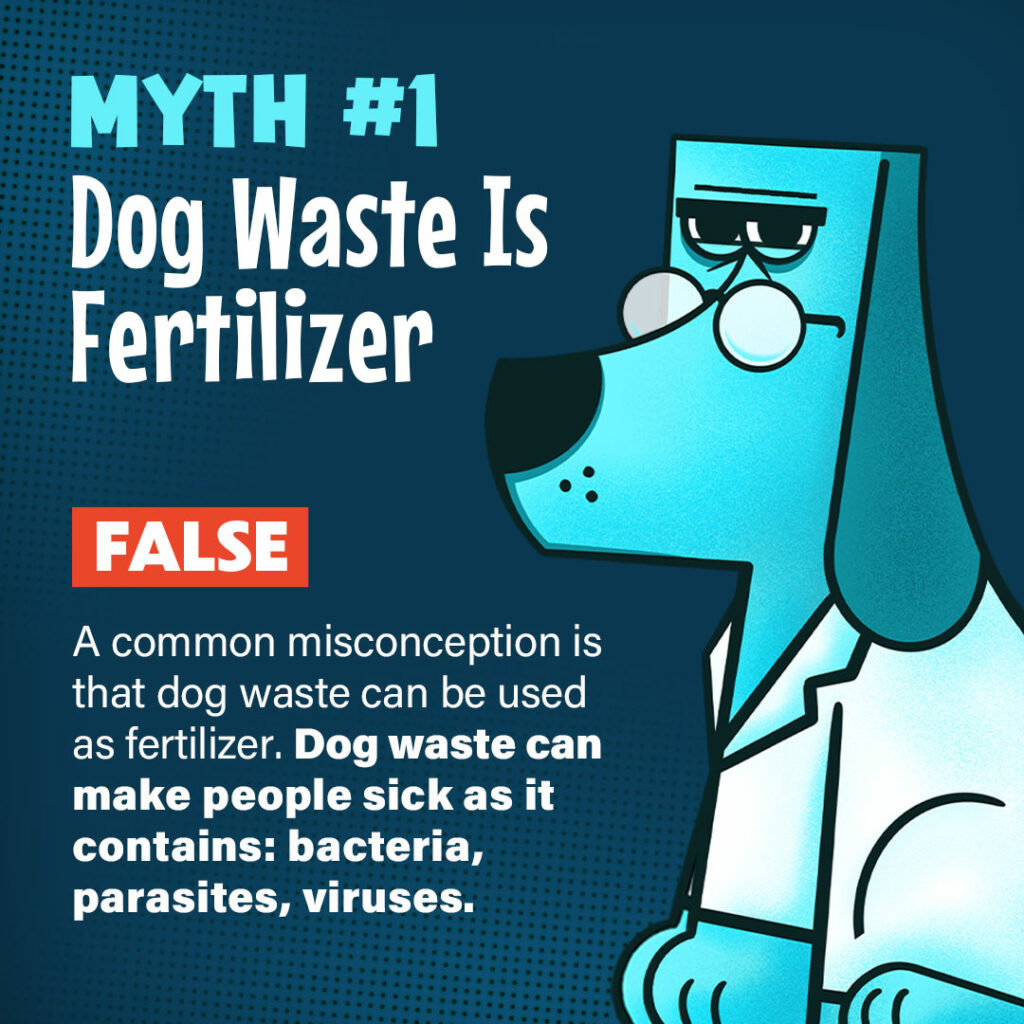
Dog poop might seem like a natural fertilizer. Yet, it carries serious health risks. Understanding these risks is important before using it in your garden. Dog waste contains harmful germs that can affect both humans and animals. These dangers make it unsafe to use dog poop as fertilizer without proper treatment.
Pathogens In Dog Waste
Dog poop contains many dangerous pathogens. These include bacteria, viruses, and parasites. Common bacteria are E. coli and Salmonella. Parasites like roundworms and hookworms are also present. These germs survive in soil and water for long periods. They pose a risk to anyone who comes in contact with them.
Impact On Human And Animal Health
Exposure to dog waste can cause serious health problems. Humans can get infections from touching contaminated soil or water. Children playing outside are especially at risk. Pets can also catch parasites from dog poop. These infections can lead to stomach pain, diarrhea, and skin rashes. In some cases, the diseases can be severe and require medical care.
Credit: www.petguide.com
Safe Handling And Composting
Handling dog poop safely is important before using it as fertilizer. Dog waste can carry germs that cause illness. Proper composting helps kill these germs and turns waste into useful fertilizer. This section explains how to handle dog poop safely and compost it correctly.
Proper Composting Techniques
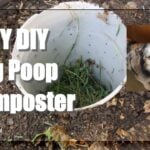
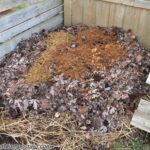
Use a separate compost bin for dog waste. Avoid mixing it with food scraps. Keep the compost pile hot, around 140°F, to kill bacteria and parasites. Turn the pile regularly to add oxygen. Allow composting for at least six months before using it on plants. Use gloves when handling the compost. Wash hands well afterward to stay safe.
Reducing Health Hazards
Do not use dog poop compost on edible plants. Keep it away from vegetable gardens. Use it only on ornamental plants or grass. Store dog waste in sealed bags before adding to compost. Avoid composting if you have young children or pets nearby. Clean tools and surfaces after handling dog waste. These steps reduce the risk of spreading harmful germs.
Environmental Impact
Dog poop may seem like a natural fertilizer, but its environmental impact raises concerns. It contains harmful bacteria and parasites that can affect soil and water quality. Understanding this impact helps us manage waste better and protect nature.
Contamination Of Water Sources
Dog waste can wash into rivers, lakes, and streams. Rain or irrigation carries it from yards or sidewalks into water systems. This waste carries bacteria like E. coli, which pollutes water and harms aquatic life. Contaminated water also poses health risks to humans and animals using these sources.
Effects On Local Ecosystems
Dog poop adds excess nutrients, such as nitrogen and phosphorus, to the soil. These nutrients can upset the natural balance of plants and soil organisms. Too many nutrients cause algae blooms in water bodies, blocking sunlight and reducing oxygen. This harms fish and other wildlife, disrupting the entire ecosystem.
Alternatives To Dog Poop Fertilizer
Dog poop is not the best choice for garden fertilizer. It can carry harmful bacteria and parasites. Many gardeners want safer and cleaner options. There are several alternatives that help plants grow well. These options provide nutrients without risks.
Commercial Fertilizer Options
Commercial fertilizers are easy to find in stores. They come in many formulas for different plants. These fertilizers contain balanced nutrients like nitrogen, phosphorus, and potassium. They feed plants quickly and promote healthy growth. Many products are designed for flowers, vegetables, or lawns. Using commercial fertilizer helps plants get the right nutrients. Follow the instructions on the package to avoid over-fertilizing.
Organic And Eco-friendly Choices
Organic fertilizers come from natural sources. Compost, manure from herbivores, and worm castings enrich the soil. These options improve soil structure and water retention. They release nutrients slowly, feeding plants over time. Organic fertilizers are safer for children and pets. They support beneficial microbes in the soil. Using eco-friendly fertilizers protects the environment. They reduce chemical runoff and keep gardens healthy. Choose organic products certified for safety and quality.
Legal Regulations And Guidelines
Legal rules guide how dog waste should be handled. These rules protect public health and the environment. Dog poop can carry germs harmful to people and animals. Many places have laws to control waste disposal. Knowing these laws helps pet owners stay safe and respectful.
Rules vary by city, county, and state. Some areas have strict fines for leaving dog waste in public spaces. Others require pet owners to carry bags for cleanup. Understanding local laws is key to avoiding penalties and keeping parks clean.
Local Laws On Dog Waste Disposal
Many cities require dog owners to pick up waste immediately. Fines can be high for not following these rules. Some places have special bins for dog waste only. These bins help separate waste from regular trash.
Some regions ban using dog poop as fertilizer. This is due to health risks from bacteria and parasites. Always check local laws before composting dog waste. Ignoring these rules can lead to fines or other penalties.
Recommendations For Pet Owners
Carry bags when walking your dog. Pick up waste every time your dog goes outside. Dispose of the waste in designated bins or trash cans. Avoid throwing dog poop in gardens or compost piles unless allowed.
Use approved disposal methods to protect your community. Stay informed about changes in local laws. Responsible pet care helps keep neighborhoods clean and healthy.
Credit: projectcleanwater.org
Frequently Asked Questions
Is Dog Poop Safe To Use As Fertilizer?
No, fresh dog poop is not safe as fertilizer. It contains harmful bacteria and parasites that can contaminate soil and plants. Composting dog waste properly can reduce risks, but it should never be used directly in vegetable gardens or where food is grown.
What Nutrients Does Dog Poop Provide To Soil?
Dog poop contains nitrogen, phosphorus, and potassium, which are essential nutrients for plants. However, these nutrients come with harmful pathogens, so untreated dog waste is not recommended as fertilizer. Proper processing is necessary to safely benefit from these nutrients.
How To Compost Dog Poop Safely?
To compost dog poop safely, use a dedicated pet waste composter or hot composting method. The compost pile must reach high temperatures to kill pathogens. Avoid mixing dog waste compost with food garden soil to prevent contamination.
Can Dog Poop Improve Garden Soil Quality?
Untreated dog poop can harm garden soil due to pathogens and parasites. Properly composted dog waste can improve soil quality by adding nutrients. Always ensure the waste is fully processed before using it in your garden.
Conclusion
Dog poop is not a safe fertilizer for your garden. It can carry harmful bacteria and parasites. These can hurt plants and people. Composting dog waste properly takes time and care. Better to use natural compost made from plant materials.
Keep your garden healthy and safe. Use fertilizers meant for plants. This helps your flowers and vegetables grow strong. Stay informed and protect your family and pets. Clean up after your dog to keep spaces clean. Good gardening means choosing safe, healthy options.