Have you ever wondered what really happens to your dog’s poop after it hits the ground? You might assume it simply breaks down naturally, but is dog poop actually biodegradable?
Understanding this can help you make better choices for your yard, your neighborhood, and the environment. Keep reading, and you’ll discover surprising facts about dog waste, how it affects the planet, and what you can do to manage it responsibly.
Don’t miss out—your next walk with your dog will never look the same!
What Makes Something Biodegradable
Understanding what makes something biodegradable helps us know how waste breaks down. Biodegradable items can decay naturally by bacteria, fungi, or other living organisms. This process returns materials back to the environment without harm.
Not all materials break down at the same speed or in the same way. Some take weeks, others take years. The ability to biodegrade depends on the material’s makeup and the environment around it.
Definition Of Biodegradable
Biodegradable means a substance can be broken down by natural organisms. This process changes the material into water, carbon dioxide, and compost. These byproducts are safe for the environment.
Role Of Microorganisms
Microorganisms like bacteria and fungi play a key role in biodegradation. They consume organic material and help turn it into simple compounds. Without these microbes, natural decay would stop.
Factors Affecting Biodegradation
Temperature, moisture, and oxygen levels affect how fast something biodegrades. Warm, moist, and oxygen-rich environments speed up the process. Cold or dry conditions slow it down.
Organic Vs. Synthetic Materials
Organic materials like food scraps and paper break down easily. Synthetic materials like plastic resist biodegradation. Their chemical structure makes them hard for microbes to digest.
Importance Of Biodegradability
Biodegradable materials reduce waste buildup and pollution. They support a healthier environment by recycling nutrients naturally. Using biodegradable products helps protect land and water.
Composition Of Dog Poop
Dog poop has a complex makeup. Understanding what it contains helps explain how it breaks down. It also shows its impact on the environment and health.
Dog poop mainly consists of undigested food, bacteria, and water. The exact mix depends on the dog’s diet and health. These components affect how fast poop decomposes and if it is safe for the soil.
Undigested Food
Dog poop contains bits of food that the dog’s body could not digest. This includes fibers, fats, and proteins. These leftovers can feed soil microbes. But some parts take longer to break down than others.
Bacteria And Microorganisms
Poop is full of bacteria and tiny organisms. Some are helpful in breaking down waste. Others can carry diseases. These microbes play a big role in the decay process.
Water Content
Water makes up a large part of dog poop. It helps keep the waste soft and easier to break down. The moisture level affects how fast microbes can work on the poop.
Parasites And Pathogens
Dog waste can contain parasites and harmful germs. These pose risks to humans and other animals. Proper disposal is important to prevent the spread of illness.
How Dog Poop Breaks Down Naturally
Dog poop is organic matter that can break down over time. This process happens through natural decomposition. The waste does not stay the same forever. Microorganisms and the environment work together to break it down into simpler substances. This process is important for returning nutrients to the soil and reducing waste buildup.
Understanding how dog poop decomposes helps us manage pet waste better. It also shows the importance of proper disposal methods to protect the environment.
Role Of Microorganisms
Microorganisms like bacteria and fungi play a key role in breaking down dog poop. They feed on the waste and break it into smaller parts. These tiny organisms use enzymes to digest the organic material. This process releases nutrients like nitrogen and phosphorus back into the soil. Without these microorganisms, dog poop would take much longer to decompose.
Environmental Factors Affecting Decomposition
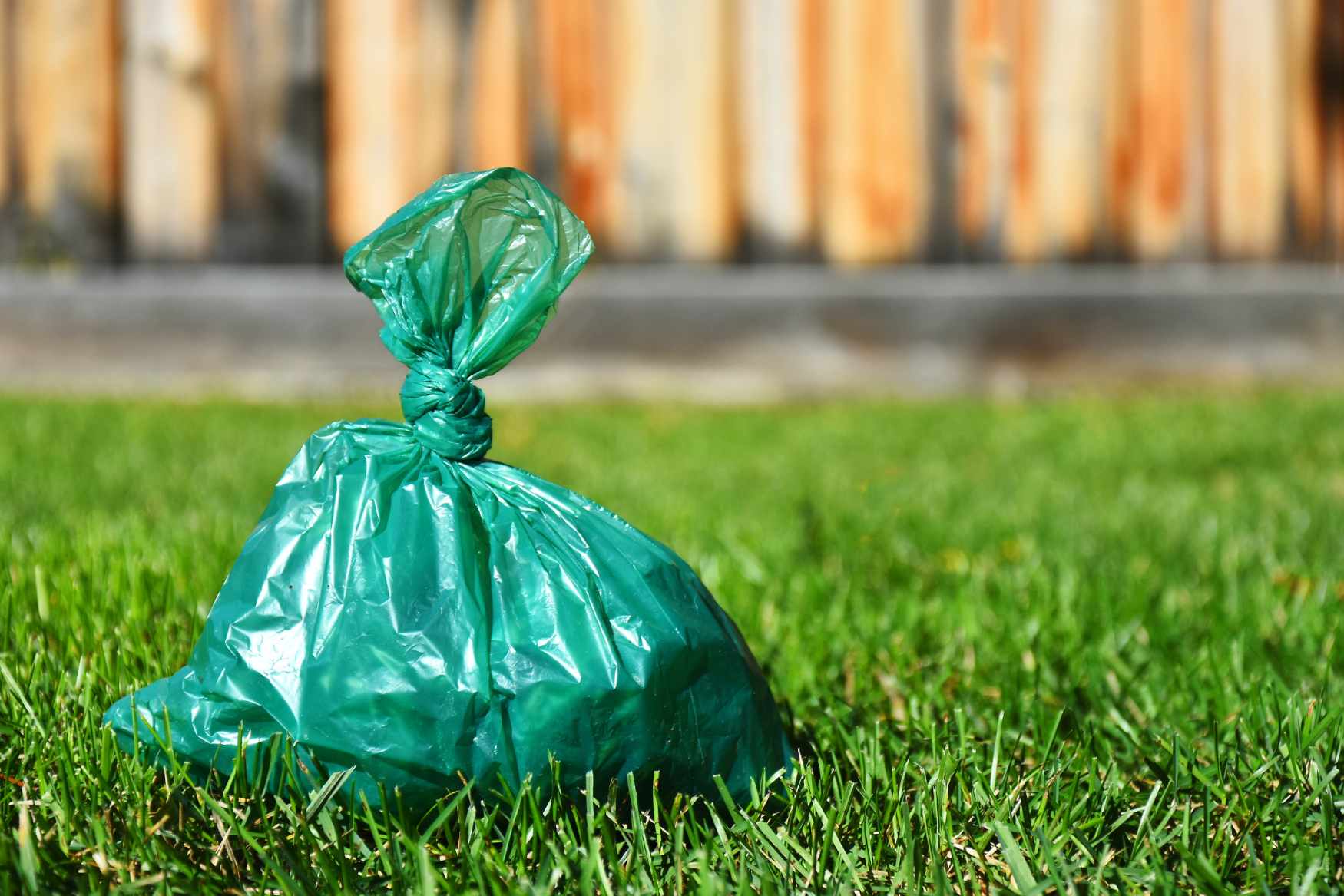
Several environmental factors impact how fast dog poop decomposes. Moisture is very important; wetter conditions speed up the process. Temperature also matters. Warmer weather helps microorganisms work faster. Sunlight can dry out the waste, slowing decomposition. Air circulation helps by bringing oxygen to the microorganisms. Lack of oxygen makes decomposition slower and less efficient.
Credit: petimpact.co.uk
Health Risks Linked To Dog Waste
Dog waste is more than just a smelly nuisance. It carries health risks for people, pets, and the environment. Leaving dog poop on the ground can spread harmful germs and cause pollution. Understanding these risks helps keep communities safe and clean.
Proper disposal of dog waste protects public health and the natural world. Let’s explore the key dangers linked to dog poop.
Pathogens In Dog Poop
Dog poop contains many germs that can cause diseases. These pathogens include bacteria like E. coli and Salmonella. Parasites such as roundworms and hookworms also live in dog waste. People and animals can catch these infections by touching or stepping on contaminated poop.
Children playing outside and pets are especially at risk. These germs can lead to stomach problems, skin infections, and other health issues. Cleaning up dog waste quickly helps stop the spread of these harmful pathogens.
Impact On Soil And Water
Dog poop left on the ground affects soil and water quality. Rain can wash waste into rivers, lakes, and streams. This pollution harms fish, plants, and other wildlife. It also makes water unsafe for swimming or drinking.
In the soil, dog waste adds excess nitrogen and phosphorus. These nutrients upset the natural balance and damage plants. Proper dog waste disposal prevents pollution and protects the environment for everyone.
Proper Disposal Methods
Proper disposal of dog poop helps protect the environment and public health. Dog waste can carry harmful bacteria and parasites. It does not break down quickly on its own. Using the right methods keeps parks and neighborhoods clean. It also reduces pollution in soil and water.
Composting Dog Waste
Composting is a natural way to break down dog poop. It needs a special compost bin separate from food waste. The compost must reach high temperatures to kill germs. Use a designated pet waste composter in your yard. Regular compost piles are not safe for dog waste. Finished compost can be used on non-food plants only.
Using Biodegradable Bags
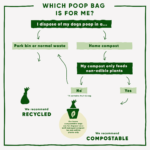
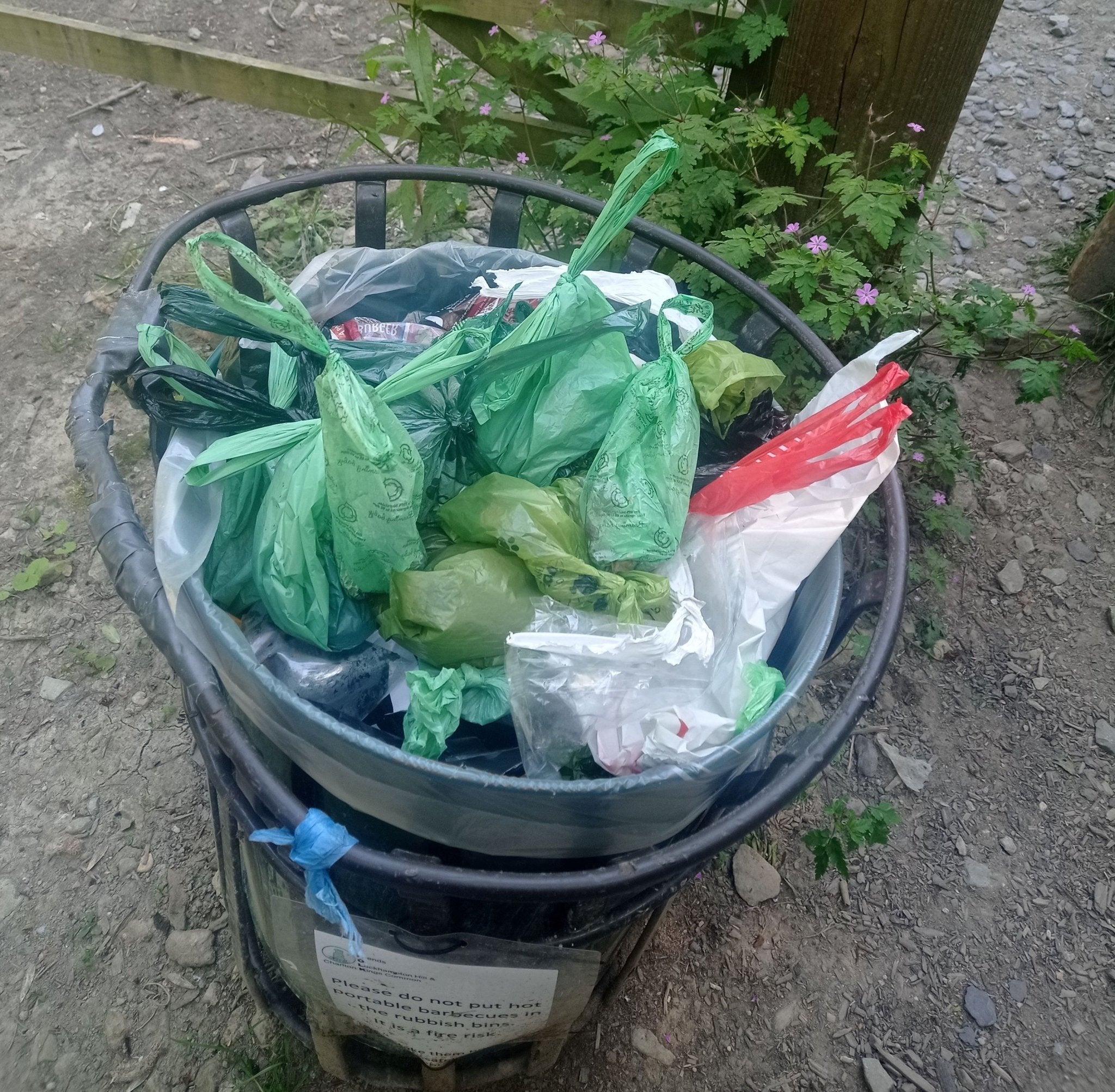
Biodegradable bags break down faster than plastic bags. They help reduce plastic pollution from dog poop disposal. Make sure to pick bags labeled “biodegradable” or “compostable.” These bags still need to be thrown in trash or compost bins. Avoid leaving bags in natural areas where they might not decompose fully.
Municipal Waste Guidelines
Check local rules for dog waste disposal in your area. Some cities have special bins for dog poop. Others require disposal in regular trash. Never flush dog poop down the toilet. It can harm plumbing and water treatment plants. Follow all guidelines to keep your community safe and clean.
Eco-friendly Alternatives For Dog Waste
Dog waste can harm the environment if not handled properly. Many dog owners want greener ways to manage it. Eco-friendly options help reduce pollution and keep yards clean. These alternatives break down waste faster and with less impact on nature.
Enzyme-based Cleaners
Enzyme-based cleaners use natural enzymes to break down dog poop. They speed up decomposition and reduce odors. These cleaners are safe for soil and plants. Using them avoids harmful chemicals found in some products. Spray or pour them directly on the waste for easy cleaning. They help keep yards fresh and eco-friendly.
Dog Waste Digester Systems
Dog waste digester systems work like small septic tanks for pet waste. They use bacteria to convert waste into water and gas. These systems are placed underground in your yard. They reduce waste buildup and prevent harmful runoff. Regular maintenance keeps them working well. This option is effective for large yards or multiple dogs.
Common Myths About Dog Poop And Biodegradability
Many people have wrong ideas about dog poop and how it breaks down. These myths cause confusion about whether dog poop is truly biodegradable. Clearing up these misunderstandings helps keep our environment cleaner and safer.
Dog poop does break down, but the process is slower and more complex than some think. Knowing the facts helps dog owners make better decisions about disposal and care.
Myth: Dog Poop Disappears Quickly Because It Is Natural
Some believe dog poop vanishes fast because it is natural waste. Dog poop contains bacteria and parasites that slow decomposition. It does not break down as fast as plant waste. Leaving dog poop on grass or soil can cause health risks.
Myth: Dog Poop Can Be Left In The Yard Without Harm
Many think dog poop is safe to leave in yards. Dog feces may carry diseases harmful to pets and humans. It can pollute groundwater and spread parasites. Cleaning up after dogs protects family and neighbors.
Myth: Dog Poop Bags Are All Biodegradable
Not all dog poop bags break down easily. Some bags contain plastics that last for years in landfills. Biodegradable bags need specific conditions to decompose properly. Choosing certified bags helps reduce environmental harm.
Myth: Composting Dog Poop Is Simple And Safe
Composting dog waste requires special methods to kill germs. Home compost piles may not reach high enough temperatures. Improper composting can spread harmful bacteria. Using dedicated pet waste composters is safer and more effective.
Credit: petimpact.co.uk

Credit: doggydogood.com
Frequently Asked Questions
Is Dog Poop Biodegradable In Nature?
Yes, dog poop is biodegradable because it contains organic matter. However, it takes longer to break down due to harmful bacteria and parasites. Proper disposal is essential to prevent environmental contamination and health risks.
How Long Does Dog Poop Take To Biodegrade?
Dog poop can take several months to biodegrade naturally. Factors like temperature, moisture, and bacteria affect the rate. Using composting methods can speed up the process, but untreated dog waste may pose environmental hazards.
Can Dog Poop Be Composted Safely?
Dog poop can be composted, but it requires special handling. It must be processed in a high-heat compost system to kill pathogens. Never use regular compost piles for dog waste, as it can contaminate soil and plants.
Why Is Dog Poop Harmful To The Environment?
Dog poop contains harmful bacteria and parasites that pollute water and soil. If left on the ground, it can spread diseases to humans and wildlife. Proper disposal helps protect public health and maintains a clean environment.
Conclusion
Dog poop can break down naturally, but it takes time. It contains harmful bacteria that can hurt the environment. Always pick up and dispose of it properly. Composting dog waste needs special care and space. Leaving it on the ground can pollute water and soil.
Protect your neighborhood by cleaning up after your pet. Small actions make a big difference for nature. Remember, being responsible helps keep parks and streets clean. Your efforts help the earth stay safe and healthy.
Last Updated on April 18, 2026