Last Updated on September 24, 2026
Dog owners love their pets, but they often face one common problem: dog waste in the yard. It’s more than just an eyesore. Left uncollected, dog poop can smell bad, attract flies, and even spread disease. If you’re tired of stepping in it, worrying about your kids playing outside, or dealing with upset neighbors, you’re not alone. With more than 90 million dogs living in the United States, managing pet waste is a daily reality for millions of families.
Dealing with dog waste the right way keeps your yard clean, your family healthy, and your neighborhood happy. But what’s the best approach? Should you bag it, compost it, or hire help? Many owners make small mistakes that lead to bigger problems later. This guide walks you through every practical method, giving you clear steps and smart tips to keep your yard tidy and safe.
Why Dog Waste Is A Serious Issue
Many people think dog poop is like fertilizer. But unlike cow manure, it’s not safe for your garden or lawn. Dog waste contains bacteria, parasites, and sometimes even viruses that can harm humans and other animals. The Environmental Protection Agency (EPA) even classifies pet waste as a pollutant, just like oil or chemicals.
Leaving dog poop in your yard can:
- Spread harmful bacteria like E. coli and Salmonella
- Contaminate local water supplies when it rains
- Attract pests like flies and rats
- Cause unpleasant smells
According to the CDC, just a few grams of dog waste can contain up to 23 million fecal bacteria. That’s why responsible disposal is more than just a matter of looks—it’s about health and safety.
Methods For Collecting Dog Waste
Dog waste removal isn’t one-size-fits-all. Your choice depends on your yard size, budget, and how often your dog goes outside. Here are the most effective ways to pick up dog poop.
1. Pooper Scoopers
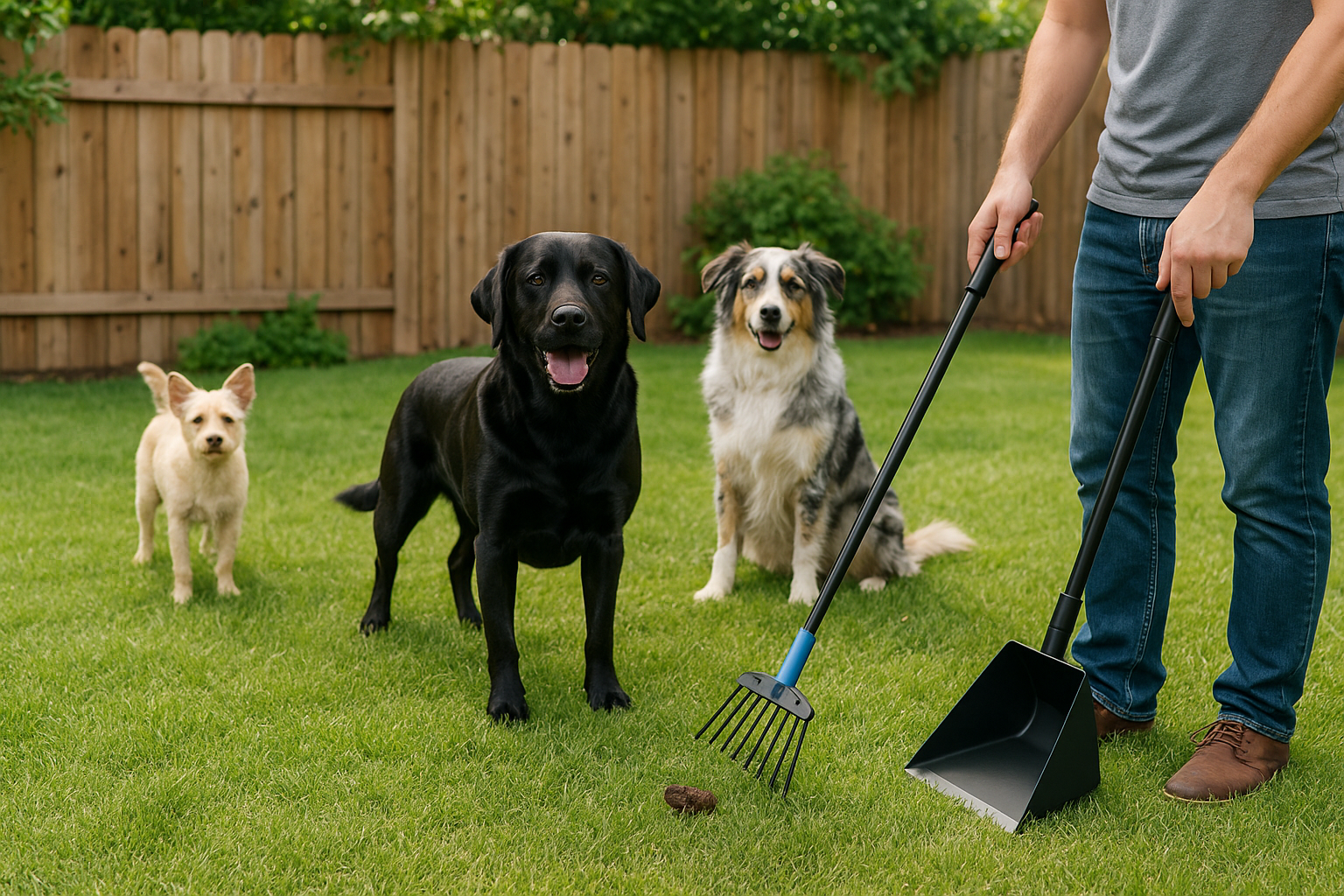
Pooper scoopers are a popular tool for a reason. They let you pick up waste without getting too close. There are two main types:
- Jaw-style scoopers: Squeeze the handle, and the jaws grab the poop.
- Rake-and-bin scoopers: Use a rake to push waste into a bin or tray.
Jaw-style scoopers work best for firm waste and small to medium yards. Rake-and-bin scoopers are good for larger, grassy yards.
2. Waste Bags
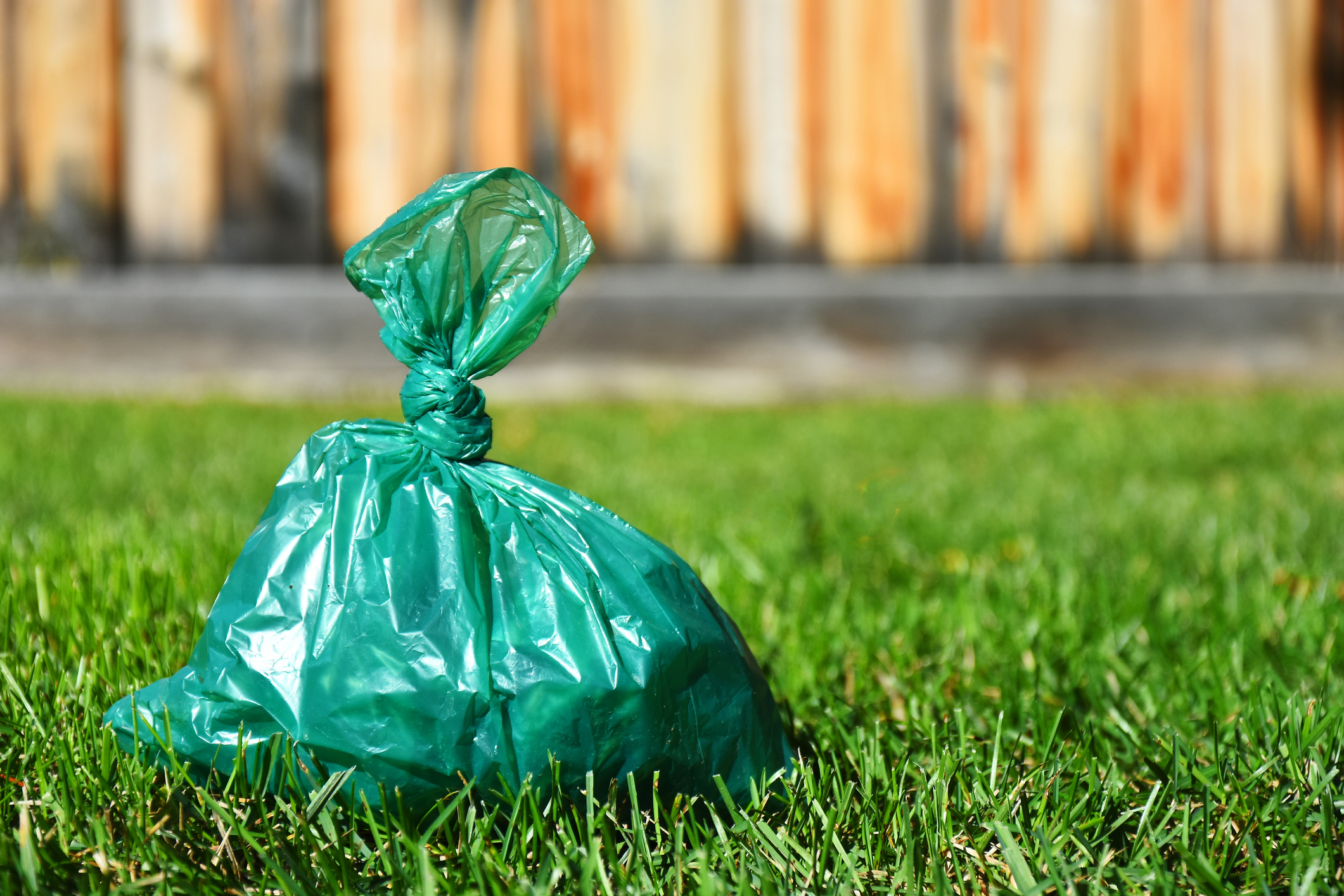
Plastic waste bags are the most common and convenient solution. Keep a roll near your back door, grab a bag, and pick up after your dog. Tie the bag tightly and throw it in your regular trash bin. For an eco-friendly option, try biodegradable bags made from cornstarch or plant material.
Pro tip: Double-bagging is rarely needed unless the waste is very runny.
3. Dog Waste Disposal Systems
Some homeowners install in-ground pet waste digesters. These work like small septic tanks. Drop the waste in, add special enzymes and water, and the system breaks down the poop safely underground.
These systems are best for yards with good drainage and not too much clay in the soil. They’re not suitable for yards with a high water table or frequent flooding.
4. Composting (with Caution)
Yes, you can compost dog waste, but only with special care. Never put dog poop in your vegetable garden or regular compost pile. Use a dedicated bin, high temperatures, and plenty of carbon material (like sawdust). Finished compost should only be used on ornamental plants, not food crops.
5. Professional Pet Waste Removal Services
If you don’t have the time or stomach for cleanup, hiring a pet waste removal service is a practical solution. These companies visit weekly or monthly, scoop the waste, and haul it away. Prices range from $10 to $50 per visit depending on yard size and number of dogs.
Comparing Dog Waste Disposal Methods
To help you decide, here’s a quick comparison of the main methods:
| Method | Cost | Effort Needed | Eco-Friendliness | Best For |
|---|---|---|---|---|
| Waste Bags | Low | Low | Medium (if biodegradable) | Small yards, quick pickup |
| Pooper Scooper | Low (one-time) | Low | Medium | All yard sizes |
| Disposal System | Medium (install) | Medium | High | Permanent solution |
| Composting | Low | High | High (if done right) | Eco-conscious owners |
| Professional Service | High | None | High | Busy families, large yards |
Best Practices For Dog Waste Management
Once you pick a method, follow these tips to keep your yard clean and your routine easy.
Pick Up Regularly
Don’t let waste build up. Clean up at least once a day, especially in summer. This prevents odors, keeps flies away, and stops bacteria from spreading.
Choose The Right Tools
A good pooper scooper or set of gloves makes the job faster and less unpleasant. Replace old or broken tools regularly.
Use The Right Bags
Not all biodegradable bags break down quickly in landfills. Look for bags certified by the Biodegradable Products Institute (BPI) for the best results.
Dispose Of Waste Properly
Never flush dog poop unless your local sewer system allows it. Most cities recommend bagging and tossing in regular trash. Throwing unbagged waste in the trash can cause smells and messes.
Avoid Common Mistakes
- Don’t leave dog waste to “break down” naturally—it won’t disappear quickly.
- Never compost dog waste with food scraps.
- Don’t use dog poop compost on edible plants.
- Avoid putting bags in yard waste bins unless your city specifically allows it.
Credit: www.turfbotmowing.com
How Dog Waste Affects Your Lawn And Garden
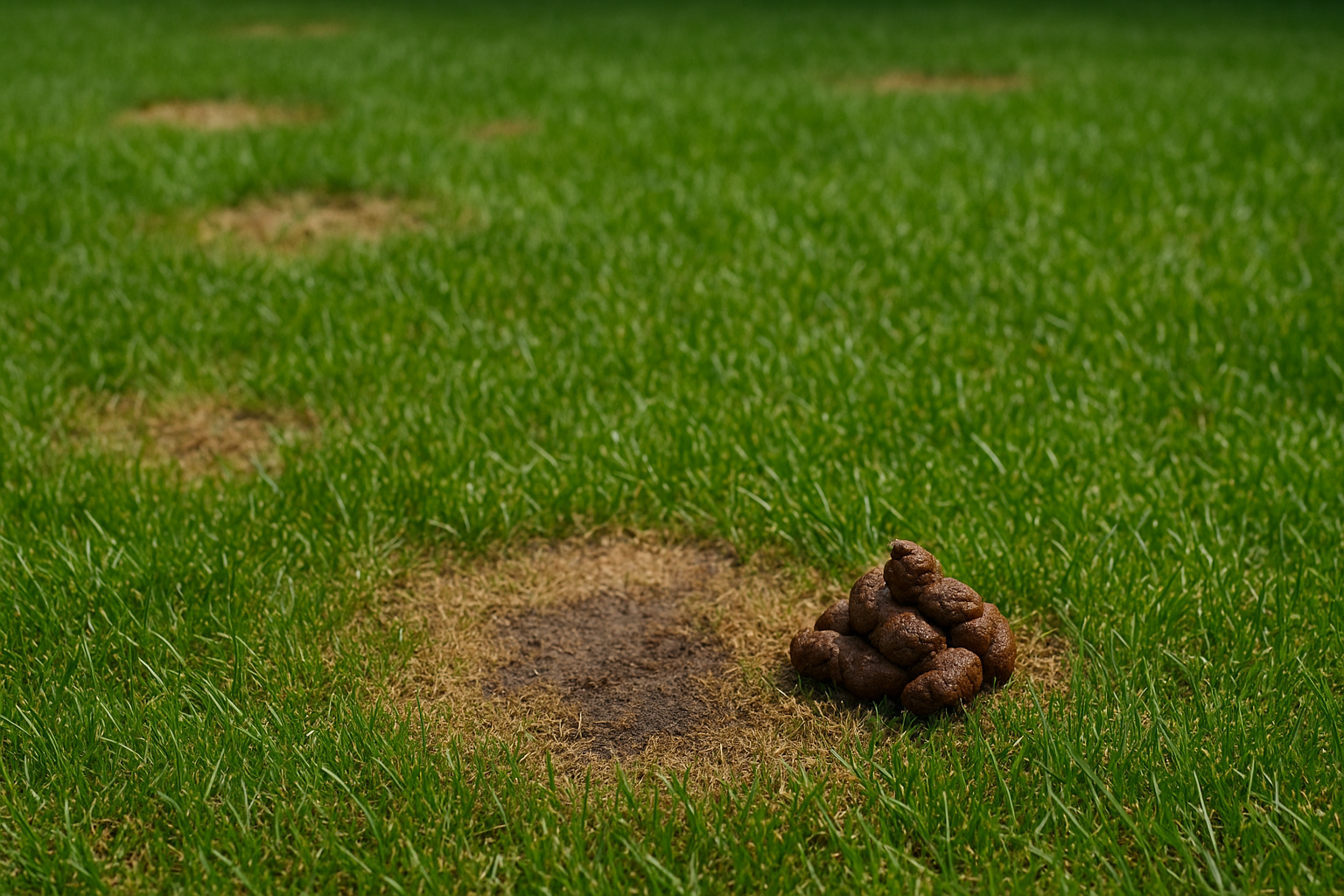
Many dog owners are surprised to learn that dog waste damages grass. Unlike cow manure, dog poop is acidic and high in nitrogen. If left too long, it can cause brown spots, thin grass, and even kill plants.
Some signs of dog waste damage include:
- Brown, dead patches in the lawn
- Weeds growing where grass has died
- Foul smell after rain
A healthy lawn needs regular waste pickup and, sometimes, overseeding to repair damaged spots. Watering the area after removing waste can also help flush out harmful chemicals.
Reducing Dog Waste In Your Yard
The best way to deal with dog waste is to have less of it in the first place. Here are a few ways to reduce the problem:
Train Your Dog To Use A Designated Area
Teaching your pet to go in one spot makes cleanup much easier. Use a gravel or mulch area, and reward your dog for using it. This keeps the rest of your yard cleaner and prevents random damage to the grass.
Adjust Your Dog’s Diet
Dogs fed high-quality food often produce less waste. Talk to your vet about the best diet for your pet. Avoid overfeeding, which leads to more frequent and larger stools.
Walk Your Dog More Often
Letting your dog go on walks (and picking up waste during walks) means less mess in your yard. Always carry bags and clean up after your pet in public spaces.
The Environmental Impact Of Dog Waste
Dog waste is a bigger environmental issue than most people think. In the US, dogs produce about 10 million tons of waste each year. When left on the ground, this waste can wash into storm drains and pollute rivers, lakes, and beaches.
Dog poop is one of the main sources of E. coli contamination in urban waterways. In some cities, up to 30% of bacteria in water tests come from pet waste. Responsible disposal helps protect both your family and your community.
For more on the science, see the EPA’s pet waste information at EPA Stormwater Facts.
Comparing Popular Pet Waste Disposal Products
With so many products available, it’s hard to know what works best. Here’s a side-by-side look at some popular options:
| Product | Type | Average Price | Pros | Cons |
|---|---|---|---|---|
| Nature’s Miracle Jaw Scooper | Pooper Scooper | $20 | Easy to use, lightweight | Can struggle with soft waste |
| Doggie Dooley 3000 | Disposal System | $60 | Eco-friendly, low odor | Needs soil with good drainage |
| Earth Rated Bags | Waste Bags | $8 (120 bags) | Biodegradable, strong | Still takes time to break down in landfill |
| Scoopy Doo Service | Professional Removal | $15/visit | No effort needed, reliable | Ongoing cost |
Smart Tips Most Dog Owners Miss
- Use lime to neutralize odors: After picking up dog poop, sprinkle garden lime on the spot. This helps break down any residue and neutralizes smells faster.
- Mark your calendar: Set a reminder on your phone to do a weekly deep clean, even if you pick up daily. It’s easy to miss hidden piles, especially in tall grass.
- Keep supplies at every exit: Leave waste bags or a scooper near every door to the yard. This makes it easier to clean up right away instead of waiting until later.
- Rotate high-traffic areas: If your dog uses the same spot every time, move it every few months to prevent soil damage.
Health Risks Of Dog Waste
Dog poop can carry parasites like roundworms and hookworms, which can infect people, especially children. These parasites can survive in soil for months, making it risky for barefoot play or gardening. Picking up waste promptly and washing hands after yard work helps prevent illness.
In rare cases, dog waste can also carry giardia or campylobacter, leading to stomach problems in humans. Always use gloves or a bag to avoid direct contact, and wash tools regularly.
Credit: www.dogbutlerct.com
Handling Dog Waste In Bad Weather
Rain, snow, and heat all make dog waste cleanup harder. In winter, frozen poop can be tough to remove—try a metal scooper. After heavy rain, waste breaks down but can spread bacteria over a wider area. Clean up as soon as possible after storms.
In hot weather, flies breed quickly in waste. Pick up more often and consider using a yard-safe disinfectant spray.
Frequently Asked Questions
What’s The Safest Way To Dispose Of Dog Waste?
The safest way is to bag it (preferably in a biodegradable bag) and put it in your regular trash. Don’t flush it unless your city allows it, and never compost it with food or use it on edible plants.
Can I Flush Dog Poop Down The Toilet?
Some cities allow flushing dog waste, but many do not. Check your local rules first. Never flush bags, even if they’re labeled flushable.
Is Dog Waste Really Bad For The Environment?
Yes. Dog waste contains bacteria and nutrients that can pollute water supplies. It’s a major source of urban water contamination if not picked up and disposed of properly.
How Often Should I Pick Up Dog Waste From My Yard?
Pick up dog waste at least once daily. In yards with many dogs, or during hot weather, consider picking up twice a day to prevent smell and health risks.
Can I Use Dog Poop As Fertilizer For My Lawn?
No. Dog poop is too acidic and contains pathogens. It can damage grass and spread disease. Only use composted dog waste on non-edible plants, and only if composted properly.
Dealing with dog waste in your yard might feel like a chore, but it’s part of responsible pet ownership. By choosing the right method, picking up regularly, and using smart tools, you’ll keep your yard clean, your family safe, and your neighbors happy. Every step you take helps your community and the environment, making life with your dog more enjoyable for everyone.
Credit: www.dogbutlerct.com