Last Updated on September 26, 2026
Picking up dog poop in your yard might seem like a small chore, but it plays a big role in keeping your outdoor space clean, safe, and pleasant. Dog waste is not just an eyesore; it can carry bacteria, attract flies, and even harm your lawn if left too long.
With so many methods and tools available, it’s easy to feel unsure about the best way to handle this task. Let’s explore the most effective and hygienic ways to pick up dog poop in your yard, along with some smart tips that many pet owners overlook.
Why Picking Up Dog Poop Matters
Many people think that leaving dog poop in the yard is harmless—it will break down naturally, right? Actually, dog waste can cause several problems:
- It contains harmful bacteria like E. coli and Salmonella.
- It can wash into storm drains and pollute waterways.
- It may carry parasites such as roundworms and hookworms.
- It makes your yard less enjoyable for family, pets, and guests.
According to the Environmental Protection Agency (EPA), pet waste is a significant source of water pollution in urban areas. Picking up after your dog is not just about neatness—it protects health and the environment.
Main Methods For Picking Up Dog Poop In The Yard
Several methods can keep your hands clean and your yard tidy. Each option has its own pros and cons, so let’s compare them to help you choose the best fit.
1. Pooper Scooper
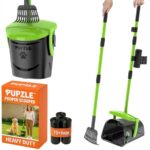
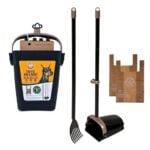
A pooper scooper is a popular tool for dog owners. It usually has a long handle, so you don’t have to bend down or get too close. Most scoopers have a rake and a bin or a clamp-style grabber.
Pros:
- Keeps your hands far from the poop.
- Good for picking up soft or firm waste.
- Reduces back strain.
Cons:
- Needs cleaning after use.
- Takes up storage space.
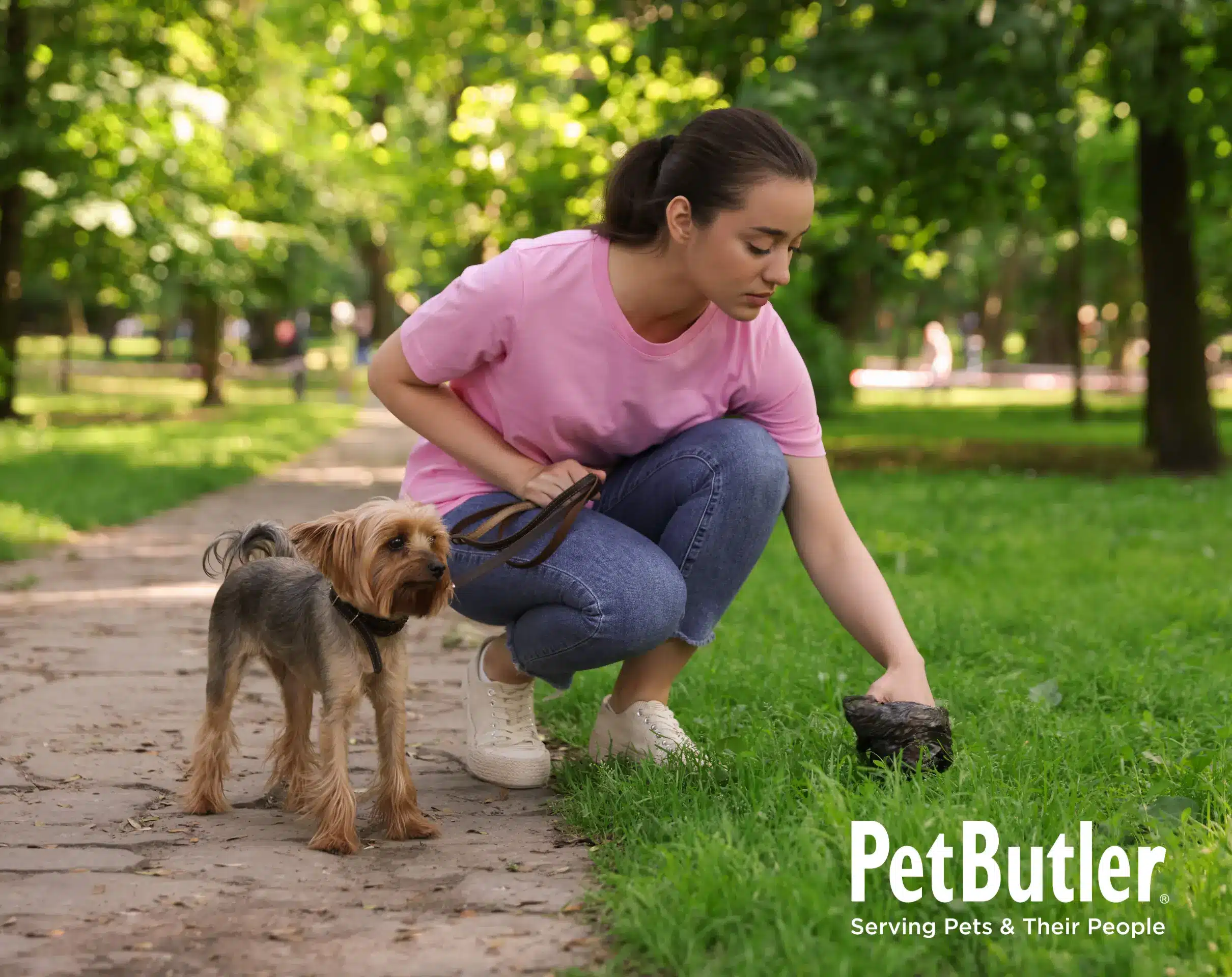
2. Biodegradable Poop Bags
Biodegradable bags allow you to pick up poop with your hand protected. These bags break down faster than plastic, making them better for the environment.
Pros:
- Simple to use.
- Easy to tie and toss.
- Portable.
Cons:
- Still creates waste.
- Can break if not handled carefully.
3. Dog Poop Rake And Dustpan
This method works well for larger yards with more waste. The rake scrapes up the poop into a dustpan, which you then empty into a trash bag or compost bin.
Pros:
- Good for gravel, mulch, or grass.
- Handles multiple piles quickly.
Cons:
- Not ideal for runny stools.
- Requires cleaning.
4. Shovel And Bucket
A basic shovel and bucket can be very effective, especially for larger dogs. It’s also reusable, which cuts down on waste.
Pros:
- Durable and long-lasting.
- No need to buy bags.
Cons:
- Must be cleaned after each use.
- Heavier to carry around.
5. Dog Poop Vacuum
Yes, there are vacuums designed just for dog waste! These battery-powered devices suck up poop, keeping your hands and tools clean.
Pros:
- Touch-free and hygienic.
- Fast for large yards.
Cons:
- Expensive.
- Needs charging and occasional maintenance.
6. Composting Dog Waste
Some owners use a special dog waste composter. This is a sealed unit that breaks down poop with natural enzymes, turning it into harmless material (not for use on food gardens).
Pros:
- Eco-friendly.
- Reduces landfill waste.
Cons:
- Requires setup and occasional enzyme refills.
- Not suitable for all climates.
7. Flushable Dog Poop Bags
Flushable bags allow you to pick up the poop, then flush the bag and contents down your toilet (if your plumbing supports it).
Pros:
- Reduces landfill use.
- Simple and quick.
Cons:
- Not all plumbing can handle them.
- More expensive than regular bags.
Credit: www.petbutler.com
Comparing Popular Dog Poop Pickup Methods
Here’s a quick look at how the main methods stack up for convenience, cost, and eco-friendliness.
| Method | Convenience | Cost | Eco-Friendly |
|---|---|---|---|
| Pooper Scooper | High | Medium | Good (reusable) |
| Biodegradable Bags | High | Low | Better than plastic |
| Rake & Dustpan | Medium | Low | Good (reusable) |
| Shovel & Bucket | Medium | Low | Good (reusable) |
| Poop Vacuum | Very High | High | Good (reusable) |
| Composting | Medium | Medium | Excellent |
| Flushable Bags | High | Medium | Excellent |
Step-by-step: The Best Way To Pick Up Dog Poop In Your Yard
Most pet experts agree that using a pooper scooper or biodegradable bags offers the best balance of cleanliness, speed, and eco-friendliness. Here’s how to do it right:
- Gather your tools: Pooper scooper (or rake/dustpan), biodegradable bags, gloves (optional), and a trash bin or compost system.
- Locate the poop: Walk your yard in a grid pattern so you don’t miss any piles.
- Scoop or grab the waste: Use the scooper or bag to collect the poop. If using a bag, turn it inside-out around your hand to keep clean.
- Seal and dispose: If using a bag, tie it tightly and place it in the trash. For composting, empty into your pet waste composter.
- Clean your tools: Rinse the scooper, rake, or bucket with water and a little soap to avoid odors and bacteria buildup.
- Wash your hands: Even if you wore gloves, always wash your hands thoroughly.
Pro Tips For A Cleaner Yard
- Scoop daily: Picking up every day makes the job faster and prevents waste from sinking into the grass.
- Mark the “poop zone”: If possible, train your dog to use a specific spot in your yard. This makes cleanup easier and keeps the rest of your lawn clean.
- Use lime for odors: If your yard starts to smell, sprinkle garden lime on affected spots to neutralize odor and break down waste.
- Wet waste? Wait a bit: If the poop is very soft or wet, let it dry for a few hours before scooping. This makes it easier to pick up and reduces smearing.
:strip_icc()/GettyImages-1172177946-c6004f53d0c04b638be6331033cac082.jpg)
Credit: www.thesprucepets.com
Mistakes To Avoid When Picking Up Dog Poop
Many owners make small errors that can lead to bigger problems. Watch out for these common mistakes:
- Leaving waste too long: Waiting days or weeks allows bacteria to spread and attracts pests.
- Using regular plastic bags: These take hundreds of years to break down. Switch to biodegradable options.
- Forgetting to clean tools: Dirty scoopers can spread germs and smell bad.
- Composting the wrong way: Never use dog waste compost on food plants—only use it for flowers or non-edible landscaping.
Health And Safety Considerations
Dog poop contains more than just waste—it can have parasites, pathogens, and even viruses. These can affect children, other pets, and even adults. Always:
- Wear gloves if you have cuts or sensitive skin.
- Wash hands thoroughly after every cleanup.
- Disinfect tools at least once a week with a solution of one part bleach to ten parts water.
According to the Centers for Disease Control and Prevention, roundworm infections from dog waste can lead to serious health issues, especially in children. Safe handling is a must.
Best Tools For Picking Up Dog Poop
Not all tools are created equal. Here’s a quick side-by-side look at the most popular options for home use.
| Tool | Best For | Price Range | Notes |
|---|---|---|---|
| Clamp-Style Scooper | Grass, hard soil | $15–$30 | Easy to use, less bending |
| Rake and Bin Set | Gravel, mulch, large yards | $20–$35 | Good for multiple dogs |
| Bag Dispenser | Walks, small yards | $5–$15 | Portable |
| Dog Waste Vacuum | All surfaces | $75–$200 | High-tech, less mess |
| Flushable Bag | Home with suitable plumbing | $10–$20/pack | Quick disposal |
Eco-friendly Disposal Options
Pet waste can add up in landfills. Here’s how you can reduce your environmental impact:
- Biodegradable bags break down faster than plastic.
- Composters allow you to recycle waste safely (not for food gardens).
- Flushable bags send waste to sewage treatment, not landfills.
- Some cities offer pet waste collection services—check if this is available in your area.
For more information on eco-friendly pet waste solutions, see the American Kennel Club’s guide: American Kennel Club.
Hidden Insights Most Owners Miss
- Dog poop can burn your lawn: The high nitrogen in waste creates brown spots. Picking up quickly keeps grass healthy.
- Winter is not a break: Even in cold weather, frozen waste can pile up. Try not to wait for spring to clean everything at once.
- Train your dog to use a single area: Some owners use a patch of mulch or gravel, so the rest of the yard stays clean. It takes patience but saves time later.
Frequently Asked Questions
How Often Should I Pick Up Dog Poop In My Yard?
Ideally, pick up daily. This keeps odors and bacteria down and protects your lawn. If you have multiple dogs, you may need to do it more than once a day.
Can I Use Dog Poop As Fertilizer?
No, dog waste should not be used on food gardens. It can spread parasites and bacteria. Only use it in a special pet waste composter for non-edible plants.
What If My Dog’s Poop Is Very Soft Or Runny?
Let it dry out a bit before trying to pick it up. If it’s very messy, use a bit of sand or kitty litter to solidify it, then scoop as usual.
Are Flushable Poop Bags Safe For All Plumbing?
No, only use flushable bags if your plumbing and local sewage system can handle them. Check with your city or plumber first.
What’s The Safest Way To Clean Poop From Gravel Or Rocks?
A rake and dustpan work best. For small bits, use a garden hose on a gentle spray to wash residue into the soil (away from play areas).
Picking up dog poop is not anyone’s favorite task, but with the right tools and habits, you can keep your yard clean, healthy, and welcoming. Choose the method that fits your lifestyle and yard best—your family, pets, and neighbors will appreciate it.

Credit: www.townofclaytonnc.org