Last Updated on October 5, 2026
Are you tired of filling your trash bin with plastic bags every time you clean your cat’s litter box? You’re not alone.
Finding a way to dispose of cat litter without adding more plastic waste can feel tricky. But what if you could keep your home clean and protect the environment at the same time? This article will show you simple, smart ways to ditch plastic bags for good.
Keep reading to discover easy steps that make a big difference for you and the planet.
Types Of Cat Litter And Their Impact
Cat litter types vary widely and affect disposal methods. Each kind has a unique impact on the environment and your daily routine. Choosing the right litter can reduce waste and make cleanup easier. Understanding these differences helps you find eco-friendly options.
Clay-based Litter Challenges
Clay litter is common but not eco-friendly. It comes from strip mining, which harms the land. This litter does not break down easily in nature. It often ends up in landfills, adding to pollution. Clay litter also creates heavy waste that is hard to manage without plastic bags.
Natural And Biodegradable Options
Natural litters use materials like corn, wheat, or wood. These litters break down faster than clay. They are lighter and easier to compost at home. Many natural litters absorb odors well without chemicals. They reduce plastic use because they can be disposed of in paper bags or compost bins.
Compostable Litters Explained
Compostable litters are designed to break down fully. They often contain plant fibers or recycled materials. These litters can be added to home compost piles safely. Composting helps turn waste into useful soil for gardens. Using compostable litter supports a zero-waste lifestyle and cuts down on landfill trash.
Credit: www.catster.com
Why Avoid Plastic Bags
Many cat owners use plastic bags to dispose of cat litter. It seems easy and clean. But plastic bags cause many problems for the environment. Avoiding them helps reduce waste and pollution. Choosing other ways to throw away cat litter is better for the planet.
Environmental Harm Of Plastic
Plastic bags take hundreds of years to break down. They fill up landfills and harm animals. Wildlife can eat plastic or get trapped in it. Plastic also releases harmful chemicals as it breaks down. These chemicals pollute soil and water. Using plastic bags adds to this growing problem.
Alternatives To Plastic Bags
Paper bags can hold cat litter and break down quickly. Compostable bags are made to decompose safely. Using old newspapers to wrap litter is a good option. Some people use reusable containers for litter disposal. These choices reduce plastic waste and help the environment.
Eco-friendly Disposal Methods
Disposing of cat litter without plastic bags helps reduce waste and pollution. Many cat owners want easy, safe ways to handle waste that protect the environment. Eco-friendly disposal methods offer practical solutions. These methods keep your home clean and reduce harm to nature.
Composting Cat Litter Safely
Composting cat litter saves landfill space and creates useful soil. Use only natural, biodegradable litter like wood, paper, or corn. Avoid composting litter with clay or chemicals.
Keep cat waste separate from vegetable compost. Use a special compost bin to avoid smells and bacteria. Let the compost break down fully before use. This method turns waste into nutrient-rich soil for non-edible plants.
Using Biodegradable Bags
Biodegradable bags break down faster than regular plastic bags. They reduce long-lasting plastic waste in landfills. These bags are made from plant materials like cornstarch.
Use biodegradable bags to scoop cat litter. Tie the bag tightly and dispose of it in the trash. Ensure the bag is certified biodegradable for best results. This option is simple and reduces plastic use.
Flushing Cat Waste Options
Some cat litters are safe to flush down the toilet. Look for flushable litter made from natural materials. Avoid clumping clay litters for flushing.
Flush small amounts of waste at a time to prevent clogs. Check local laws about flushing cat waste. This method can be hygienic and reduce trash volume.
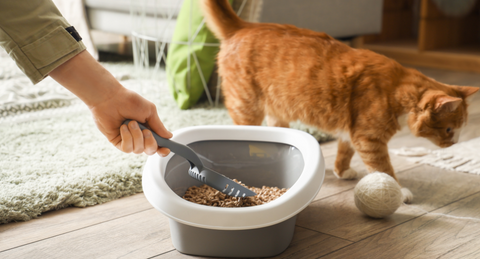
Credit: byndgrn.com
Diy Solutions For Waste Management
Managing cat litter waste without plastic bags helps reduce plastic use. It saves money and benefits the environment. Simple DIY methods can make waste disposal easier and cleaner at home.
These ideas use materials you likely already have. They help keep waste contained and reduce odors. DIY solutions also cut down on trash and plastic waste.
Reusable Containers And Liners
Choose sturdy containers with tight lids to store used cat litter. Plastic or metal bins work well for this purpose. Line the container with washable fabric or silicone liners.
These liners catch the litter and can be rinsed out after use. This method avoids single-use plastic bags. It also keeps odors sealed in the container.
Empty the litter into the trash or compost once the container is full. Wash the liners and container regularly to maintain hygiene. This system is simple and reduces plastic waste significantly.
Homemade Compost Bin Ideas
Create a compost bin specifically for biodegradable cat litter. Use wood or plastic crates with ventilation holes for airflow. Layer the litter with dry leaves, sawdust, or newspaper.
Keep the compost moist but not wet to speed decomposition. Turn the pile every few days to add oxygen. This breaks down the waste faster and reduces smell.
Use the finished compost in your garden if you use natural litter. Avoid composting clay-based litters, as they do not break down well. Homemade bins help recycle waste and reduce landfill trash.
Tips To Reduce Cat Litter Waste
Reducing cat litter waste helps the environment and saves money. Small changes in litter habits make a big difference. Focus on smart litter box care and better litter choices. These tips cut down waste without adding hassle.
Litter Box Maintenance Hacks
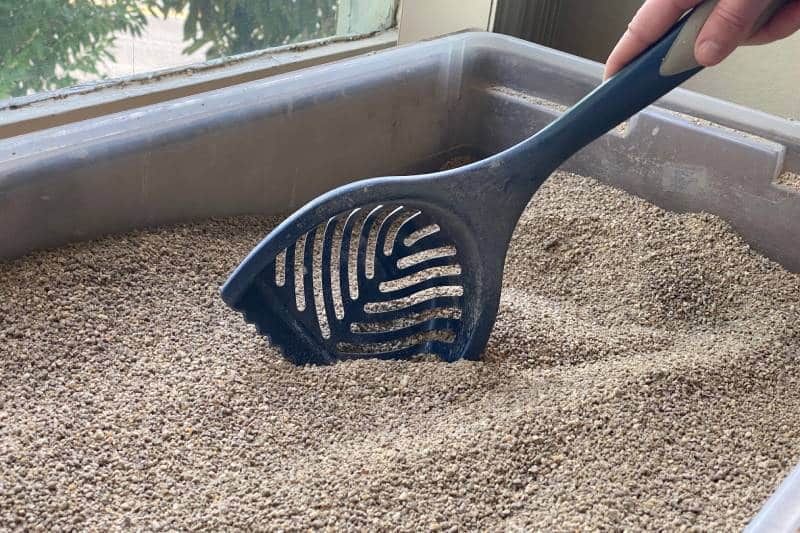
Clean the litter box daily to keep it fresh longer. Scoop out clumps and solid waste regularly. Using a sifter box helps remove waste without wasting clean litter. Wash the litter box with mild soap weekly to prevent odors. Avoid overfilling the box; less litter means less waste. Rotate the litter fully every two weeks to keep it effective.
Choosing High-absorbency Litters
Pick litters that clump tightly to reduce waste. High-absorbency litters last longer and need less replacing. Clay-based litters often waste more due to poor absorption. Natural litters like wood pellets or corn absorb better and break down faster. Try litters with biodegradable ingredients to lower environmental impact. Experiment with small amounts to find what works best for your cat.
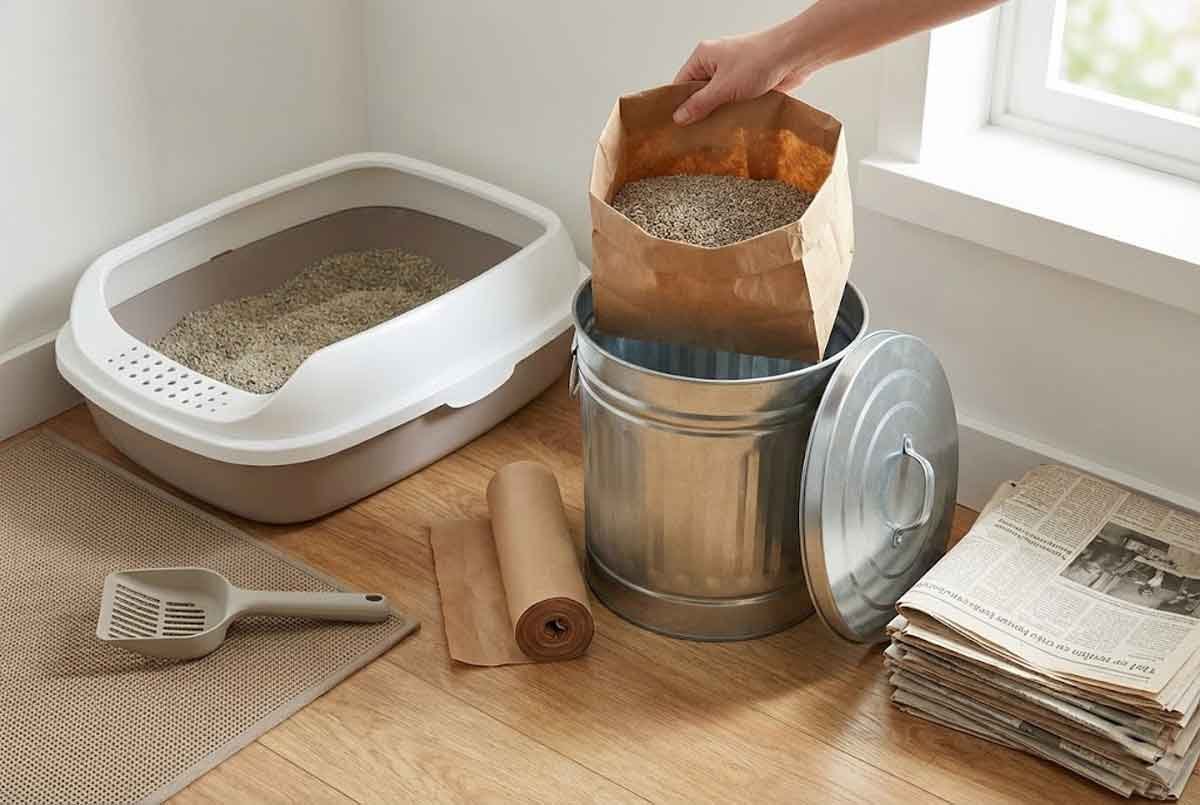
Credit: ecopawsible.com
Community Resources And Programs
Community resources and programs play a big role in reducing plastic waste from cat litter disposal. Many towns and cities offer special ways to handle pet waste without using plastic bags. These options help keep the environment clean and safe.
Local Composting Initiatives
Some communities have composting programs that accept pet waste. These programs turn waste into useful compost. The compost is safe to use for non-edible plants. Not all compost sites accept cat litter, so check local rules first. Using composting reduces landfill waste and plastic bag use.
Pet Waste Collection Services
Certain areas provide pet waste collection services. These services pick up pet waste from homes or public places. The waste is processed in a way that avoids plastic bags. This option is convenient and eco-friendly. Contact your local waste department to learn if this service is available.
Frequently Asked Questions
How Can I Dispose Of Cat Litter Without Plastic Bags?
You can use biodegradable liners, paper bags, or compostable containers. These options reduce plastic waste and are eco-friendly alternatives.
Is Cat Litter Safe For Composting At Home?
Only non-clumping, plant-based litters are safe to compost. Avoid clay or clumping litters, as they don’t break down properly and can harm compost quality.
What Are Eco-friendly Alternatives To Plastic Cat Litter Bags?
Try reusable litter scoops, paper bags, or biodegradable liners. These options help reduce plastic use and promote sustainable litter disposal.
Can I Flush Cat Litter Down The Toilet Safely?
Flushing cat litter is not recommended. It can clog pipes and harm sewage systems. Always dispose of litter in trash or compost properly.
Conclusion
Disposing of cat litter without plastic bags helps reduce waste. Use paper, compostable liners, or biodegradable options instead. Always check local rules for safe disposal methods. Keep your home clean and the environment safer. Small changes make a big difference over time.
Choose simple, eco-friendly ways to handle litter daily. Protect the planet while caring for your cat. This approach fits easy habits and benefits everyone. Try these ideas and see what works best. Your efforts truly matter for a greener future.