
Last Updated on October 20, 2026
Are you tired of sneezing, itchy eyes, and constant discomfort every time you’re around your beloved cat? If so, you’re not alone.
Cat allergies can make it hard to enjoy the company of your furry friend. But what if there was a simple way to ease your symptoms and bring back those happy moments? Benadryl might be the answer you’ve been searching for.
You’ll discover how Benadryl can help with cat allergies, what you need to know before using it, and whether it’s the right choice for you. Keep reading to find relief and get back to loving your cat without the sniffles.

Credit: www.innovetpet.com
How Cat Allergies Affect You
Cat allergies can cause many problems. They affect your daily life and comfort. Understanding how cat allergies affect you is the first step to managing them. Knowing the symptoms and why cats trigger allergies helps you take control.
Many people love cats but suffer from allergy symptoms. These symptoms can be mild or severe. They often start soon after contact with a cat. Recognizing these signs helps you find relief faster.
Common Allergy Symptoms
Allergy symptoms vary but often include sneezing and runny nose. Your eyes may become red, itchy, or watery. Some people experience coughing or wheezing. Skin reactions like rashes or hives can also happen. Symptoms may worsen in places where cats live. These signs usually appear quickly after exposure.
Why Cats Trigger Allergies
Cats produce a protein called Fel d 1. This protein is found in their skin, saliva, and urine. When cats groom themselves, this protein spreads to their fur. It then becomes airborne and settles on surfaces. People breathe in or touch these allergens, causing reactions. Fel d 1 is very sticky and hard to remove. This makes cat allergies common and persistent.
Benadryl Basics
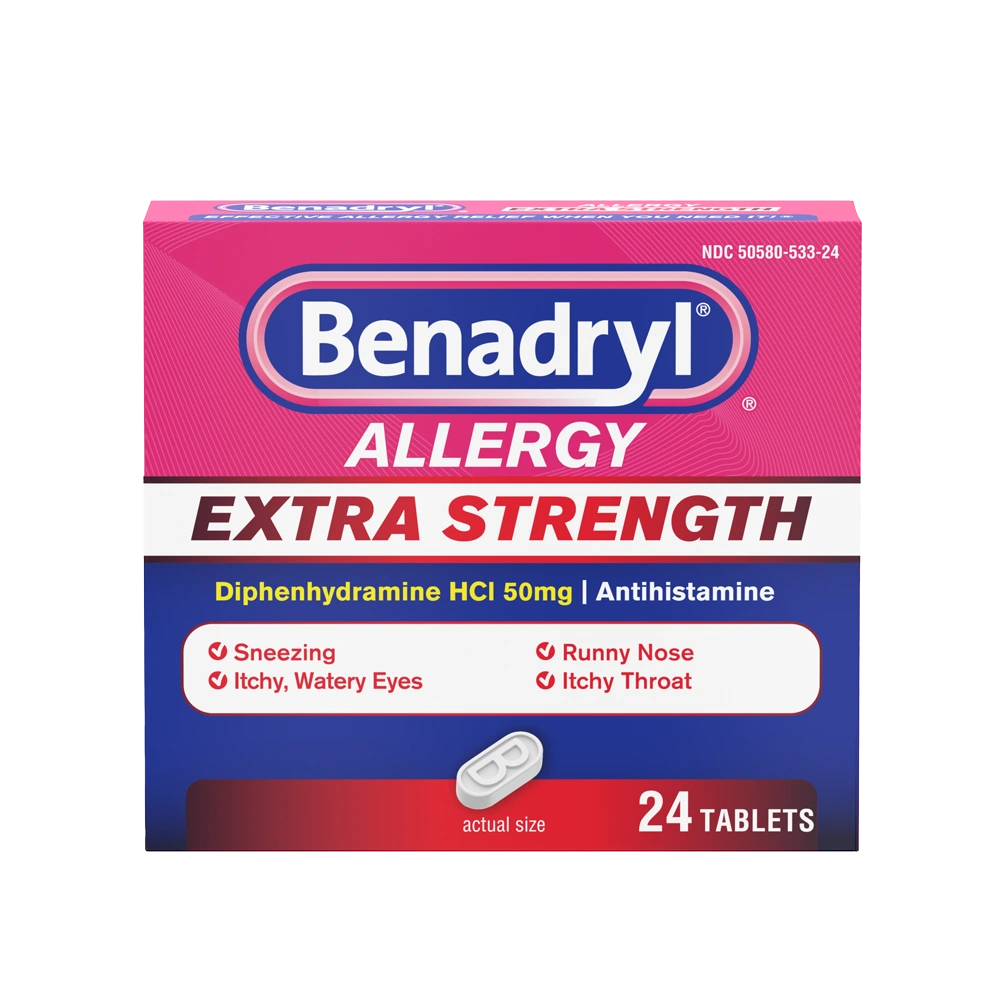
Benadryl is a common medicine used to reduce allergy symptoms. Many people try it for cat allergies. It can help ease sneezing, itching, and watery eyes. Understanding how Benadryl works can guide safe and effective use. Knowing the types available helps in choosing the right form.
What Benadryl Does
Benadryl blocks chemicals in the body that cause allergies. These chemicals trigger itching, swelling, and redness. The medicine helps calm these reactions. It works fast to reduce symptoms from cat dander. It also helps with runny nose and sneezing. Benadryl can make you feel sleepy. This is common and should be considered before use.
Types Of Benadryl Available
Benadryl comes in many forms. The most common are tablets and liquid. Tablets are easy to carry and take. Liquid form is good for those who dislike swallowing pills. There are also creams for skin allergies. These can soothe itchy rashes. Always read the label for proper dosage. Use the form that fits your needs best.
Using Benadryl For Cat Allergies
Benadryl is a common choice for easing cat allergy symptoms. It helps reduce sneezing, itching, and watery eyes caused by pet dander. Many people find quick relief using this antihistamine. Yet, proper use matters to keep safe and effective results.
Proper Dosage Guidelines
Adults typically take 25 to 50 mg of Benadryl every 4 to 6 hours. Do not exceed 300 mg in one day. For children, dosing depends on age and weight. Always read the label or ask a doctor. Never give Benadryl to a child without medical advice.
Timing And Frequency
Take Benadryl at the first sign of allergy symptoms. It works best when taken early. Space doses evenly throughout the day. Avoid taking it too close together. This prevents overdose and keeps medicine levels stable. Avoid driving or operating machines after taking Benadryl. It can cause drowsiness.
Potential Side Effects
Common side effects include drowsiness, dry mouth, and dizziness. Some people may feel restless or have trouble sleeping. Severe reactions are rare but possible. Stop use and seek help if breathing becomes difficult or swelling occurs. Always use the lowest effective dose to limit side effects.
Credit: www.benadryl.com
Safety Precautions
Using Benadryl for cat allergies requires care. Safety comes first when taking any medicine. Understanding who should avoid Benadryl and how it interacts with other drugs helps keep you safe. Read these safety tips before starting Benadryl for allergies.
Who Should Avoid Benadryl
People with certain health problems should skip Benadryl. Avoid it if you have glaucoma or trouble urinating. Those with asthma or breathing issues need extra caution. Children under two years old should not take Benadryl. Pregnant or breastfeeding women should ask a doctor first. Always check with a healthcare provider if unsure.
Interactions With Other Medications
Benadryl can mix poorly with some drugs. Avoid combining it with sleeping pills or muscle relaxants. Taking it with alcohol increases drowsiness and risk. Other allergy medicines might cause too much sedation if used with Benadryl. Tell your doctor about all medicines you take. This helps prevent harmful interactions and side effects.
Alternative Allergy Relief Options
Finding relief from cat allergies does not always mean relying on Benadryl. Many people seek other ways to reduce symptoms. Alternative options can help manage allergy reactions safely and effectively.
These options include natural remedies and different medications. They might suit those who want fewer side effects or want to avoid drowsiness. Trying various methods can lead to better comfort and less irritation.
Non-medication Remedies
Keeping your home clean reduces cat allergens in the air. Use a vacuum with a HEPA filter to trap tiny particles. Washing your hands after petting cats lowers the chance of irritation.
Using air purifiers can help remove allergens from rooms. Avoid letting cats on your bed or furniture. This limits exposure to allergens where you rest.
Regular grooming of your cat also decreases dander. Brushing your cat outside prevents allergen spread inside. These simple steps can ease allergy symptoms naturally.
Other Antihistamines To Consider
Several antihistamines offer allergy relief without strong drowsiness. Loratadine and cetirizine are popular choices for many. These drugs block histamine that causes sneezing and itching.
Fexofenadine is another option that works well for cat allergy symptoms. These medicines usually have fewer side effects than Benadryl. They can be taken daily for steady allergy control.
Always check with a doctor before starting new medication. They can guide the best choice based on your health and allergy severity.
Managing Cat Allergies Long-term
Managing cat allergies long-term requires ongoing effort and smart choices. Taking steps to reduce exposure and adjust daily habits can help lessen symptoms. Over time, these changes may improve comfort and reduce the need for medication like Benadryl.
Reducing Allergen Exposure At Home
Keep your home clean to lower cat allergens. Vacuum floors and furniture often using a vacuum with a HEPA filter. Wash bedding and curtains regularly in hot water. Use air purifiers to trap airborne allergens. Designate cat-free zones, especially in bedrooms. Keep cats off upholstered furniture and beds. Groom your cat outside to reduce dander inside. These steps help keep allergens at a minimum.
Lifestyle Changes For Relief
Wash your hands after touching your cat. Avoid touching your face during or after contact. Change clothes after playing or cuddling. Consider allergy-proof covers for pillows and mattresses. Use saline nasal sprays to clear allergens from your nose. Stay hydrated to keep your throat moist. Talk with your doctor about allergy shots or other treatments. Small changes can make a big difference in feeling better.
Credit: www.innovetpet.com
Frequently Asked Questions
Can Benadryl Help Relieve Cat Allergy Symptoms?
Yes, Benadryl can reduce allergy symptoms caused by cats. It blocks histamine, relieving sneezing, itching, and watery eyes quickly.
Is Benadryl Safe For Cats With Allergies?
Benadryl is sometimes used for cats, but only under vet guidance. Dosage and safety depend on the cat’s health and size.
How Long Does Benadryl Take To Work For Allergies?
Benadryl usually starts working within 30 to 60 minutes after oral intake. Effects can last about 4 to 6 hours.
Can Benadryl Prevent Cat Allergy Reactions Entirely?
Benadryl helps manage symptoms but does not prevent allergy reactions fully. Avoiding allergens is the best prevention method.
Conclusion
Benadryl can help reduce cat allergy symptoms for many people. It works by blocking histamine, which causes itching and sneezing. Always follow the dosage instructions on the package or your doctor’s advice. Watch for side effects like drowsiness or dry mouth.
Remember, Benadryl treats symptoms but does not cure allergies. Consider other ways to reduce exposure, such as cleaning often and using air filters. Talk to your doctor before starting any new medicine. Managing cat allergies takes time and care. Stay patient and keep your health a priority.