Last Updated on October 19, 2026
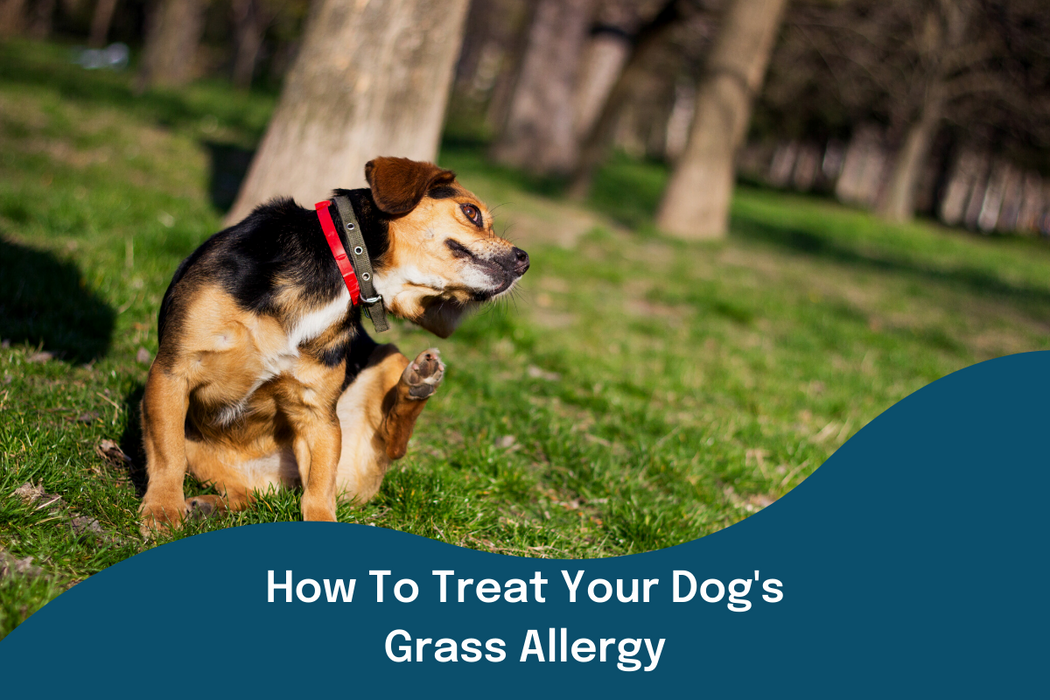
If your dog starts sneezing, scratching, or licking their paws every time they play outside, they might be dealing with grass allergies. It’s tough to see your furry friend uncomfortable, and you want to help them feel better fast.
But how do you know what’s causing their irritation? And more importantly, what can you do about it? You’ll discover simple, effective ways to identify and treat your dog’s grass allergies, so they can enjoy the outdoors without the itch.
Keep reading to learn how to bring relief to your best friend’s life today.
Credit: www.buddyandlola.co.uk
Symptoms Of Grass Allergies In Dogs
Grass allergies in dogs can cause many uncomfortable symptoms. Knowing these signs helps you act fast. Dogs react differently, but some symptoms are common. Recognizing them early can improve your dog’s comfort and health.
Common Signs To Watch For
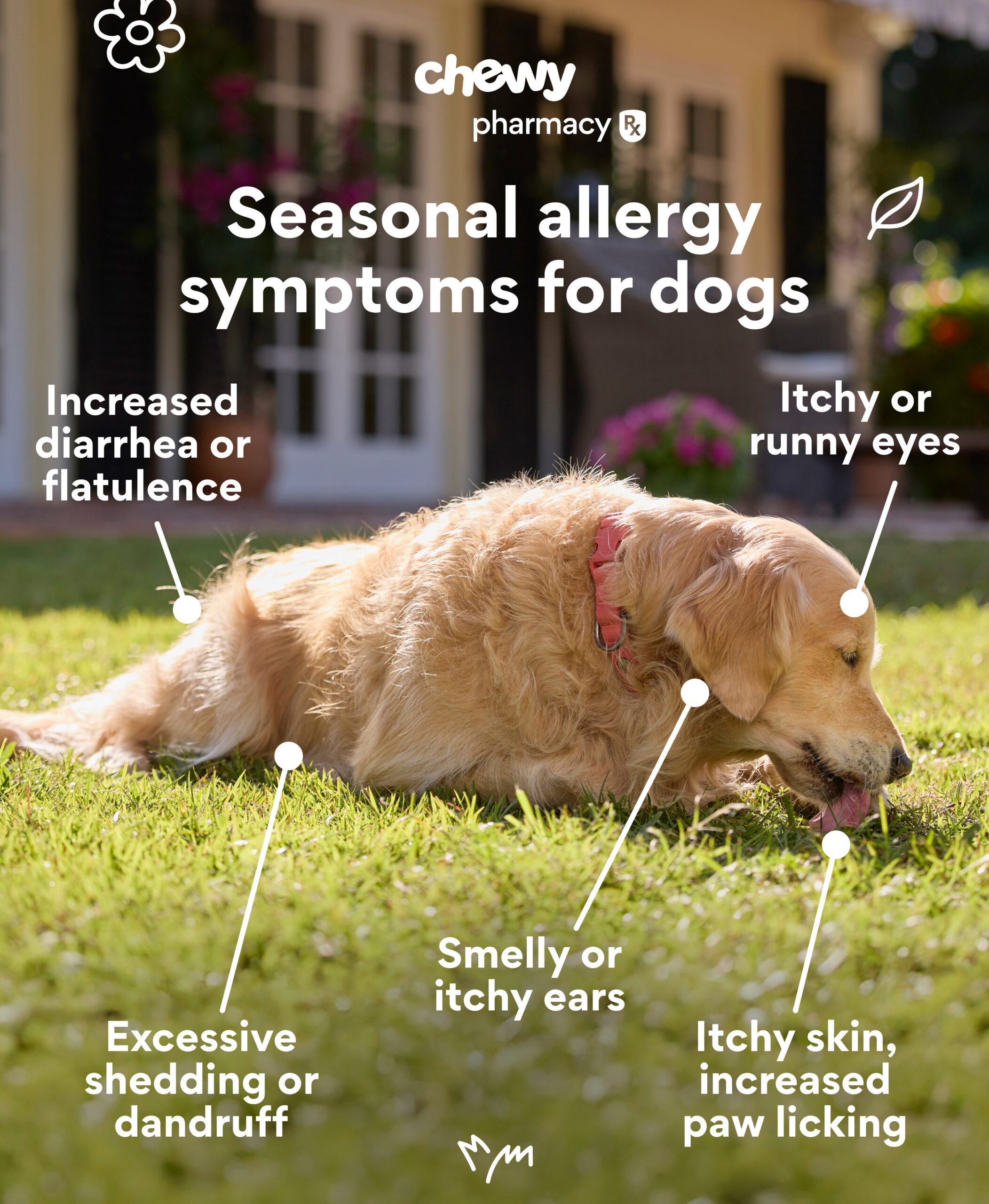
Dogs with grass allergies often scratch their skin a lot. Red, inflamed skin is a frequent sign. You might see bumps or rashes. Hair loss happens in areas where the dog scratches most. Some dogs lick their paws excessively. Sneezing and watery eyes can also occur. These symptoms often appear after your dog spends time outside.
Behavioral Changes And Discomfort
Discomfort from allergies can change your dog’s behavior. Your dog may seem restless or irritable. It might avoid playing or walking outside. Some dogs become quieter or withdrawn. Scratching and licking can disturb their sleep. These changes show your dog is not feeling well. Watching for these signs helps you know when to seek help.
Causes Of Grass Allergies In Dogs
Grass allergies in dogs happen when their immune system reacts to certain grasses. These reactions cause itching, redness, and discomfort. Understanding the causes helps in managing and treating these allergies effectively.
Different types of grasses release pollen and other allergens. These tiny particles can irritate a dog’s skin and respiratory system. The allergy signs often appear during seasons when grass pollen is high.
Types Of Grass That Trigger Allergies
Some grasses are more likely to cause allergies in dogs. Bermuda grass, Timothy grass, and Ryegrass are common culprits. These grasses produce pollen that can irritate sensitive dogs.
Kentucky bluegrass and Bahia grass also cause reactions in many dogs. Dogs exposed to these grasses often show symptoms like scratching and sneezing. Knowing these types helps avoid or reduce exposure.
How Allergies Develop In Dogs
Allergies develop when a dog’s immune system mistakes harmless pollen as a threat. This triggers the release of histamines, causing itching and swelling. Repeated exposure worsens the allergic reaction over time.
Young dogs can develop allergies after a few exposures. Some breeds are more prone to allergies due to genetics. Early signs include licking paws and rubbing the face on grass.
Home Remedies For Relief
Dealing with dog grass allergies can be tough for both pets and owners. Home remedies offer gentle ways to ease your dog’s discomfort. These methods help reduce itching and skin irritation naturally. They support your dog’s health without harsh chemicals or medicines.
Bathing And Skin Care Tips
Regular baths help wash off pollen and grass particles. Use a mild, hypoallergenic shampoo made for dogs. Avoid human shampoos as they can dry your dog’s skin. Rinse thoroughly to remove all soap residue. Pat dry gently with a soft towel. Do not rub vigorously to avoid irritating the skin. Bathing once a week can reduce allergy symptoms. Brush your dog’s coat often to remove allergens and loose fur. Keep your dog’s nails trimmed to prevent skin damage from scratching.
Using Natural Soothing Agents
Natural ingredients can calm itchy and inflamed skin. Oatmeal baths are great for soothing irritation. Grind plain oats into a fine powder and mix with warm water. Soak your dog for 10 to 15 minutes. Aloe vera gel also helps reduce redness and itching. Use pure aloe vera without added chemicals. Coconut oil is another option to moisturize dry skin. Apply a small amount to affected areas. Always test on a small skin patch first to check for reactions. These natural agents support healing and comfort for your dog.
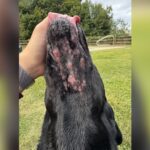
Credit: www.reddit.com
Medical Treatments Available
Medical treatments can help ease your dog’s grass allergy symptoms. They reduce itching, swelling, and discomfort. These treatments improve your dog’s quality of life.
Your vet will suggest the best options based on your dog’s condition. Some medications work quickly. Others take time but provide long-term relief.
Antihistamines And Medications
Antihistamines block the chemicals that cause allergy symptoms. They reduce itching and swelling in many dogs. These medicines are often the first step in treatment.
Some dogs need stronger medications like corticosteroids. These reduce severe inflammation and allergic reactions. Your vet will decide the right dose and length of treatment.
Medicines come in pills, liquids, or sprays. Follow your vet’s instructions carefully for safe use.
Immunotherapy Options
Immunotherapy helps your dog’s immune system get used to allergens. It reduces the allergy’s strength over time. This treatment may take months to show results.
Allergy shots are a common form of immunotherapy. Your vet gives small doses of grass allergens regularly. Your dog builds tolerance and suffers less from allergies.
Another option is oral drops, given under the tongue. Both methods require patience but can provide lasting relief.
Preventing Grass Allergies
Preventing grass allergies in dogs reduces itching and discomfort. It also lowers the risk of infections caused by constant scratching. Taking steps to limit contact with grass allergens helps keep your dog healthier and happier.
Limiting Exposure To Allergens
Keep your dog away from tall or freshly cut grass. Avoid walking your dog in fields with heavy pollen during spring and summer. Wipe your dog’s paws and fur after outdoor play to remove pollen and grass particles. Use pet-friendly wipes or a damp cloth for cleaning. Regular baths help wash off allergens from your dog’s skin and coat.
Creating A Dog-friendly Yard
Plant allergy-safe grass or ground cover in your yard. Choose varieties less likely to cause allergic reactions. Keep your lawn mowed short to reduce pollen spread. Remove weeds and plants that trigger allergies. Create shaded areas with hard surfaces like gravel or mulch for your dog to rest. This limits grass contact and keeps your pet comfortable.
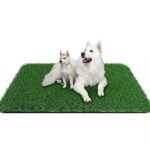
Credit: www.chewy.com
When To See A Veterinarian
Knowing when to visit a veterinarian is key in managing your dog’s grass allergies. Some symptoms need expert care to avoid serious health problems. Acting fast can make your dog’s recovery easier and quicker.
Identifying Severe Reactions
Severe allergic reactions can cause trouble breathing or swelling of the face. Your dog may scratch or lick paws until they bleed. Vomiting or diarrhea can also signal a strong allergy. If you see these signs, visit the vet right away. Early treatment can prevent worsening symptoms.
Diagnostic Tests For Allergies
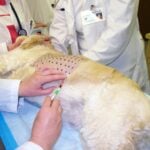
Veterinarians use tests to find the exact allergy cause. Skin tests or blood tests show how your dog reacts to grass. These tests help the vet suggest the best treatment plan. Knowing the allergy type guides medicine and care decisions.
Frequently Asked Questions
What Are Common Signs Of Dog Grass Allergies?
Common signs include itching, redness, swelling, and excessive licking. Dogs may also sneeze or have watery eyes. These symptoms often appear after outdoor exposure to grass.
How Can I Prevent My Dog’s Grass Allergies?
Limit your dog’s outdoor time during high pollen seasons. Wipe their paws and coat after walks. Use allergen-reducing shampoos to minimize reactions.
What Treatments Relieve Dog Grass Allergy Symptoms?
Antihistamines, medicated shampoos, and topical creams can reduce itching. Consult a vet for allergy testing and prescription medications if symptoms persist.
Can Diet Help Manage Dog Grass Allergies?
Yes, omega-3 fatty acids and hypoallergenic diets may reduce inflammation. Always consult your vet before changing your dog’s diet for allergies.
Conclusion
Treating your dog’s grass allergies helps improve their comfort and health. Keep your yard clean and avoid letting your dog roam in tall grass. Use vet-approved medications or natural remedies to ease symptoms. Watch for signs like itching or redness and act quickly.
Regular check-ups with your vet keep allergies under control. Simple care steps make a big difference in your dog’s life. Your dog will feel happier and more energetic every day. Taking action today protects your furry friend tomorrow.