Last Updated on October 3, 2026
Have you ever wondered if cat poop could actually help your garden grow? You might be surprised to learn that some people consider it a natural fertilizer.
But before you start sprinkling it on your plants, there are important things you need to know. You’ll discover the facts about using cat poop as fertilizer, the risks involved, and safer alternatives you can try. Keep reading to find out if this common pet waste is really good for your garden or something you should avoid.
Credit: www.litter-robot.com
Nutrient Content In Cat Poop
Understanding the nutrient content in cat poop is important for gardeners and plant lovers. Cat feces contain various elements that can affect soil and plant health. Knowing what nutrients are present helps decide if cat poop is suitable as fertilizer.
Key Nutrients For Plant Growth
Cat poop has nitrogen, phosphorus, and potassium. These are the main nutrients plants need. Nitrogen helps leaves grow green and strong. Phosphorus supports root and flower development. Potassium improves overall plant health and disease resistance.
Besides these, cat poop may contain small amounts of calcium and magnesium. These minerals also aid plant growth. The nutrient levels can vary based on the cat’s diet and health.
Comparison With Other Animal Manures
Compared to cow or horse manure, cat poop has higher nitrogen content. This can make it more potent but also riskier if not handled properly. Chicken manure has even more nitrogen and phosphorus than cat waste.
Unlike herbivore manure, cat feces may carry harmful bacteria or parasites. This makes it less safe to use directly on edible plants. Composting cat poop thoroughly is essential to reduce health risks.
Benefits Of Using Cat Poop As Fertilizer
Cat poop can be useful in gardens if handled correctly. It contains nutrients that plants need to grow well. Using it as fertilizer can help improve soil and plant health. This natural option reduces waste and benefits your garden at the same time.
Soil Enrichment
Cat poop adds organic matter to the soil. This organic matter helps the soil hold moisture better. It also improves soil structure, making it easier for roots to grow. The nutrients in cat poop, like nitrogen, phosphorus, and potassium, nourish the soil. These nutrients support strong plant growth and healthy soil life.
Improved Plant Health
Plants absorb essential nutrients from the enriched soil. This leads to greener leaves and stronger stems. Healthy plants resist pests and diseases more effectively. Using cat poop fertilizer can increase plant vitality and yield. The natural nutrients encourage steady and balanced growth.
Health Risks And Safety Concerns
Using cat poop as fertilizer has some important health risks and safety concerns. It is not as simple as using other animal manures. Cat waste can carry harmful germs that affect humans and plants. Understanding these risks helps keep gardens and families safe.
Parasites And Pathogens
Cat poop can contain parasites like Toxoplasma gondii. This parasite causes toxoplasmosis, which can harm pregnant women and people with weak immune systems. Bacteria such as E. coli and Salmonella may also be present. These pathogens can spread through soil or contact with hands. They pose a real health threat if the waste is not handled correctly.
Potential Toxicity To Plants
Cat feces may contain chemicals harmful to plants. Cat litter, often mixed with feces, can include substances that damage soil quality. Urine in the feces can raise nitrogen levels too high, burning plant roots. This makes the soil less fertile and can stunt plant growth. Using untreated cat waste in gardens can harm both plants and soil health.
Safe Handling And Composting Methods
Handling cat poop safely is very important before using it as fertilizer. Cat waste can contain harmful germs that may spread disease. Proper composting helps break down these germs and turns waste into safe compost. Following the right steps keeps your garden and family healthy.
Careful composting also helps reduce bad smells and pests. It changes the waste into rich soil that plants love. Learning safe handling and composting methods makes cat poop a useful resource.
Proper Composting Techniques
Start by collecting cat waste in a separate container. Use a compost bin designed to hold pet waste. Add dry materials like leaves or sawdust to balance moisture. Keep the compost pile hot, around 140°F, for several days to kill germs.
Turn the compost regularly to help air flow and speed up breakdown. Avoid adding cat litter with clay or chemicals. Let the compost cure for at least six months before using it in your garden.
Precautions To Avoid Contamination
Always wear gloves when handling cat waste or compost. Wash your hands well after touching the compost. Do not use cat poop compost on edible plants like vegetables or herbs.
Keep compost bins away from children and pets. Use tools only for compost to avoid spreading germs. Store compost in a dry place to prevent mold growth. These steps help keep your garden and family safe.
Alternatives To Cat Poop Fertilizer
Cat poop is not the best choice for fertilizer. It can carry germs and harm your plants. Many gardeners want safer, cleaner options. Here are some good alternatives to consider.
Commercial Fertilizers
Commercial fertilizers are easy to use and widely available. They contain balanced nutrients for healthy plant growth. These fertilizers come in liquid, powder, or granule forms. They provide quick results and are safe for most plants. Always follow package instructions for best use.
Other Organic Options
Organic fertilizers come from natural sources and improve soil health. Compost made from kitchen scraps adds nutrients and moisture. Manure from cows or horses is rich in nitrogen and helps plants grow strong. Worm castings enrich soil with beneficial microbes. These options are safe and eco-friendly.
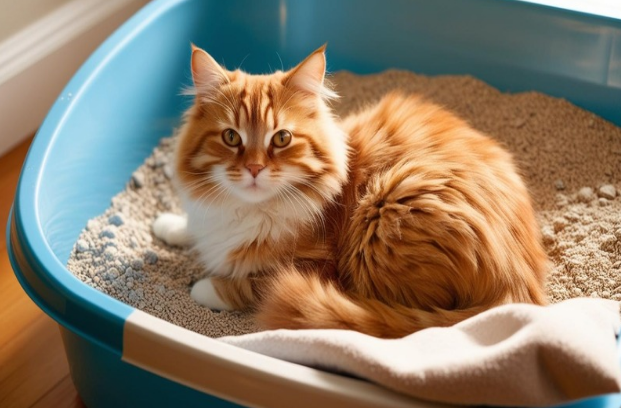
Credit: wopet.com
Real-life Experiences And Expert Opinions
Many gardeners wonder about the value of cat poop as fertilizer. Real-life experiences and expert opinions offer clear insight. These views help us understand the risks and benefits. They also guide safe use in gardens. Below are shared stories and scientific findings on this topic.
Gardener Testimonials
Some gardeners report success using composted cat waste. They say it adds nutrients and improves soil texture. Others warn about health risks due to harmful parasites. One gardener noted poor plant growth after using fresh cat feces. Several recommend fully composting the waste to kill bacteria and parasites. Many emphasize caution and proper handling to protect family and pets.
Scientific Studies
Research shows cat poop contains high levels of nitrogen and phosphorus. These nutrients can support plant growth. Studies also reveal the presence of Toxoplasma gondii, a dangerous parasite. Composting at high temperatures reduces this risk. Experts advise against using fresh cat waste directly on edible plants. Controlled composting is safer and more effective as fertilizer.
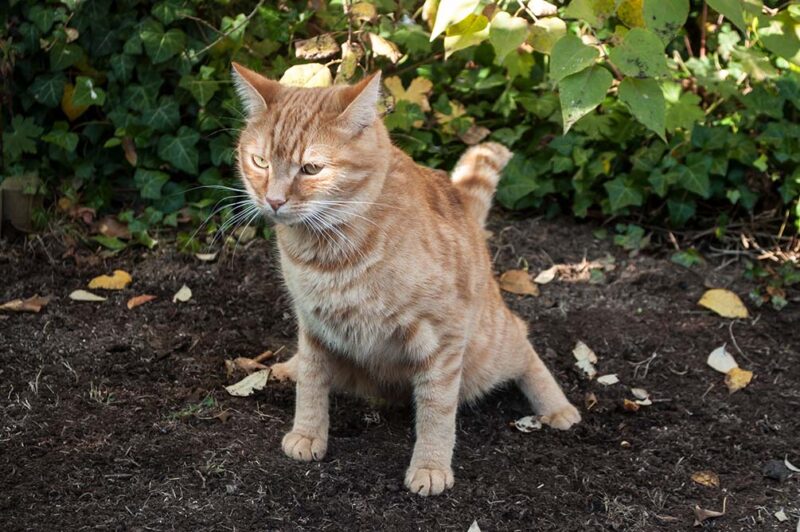
Credit: www.catster.com
Frequently Asked Questions
Is Cat Poop Safe To Use As Fertilizer?
No, fresh cat poop is not safe as fertilizer. It may contain harmful parasites and bacteria that can cause health risks to humans and plants.
Can Cat Poop Improve Soil Quality?
Cat poop alone does not improve soil quality. It lacks balanced nutrients and can introduce pathogens, making it unsuitable for direct use.
How To Safely Compost Cat Poop?
Composting cat poop requires high temperatures above 140°F for several days. This process kills harmful organisms, making the compost safer for gardening.
What Are The Risks Of Using Cat Poop In Gardens?
Using cat poop can spread parasites like Toxoplasma gondii. It poses health risks to pets, wildlife, and humans, especially children and pregnant women.
Conclusion
Cat poop may contain nutrients plants need, but it also holds risks. Parasites and bacteria in cat waste can harm your garden and health. Composting cat litter safely takes time and care. Using cat poop directly as fertilizer is not safe.
Choose safer fertilizers for your plants and soil. Always protect yourself and your family when gardening. Safe gardening helps your plants grow healthy and strong. Think twice before using cat poop in your garden. Keep your garden safe and your plants happy.