Last Updated on October 17, 2026
If your dog struggles with food allergies, you know how hard it can be to find treats that are both safe and tasty. You want to spoil your furry friend without causing discomfort or reactions.
Imagine giving your dog snacks that not only satisfy their cravings but also support their health. This guide will help you discover the best treats made just for dogs with food allergies. Keep reading to find simple, delicious options your dog will love and you can trust.
Common Food Allergies In Dogs
Food allergies in dogs happen when their immune system reacts to certain ingredients. These allergies can cause discomfort and health problems. Knowing common food allergies helps you choose safe treats for your dog. It also makes it easier to spot symptoms early.
Dogs can develop allergies at any age. The most common ones come from proteins in their diet. Identifying these ingredients helps keep your dog healthy and happy.
Symptoms To Watch For
Watch for itching, especially around the face and paws. Red or inflamed skin is a common sign. Some dogs develop ear infections or hot spots. Digestive issues like vomiting or diarrhea may also appear. Excessive licking or chewing at the paws can indicate allergies. Symptoms can vary in intensity and may come and go.
Typical Allergenic Ingredients
Be cautious with beef, chicken, and dairy products. Eggs and soy also often cause reactions. Wheat, corn, and gluten can trigger allergies too. Fish and lamb are less common but still possible allergens. Many commercial treats contain these ingredients. Choosing limited-ingredient treats helps avoid allergens.
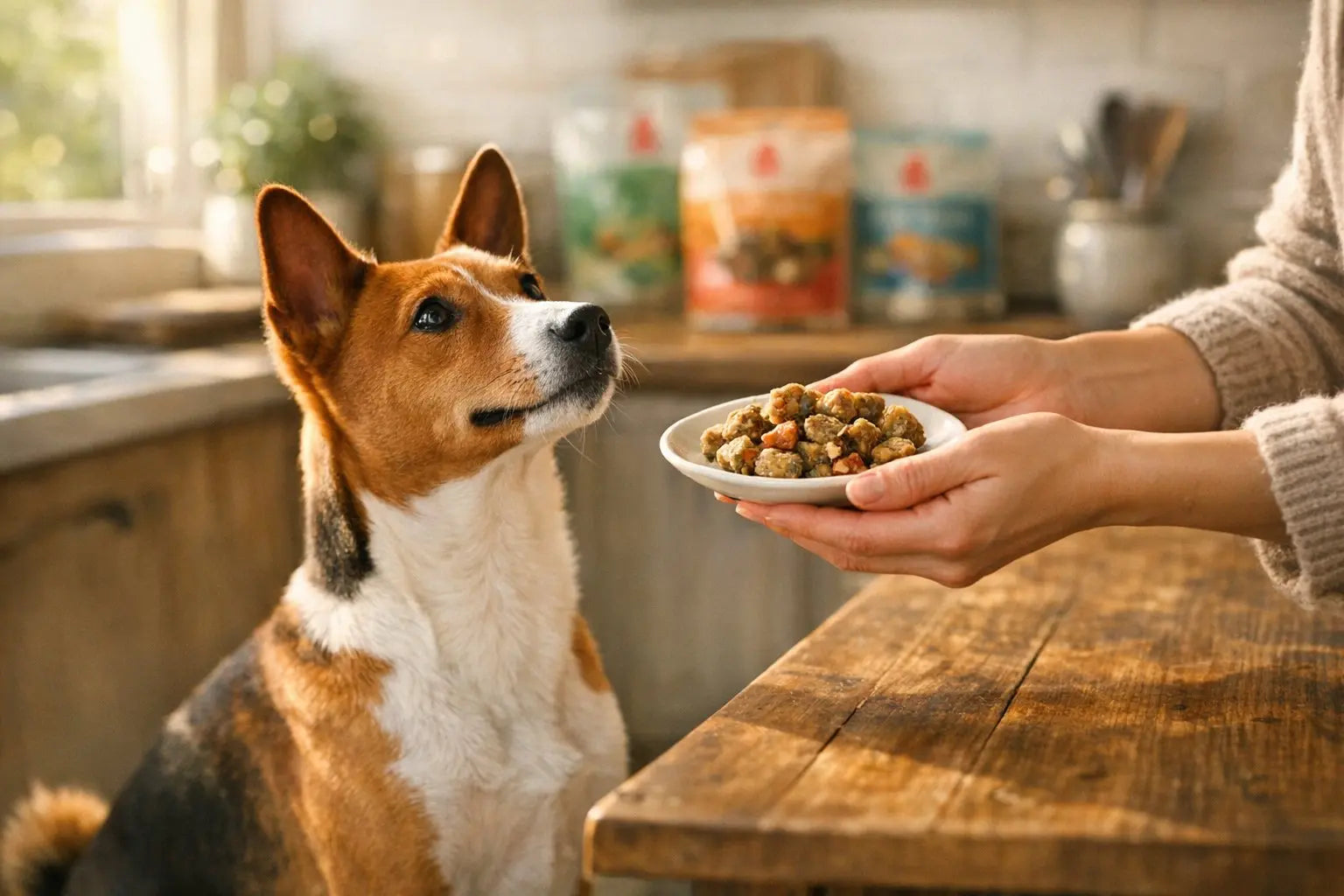
Credit: platopettreats.com
Choosing Safe Treats
Choosing safe treats for dogs with food allergies is very important. Treats can cause allergic reactions if they contain certain ingredients. Picking the right treats helps keep your dog healthy and happy. Always be careful and check every detail before giving a treat.
Reading Ingredient Labels
Start by reading the ingredient labels carefully. Look for common allergens like wheat, soy, and dairy. Avoid treats with unknown or artificial ingredients. Choose treats that list simple and natural ingredients. Make sure the treat does not contain anything your dog is allergic to. Labels can change, so always check before buying.
Avoiding Cross-contamination
Cross-contamination can happen if treats are made near allergens. Even tiny traces can cause reactions. Buy treats from companies that use dedicated allergy-free facilities. Store treats separately from other foods at home. Use clean bowls and hands when giving treats. This helps prevent accidental exposure to allergens.
Homemade Treat Recipes
Homemade treat recipes offer a safe way to pamper dogs with food allergies. Making treats at home gives control over every ingredient. This control helps avoid allergens and supports your dog’s health. Simple recipes reduce risks and keep treats tasty and fresh.
Simple Grain-free Options
Grain-free treats work well for dogs with allergies. Use ingredients like sweet potatoes, pumpkin, and coconut flour. These foods are gentle on sensitive stomachs. Mix mashed sweet potato with coconut flour and an egg. Shape small bites and bake at low temperature. These treats are crunchy and easy to digest.
Using Limited Ingredients
Choose recipes with only a few ingredients. This lowers the chance of allergic reactions. Use single protein sources such as chicken or fish. Combine with simple veggies like carrots or peas. Limit spices and avoid artificial additives. This approach keeps treats pure and safe for allergic dogs.
Incorporating Natural Supplements
Add natural supplements to boost nutrition and skin health. Omega-3 oils from fish or flaxseed support coat and joints. Probiotics improve digestion and reduce inflammation. Use these in small amounts within homemade treats. Natural supplements help dogs feel better from inside out.
Store-bought Treats To Consider
Finding the right store-bought treats for dogs with food allergies can be tough. Many treats contain common allergens like wheat, soy, or chicken. Choosing safe options is key to keeping your dog happy and healthy. Several brands now offer products made with simple, allergy-friendly ingredients. These treats avoid common triggers and provide tasty rewards.
Top Brands For Allergic Dogs
Some brands focus on allergy-friendly dog treats. They use limited ingredients to reduce the risk of reactions. Look for brands that list all ingredients clearly on the package. Popular choices include Wellness, Blue Buffalo Basics, and Natural Balance. These companies use quality ingredients designed for sensitive dogs.
Treats With Novel Proteins
Novel proteins are new or rare protein sources for your dog. These proteins reduce allergy risks because your dog’s body hasn’t seen them before. Examples include duck, venison, or kangaroo. Treats made with novel proteins can be a safe choice. They help avoid common allergens like beef or chicken.
Hypoallergenic Snack Choices
Hypoallergenic treats contain minimal ingredients and no common allergens. They often use simple recipes with one or two protein sources. Grain-free options are also popular for allergic dogs. Sweet potato or pumpkin-based treats provide tasty, safe alternatives. Always check the label for hidden ingredients that may cause allergies.
Healthy Ingredients For Allergic Dogs
Choosing the right ingredients is key for dogs with food allergies. Healthy treats keep them safe and happy. These ingredients avoid common allergens and support your dog’s health. Focus on simple, natural foods that nourish without causing reactions.
Safe Proteins
Proteins are essential for your dog’s growth and energy. Some proteins cause fewer allergic reactions. Examples include duck, turkey, and rabbit. Fish like salmon and whitefish also work well. These proteins provide nutrients without triggering allergies. Avoid common proteins like beef, chicken, and lamb if allergies occur.
Beneficial Fruits And Vegetables
Fruits and vegetables add vitamins and fiber. Sweet potatoes, carrots, and green beans are gentle choices. Apples and blueberries offer antioxidants and taste. These foods support digestion and skin health. Avoid onions, garlic, and grapes, as they can be harmful to dogs.
Allergy-friendly Grains And Alternatives
Some dogs tolerate grains better than others. Rice and oats are usually safe options. Quinoa and millet serve as good grain alternatives. These provide energy and nutrients without common allergens. Avoid wheat, corn, and soy, which often cause reactions.
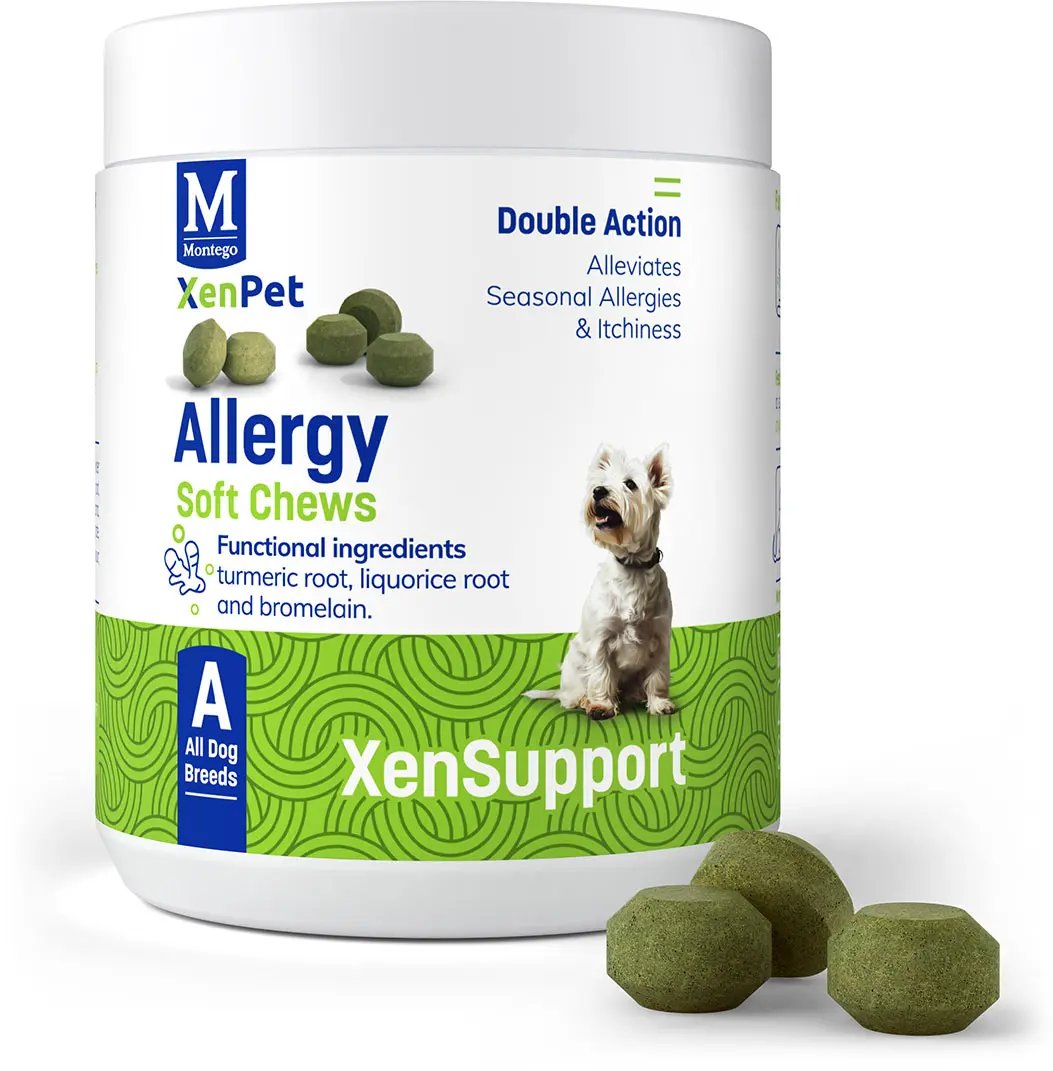
Credit: canineandco.co.za
Tips For Introducing New Treats
Introducing new treats to dogs with food allergies requires care and attention. Sudden changes can upset their stomach or cause allergic reactions. Taking small steps helps your dog adjust safely. Follow these tips to make the process smooth and stress-free.
Gradual Introduction
Start with a tiny amount of the new treat. Give it alongside their regular snacks. Watch how your dog reacts for a few days. Slowly increase the amount if no problems appear. This helps your dog’s system adapt without shock.
Monitoring Reactions
Keep an eye on your dog’s behavior and health. Look for itching, redness, or swelling. Check for vomiting, diarrhea, or changes in appetite. Note any signs and how long they last. Early detection helps prevent serious issues.
Consulting Your Veterinarian
Talk to your vet before trying new treats. They know your dog’s allergy history best. Your vet can suggest safe options and dosages. Regular check-ups help track your dog’s health. Always follow professional advice to keep your dog safe.
Balancing Treats With Regular Diet
Balancing treats with your dog’s regular diet is key for dogs with food allergies. Treats should not upset their nutrition or cause allergic reactions. Careful planning helps keep your dog healthy and happy.
Choosing the right amount and type of treats supports your dog’s overall well-being. This balance prevents digestive issues and maintains energy levels. Treats can be part of their diet without harm.
Portion Control
Limit treat size and quantity to avoid extra calories. Small, measured treats fit best into a dog’s daily diet. Too many treats can lead to weight gain and allergies.
Use treats as rewards, not main food. This keeps your dog’s diet balanced and controlled. Divide treats into tiny pieces to reduce calorie intake.
Nutritional Considerations
Select treats with simple, hypoallergenic ingredients. Avoid common allergens like wheat, soy, or dairy. Check labels carefully to ensure safety for your dog.
Choose treats that add vitamins or protein without harmful fillers. Natural, limited-ingredient treats work best. This keeps your dog’s diet healthy and allergen-free.
Avoiding Overfeeding
Track all food your dog eats, including treats. Overfeeding can cause weight problems and worsen allergies. Stick to daily calorie limits set by your vet.
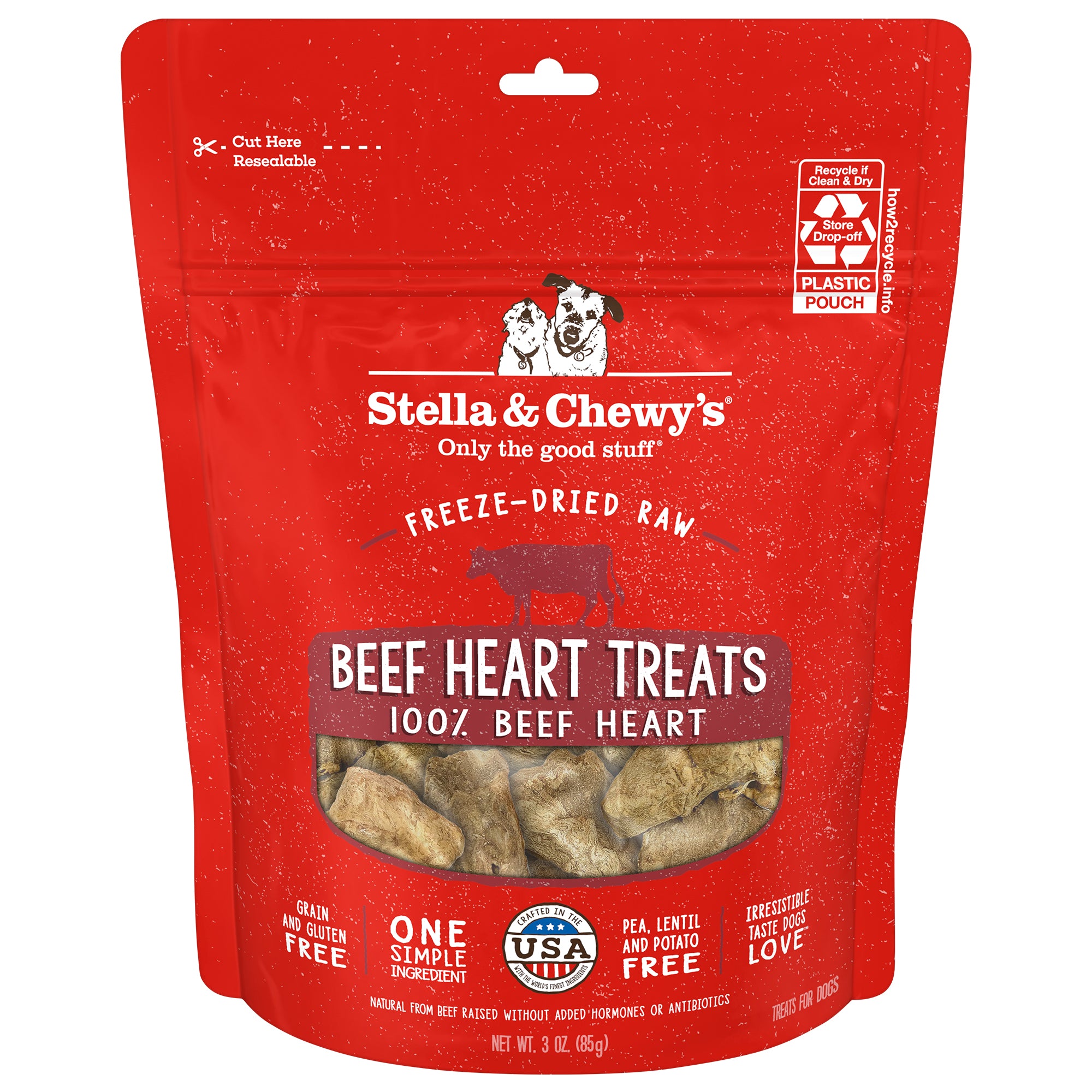
Replace part of the regular meal with treats instead of adding extra food. This prevents excess calorie intake. Treats should complement, not replace, a balanced diet.
Credit: www.stellaandchewys.com
Frequently Asked Questions
What Treats Are Safe For Dogs With Food Allergies?
Safe treats include hypoallergenic, limited-ingredient options. Look for single-protein treats like duck or venison. Avoid common allergens like wheat, soy, and dairy. Always check ingredient lists carefully to prevent allergic reactions. Consult your vet for personalized recommendations.
How To Identify Allergens In Dog Treats?
Read ingredient labels carefully to spot potential allergens. Common allergens include beef, chicken, dairy, wheat, and soy. Watch for symptoms like itching, swelling, or digestive issues. Conduct an elimination diet under vet supervision to pinpoint allergens.
Can Homemade Treats Help Dogs With Allergies?
Yes, homemade treats allow full control over ingredients. Use safe, single-protein meats and allergy-friendly vegetables. Avoid common allergens like grains or dairy. Homemade treats can be fresher and healthier. Consult your vet for recipe ideas and ingredient safety.
Are Grain-free Treats Better For Allergic Dogs?
Grain-free treats may help if your dog is allergic to grains. However, not all allergies are grain-related. Always identify the specific allergen first. Choose treats with simple, limited ingredients for best results. Discuss with your vet before switching diets.
Conclusion
Treating dogs with food allergies needs care and attention. Choose treats with simple, safe ingredients. Always check labels to avoid allergens. Homemade treats can be a great option. They let you control what your dog eats. Keep treats limited and observe your dog’s reaction.
Healthy snacks help your dog stay happy and strong. With the right treats, dogs with allergies can still enjoy tasty rewards. Patience and care make a big difference. Your dog deserves the best.