
Last Updated on May 30, 2026
Do you love cats but worry about your allergies? You might be asking yourself, “Can a cat allergy kill me?”
It’s a question that feels urgent when your eyes water, your skin itches, or your breathing gets tight around a furry friend. Understanding the risks and what your body might do is crucial. Keep reading to discover the truth about cat allergies and how they could affect your health—knowledge that could make all the difference for you or someone you care about.
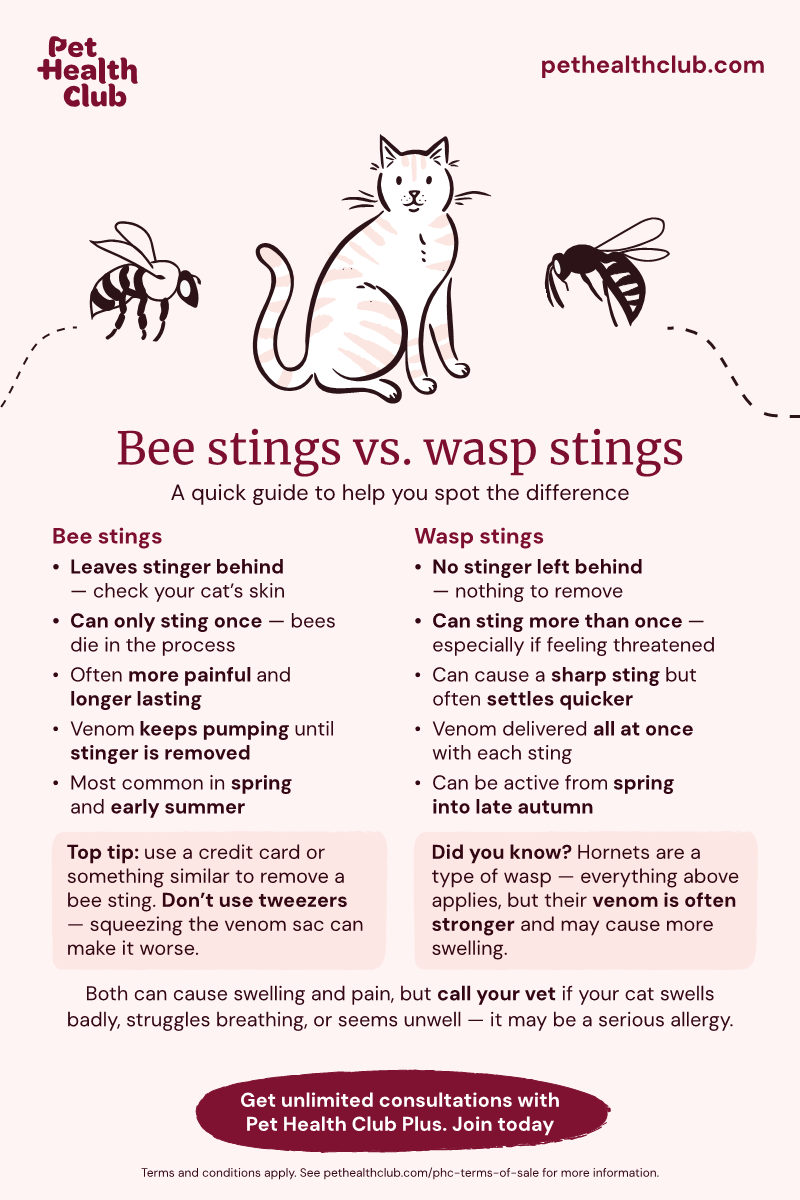
Credit: www.pethealthclub.com
Cat Allergies And Their Symptoms
Cat allergies affect many people worldwide. These allergies occur when the immune system reacts to proteins found in cat saliva, skin flakes, or urine. Symptoms range from mild to severe and can impact daily life. Understanding the signs helps manage and reduce discomfort.
Common Signs Of Cat Allergy
Most people notice sneezing and a runny nose after exposure to cats. Itchy, watery eyes often follow. Skin may become red or develop hives. Some experience coughing or wheezing. These symptoms appear quickly and worsen with prolonged contact.
Severe Allergic Reactions
In rare cases, cat allergies trigger severe reactions. Difficulty breathing or chest tightness may occur. Swelling of the face, lips, or throat is a serious sign. These symptoms require immediate medical attention. Severe reactions can be life-threatening if untreated.
How Allergies Affect The Body
Allergies cause the immune system to overreact. It releases chemicals like histamine into the blood. Histamine causes inflammation and swelling in tissues. This reaction leads to the common symptoms of sneezing and itching. Repeated exposure can worsen the immune response over time.
When Cat Allergies Become Dangerous
Cat allergies often cause mild symptoms like sneezing or itchy eyes. Most people manage these easily without serious harm. Still, some allergies can turn dangerous. Understanding when cat allergies become risky is vital for safety.
Severe allergic reactions may threaten life. Knowing the signs and risk factors helps prevent emergencies.
Anaphylaxis And Cat Allergies
Anaphylaxis is a sudden, severe allergic reaction. It can happen with cat allergies in rare cases. This reaction affects breathing and blood flow. Symptoms include swelling, difficulty breathing, and low blood pressure. Anaphylaxis needs immediate medical help to save life.
Risk Factors For Severe Reactions
Some people face higher risks of serious reactions. Those with asthma or other allergies are more vulnerable. Past severe allergy episodes increase risk too. Young children and elderly may react worse. Close contact with cats raises chances of strong reactions.
Cases Of Life-threatening Allergies
Reports exist of fatal allergic reactions to cats, though very rare. These cases often involve anaphylaxis or asthma attacks. Quick treatment saved many lives in emergencies. They show the need to take cat allergies seriously. Awareness and preparedness can prevent tragic outcomes.
Diagnosing And Managing Cat Allergies
Cat allergies affect many people worldwide. Knowing how to diagnose and manage these allergies is key to feeling better. Proper care can reduce symptoms and improve daily life. Understanding testing, medication, and environmental steps helps control allergic reactions.
Allergy Testing Methods
Doctors use several tests to find cat allergies. Skin prick tests place small amounts of allergens on the skin. If a red bump appears, it shows an allergy. Blood tests measure allergy antibodies in the blood. These tests confirm sensitivity to cat allergens. Testing helps identify the exact cause of symptoms.
Medications For Allergy Relief
Many medicines ease cat allergy symptoms. Antihistamines stop sneezing and itching. Nasal sprays reduce inflammation in the nose. Decongestants open blocked nasal passages. Eye drops relieve itchy, red eyes. Some people use allergy shots to build tolerance. Medicines can help live with allergies comfortably.
Avoidance And Environmental Control
Reducing contact with cats lowers allergy risks. Keep cats out of bedrooms and off furniture. Clean floors and surfaces often to remove dander. Use air purifiers to reduce airborne allergens. Wash hands after touching cats. These actions limit allergen exposure and ease symptoms.
Living Safely With Cat Allergies
Living with cat allergies can be challenging but manageable. Knowing how to reduce exposure helps keep symptoms under control. Safe habits improve daily life and reduce health risks.
Preventing Exposure At Home
Keep cats out of bedrooms and carpeted areas. Use air purifiers with HEPA filters to clean the air. Wash bedding and furniture covers often. Vacuum with a HEPA vacuum cleaner regularly. Avoid using heavy curtains or rugs that trap allergens.
Travel And Social Situations
Inform hosts about your allergy before visiting. Choose pet-free hotels or rooms. Carry allergy medicine and tissues with you. Wash hands after touching cats or surfaces. Keep allergy relief sprays handy for quick use.
Emergency Preparedness For Allergic Reactions
Know the signs of a severe allergic reaction. Keep an epinephrine auto-injector if prescribed. Have emergency contacts ready and accessible. Learn how to use allergy medication correctly. Seek medical help immediately if symptoms worsen.
Myths And Facts About Cat Allergies
Cat allergies confuse many people. Some believe they can cause death. Others think allergies are mild and harmless. Understanding myths and facts helps clear doubts. It also guides how to handle symptoms safely.
Common Misconceptions
People often think cat allergies cause deadly reactions. Most symptoms are sneezing, itchy eyes, and runny nose. Severe reactions like anaphylaxis are very rare. Another myth says cats cause asthma attacks in all sufferers. Actually, only some allergy sufferers develop asthma from cats.
Scientific Insights
Cat allergies happen due to proteins in cat saliva and skin flakes. These proteins trigger the immune system in sensitive people. Allergic reactions vary from mild to severe. Scientists confirm allergies do not directly cause death. Proper treatment controls symptoms well and reduces risks.
When To Seek Medical Help
Seek help if symptoms worsen quickly or breathing becomes hard. Emergency care is needed for swelling or severe asthma attacks. Regular allergy symptoms need a doctor’s advice for best treatment. Early care prevents complications and improves quality of life.
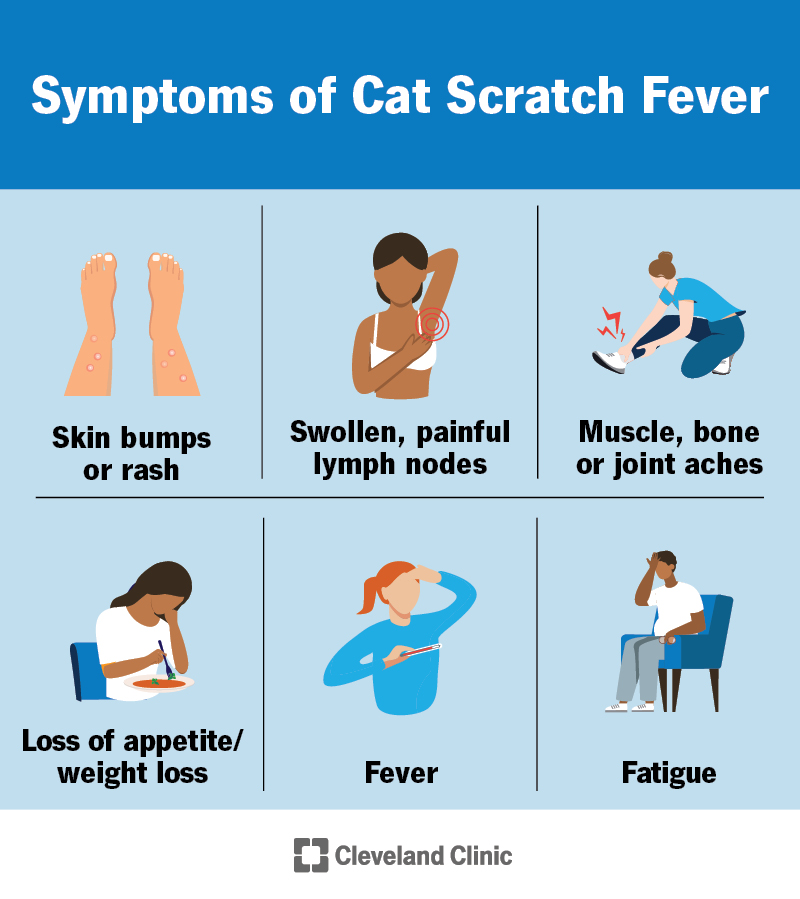
Credit: my.clevelandclinic.org

Credit: www.medicinenet.com
Frequently Asked Questions
Can A Cat Allergy Cause Life-threatening Reactions?
Yes, severe cat allergies can trigger anaphylaxis, a life-threatening reaction. Immediate medical help is critical in such cases to prevent fatal outcomes.
What Are The Common Symptoms Of A Cat Allergy?
Common symptoms include sneezing, itchy eyes, runny nose, coughing, and skin rashes. Severe reactions may cause difficulty breathing and swelling.
How Can I Prevent Severe Allergic Reactions To Cats?
Avoid direct contact with cats, keep your environment clean, and use air purifiers. Consult a doctor for allergy medications or immunotherapy.
Is Asthma Linked To Cat Allergies?
Yes, cat allergens can worsen asthma symptoms. People with asthma should avoid cats to reduce the risk of severe breathing problems.
Conclusion
Cat allergies are rarely deadly but can cause serious reactions. Severe allergic responses need quick medical help. Most people manage symptoms with medicine and avoiding cats. Knowing your allergy signs helps you stay safe and healthy. Talk to a doctor if symptoms worsen or feel unusual.
Living with a cat allergy is possible with care and attention. Stay informed, take precautions, and enjoy a comfortable life.