Last Updated on October 18, 2026
If your dog suddenly starts scratching, sneezing, or showing red, irritated skin, it can be scary. You want to help your furry friend feel better fast.
Knowing how to treat a dog allergic reaction at home can save you time and stress before you get to the vet. You’ll learn simple, effective steps to calm your dog’s discomfort right away. Keep reading to discover the quick actions you can take to protect your dog and bring back their happy tail wag.
Credit: www.volharddognutrition.com
Signs Of Allergic Reactions In Dogs
Allergic reactions in dogs can be hard to spot at first. Knowing the signs helps catch problems early. Dogs show allergies in different ways. Watch your dog closely for changes in behavior or skin. Acting fast can prevent serious issues.
Skin Irritation And Redness
One common sign is skin irritation. The skin may look red and inflamed. You might see dry or flaky patches. These areas can feel warm to the touch. Your dog might seem uncomfortable or restless.
Excessive Scratching And Licking
Dogs often scratch or lick where they feel itchy. Excessive scratching can cause wounds or hair loss. Licking can make the skin raw or sore. These behaviors show your dog is trying to soothe irritation.
Swelling And Hives
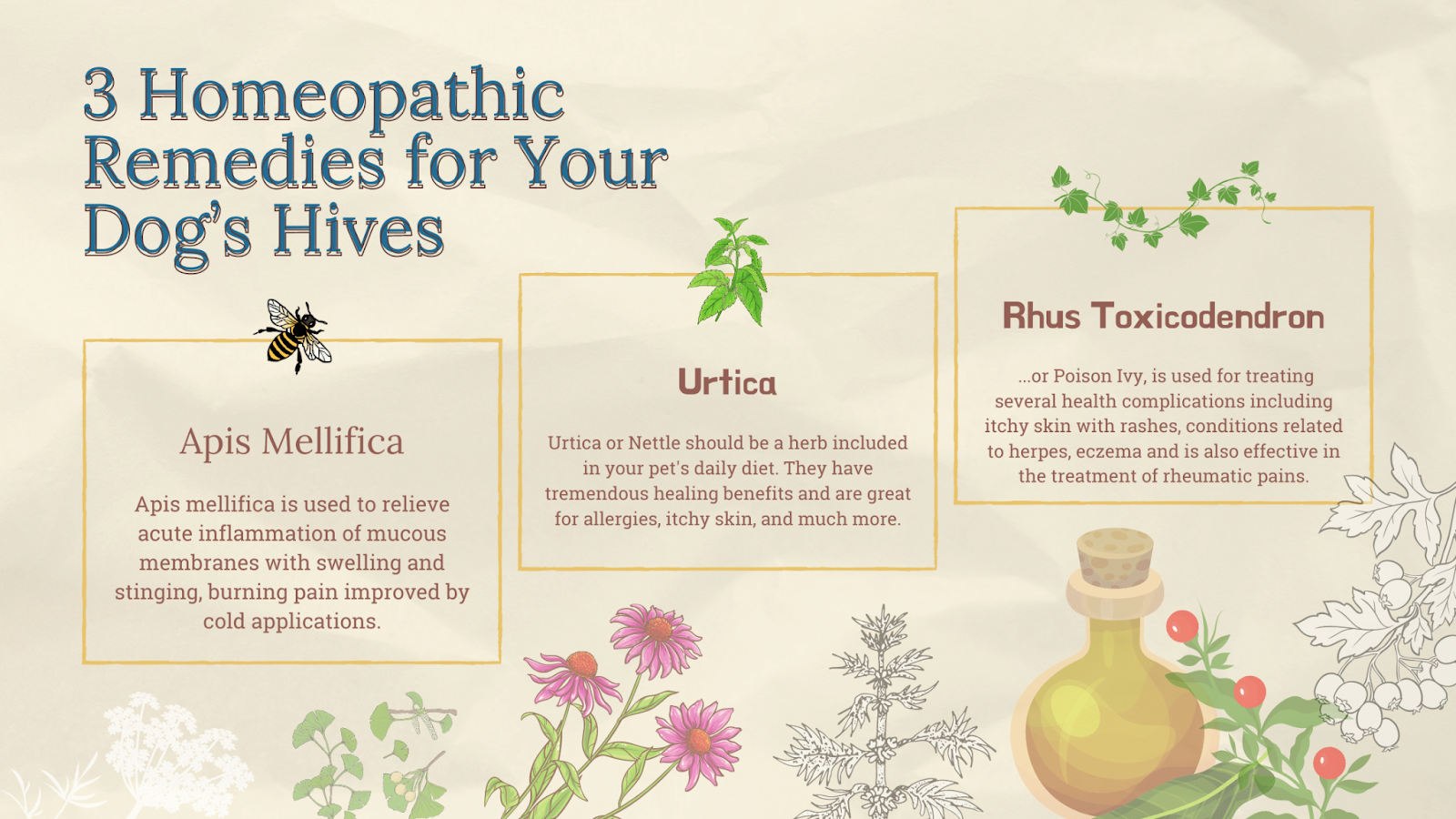
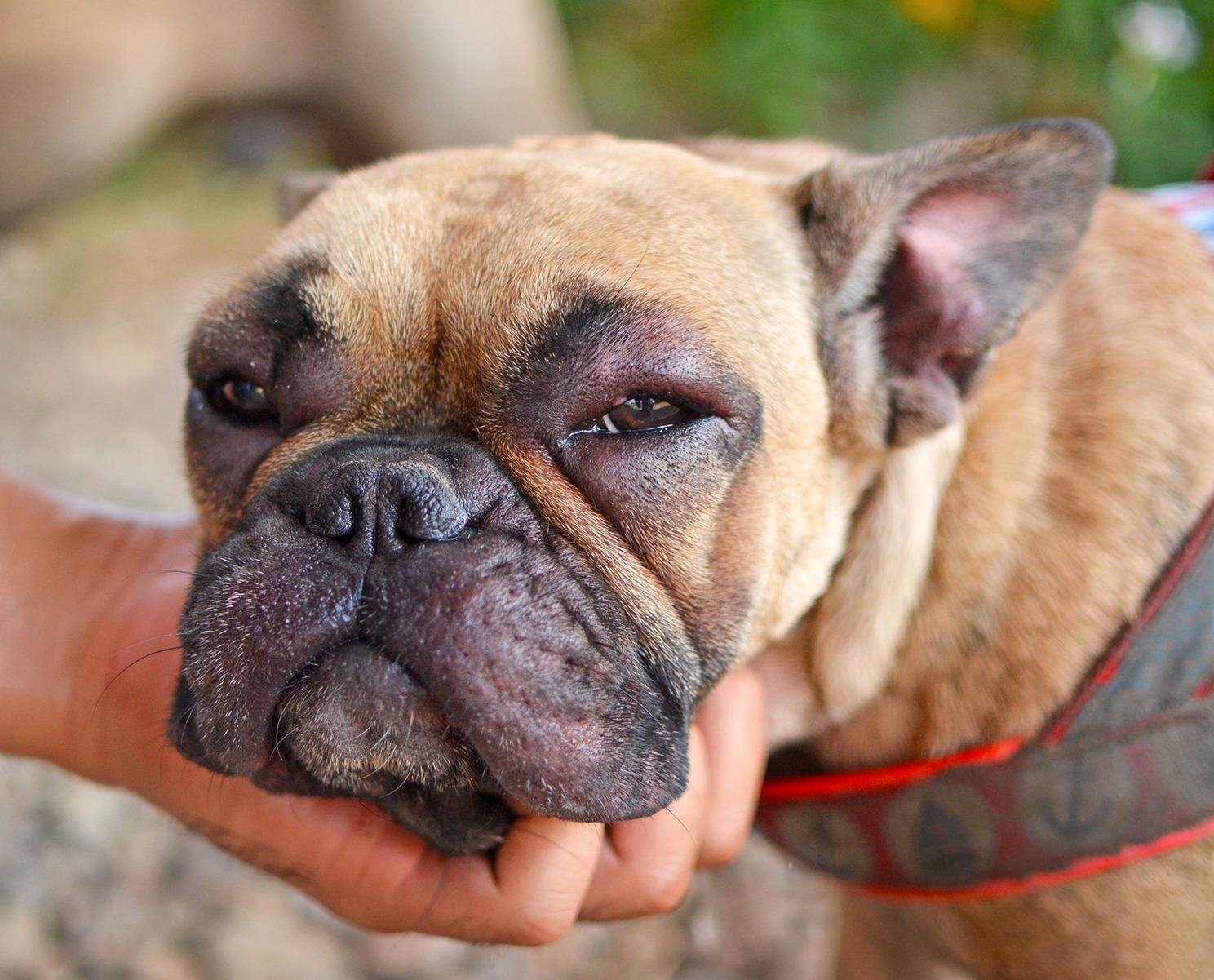
Swelling can appear on the face, ears, or paws. Hives show up as raised bumps on the skin. Both indicate an allergic response. These symptoms need quick attention to avoid worsening.
Digestive Issues
Allergies sometimes affect the stomach and intestines. Vomiting or diarrhea may occur after eating. Your dog might lose appetite or seem tired. These signs suggest an internal allergic reaction.
Respiratory Symptoms
Allergic reactions can affect breathing. Watch for coughing, sneezing, or wheezing. Your dog might breathe fast or have nasal discharge. Breathing problems require immediate care and monitoring.
Common Causes Of Dog Allergies
Dog allergies can cause itching, redness, and discomfort. Knowing common causes helps you spot the problem early. It also guides you to treat your dog’s allergy at home safely.
Allergies in dogs often come from food, the environment, fleas, or contact with certain materials. Each cause triggers different symptoms and needs specific care. Understanding these triggers is the first step in keeping your dog healthy and happy.
Food Allergies
Food allergies happen when a dog’s immune system reacts to certain ingredients. Common triggers include beef, chicken, dairy, and grains. Symptoms include itching, ear infections, and digestive problems. Changing your dog’s diet can help reduce these allergic reactions.
Environmental Allergens
Pollens, dust mites, mold, and grasses often cause environmental allergies. Dogs may sneeze, cough, or scratch their skin. These allergens are more common in certain seasons or places. Keeping your dog clean and limiting outdoor time can reduce symptoms.
Flea Bites
Flea bites are a major cause of allergic reactions in dogs. Flea saliva triggers intense itching and redness. Even a few flea bites can cause severe discomfort. Regular flea prevention is essential to protect your dog from these allergies.
Contact Allergies
Contact allergies occur when a dog’s skin reacts to materials like soaps, plants, or fabrics. The skin may become red, inflamed, or develop rashes. Avoiding known irritants and using gentle products helps prevent these reactions. Always check new products on a small skin area first.
Immediate Steps To Soothe Your Dog
When your dog shows signs of an allergic reaction, quick action is key. Immediate care can ease their discomfort and prevent the reaction from worsening. Follow these steps to help your dog feel better fast.
Remove Allergen Exposure
Find and remove what caused the allergy. Take your dog away from pollen, dust, or any irritants. Check their fur and paws for any stuck allergens. Clean them off gently to stop further contact.
Clean Affected Areas
Use lukewarm water and a mild, pet-safe cleanser to wash the irritated skin. Avoid harsh soaps that can worsen the reaction. Pat dry with a soft towel, never rub. Keep the area clean to avoid infection.
Apply Cold Compresses
Place a cold, damp cloth on swollen or itchy spots. Leave it for 5 to 10 minutes to reduce swelling. Repeat several times a day. This helps calm irritation and cools the skin quickly.
Use Over-the-counter Remedies
Give your dog approved antihistamines, but only after checking with a vet. Use topical creams designed for dogs to soothe itching. Avoid human medicines unless directed by a professional. Always follow dosage instructions carefully.
:strip_icc()/home-remedies-for-itchy-dogs-4177184-f9ae9d40e6cc42878d9f290d136461f8.jpg)
Credit: www.thesprucepets.com
Home Remedies For Dog Allergies
Home remedies can help ease your dog’s allergy symptoms safely. These natural treatments soothe itchy skin and reduce redness. Using simple ingredients at home saves money and avoids harsh chemicals. Many pet owners trust these remedies for mild allergic reactions. Always watch your dog closely during treatment and stop if irritation worsens.
Oatmeal Baths
Oatmeal baths calm itchy and dry skin quickly. Grind plain oatmeal into a fine powder. Mix it with warm water and soak your dog for 10 to 15 minutes. Oatmeal forms a protective layer that relieves irritation. Repeat this bath twice a week for best results. Avoid using soaps or shampoos that could irritate sensitive skin.
Aloe Vera Application
Aloe vera gel cools and heals inflamed skin. Use pure aloe vera, free from added chemicals. Gently apply a thin layer to the affected area. It helps reduce redness and soothes itching. Aloe vera also supports skin repair and moisture. Apply the gel twice daily until your dog feels better.
Coconut Oil Benefits
Coconut oil moisturizes dry skin and fights bacteria. Rub a small amount onto your dog’s itchy spots. This oil contains natural fatty acids that reduce inflammation. Coconut oil also helps prevent skin infections from scratching. Use it daily to keep your dog’s skin soft and healthy.
Apple Cider Vinegar Sprays
Apple cider vinegar acts as an antibacterial and antifungal spray. Mix equal parts of apple cider vinegar and water in a spray bottle. Spray lightly on your dog’s itchy skin, avoiding open wounds. This solution reduces itchiness and balances skin pH. Apply once or twice daily for gentle relief.
When To Seek Veterinary Care
Knowing when to seek veterinary care is very important for your dog’s health. Some allergic reactions need immediate medical help. Others might look mild but can get worse fast. Watch your dog closely after an allergic reaction. Acting quickly can save your dog’s life and reduce discomfort.
Severe Swelling Or Difficulty Breathing
Swelling around the face, lips, or throat needs urgent care. It can block your dog’s airway. Difficulty breathing or gasping signals a serious problem. Take your dog to the vet immediately. Do not wait or try home treatments in this case.
Persistent Symptoms
If symptoms last more than 24 hours, see the vet. It means the allergy is not under control. Your dog might need stronger medicine or tests. Persistent itching, redness, or swelling can lead to skin damage. Early vet care helps prevent long-term problems.
Signs Of Infection
Scratching or biting the skin can cause infection. Look for pus, bad smell, or increased redness. Warm, swollen areas show infection too. Infections need antibiotics from the vet. Treating infections early stops them from spreading.
Allergic Shock Emergencies
Allergic shock, or anaphylaxis, is life-threatening. Symptoms include collapse, pale gums, weak pulse, or vomiting. This needs emergency veterinary care at once. Quick treatment with injections can save your dog’s life. Call the vet or emergency clinic immediately.
Credit: www.mspca.org
Preventing Future Allergic Reactions
Preventing future allergic reactions in dogs is key to keeping them healthy and happy. Allergies can cause discomfort and lead to serious health problems. Taking simple steps every day can reduce your dog’s exposure to allergens. This helps avoid repeated allergic reactions.
Focus on maintaining a clean environment, a healthy diet, and good parasite control. Watch for things that might trigger your dog’s allergies. Early action can prevent symptoms from getting worse.
Regular Grooming And Cleaning
Brush your dog’s coat often to remove dirt and allergens. Bathe your dog with gentle, hypoallergenic shampoo. Clean bedding and toys regularly. Vacuum floors and furniture to reduce dust and pet dander. A clean home lowers allergy risks for your dog.
Balanced Diet And Supplements
Feed your dog a balanced diet with all needed nutrients. Some foods can worsen allergies. Talk to your vet about foods that support skin health. Omega-3 fatty acids help reduce inflammation and itching. Supplements may improve your dog’s immune system and comfort.
Flea And Parasite Control
Fleas and parasites can cause severe allergic reactions. Use vet-recommended flea preventatives year-round. Check your dog’s skin for ticks and parasites daily. Treat your home and yard for fleas if needed. Keeping parasites away reduces allergy flare-ups.
Monitoring Environmental Triggers
Note when your dog shows allergy signs. Common triggers include pollen, mold, and dust mites. Keep windows closed during high pollen days. Use air purifiers to reduce indoor allergens. Limit your dog’s time in areas with strong smells or chemicals.
Frequently Asked Questions
What Are Common Signs Of Dog Allergic Reactions?
Common signs include itching, redness, swelling, and hives. Dogs may also scratch, lick, or chew affected areas. Sneezing and watery eyes can occur too. Recognizing these signs early helps in prompt treatment and relief for your dog.
How Can I Safely Treat My Dog’s Allergy At Home?
Start by removing the allergen from your dog’s environment. Use a vet-approved antihistamine for mild reactions. Apply cool compresses to soothe skin irritation. Always monitor your dog closely and consult a vet if symptoms worsen or persist.
When Should I See A Vet For My Dog’s Allergy?
Visit a vet if your dog shows severe symptoms like difficulty breathing, swelling of the face, or persistent vomiting. If home treatments don’t improve the condition within 24-48 hours, professional care is necessary to prevent complications.
Can Diet Affect My Dog’s Allergic Reactions?
Yes, food allergies can trigger reactions. Common allergens include beef, dairy, and wheat. Switching to a hypoallergenic or limited-ingredient diet may help. Consult your vet before changing your dog’s diet to ensure nutritional balance.
Conclusion
Treating your dog’s allergic reaction at home starts with quick action. Clean the affected area gently and remove any allergens nearby. Offer fresh water to keep your dog hydrated. Watch your dog closely for changes in behavior or symptoms. If signs get worse or don’t improve, contact your vet right away.
Simple steps can ease discomfort and help your dog feel better fast. Always stay calm and patient during care. Your careful attention makes a big difference in your dog’s recovery.