Last Updated on October 17, 2026
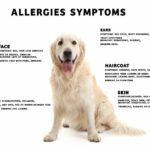
If your dog has been scratching more than usual or developing red, irritated patches on their skin, you might be wondering if a chicken allergy is to blame. Understanding dog chicken allergy skin symptoms can help you spot the signs early and get your furry friend the relief they need.
You’ll discover what to look for, why these allergies happen, and how you can help your dog feel better fast. Keep reading to protect your dog’s health and bring back their happy, itch-free days.
Common Skin Symptoms In Dogs With Chicken Allergy
Dogs with chicken allergy often show clear skin problems. These symptoms help spot the allergy early. Skin issues can cause discomfort and affect your dog’s daily life. Recognizing these signs is key to better care and treatment.
Itching And Scratching
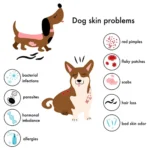
Itching is the most common symptom of chicken allergy in dogs. Dogs scratch their skin often to relieve the itch. This can lead to raw and sore spots. Constant scratching may cause wounds or infections.
Redness And Inflammation
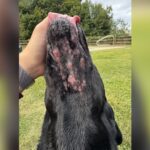
The skin often turns red and inflamed from allergic reactions. Inflammation makes the skin warm and tender to touch. It usually appears on the belly, paws, and face. This redness shows the skin is irritated and stressed.
Hair Loss Patterns
Hair loss happens in areas where dogs scratch the most. Patches of missing fur may appear on the body. This loss can make the skin look uneven and thin. It often worsens if the allergy is not treated quickly.
Hot Spots And Skin Lesions
Hot spots are painful, moist sores that develop from scratching. These sores can grow fast and become infected. Skin lesions may also appear as bumps or scabs. They indicate severe irritation and need prompt care.
Ear Infections Linked To Allergies
Ear infections are common in dogs with chicken allergy. Ears may smell bad or show redness inside. Dogs might shake their head or scratch their ears often. Allergies can cause swelling and discharge in the ear canal.
Causes Behind Chicken Allergy In Dogs
Chicken allergy in dogs happens because their bodies react negatively to chicken proteins. This reaction causes skin problems and discomfort. Understanding the causes helps dog owners manage and prevent these symptoms.
Immune System Response
A dog’s immune system may see chicken proteins as harmful. It then attacks these proteins, triggering an allergic reaction. This causes inflammation, itching, and redness on the skin.
Genetic Predisposition
Some dog breeds inherit a higher chance of food allergies. Genetics can make their immune systems overactive. These dogs are more prone to react to chicken in their diet.
Cross-reactivity With Other Proteins
Dogs allergic to chicken might also react to similar proteins. This is called cross-reactivity. Proteins in turkey or other poultry can cause the same skin symptoms.
Environmental Factors
Environment can affect how allergies develop. Stress, pollution, and poor diet weaken the immune system. This can make a dog more sensitive to chicken proteins.
Diagnosing Chicken Allergy In Dogs
Diagnosing a chicken allergy in dogs can be tricky. Dogs may show different skin symptoms, like itching, redness, or bumps. A clear diagnosis helps find the right treatment and diet. Several methods help vets confirm if chicken is the cause of the allergy.
Elimination Diet Trials
Elimination diet trials are a common way to find food allergies. The dog eats a special diet without chicken or related ingredients. This diet lasts for several weeks. If the skin symptoms improve, chicken is likely the cause. Then, chicken is slowly added back to see if symptoms return.
Skin Testing Methods
Skin testing involves placing small amounts of allergens under the dog’s skin. The vet watches for a reaction like redness or swelling. This test helps identify specific allergens causing the problem. It works best for environmental allergies but can support food allergy diagnosis.
Blood Tests And Allergy Panels
Blood tests check for antibodies against chicken proteins. These tests are less stressful for the dog than skin tests. Allergy panels may test for many allergens at once. Results can guide treatment but are not always definitive for food allergies.
Ruling Out Other Skin Conditions
Other skin problems can look like chicken allergy symptoms. Fleas, infections, or parasites can cause itching and redness. The vet checks for these issues first. This step ensures the right cause is treated, avoiding wrong or delayed care.
Credit: www.petcarerx.com
Effective Treatments For Chicken Allergy Skin Symptoms
Chicken allergy in dogs can cause uncomfortable skin problems. These symptoms need careful treatment to help your pet feel better. Effective treatments target the allergy and soothe the skin. Early care helps avoid worsening issues and keeps your dog happy.
Dietary Management And Hypoallergenic Foods
Changing your dog’s diet is key. Avoid chicken and related ingredients completely. Hypoallergenic foods use novel proteins like lamb or fish. These diets reduce allergic reactions and improve skin health. Always check food labels to prevent hidden chicken products.
Medications To Reduce Inflammation
Anti-inflammatory drugs help calm skin irritation fast. Veterinarians may prescribe corticosteroids or antihistamines. These medicines lower redness, itching, and swelling. Use medications only as directed to avoid side effects.
Topical Therapies For Skin Relief
Topical creams and sprays soothe itchy skin. Products with oatmeal or aloe vera work well. Medicated shampoos reduce bacteria and allergens on the skin. Regular baths keep the skin clean and reduce flare-ups.
Immune Modulation Options
Some treatments change the immune system’s response. Allergy shots or oral drops can build tolerance over time. These options reduce the severity of allergic reactions. Consult your vet to find the best immune therapy.
Preventing Secondary Infections
Allergic skin is prone to infections. Keep wounds clean and dry to avoid problems. Antibiotics or antifungal medicines may be needed. Early care prevents infections that cause more pain and itching.
Preventing Chicken Allergy Flare-ups
Preventing chicken allergy flare-ups in dogs is key to keeping their skin healthy. Avoiding triggers and caring for the skin can reduce irritation. Regular checkups help catch problems early. This section covers practical steps to protect your dog’s skin from allergic reactions.
Avoiding Chicken And Related Ingredients
Remove chicken from your dog’s diet completely. Check all food labels for chicken or chicken by-products. Avoid treats that may contain chicken flavoring or additives. Use alternative protein sources like fish or lamb. Feeding a hypoallergenic diet helps reduce allergy symptoms.
Maintaining Skin Health
Keep your dog’s skin clean and moisturized. Use gentle, hypoallergenic shampoos made for sensitive skin. Bathe your dog regularly but not too often to avoid dryness. Apply vet-recommended creams or sprays to soothe irritated skin. Healthy skin is less likely to flare up.
Regular Vet Checkups
Schedule vet visits every six months or as advised. Vets can spot early signs of allergies. They may recommend allergy testing or special treatments. Regular checkups ensure your dog’s skin stays in good condition. Follow your vet’s advice closely.
Monitoring For Early Signs
Watch for scratching, redness, or swelling. Notice if your dog licks or chews certain areas. Early detection helps stop flare-ups before they worsen. Keep a daily log of any skin changes. Quick action can ease discomfort and prevent severe reactions.
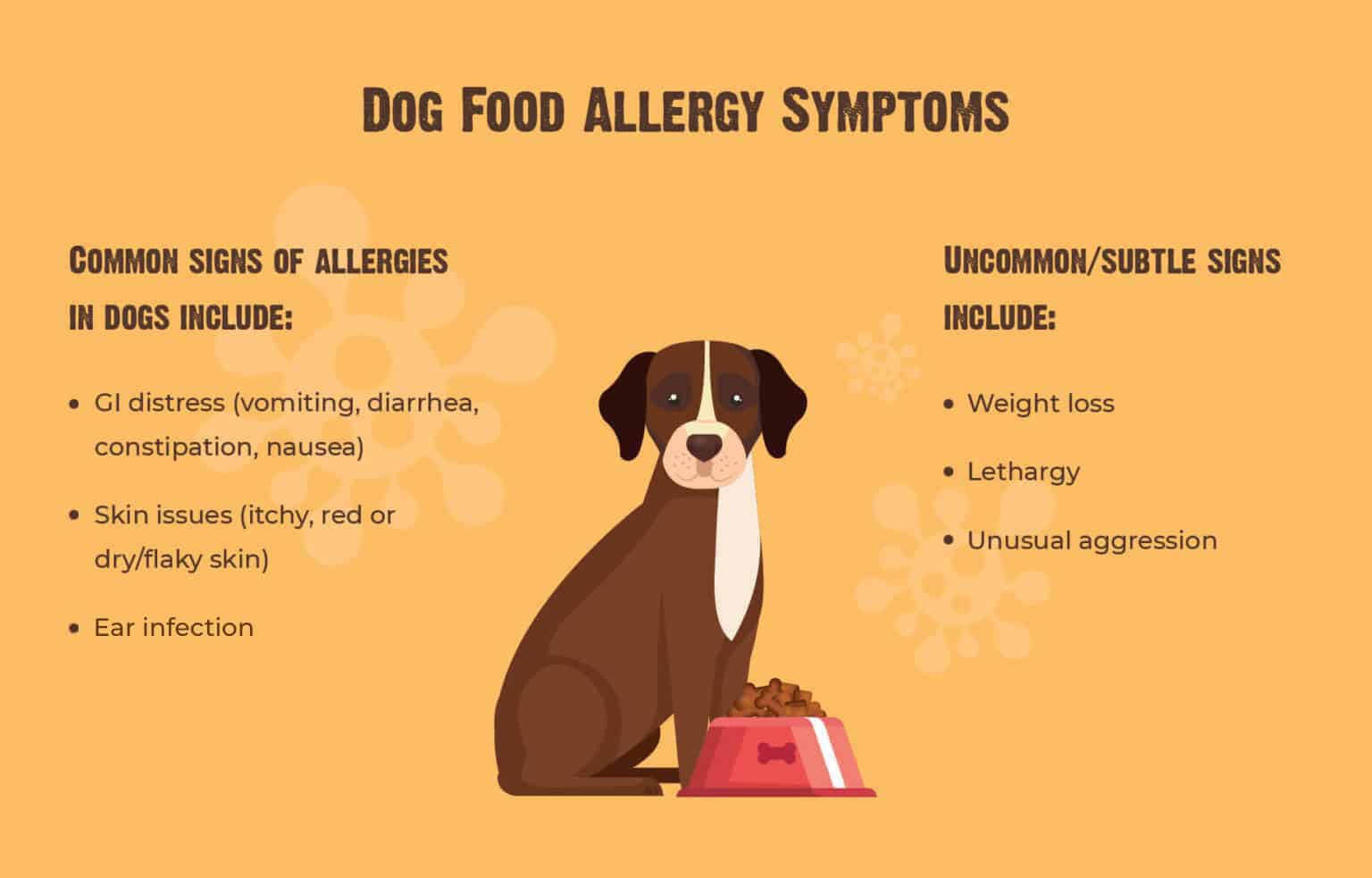
Credit: rawznaturalpetfood.com

Credit: www.huskyhavenfl.org
Frequently Asked Questions
What Are Common Skin Symptoms Of Chicken Allergy In Dogs?
Common skin symptoms include itching, redness, swelling, and hot spots. Dogs may also develop rashes or flaky skin. These signs often appear after eating chicken or chicken-based products. Early detection helps prevent worsening symptoms and improves treatment success.
How To Differentiate Chicken Allergy From Other Skin Issues?
Chicken allergy symptoms often coincide with digestive problems like vomiting or diarrhea. Skin symptoms worsen after consuming chicken. A vet can perform allergy tests to confirm. Eliminating chicken from the diet and observing improvements is a key diagnostic step.
Can Chicken Allergy Cause Hair Loss In Dogs?
Yes, chicken allergy can lead to hair loss due to persistent scratching and inflammation. Allergic reactions cause skin irritation, which damages hair follicles. Managing the allergy helps reduce hair loss and promotes healthy skin and coat recovery.
How Long Does It Take For Symptoms To Appear After Eating Chicken?
Symptoms usually appear within hours to a few days after chicken ingestion. Immediate reactions are less common but possible. Consistent exposure may worsen symptoms over time, making early identification crucial for effective management.
Conclusion
Dogs with chicken allergies show clear skin symptoms. These can include itching, redness, and swelling. Scratching and biting at the skin are common signs. Watch for hair loss or scabs too. Early detection helps your dog feel better fast. Avoid chicken in their diet to reduce symptoms.
Consult a vet for proper diagnosis and care. Keeping your dog comfortable is the top priority. Stay alert to changes in your dog’s skin health. Simple steps can improve their quality of life.