
Last Updated on May 30, 2026
If you’ve ever felt itchy, sneezed nonstop, or noticed your eyes watering after spending time with a furry friend, you might be dealing with a cat allergic reaction. Understanding what triggers these reactions and how to manage them can make a huge difference in your comfort and health.
Whether you love cats or just want to protect yourself and your family, knowing the signs and solutions is key. Keep reading to discover everything you need to know to stay safe and enjoy life around cats without constant discomfort.
Common Cat Allergy Symptoms
Cat allergy symptoms can show up in many ways. These symptoms vary from person to person. Some people have mild reactions, while others face more severe issues. Recognizing common signs helps manage allergies better. Knowing symptoms allows quick action to ease discomfort.
Skin Reactions
Skin reactions are common in cat allergies. Itching and redness may appear on the skin. Some people get small bumps or hives. These reactions often show on the face, neck, or hands. Scratching can make symptoms worse. Moisturizing and avoiding cats helps reduce skin problems.
Respiratory Issues
Respiratory symptoms affect breathing and the nose. Sneezing and a runny nose are typical signs. Some people feel nasal congestion or pressure. Coughing and wheezing may happen too. Asthma attacks can occur in sensitive people. Staying away from cats helps keep breathing clear.
Eye Irritation
Eye symptoms often include redness and itchiness. Eyes may water or feel dry and sore. Some people notice swollen eyelids. Rubbing eyes can increase irritation. Using eye drops can soothe discomfort. Avoid touching eyes after petting cats.
Digestive Problems
Digestive issues are less common but possible. Stomach pain or nausea may happen. Some people feel bloated or have diarrhea. These symptoms appear after touching cats or their fur. Drinking water and resting can help ease the problem. Medical advice may be needed for severe cases.

Credit: yourvetwantsyoutoknow.com
Main Causes Of Cat Allergies
Cat allergies affect many people worldwide. These allergies happen because of certain substances cats produce. Understanding the main causes helps manage and reduce allergic reactions. Here are the key factors behind cat allergies.
Allergens In Cat Dander
Cat dander is tiny skin flakes cats shed. These flakes carry proteins that cause allergies. Dander spreads easily in the air and sticks to furniture. Breathing in dander can trigger sneezing and itching. It is one of the most common cat allergens.
Saliva And Urine Proteins
Cats produce allergens in their saliva and urine. When cats groom themselves, saliva dries on their fur. This dried saliva becomes airborne and causes reactions. Urine also contains proteins that can cause allergies. These allergens linger in places where cats urinate.
Environmental Factors
Allergy symptoms can worsen due to environmental factors. Dust, pollen, and smoke can irritate the airways. Poor ventilation traps allergens indoors, increasing exposure. Humidity levels affect how allergens spread and stay in the air. Cleaning regularly helps reduce these environmental triggers.
Genetic Predisposition
Some people inherit a higher chance of allergies. Family history plays a big role in developing cat allergies. Genes influence how the immune system reacts to allergens. People with asthma or hay fever often react more strongly. Knowing your risk helps in managing symptoms better.
Identifying Cat Allergy Triggers
Identifying cat allergy triggers is key to managing symptoms effectively. Cats produce proteins in their skin, saliva, and urine that cause allergic reactions in some people. These proteins spread through dander, fur, and even the air around cats. Recognizing what sets off these allergies helps reduce exposure and discomfort.
Spotting Allergic Reactions
Common signs include sneezing, runny nose, and itchy eyes. Skin rashes or hives may also appear after contact with a cat. Some people experience coughing or wheezing. Symptoms often start shortly after being near a cat. They can vary from mild to severe.
Differentiating From Other Allergies
Cat allergy symptoms can resemble pollen or dust allergies. Timing helps distinguish them. Symptoms that worsen around cats or in homes with cats likely indicate a cat allergy. Skin tests or blood tests can confirm this. Knowing the exact cause guides proper treatment.
When To See A Doctor
Seek medical advice if symptoms are severe or worsen over time. Difficulty breathing, tightness in the chest, or persistent coughing needs prompt attention. A doctor can offer tests to identify allergens. They can also recommend medications or allergy shots. Early care improves quality of life.
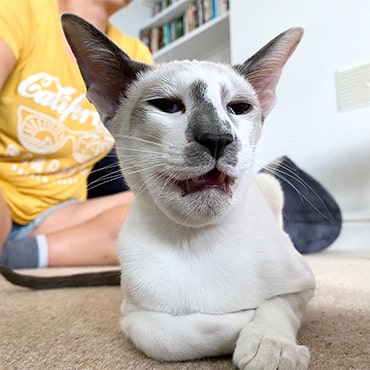
Credit: www.pdsa.org.uk
Immediate Relief For Cat Allergies
Cat allergies can cause sneezing, itchy eyes, and a runny nose. Immediate relief helps ease these symptoms quickly. Taking fast action can stop discomfort from growing worse. Simple steps bring comfort and allow normal activities to continue.
Over-the-counter Medications
Antihistamines block the allergy chemicals in your body. They reduce sneezing, itching, and nasal congestion. Nasal sprays also help open blocked airways fast. Eye drops soothe redness and itchiness in the eyes. Always follow the instructions on the package for safety.
Home Remedies
Rinsing your nose with saline water clears allergens out. Using a cold compress on your eyes lowers swelling and itchiness. Drinking plenty of water helps flush out allergens from your system. Keeping your home clean reduces dust and pet dander buildup.
Avoiding Allergen Exposure
Limit contact with cats during allergy flare-ups. Wash your hands and face after touching a cat. Use air purifiers to capture airborne allergens. Keep cats out of bedrooms and carpeted areas. Regularly wash bedding and curtains to remove allergens.
Long-term Allergy Management
Managing cat allergies over the long term requires consistent effort and smart strategies. Allergic reactions can worsen without proper care. Taking steps to reduce allergens in your environment helps control symptoms. A safe and comfortable home becomes possible with simple changes.
Allergy-proofing Your Home
Start by making your home less friendly to cat allergens. Keep cats out of bedrooms and off furniture. Use washable covers on pillows and mattresses. Choose hard floors instead of carpets to reduce allergen buildup. Remove clutter where dust and dander can gather.
Regular Cleaning Tips
Clean frequently to lower allergen levels. Vacuum with a HEPA filter to trap tiny particles. Wash bedding, curtains, and pet blankets weekly in hot water. Dust surfaces with a damp cloth to avoid spreading allergens. Clean litter boxes daily and place them in well-ventilated areas.
Air Purifiers And Ventilation
Use air purifiers with HEPA filters to capture airborne allergens. Place them in rooms where you spend most time. Open windows regularly to improve air flow and reduce indoor allergen concentration. Avoid smoking indoors as it worsens allergy symptoms.
Consulting Allergy Specialists
Seek advice from an allergy specialist for personalized care. They can suggest allergy testing to identify triggers. Doctors may recommend medications or allergy shots for relief. Regular check-ups help track symptom changes and adjust treatments.
Living Comfortably With Cat Allergies
Living comfortably with cat allergies is possible with the right approach. Many people love cats but struggle with allergic reactions. Managing allergies well can make life with cats enjoyable and healthy. This section covers key ways to reduce allergy symptoms and keep your home safe.
Choosing Hypoallergenic Cats
Some cat breeds cause fewer allergy problems. Hypoallergenic cats produce less of the proteins that trigger allergies. Breeds like the Siberian, Balinese, and Sphynx are popular choices. These cats still shed and need care, but they may lower allergy risks. Picking the right breed can help you enjoy pets with fewer reactions.
Building Tolerance Over Time
Exposure to cats in small amounts might help your body adapt. Gradually spending time near cats can reduce allergy symptoms. This process takes patience and care. Talk to an allergist before starting to build tolerance. Controlled exposure can improve your comfort around cats.
Balancing Pet Ownership And Health
Keeping cats and managing allergies requires effort. Regular cleaning reduces allergens in your home. Use air purifiers and vacuum often with HEPA filters. Keep cats out of bedrooms and off furniture. Wash your hands after petting cats. These steps protect your health while enjoying your pet’s company.

Credit: justcatsclinic.com
Frequently Asked Questions
What Are Common Symptoms Of A Cat Allergic Reaction?
Common symptoms include sneezing, itchy eyes, runny nose, and skin rashes. Some people also experience coughing and wheezing. These symptoms usually occur after exposure to cat dander or saliva.
How Can I Prevent Cat Allergic Reactions At Home?
To prevent reactions, keep cats out of bedrooms and use HEPA air filters. Regularly clean furniture and vacuum with a HEPA filter vacuum cleaner. Washing hands after touching cats also helps reduce allergens.
Are Cat Allergies Caused By Fur Or Dander?
Cat allergies are mainly caused by proteins in cat dander, saliva, and urine. Fur itself is not an allergen, but it can carry dander, which triggers allergic reactions in sensitive individuals.
Can Allergy Medications Help With Cat Allergic Reactions?
Yes, over-the-counter antihistamines and nasal sprays can relieve symptoms. For severe cases, consult a doctor for prescription treatments or allergy shots (immunotherapy). Always follow medical advice for best results.
Conclusion
Cat allergic reactions can cause discomfort and worry. Knowing common symptoms helps you act quickly. Keeping your home clean reduces allergens. Using air purifiers can improve indoor air quality. Consult a doctor for proper diagnosis and treatment. Managing allergies is possible with simple steps.
You can still enjoy your cat’s company safely. Stay informed and take care of your health.