
Last Updated on October 18, 2026
If you love cats but struggle with sneezing, itchy eyes, or constant congestion, cat dander might be the hidden culprit. You don’t have to give up your furry friend or suffer through discomfort.
Imagine a home where you can breathe easy and enjoy your pet without the annoying allergies. You’ll discover simple, effective ways to get rid of cat dander and make your living space healthier for you and your loved ones. Keep reading to learn easy steps that can change your daily life for the better.
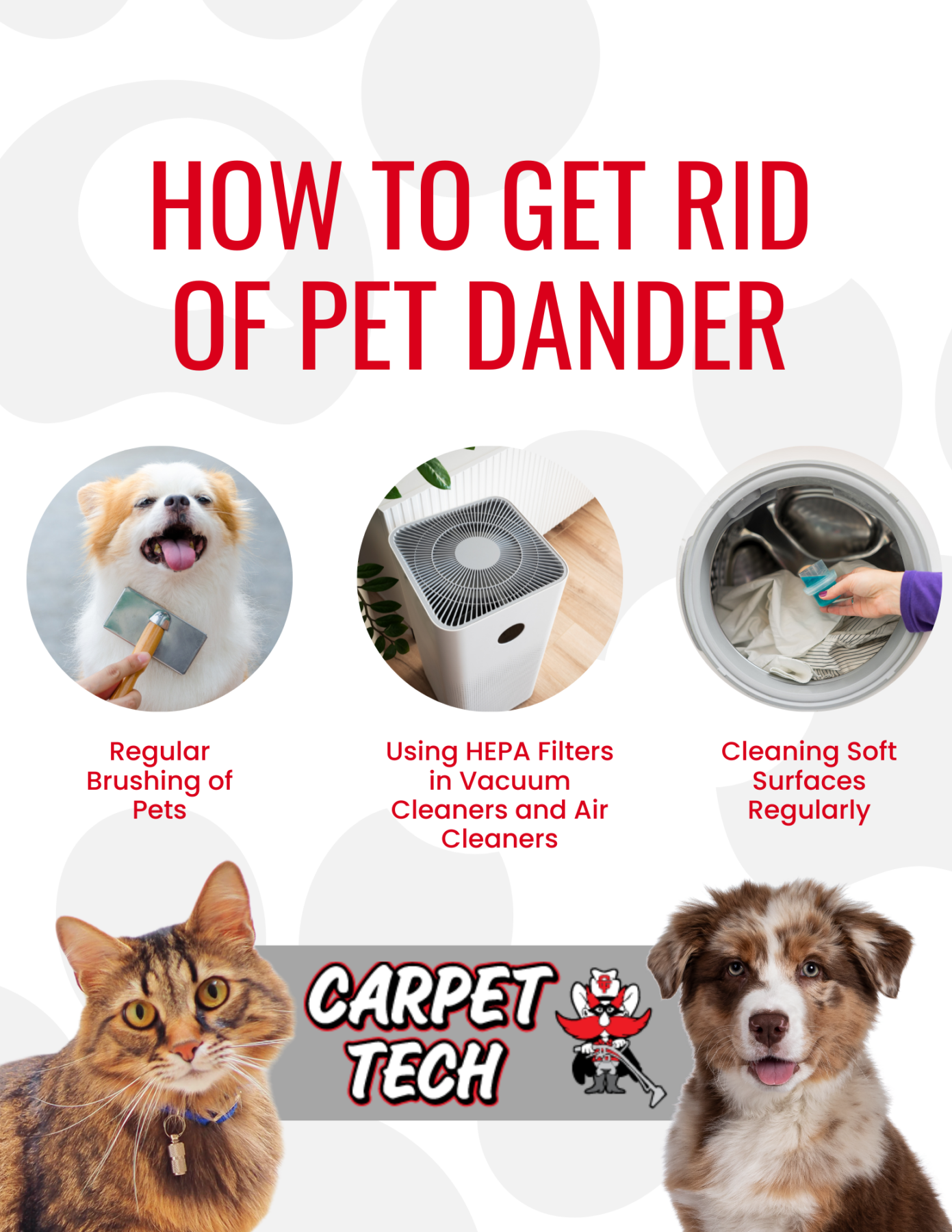
Credit: www.carpettech.com
Sources Of Cat Dander
Cat dander is a major cause of allergies in many homes. It comes from tiny skin flakes that cats shed. Knowing where dander comes from helps control it better. This section explains the main sources of cat dander and where it gathers most.
What Is Cat Dander
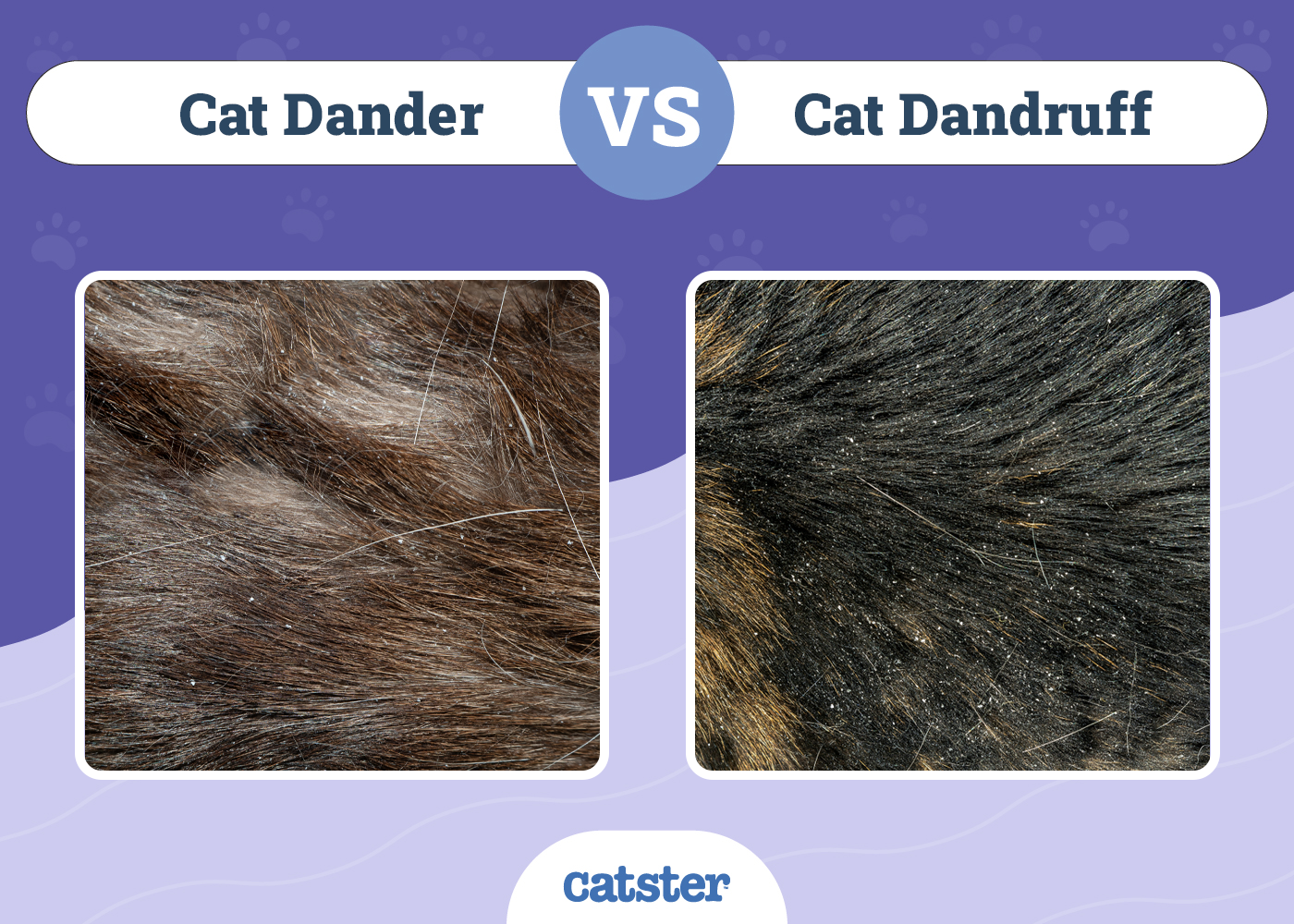
Cat dander is made of tiny pieces of dead skin. These flakes are so small they float in the air. Cat saliva and urine can also carry dander proteins. When cats groom themselves, they spread dander on their fur. This dander can cause sneezing and itchy eyes in sensitive people.
Common Areas Where Dander Accumulates
Dander sticks to many surfaces around the home. It builds up on furniture like sofas and chairs where cats rest. Carpets and rugs trap dander deep in their fibers. Cat bedding and blankets hold lots of dander too. Even curtains and cushions collect dander over time. Dander also floats in the air and settles on shelves and tables.
Credit: www.catster.com
Health Effects Of Cat Dander
Cat dander is made of tiny skin flakes from cats. These flakes carry proteins that can cause health problems. Many people do not notice cat dander. But for some, it can lead to serious issues. Understanding these health effects helps protect you and your family.
Cat dander spreads easily through the air and sticks to surfaces. This makes it hard to avoid. Breathing in dander can cause reactions in sensitive people. Knowing the symptoms and risks is important for managing exposure.
Allergic Reactions And Symptoms
Cat dander is a common allergen. It can trigger sneezing, runny nose, and itchy eyes. Some people may also get skin rashes or hives. These reactions can start soon after contact with dander. Symptoms often worsen in places where cats spend time.
Not everyone reacts the same way. Some have mild discomfort. Others face stronger allergic responses that affect daily life. Recognizing signs early helps reduce exposure and avoid severe issues.
Impact On Asthma And Respiratory Issues
Breathing in cat dander can make asthma worse. It can cause coughing, wheezing, and shortness of breath. People with asthma may find it harder to breathe around cats.
Long-term exposure can lead to more frequent asthma attacks. It can also increase the need for medication. Those with lung problems must be careful around cat dander. Avoiding or reducing dander helps keep airways clear and healthy.
Cleaning Techniques For Cat Dander
Cat dander can cause allergies and irritation in many homes. Cleaning is essential to reduce dander and keep your space fresh. Use specific techniques that target cat dander effectively. Regular cleaning helps limit airborne particles and surface buildup.
Regular Vacuuming Tips
Vacuum floors and furniture often to remove cat dander. Use a vacuum with a HEPA filter for best results. Move slowly and cover all areas, including corners. Don’t forget under furniture and along baseboards. Empty the vacuum bag or container after each use.
Effective Dusting Methods
Use a damp cloth or microfiber duster to clean surfaces. Dry dusting can spread dander into the air. Clean shelves, tables, and window sills regularly. Dust soft items like lampshades and blinds carefully. Rinse dusters frequently to avoid spreading allergens.
Washing Bedding And Fabrics
Wash cat bedding and your bedding often in hot water. Hot water kills dander and removes oils from fabric. Clean curtains, cushion covers, and blankets regularly. Use a gentle detergent that removes allergens. Dry fabrics completely to prevent mold and mildew.

Credit: www.eufy.com
Air Quality Improvement
Improving air quality is a key step to reduce cat dander in your home. Cat dander is tiny and light, so it floats in the air. Clearing the air helps lower allergy symptoms and keeps your space fresh. Simple actions can make a big difference in the air you breathe.
Using Air Purifiers
Air purifiers trap pet dander and other allergens from the air. Choose one with a HEPA filter for best results. These filters catch very small particles, including cat dander. Place the purifier in rooms where your cat spends time. Run it daily to keep the air clean and reduce dander buildup.
Ventilation Strategies
Good ventilation moves fresh air into your home and pushes stale air out. Open windows for a few minutes each day to improve airflow. Use exhaust fans in kitchens and bathrooms to reduce airborne particles. Avoid smoking indoors to prevent worsening air quality. Proper ventilation helps lower dander levels naturally.
Grooming Your Cat
Grooming your cat helps reduce the amount of dander in your home. Dander comes from dead skin cells that cats shed. Regular grooming removes loose fur and skin flakes. This keeps your cat clean and lowers allergens. It also improves your cat’s comfort and health.
Brushing Frequency And Tools
Brush your cat at least three times a week. More frequent brushing works better for long-haired cats. Use a soft-bristle brush or a rubber grooming glove. These tools catch loose fur and dander gently. Brush in the direction of hair growth. Be gentle around sensitive areas like the belly and face. Regular brushing stops fur from spreading around your house.
Bathing Your Cat Safely
Bathing reduces dander and dirt on your cat’s fur. Use a shampoo made for cats only. Avoid human shampoos, which can irritate their skin. Wet your cat with lukewarm water. Apply shampoo carefully and rinse well. Dry your cat with a soft towel. Bath your cat once every few months. Too much bathing can dry out their skin. Keep the experience calm to avoid stress for your cat.
Preventive Measures
Preventive measures help reduce cat dander in your home. They lower allergy risks and keep the air cleaner. Taking steps ahead saves effort later and creates a healthier space. Here are two effective ways to start.
Creating Cat-free Zones
Set up areas where cats are not allowed. Bedrooms make great cat-free zones. This keeps dander away from your sleeping space. Use baby gates or closed doors to block access. Clean these zones often to remove any dander. Soft furniture and bedding need regular washing too.
Choosing Hypoallergenic Cat Breeds
Some cat breeds produce less dander than others. Hypoallergenic breeds cause fewer allergy problems. Examples include the Siberian and Balinese cats. These cats shed less and spread less dander. Choosing the right breed helps reduce allergy symptoms. Research breeds carefully before bringing one home.
Products To Help Reduce Dander
Cat dander causes allergies and discomfort for many people. Using the right products can help reduce dander in your home. These products work by cleaning your cat or your living space. This makes the air cleaner and safer for allergy sufferers.
Specialized Shampoos And Sprays
Special shampoos designed for cats help remove dander from their fur. These shampoos are gentle and safe for pets. They reduce loose skin flakes that cause allergies. Sprays can also be applied between baths. These sprays help control dander build-up and keep your cat fresh.
Regular use of these products lowers the amount of dander your cat sheds. This makes your home less itchy and sneezy. Choose shampoos and sprays made for sensitive skin to avoid irritation.
Allergy-reducing Household Products
Some household products help trap and reduce cat dander in the air. Air purifiers with HEPA filters capture tiny dander particles. Vacuum cleaners with HEPA filters remove dander from carpets and furniture. Using these tools regularly keeps your home cleaner and healthier.
Special cleaning sprays for fabrics can also reduce dander. These sprays break down allergens on couches and curtains. Using allergy-friendly laundry detergents helps remove dander from pet bedding.
Frequently Asked Questions
What Is Cat Dander And Why Is It Harmful?
Cat dander consists of tiny skin flakes and proteins from cats. It can trigger allergies and asthma symptoms. Reducing exposure helps improve indoor air quality and health for sensitive individuals.
How Can I Reduce Cat Dander In My Home?
Regularly vacuum with a HEPA filter and clean surfaces with damp cloths. Wash cat bedding weekly and groom your cat often. Use air purifiers to capture airborne dander particles.
Does Bathing My Cat Reduce Dander?
Bathing your cat can help remove dander temporarily. Use pet-safe shampoos and avoid over-bathing to prevent skin dryness. Regular grooming is a better long-term solution for dander control.
Can Air Purifiers Help With Cat Dander Allergies?
Yes, HEPA air purifiers effectively trap airborne cat dander and allergens. Place purifiers in frequently used rooms to improve air quality and reduce allergy symptoms.
Conclusion
Controlling cat dander helps keep your home fresh and clean. Regular cleaning and grooming reduce dander build-up. Using air purifiers can improve indoor air quality. Washing bedding and vacuuming often remove allergens effectively. Small steps make a big difference for allergy relief.
Stay consistent and patient with your cleaning routine. Your home can feel more comfortable and healthy. Taking action today helps protect you and your family. Cat dander does not have to control your life.