Last Updated on May 30, 2026
Have you ever noticed your eyes itching, watering, or turning red after spending time with a cat? If so, you might be experiencing an allergic reaction in your eye from a cat.
It’s more common than you think, and it can be uncomfortable and frustrating. But don’t worry—understanding why this happens and how to manage it can make a big difference. Keep reading to discover what triggers these reactions, how to spot the symptoms early, and the best ways to protect your eyes without giving up your furry friend.
Your comfort and health matter, and the answers you need are right here.
Credit: community.aafa.org
Causes Of Eye Allergies From Cats
Eye allergies caused by cats occur due to specific substances these pets produce. These substances trigger the immune system, leading to irritation in the eyes. Understanding the main causes helps manage and prevent allergic reactions effectively.
Cat Dander And Allergens
Cat dander is tiny skin flakes shed by cats. These flakes carry proteins that cause allergic reactions. Dander easily spreads through the air and settles on furniture and clothes. Many people react to this invisible, airborne allergen.
Saliva And Urine Proteins
Cats groom themselves by licking their fur. Their saliva contains allergenic proteins. When dried, these proteins stick to the fur and skin. Urine also has similar proteins that can trigger allergies if touched or inhaled.
Environmental Triggers
Dust, pollen, and smoke can worsen eye allergies from cats. These environmental factors irritate the eyes further. They make symptoms like redness and itching worse for sensitive individuals.
Genetic Predisposition
Some people inherit a tendency to develop allergies. Their immune systems react strongly to cat allergens. Family history often plays a role in who suffers from eye allergies due to cats.
Common Symptoms In The Eye
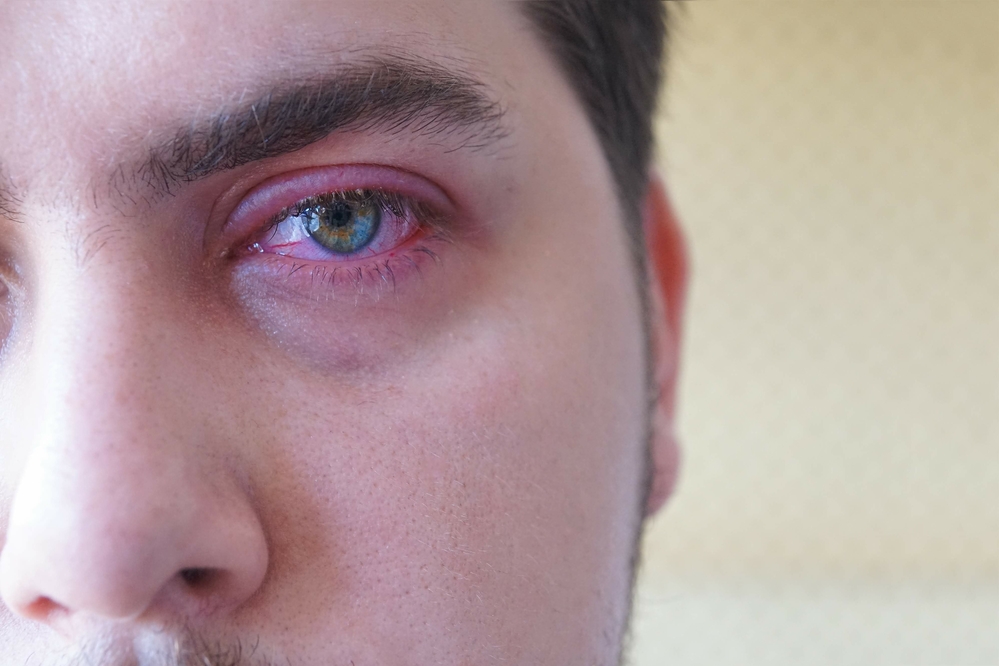
Allergic reactions in the eye caused by cats often show clear signs. Recognizing these signs early helps in managing discomfort quickly. Symptoms affect the eye’s surface and surrounding areas. They cause irritation and can make daily activities hard.
Redness And Irritation
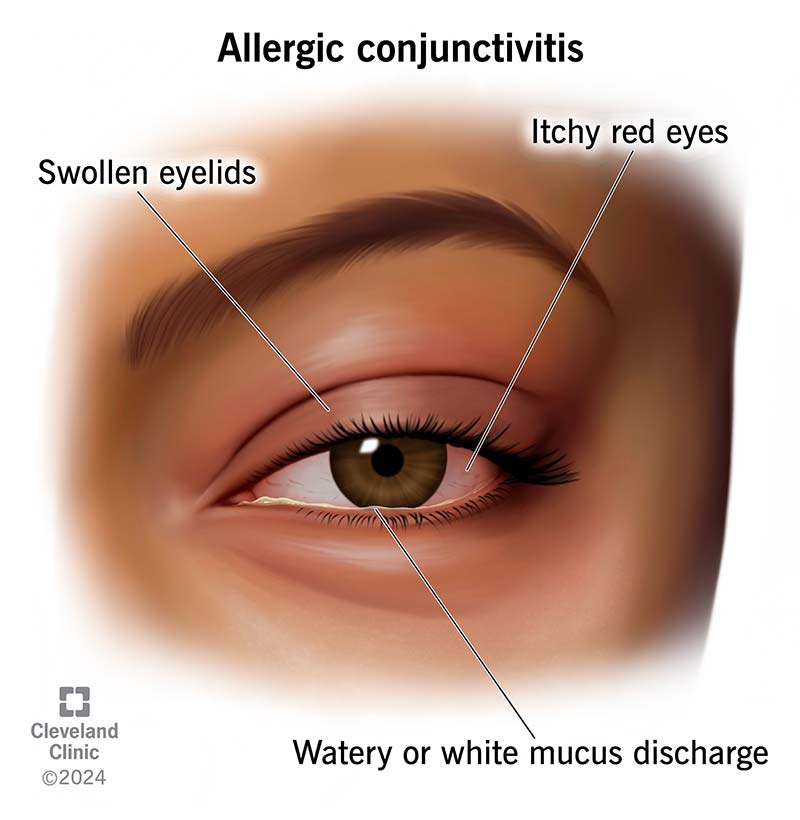
Redness is one of the first signs of an eye allergy. The eye looks bloodshot and feels sore. Irritation often follows, making the eye uncomfortable. This happens because allergens trigger inflammation in the eye.
Itching And Burning Sensation
Itching is a strong urge to rub the eyes. It comes with a burning feeling that stings. These symptoms make it hard to keep the eyes open. Rubbing can worsen the irritation and cause damage.
Watery Eyes And Tearing
Watery eyes happen when tears flow more than usual. This is the body’s way to flush out allergens. Tearing can blur vision and cause discomfort. It often occurs along with redness and itching.
Swelling And Puffy Eyelids
Swelling around the eyes makes the eyelids look puffy. The skin may feel tight and tender to touch. Puffy eyelids can make it difficult to open the eyes fully. This swelling is a sign of the body’s allergic reaction.
Quick Relief Tips
Dealing with an allergic reaction in your eyes caused by a cat can be uncomfortable. Quick relief is important to ease the irritation and reduce redness. Follow these simple steps to soothe your eyes safely and effectively.
Washing The Eyes Safely
Rinse your eyes with clean, lukewarm water. Use a gentle stream to flush out allergens. Avoid rubbing your eyes, as this can make irritation worse. Use a clean cup or your hands to pour water slowly. Repeat this for a few minutes to remove cat allergens.
Cold Compress Application
Apply a cold compress to your closed eyes. Use a clean cloth soaked in cold water or an ice pack wrapped in fabric. Hold it gently on your eyes for 10 to 15 minutes. Cold helps reduce swelling and soothes itching quickly. Do not apply ice directly to the skin.
Over-the-counter Eye Drops
Use antihistamine eye drops to calm the allergic reaction. Choose drops designed for allergy relief. Follow the instructions on the package carefully. Avoid using drops with redness relievers too often. They can cause more irritation if overused.
Avoiding Cat Exposure
Limit your time near cats during allergy flare-ups. Wash your hands after touching cats or their belongings. Keep cats out of your bedroom and off furniture. Clean your home regularly to remove cat dander. Using air purifiers can also reduce allergens in the air.
Long-term Management
Managing allergic reactions in the eye caused by cats requires steady care. Long-term steps reduce symptoms and improve comfort. These strategies help keep allergies under control every day.
Allergy Medications
Antihistamines block allergy symptoms quickly. Eye drops reduce redness and itching. Doctors may suggest corticosteroids for strong inflammation. Always follow dosage instructions carefully. Regular use can prevent flare-ups and ease discomfort.
Immunotherapy Options
Immunotherapy helps build tolerance to cat allergens. Small doses of allergens are given over months or years. This treatment lowers the body’s allergic response. It can reduce the need for medications. Consult an allergist to see if this fits your needs.
Home Cleaning Strategies
Keep your home free of cat allergens. Vacuum floors and furniture often with HEPA filters. Wash bedding and curtains regularly in hot water. Use air purifiers to reduce airborne allergens. Clean surfaces to remove dust and dander daily.
Pet Care And Hygiene
Bathing your cat weekly lowers allergen spread. Brush your cat outside to remove loose fur. Keep cats off beds and sofas to reduce contact. Wash hands after petting your cat. These steps help control allergens in your living space.
When To See A Doctor
Knowing when to see a doctor for an allergic reaction in the eye caused by a cat is important. Some symptoms need medical attention to avoid complications. Understanding these signs helps protect your eye health.
Persistent Symptoms
If redness, itching, or swelling lasts more than a few days, see a doctor. Persistent symptoms might mean the allergy is severe or another issue is present. Home treatments should improve symptoms quickly. Lack of improvement needs a professional evaluation.
Signs Of Infection
Watch for yellow or green discharge from the eye. Pain, increased redness, or swelling can signal infection. Blurred vision or sensitivity to light may also appear. These signs require prompt medical care to prevent damage.
Severe Allergic Reactions
Severe reactions include intense swelling around the eye or difficulty opening it. Trouble breathing, dizziness, or swelling beyond the eye area are emergencies. Immediate medical attention is critical in these cases. Do not wait or ignore these symptoms.
Credit: my.clevelandclinic.org

Credit: www.reddit.com
Frequently Asked Questions
What Causes Allergic Reactions In Eyes From Cats?
Allergic reactions in eyes from cats are caused by proteins in cat dander, saliva, and urine. These allergens trigger the immune system, leading to symptoms like itching, redness, and watery eyes. Cat fur itself is not an allergen, but it carries these proteins.
How Can I Relieve Cat Allergy Symptoms In My Eyes?
To relieve cat allergy symptoms, rinse your eyes with cool water and use over-the-counter antihistamine eye drops. Avoid rubbing your eyes, as this worsens irritation. Keeping cats out of your bedroom and using air purifiers can reduce allergen exposure and help manage symptoms effectively.
Are Cat Eye Allergies Dangerous Or Long-lasting?
Cat eye allergies are typically not dangerous but can be uncomfortable. Symptoms usually improve once exposure ends or with treatment. If untreated, allergies can cause persistent irritation or secondary infections. Consult a doctor if symptoms worsen or do not improve within a few days.
Can Allergy Shots Help With Cat-related Eye Allergies?
Yes, allergy shots (immunotherapy) can help reduce sensitivity to cat allergens over time. They gradually build your immune system’s tolerance to cat proteins, decreasing allergic reactions. This treatment is recommended for severe or persistent symptoms that do not respond well to other remedies.
Conclusion
Allergic reactions in the eye from cats can cause discomfort and redness. Avoid rubbing your eyes to prevent irritation. Use cold compresses to ease swelling and itching. Over-the-counter eye drops may help, but see a doctor if symptoms worsen. Keeping your living space clean reduces allergens.
Regularly washing hands after petting cats helps too. Understanding these simple steps keeps your eyes safe and comfortable. Taking care early prevents serious problems later. Stay alert to your body’s signals and act quickly. Your eyes will thank you.