
Last Updated on May 29, 2026
Is your cat constantly scratching or biting its skin? It’s hard to see your furry friend uncomfortable and restless.
You want to help, but you might wonder, “How can I soothe my cat’s itchy skin with home remedies? ” You’re not alone, and the good news is there are simple, safe ways you can ease your cat’s itchiness right at home.
Keep reading to discover easy steps you can take today to bring relief to your cat and restore their happy, calm self.

Credit: www.greatpetcare.com
Common Causes Of Itchy Skin In Cats
Itchy skin in cats is a common problem that many pet owners notice. Cats scratch, lick, or bite their skin to find relief. Understanding the main causes helps to soothe their discomfort at home. Knowing why your cat’s skin itches is the first step to better care.
Allergies And Sensitivities
Allergies often cause itchy skin in cats. These allergies can come from food, pollen, or dust mites. Some cats react to certain ingredients in their food. Environmental allergens like pollen or mold also trigger itching. Sensitivities to flea bites or grooming products may cause irritation. Identifying these allergies helps to reduce your cat’s discomfort.
Parasites And Infections
Parasites such as fleas and mites are common causes of itching. Flea bites cause intense irritation and allergic reactions. Mites burrow into the skin, causing redness and hair loss. Bacterial or fungal infections may develop from scratching. These infections make itching worse. Treating parasites and infections is key to stopping the itch cycle.
Dry Skin And Environmental Factors
Dry skin can make cats scratch more often. Low humidity or cold weather dries out their skin. Bathing too often or using harsh soaps also strips natural oils. Dusty or dirty environments may irritate sensitive skin. Keeping your cat’s skin moist and clean helps reduce itching. Adjusting the environment supports healthier skin.
Safe Home Remedies For Itchy Skin
Itchy skin in cats can cause discomfort and stress. Safe home remedies help calm irritation without harsh chemicals. These natural treatments soothe your cat’s skin gently and effectively. Always watch your cat’s reaction to any remedy and stop if there is a negative response.
Oatmeal Baths For Relief
Oatmeal is a natural ingredient known for soothing itchy skin. Grind plain oatmeal into a fine powder. Mix it into warm water and let your cat soak for 5 to 10 minutes. The oatmeal helps reduce redness and calm inflammation. Be sure to rinse your cat well to remove all oatmeal residue.
Coconut Oil Application
Coconut oil has moisturizing and antibacterial properties. Apply a small amount to the itchy areas of your cat’s skin. Use gentle strokes and avoid open wounds. Coconut oil can help heal dry patches and reduce itching. Start with a little to check for any skin reactions.
Aloe Vera For Soothing Irritation
Aloe vera gel is known for its cooling effect. Use pure aloe vera without added chemicals. Apply a thin layer to irritated skin spots on your cat. Aloe vera helps reduce inflammation and promotes healing. Avoid letting your cat lick large amounts of aloe vera.
Diet And Supplements To Support Skin Health
Diet plays a big role in keeping your cat’s skin healthy and itch-free. Certain foods and supplements can help reduce irritation and improve skin condition. Feeding the right nutrients supports healing and comfort.
Good nutrition helps control inflammation and boosts your cat’s immune system. This means fewer flare-ups and less scratching. Let’s explore some key diet tips and supplements for better skin health.
Omega-3 Fatty Acids Benefits
Omega-3 fatty acids are great for your cat’s skin. They reduce inflammation and soothe irritation. Fish oil is a common source of omega-3s for cats. These fatty acids also help keep the skin moist and soft.
Adding omega-3 supplements can calm redness and itchiness. They may improve your cat’s coat shine too. Always use products made for cats and follow the recommended dose.
Hydration Tips For Cats
Proper hydration is vital for skin health. Dry skin often comes from lack of water. Fresh water should be available at all times. Some cats prefer running water from a cat fountain.
You can also add wet food to your cat’s diet. Wet food contains moisture that helps keep skin hydrated. This helps reduce dryness and itching naturally.
Choosing Hypoallergenic Cat Food
Hypoallergenic cat food can reduce skin allergies. These foods have limited ingredients to avoid triggers. Common allergens include beef, dairy, and wheat.
Switching to hypoallergenic food may improve your cat’s skin condition. It can stop itching caused by food allergies. Always introduce new food slowly to avoid stomach upset.
Environmental Changes To Reduce Itching
Changing your cat’s environment can help reduce itchy skin. Small adjustments make a big difference. A clean, comfortable space supports healthy skin. Pay attention to the air quality and what your cat touches daily. These steps help soothe your cat without medicine.
Regular Cleaning And Grooming
Keep your home clean to remove dust and allergens. Vacuum floors and furniture often. Wash your cat’s bedding weekly to avoid dirt buildup. Groom your cat regularly to remove loose fur and dirt. Brushing spreads natural oils and keeps skin healthy. Clean your cat’s fur with gentle wipes if needed.
Humidifiers And Air Quality
Dry air can make your cat’s skin itchy. Use a humidifier to add moisture to the air. This helps prevent dry, flaky skin. Avoid strong air fresheners or sprays that irritate your cat. Open windows for fresh air when possible. Keep your home well-ventilated but free from drafts.
Avoiding Common Irritants
Some household items cause skin irritation. Avoid harsh cleaning chemicals and perfumes. Choose pet-safe detergents for washing your cat’s items. Keep your cat away from plants that may cause allergies. Check new furniture for strong smells before bringing it home. Use gentle, natural products around your cat’s space.
When To Seek Veterinary Care
Knowing when to seek veterinary care is important for your cat’s health. Home remedies can help with mild itchiness. Some skin problems need a vet’s attention to prevent harm. Watch your cat carefully for warning signs.
Signs Of Severe Skin Issues
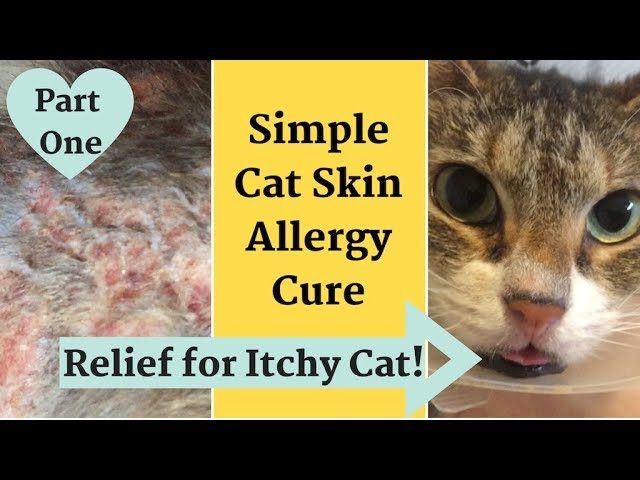
Look for open sores, bleeding, or scabs. Excessive scratching or biting shows serious discomfort. Swelling or redness that spreads can mean infection. Hair loss in patches or constant licking needs care. If your cat acts tired or loses appetite, see a vet.
Professional Treatments Available
Veterinarians can give medicine to stop itching fast. They may use antibiotics for infections or antifungal creams. Allergy tests help find causes and guide treatments. Sometimes, special shampoos or injections are needed. Vets provide advice on safe and effective care.
Preventing Recurring Skin Problems
Keep your cat’s environment clean and free from irritants. Use vet-recommended flea and parasite control regularly. Feed a balanced diet that supports healthy skin. Groom your cat often to remove dirt and loose fur. Regular vet check-ups catch skin issues early.
Credit: www.youtube.com
Credit: drruthroberts.com
Frequently Asked Questions
What Are The Best Home Remedies For Itchy Cat Skin?
Use oatmeal baths, coconut oil massages, and aloe vera gel to soothe itchy skin. These remedies moisturize and reduce irritation naturally. Always test a small area first to avoid allergic reactions.
How Can Diet Improve My Cat’s Itchy Skin?
Feeding your cat omega-3 rich foods like fish oil can reduce inflammation. A balanced diet strengthens their skin barrier and prevents dryness. Consult your vet before changing your cat’s diet.
Can Apple Cider Vinegar Help With Cat Skin Itching?
Diluted apple cider vinegar acts as an antifungal and antibacterial agent. It relieves itchiness and soothes irritation. Never apply vinegar on open wounds or raw skin to avoid burning.
How Often Should I Bathe My Cat For Itchy Skin?
Bathe your cat every 2 to 4 weeks using a gentle, hypoallergenic shampoo. Frequent baths remove allergens and soothe the skin. Avoid overbathing, as it can dry out the skin further.
Conclusion
Soothing your cat’s itchy skin at home can bring relief fast. Use gentle remedies like oatmeal baths or coconut oil. Keep your cat’s environment clean and free of irritants. Watch for changes in their skin or behavior every day. Consult a vet if itching lasts or worsens.
Small steps make a big difference in comfort and health. Caring for your cat’s skin helps them feel happy and calm. Simple home treatments often ease irritation without harsh chemicals. Stay patient and consistent for the best results.