Last Updated on October 15, 2026
Is your cat scratching more than usual or showing signs of discomfort? You might be dealing with allergies, but how do you know for sure?
Allergy testing for cats can give you clear answers and help your furry friend feel better fast. You’ll discover how allergy testing works, why it’s important, and what steps you can take to keep your cat happy and healthy. Keep reading to learn how to protect your pet from the hidden irritants that could be causing their trouble.
Common Cat Allergies
Cats can suffer from different allergies that affect their health. Understanding these allergies helps keep your cat comfortable and healthy. Common cat allergies cause itching, redness, and other skin problems. Identifying the allergy type is important for proper care.
Food Allergies
Food allergies in cats happen when their immune system reacts to certain ingredients. Common triggers include beef, chicken, dairy, and fish. Symptoms include itching, vomiting, and diarrhea. A vet may suggest a special diet to find the cause.
Environmental Allergies
Environmental allergies come from things in a cat’s surroundings. Dust, pollen, mold, and smoke can cause reactions. Cats may sneeze, cough, or have watery eyes. Skin problems can also appear with constant exposure to allergens.
Flea Allergy Dermatitis
Flea allergy dermatitis is a reaction to flea bites. Even a single bite can cause intense itching. Cats with this allergy scratch and bite their skin a lot. Flea control is essential to stop this problem and protect your cat.
Credit: www.animaldermatologyclinic.com.au
Symptoms Of Allergies In Cats
Allergies in cats can cause many different symptoms. Recognizing these signs helps owners get quick treatment. Cats react to allergens in various ways. Some show skin problems, while others have breathing or digestion issues. Early detection improves comfort and health for your cat.
Skin Irritations
Skin problems are the most common allergy signs in cats. Your cat may scratch or lick a lot. This can cause redness and hair loss. Small bumps or scabs might appear on the skin. Some cats develop flaky or dry patches. Constant itching leads to wounds and infections.
Respiratory Issues
Allergic cats often have breathing troubles. Sneezing happens frequently and suddenly. You might hear coughing or wheezing sounds. Nasal discharge or watery eyes can appear. Breathing may become noisy or labored. These signs show the cat struggles to breathe well.
Digestive Problems
Food allergies can upset your cat’s stomach. Vomiting or diarrhea might occur after meals. Your cat could lose appetite or seem tired. Sometimes weight loss happens without clear reasons. Digestive discomfort makes your cat restless or weak. Notice these symptoms for early allergy testing.
Types Of Allergy Tests
Allergy testing helps find what causes your cat’s discomfort. Different tests check for different allergens. Choosing the right test depends on your cat’s symptoms and health. Understanding these tests can guide you to the best care.
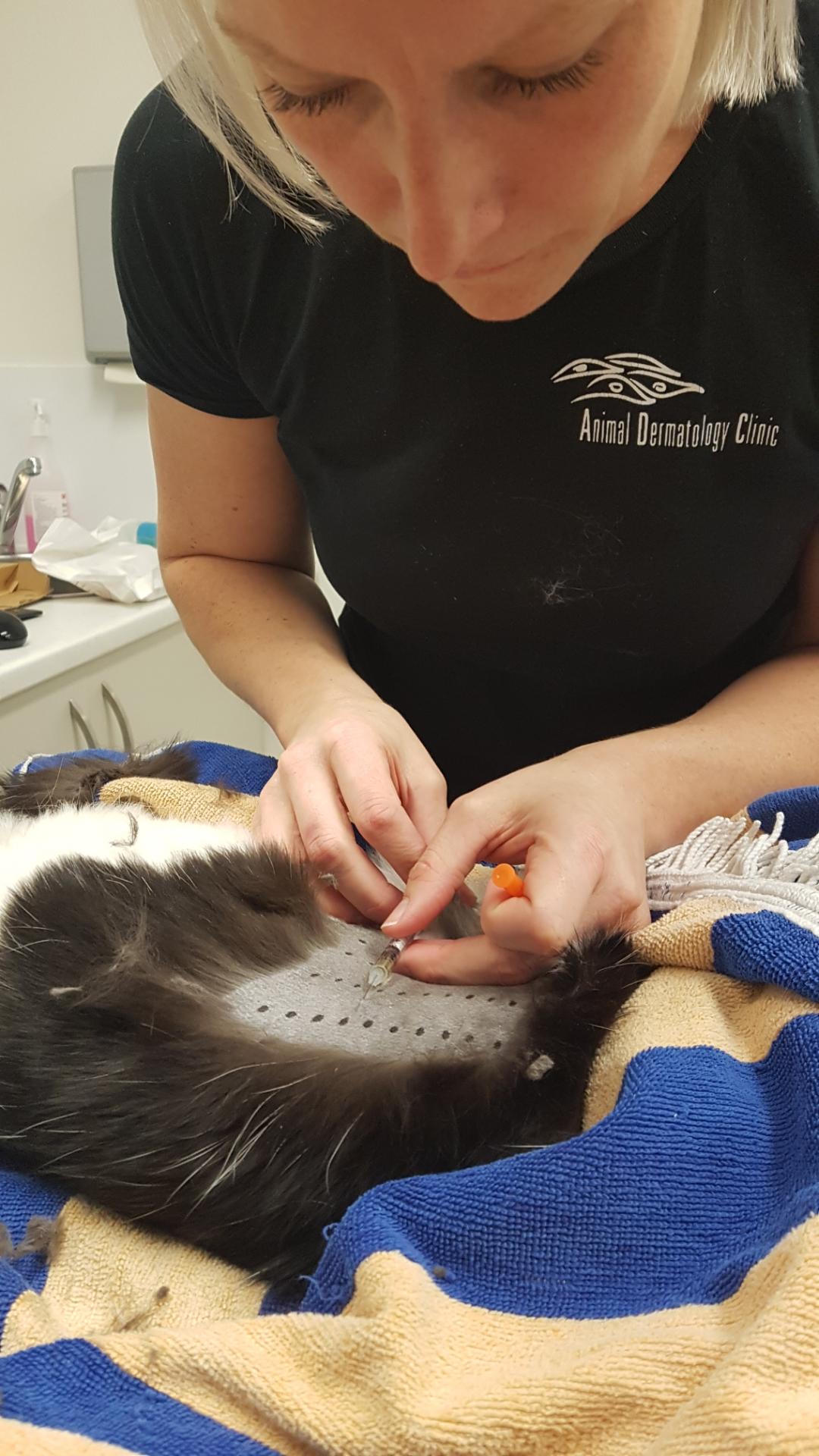
Skin Testing
Skin testing checks for allergic reactions directly on the cat’s skin. Small amounts of allergens are placed on or under the skin. The vet watches for redness or swelling. This test shows which substances cause reactions quickly. It requires your cat to stay still during the test. Results appear within minutes to hours.
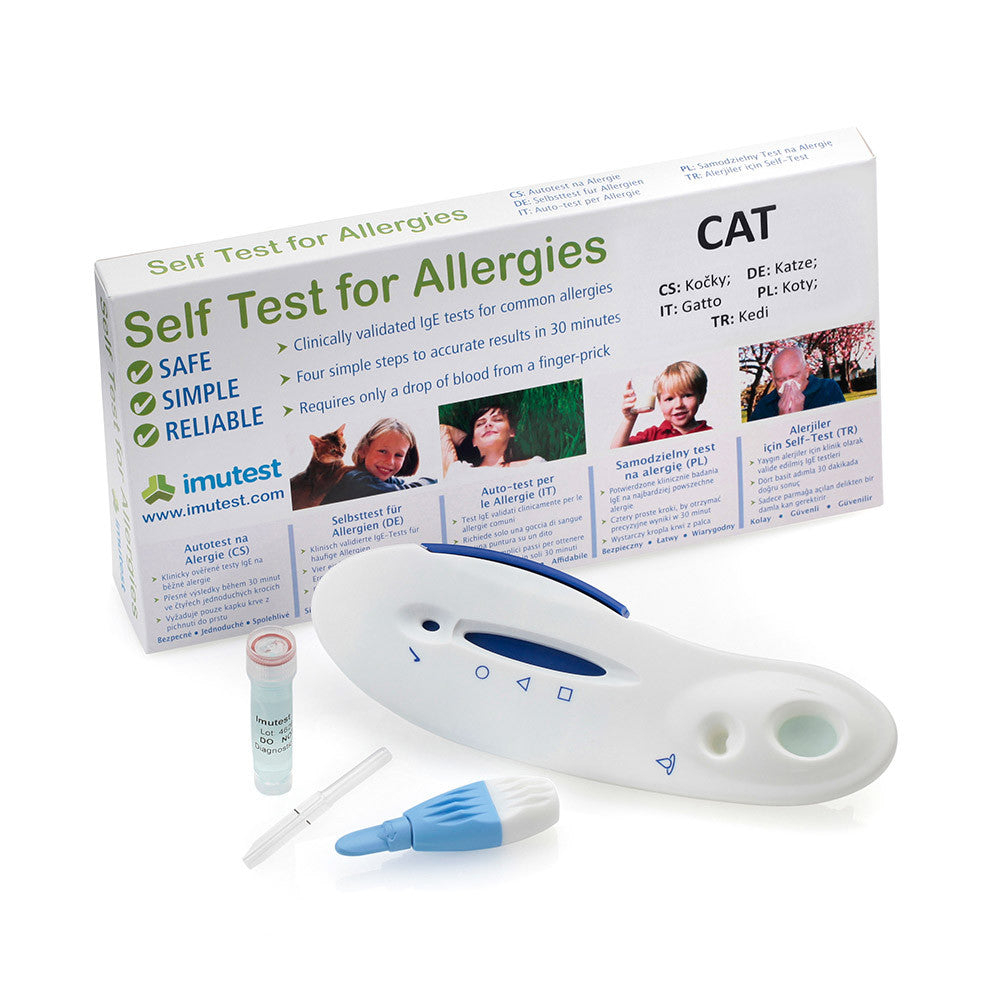
Blood Tests
Blood tests measure your cat’s immune response to allergens. A small blood sample is taken and analyzed in a lab. The test looks for antibodies that fight allergens. It helps identify specific allergies without touching the skin. Blood tests are less stressful for some cats. Results usually take a few days.
Elimination Diets
Elimination diets find food allergies by changing your cat’s meals. You remove certain ingredients from the diet for weeks. Then, you slowly add them back one at a time. Watch for any signs of allergy return. This process takes time but is very effective. It also improves your cat’s overall health.
Preparing Your Cat For Testing
Preparing your cat for allergy testing helps the process go smoothly. It reduces stress for your pet and gives the vet accurate results. Knowing what to expect makes the day easier for both of you. Here are steps to prepare your cat before the appointment.
Scheduling The Appointment
Choose a time when your cat is calm and rested. Avoid busy times at the clinic to reduce noise. Inform the vet about your cat’s current health and medications. Ask how long the test will take and what to bring.
Pre-test Care
Keep your cat’s routine as normal as possible. Follow any fasting instructions from the vet carefully. Avoid giving new foods or treats before testing. Gently brush your cat to help them relax. Prepare a carrier with soft bedding for the visit.
What To Expect During Testing
The vet will examine your cat first. Allergy tests often include skin or blood tests. Your cat may feel a small prick or scratch. The process is usually quick and safe. Stay calm to comfort your cat throughout the test.
Interpreting Test Results
Understanding the results of allergy testing for cats is key to managing their health. These tests help find what triggers your cat’s allergic reactions. Knowing how to read these results guides you to the right treatment and care plan.
Positive Vs Negative Reactions
A positive reaction means your cat is sensitive to a specific allergen. The test shows a strong response to that allergen. A negative reaction means no sensitivity was found. Not all allergens cause symptoms, so your vet will consider the full picture.
Common Allergens Identified
Common allergens include pollen, dust mites, mold, and certain foods. Flea bites also cause allergic reactions in many cats. Identifying these helps avoid exposure. This can reduce itching, redness, and other symptoms.
Next Steps After Diagnosis
After diagnosis, your vet may suggest changes in diet or environment. They might recommend medication to ease symptoms. Avoiding known allergens is important. Regular check-ups can track your cat’s progress. This ensures your cat stays comfortable and healthy.
Credit: www.imutest.com
Treatment Options For Allergies
Allergies in cats can cause itching, sneezing, and discomfort. Treating these allergies helps your cat live better. Several options exist to reduce symptoms and improve your cat’s health.
Medications And Therapies
Vets often prescribe medicines to ease allergy symptoms. Antihistamines reduce itching and swelling. Steroids may be used for severe cases. Some cats respond well to allergy shots. These shots help build tolerance to allergens.
Dietary Changes
Food allergies are common in cats. Switching to a hypoallergenic diet can help. Special diets avoid common allergens like beef or dairy. Limited ingredient diets reduce the chance of reactions. Always consult your vet before changing your cat’s food.
Environmental Management
Controlling your cat’s environment reduces allergy triggers. Regular cleaning removes dust and pollen. Using air purifiers lowers airborne allergens. Avoid smoking or using strong chemicals near your cat. Keeping your home free of irritants helps greatly.
Preventing Allergies In Cats
Preventing allergies in cats helps keep them healthy and happy. Allergies can cause itching, sneezing, and discomfort. Simple habits reduce the chance of allergic reactions. Focus on grooming, flea control, and the home environment. These steps protect your cat from allergy triggers and improve their quality of life.
Regular Grooming
Brush your cat’s fur often to remove dirt and dander. Bathing with gentle shampoo helps clear allergens from the skin. Grooming reduces loose hair that carries allergens around the house. It also helps spot skin problems early. A clean coat means fewer allergy triggers for your cat.
Flea Control Strategies
Fleas cause strong allergic reactions in many cats. Use vet-approved flea treatments regularly to keep fleas away. Clean your cat’s bedding and living areas often. Vacuum floors and furniture to remove flea eggs and larvae. Flea prevention lowers allergy risks and keeps your cat comfortable.
Creating An Allergy-free Environment
Keep your home dust-free by cleaning surfaces and floors regularly. Use air purifiers to reduce airborne allergens like pollen and dust mites. Avoid using strong chemicals or scented products around your cat. Provide clean, soft bedding that you wash often. A safe environment minimizes allergy triggers and helps your cat breathe easier.
When To See A Vet
Knowing when to see a vet for your cat’s allergies is very important. Allergies can cause discomfort and lead to serious health problems. Early care helps your cat feel better faster. Watch your cat closely and act if symptoms worsen or do not improve.
Emergency Signs
Some allergy symptoms need urgent vet care. Difficulty breathing, swelling of the face or throat, and severe itching are emergencies. Your cat may also vomit or collapse. These signs require immediate veterinary attention to prevent life-threatening issues.
Follow-up Care
After allergy testing, regular vet visits are crucial. The vet monitors your cat’s response to treatment. Skin conditions or breathing problems may need adjustments in medication. Follow-up care helps keep allergies under control and prevents flare-ups.
Specialist Referrals
Your vet may refer you to a pet allergist. Specialists have extra training in allergy diagnosis and treatment. They offer advanced testing and personalized care plans. This step is helpful when allergies are complex or hard to manage.

Credit: www.unleashedvetderm.com
Frequently Asked Questions
What Are Common Signs Of Allergies In Cats?
Common signs include itching, redness, sneezing, coughing, and hair loss. Cats may also have watery eyes or skin infections. Identifying these symptoms early helps in proper allergy testing and treatment.
How Is Allergy Testing Done For Cats?
Allergy testing for cats is usually done through blood tests or intradermal skin tests. Blood tests measure antibodies, while skin tests identify specific allergens. Your vet will recommend the best method based on your cat’s symptoms.
Can Allergy Testing Help Treat My Cat’s Symptoms?
Yes, allergy testing helps identify triggers, allowing targeted treatments. Vets can prescribe allergy shots, medications, or dietary changes. This improves your cat’s comfort and reduces allergic reactions effectively.
Are Food Allergies Common In Cats?
Yes, food allergies are common in cats and often cause skin issues and digestive upset. Allergy testing can identify problematic ingredients, helping to create a safe, hypoallergenic diet for your cat.
Conclusion
Allergy testing helps identify what causes your cat’s discomfort. It guides you to choose the right treatment. Early testing can prevent serious health issues. Your cat will feel better and act happier. Talk to your vet about the best testing options.
Taking action shows you care about your pet’s health. Keep your cat safe and comfortable with proper care. Simple tests can make a big difference in your cat’s life.