Last Updated on October 15, 2026
If your Pitbull is scratching more than usual or showing red, irritated skin, you know how uncomfortable skin allergies can be for your furry friend. You want to help your dog feel better fast, but figuring out the right treatment can be confusing.
This guide will walk you through simple, effective ways to identify and treat your Pitbull’s skin allergies. By understanding what’s causing the problem and how to manage it, you can bring relief to your dog and enjoy more happy, itch-free days together.
Keep reading to learn exactly what steps you can take to protect your Pitbull’s skin health.
Common Causes Of Pitbull Skin Allergies
Skin allergies in Pitbulls cause discomfort and itching. Understanding the common causes helps manage and prevent flare-ups. Many factors contribute to these allergies. Identifying the cause is the first step toward relief.
Environmental Triggers
Pitbulls can react to pollen, dust, and mold. Grass and tree pollens are frequent offenders. Dust mites in the home also cause skin irritation. Chemicals in cleaning products or lawn treatments may trigger allergies too. These environmental factors often cause redness and itching.
Food-related Allergies
Certain foods can cause allergic reactions in Pitbulls. Common culprits include beef, chicken, dairy, and grains. Symptoms often appear as itching, rashes, or hair loss. Food allergies can develop at any age. A vet can help identify and test food sensitivities.
Flea And Parasite Sensitivities
Fleas are a major cause of skin allergies in Pitbulls. Even a single flea bite can trigger intense itching. Parasites like mites may also cause skin problems. These allergies lead to scratching, redness, and scabs. Regular flea control is essential to prevent reactions.
Credit: naturaldog.com
Recognizing Allergy Symptoms In Pitbulls
Recognizing allergy symptoms in Pitbulls is key to early treatment. These symptoms can affect your dog’s comfort and health. Watch closely for changes in their skin and behavior. Early signs help prevent serious problems.
Signs Of Itching And Redness
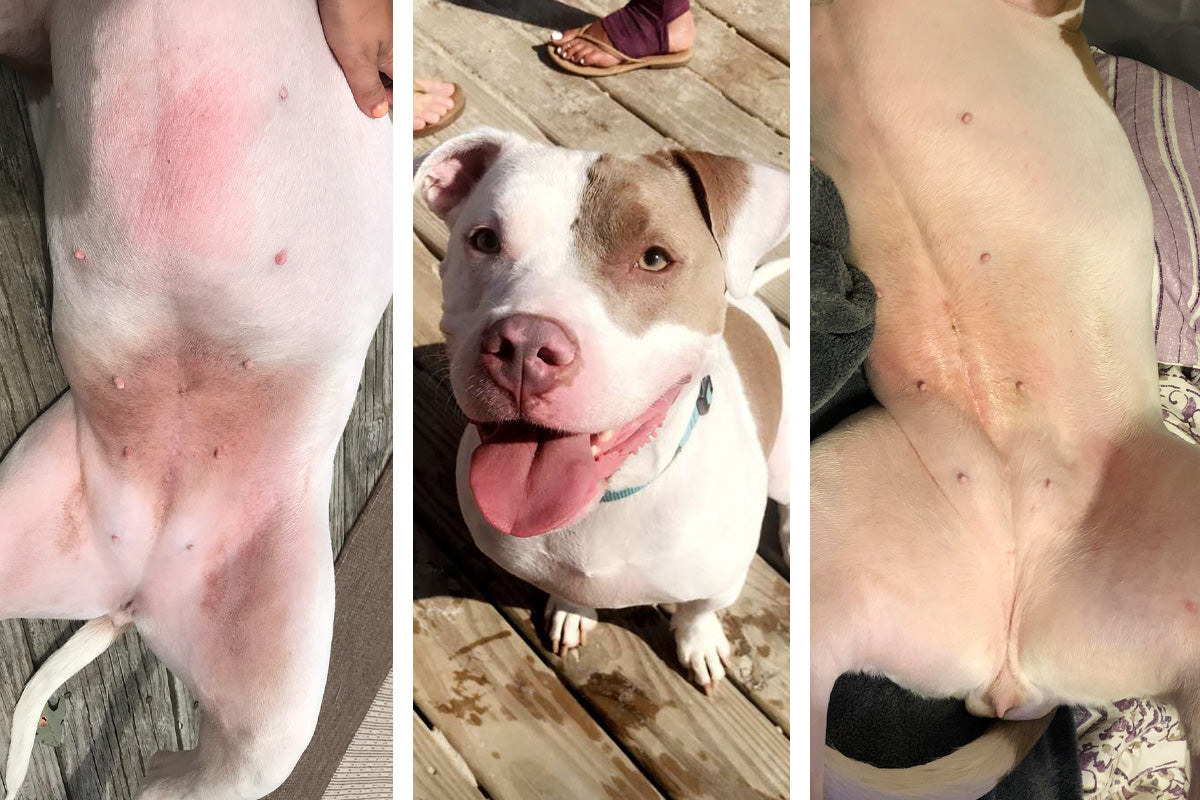
Itching is often the first sign of skin allergies in Pitbulls. Your dog may scratch or bite certain spots more than usual. Look for red patches on the skin. These areas may also appear dry or flaky.
Skin Inflammation And Hot Spots
Inflamed skin feels warm and looks swollen. Hot spots are areas where the skin breaks down from constant scratching. These sores can ooze or crust over. They cause pain and need prompt care to heal.
Behavioral Changes Due To Discomfort
Discomfort from allergies can change your Pitbull’s behavior. Your dog might seem restless or irritable. They may avoid touch or hide in quiet places. Watch for changes in sleep or appetite too.
Home Remedies For Soothing Skin
Home remedies can help ease your Pitbull’s itchy and irritated skin. These natural treatments are gentle and safe to use. They support healing and reduce redness and discomfort. Using simple ingredients from your home can make your dog feel better fast.
Oatmeal Baths And Natural Soaks
Oatmeal baths calm itchy skin and reduce inflammation. Grind plain oatmeal into a fine powder. Mix it with warm water in a tub or basin. Let your Pitbull soak for 10 to 15 minutes. This helps soothe irritation and moisturizes dry skin. Use plain, unscented oatmeal to avoid more reactions.
Aloe Vera And Coconut Oil Applications
Aloe vera gel cools burning and itching skin. Use pure, natural aloe vera without added chemicals. Apply a thin layer to the affected areas. Coconut oil works as a natural moisturizer and antibacterial agent. Rub a small amount gently into your dog’s skin. Both help repair and protect the skin barrier.
Maintaining A Clean Environment
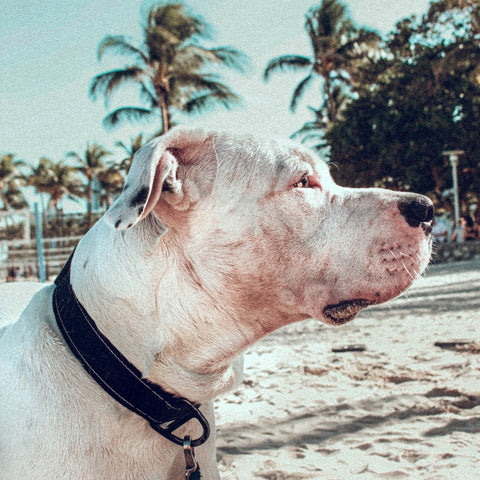
Keep your Pitbull’s living area clean and dry. Wash bedding regularly with mild detergent. Vacuum floors and furniture to remove dust and allergens. Clean your dog’s paws after walks to remove irritants. A clean space reduces exposure to allergens and prevents skin flare-ups.
Credit: www.sparkpaws.com
Diet Adjustments To Reduce Allergies
Diet plays a key role in managing pitbull skin allergies. Changing what your dog eats can reduce itching and skin problems. Some foods cause allergies, while others help improve skin health. Careful diet choices support your dog’s comfort and well-being.
Hypoallergenic Dog Foods
Hypoallergenic dog foods contain ingredients less likely to cause allergies. These foods often use novel proteins like duck or venison. They avoid common allergens such as beef, chicken, or dairy. Feeding hypoallergenic food can calm your pitbull’s itchy skin.
These specialized diets include limited ingredients. This helps identify and avoid allergens. Many pet stores and vets offer hypoallergenic options. Always check the label for potential irritants.
Elimination Diets
An elimination diet helps find the food causing allergies. Feed your pitbull a simple diet with one protein and one carb. Avoid treats and table scraps during this test period.
After a few weeks, add other foods slowly. Watch for skin reactions or itching. This process pinpoints the allergen to avoid. It takes patience but improves your dog’s skin health.
Supplements For Skin Health
Supplements can boost your pitbull’s skin and coat. Omega-3 fatty acids reduce inflammation and itchiness. Fish oil capsules or liquid work well.
Probiotics also support the immune system. A stronger immune system fights allergies better. Always consult your vet before starting supplements. Proper doses ensure safety and effectiveness.
Medications And Veterinary Treatments
Treating skin allergies in pitbulls often requires medications and veterinary care. These treatments help reduce itching and control inflammation. A vet can recommend the best options based on the dog’s condition and allergy type. Some treatments provide quick relief, while others work over time to improve skin health.
Antihistamines And Steroids
Antihistamines help block allergic reactions in the skin. They reduce itching and swelling. Many dogs find relief from these medicines. Steroids are stronger and reduce inflammation quickly. Vets use steroids for severe allergies or flare-ups. Both medications must be given as directed to avoid side effects.
Medicated Shampoos
Special shampoos clean the skin and remove allergens. They soothe irritated skin and reduce itching. Medicated shampoos often contain ingredients like oatmeal or chlorhexidine. Regular baths with these shampoos can improve skin condition. Always follow the vet’s instructions on shampoo use and frequency.
Allergy Testing And Immunotherapy
Allergy tests identify specific triggers causing the problem. Tests may use blood or skin samples. Knowing the cause helps tailor treatment effectively. Immunotherapy involves giving small doses of allergens. This helps the dog build resistance over time. It is a long-term solution for many allergic dogs.
Preventing Future Allergic Reactions
Preventing future allergic reactions in Pitbulls requires consistent care and attention. Allergies can cause discomfort and skin problems. Taking steps to prevent these reactions improves your dog’s health. It also reduces vet visits and costly treatments. Regular habits and awareness make a big difference.
Regular Grooming Practices
Groom your Pitbull often to keep skin clean and healthy. Brushing removes dirt, dead hair, and allergens from the coat. Bathing with gentle, hypoallergenic shampoo soothes irritated skin. Avoid harsh soaps that dry out the skin. Check for redness, bumps, or flakes during grooming sessions. Clean ears and trim nails to prevent infections.
Flea And Parasite Control
Fleas and parasites cause severe allergic reactions in dogs. Use vet-recommended flea control products regularly. Inspect your dog’s skin for signs of fleas or ticks. Clean your home and bedding to kill parasites and eggs. Preventing infestations lowers the chance of skin allergies. Keep your dog away from areas with many pests.
Monitoring And Managing Triggers
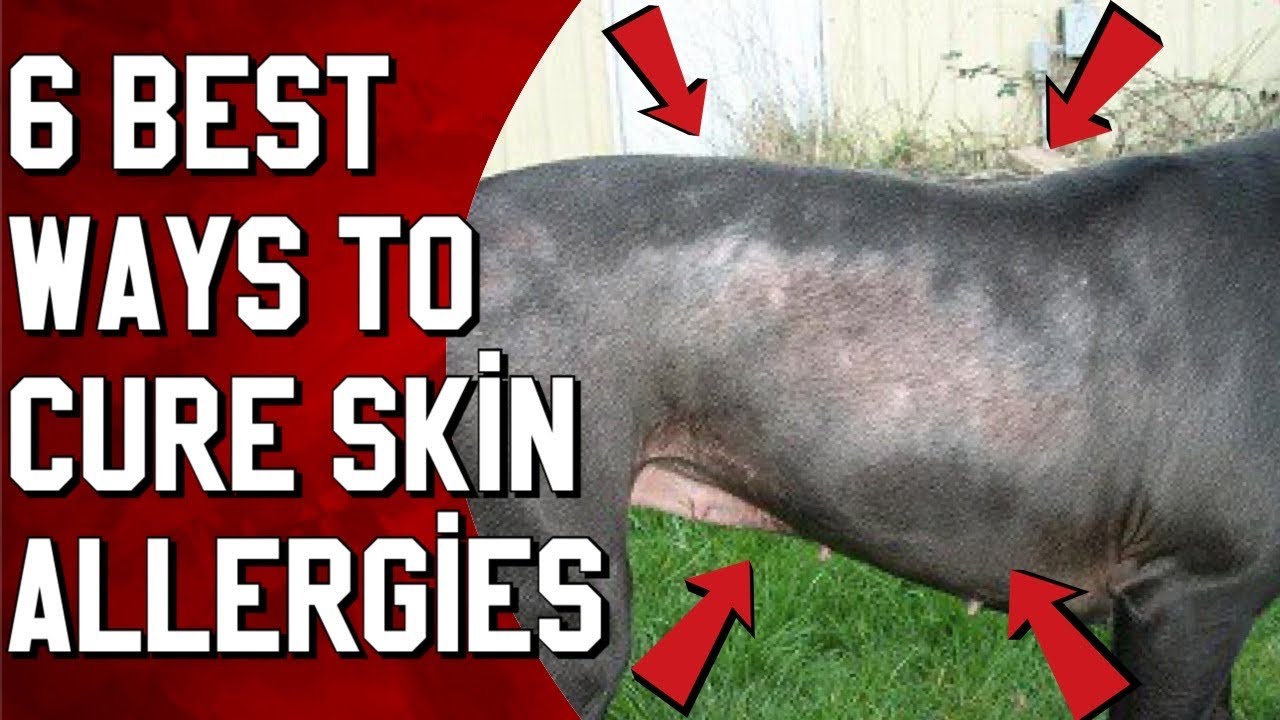
Identify what triggers your Pitbull’s allergies. Common triggers include certain foods, pollen, dust, or chemicals. Observe your dog’s environment and note any reactions. Avoid exposure to known allergens as much as possible. Keep your home clean and free from dust and mold. Consult your vet for allergy testing and advice.
Credit: www.youtube.com
Frequently Asked Questions
What Are Common Signs Of Pitbull Skin Allergies?
Common signs include itching, redness, hair loss, and flaky skin. Your pitbull may also lick or chew affected areas. Identifying these symptoms early helps in timely treatment. Persistent skin issues should be checked by a vet for accurate diagnosis.
How Can I Naturally Treat My Pitbull’s Skin Allergies?
Natural treatments include oatmeal baths, coconut oil, and hypoallergenic diets. These soothe irritated skin and reduce inflammation. Always consult a vet before starting natural remedies to ensure safety and effectiveness for your pitbull’s specific allergy type.
Which Foods Trigger Pitbull Skin Allergies Most Often?
Common triggers include beef, dairy, wheat, and chicken. Food allergies cause itchy skin and digestive issues. An elimination diet supervised by a vet helps identify problematic ingredients. Avoiding these foods can improve your pitbull’s skin health significantly.
When Should I See A Vet For Skin Allergies?
Visit a vet if itching worsens or causes infections. Persistent redness, swelling, or hair loss also require professional care. Early veterinary intervention can prevent complications and tailor effective treatments for your pitbull’s allergies.
Conclusion
Treating pitbull skin allergies takes patience and care. Watch your dog closely for signs of itching or redness. Clean their skin gently and use vet-recommended products. Keep their environment clean and free from irritants. Healthy food helps boost their skin’s natural defenses.
Regular check-ups with the vet catch problems early. Small changes make a big difference in comfort. Your pitbull will feel happier and healthier with proper care. Stay consistent and show plenty of love along the way.