Last Updated on August 5, 2026
Are you wondering how much to feed your pitbull puppy to keep them healthy and happy? Feeding your new furry friend the right amount is one of the most important things you can do.
Too little food can leave your puppy hungry and weak, while too much can lead to weight problems and health issues. You’ll discover simple, clear guidelines to make sure your pitbull puppy gets just the right amount of nutrition. Keep reading to give your puppy the best start in life!
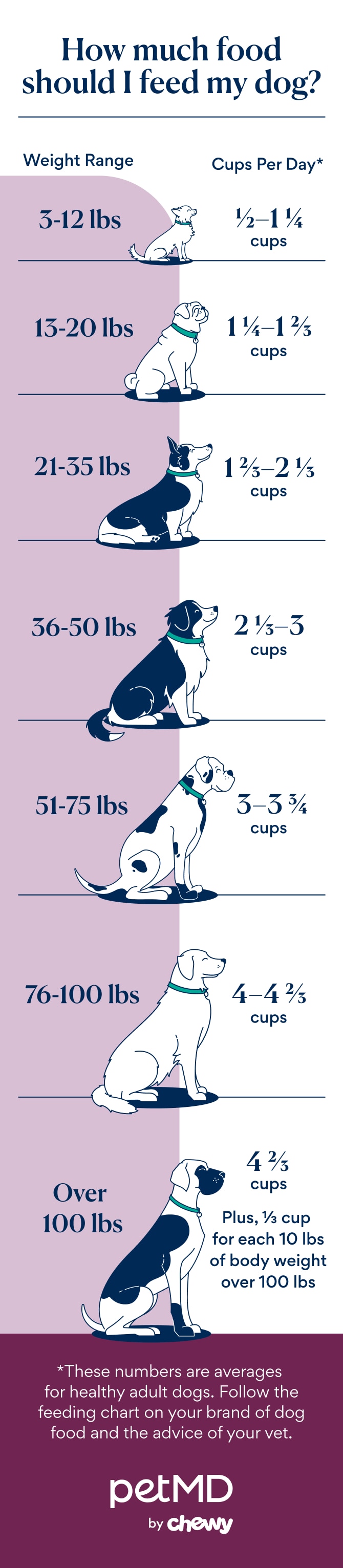
Credit: www.petmd.com
Pitbull Puppy Nutritional Needs
Pitbull puppies grow fast and need the right food to stay healthy. Proper nutrition helps build strong bones and muscles. It supports their brain and immune system development. Feeding your puppy well sets the stage for a long, active life.
Understanding what nutrients they need and how much energy they require is key. Their diet must match their growth stage to avoid health problems. Quality food with balanced nutrients fuels their daily activities and learning.
Essential Nutrients For Growth
Pitbull puppies need protein, fats, vitamins, and minerals. Protein builds muscles and repairs tissues. Fats provide energy and support brain development. Vitamins and minerals strengthen bones and keep organs healthy. Calcium and phosphorus are crucial for bone growth. A balanced diet includes all these nutrients in the right amounts.
Caloric Requirements By Age
Young puppies need more calories than adult dogs. Their energy needs change as they grow. At 2 to 3 months, puppies require about twice the calories of adult dogs. By 6 months, their needs slowly decrease. Feeding the right calories prevents weight problems and supports steady growth. Overfeeding can cause obesity, while underfeeding slows development.
Protein And Fat Ratios
Protein should make up 22-28% of a puppy’s diet. It supports muscle growth and repair. Fat content should be around 8-15%. Fat gives energy and helps absorb vitamins. Balanced protein and fat ensure healthy skin and a shiny coat. Avoid foods with too little or too much protein and fat. This balance keeps your pitbull puppy strong and active.

Credit: www.sparkpaws.com
Determining Feeding Amounts
Determining the right feeding amount for your Pitbull puppy is key to healthy growth. Puppies need enough food to support their energy and development. Too much or too little can cause health problems. Feeding depends on weight, activity, and growth stage. Knowing how to adjust portions helps keep your puppy fit and happy.
Weight-based Feeding Guidelines
Start by weighing your Pitbull puppy regularly. Use the puppy’s weight to calculate daily food needs. Generally, puppies eat about 2-3% of their body weight each day. For example, a 10-pound puppy might need 0.2 to 0.3 pounds of food daily. Divide this amount into three or four meals. This helps keep energy levels steady.
Adjusting Portions For Activity Level
Active puppies burn more calories and need extra food. Less active puppies require smaller portions. Watch your puppy’s playtime and exercise to decide feeding amounts. Increase food if your puppy seems hungry or loses weight. Cut back if your puppy gains too much weight or slows down.
Signs Of Overfeeding And Underfeeding
Overfeeding can cause weight gain and low energy. Your puppy may have a round belly or pant heavily. Underfeeding leads to weight loss and lack of energy. Puppies may appear weak or stop growing. Check your puppy’s body shape often. Adjust food amounts based on these signs.
Choosing The Right Food
Choosing the right food for your Pitbull puppy sets the foundation for healthy growth. Puppies need balanced nutrition to develop strong muscles and bones. The food should provide energy and essential nutrients. Quality matters more than quantity at this stage. Understanding different food types and ingredients helps in making the best choice. Let’s explore the options and what to look for in puppy food.
Dry Vs. Wet Food Options
Dry food is convenient and helps keep teeth clean. It lasts longer and is usually less expensive. Wet food has higher moisture content, which helps keep puppies hydrated. It often tastes better and can be easier to chew. Some owners mix both types to balance benefits. Choosing depends on your puppy’s preference and your lifestyle.
Recommended Ingredients
Look for high-quality protein like chicken, beef, or fish as the main ingredient. Whole grains such as brown rice or oats provide energy. Vegetables like carrots and peas add vitamins and fiber. Healthy fats from fish oil support brain and coat health. Avoid foods with too many fillers or by-products. Balanced vitamins and minerals are essential for growth.
Avoiding Harmful Additives
Steer clear of foods with artificial colors, flavors, or preservatives. These can cause allergies or digestive issues. Avoid excessive fillers like corn, wheat, or soy that add little nutrition. Avoid foods with sugar or salt added. Natural ingredients are safer and healthier for puppies. Always check labels carefully before buying.
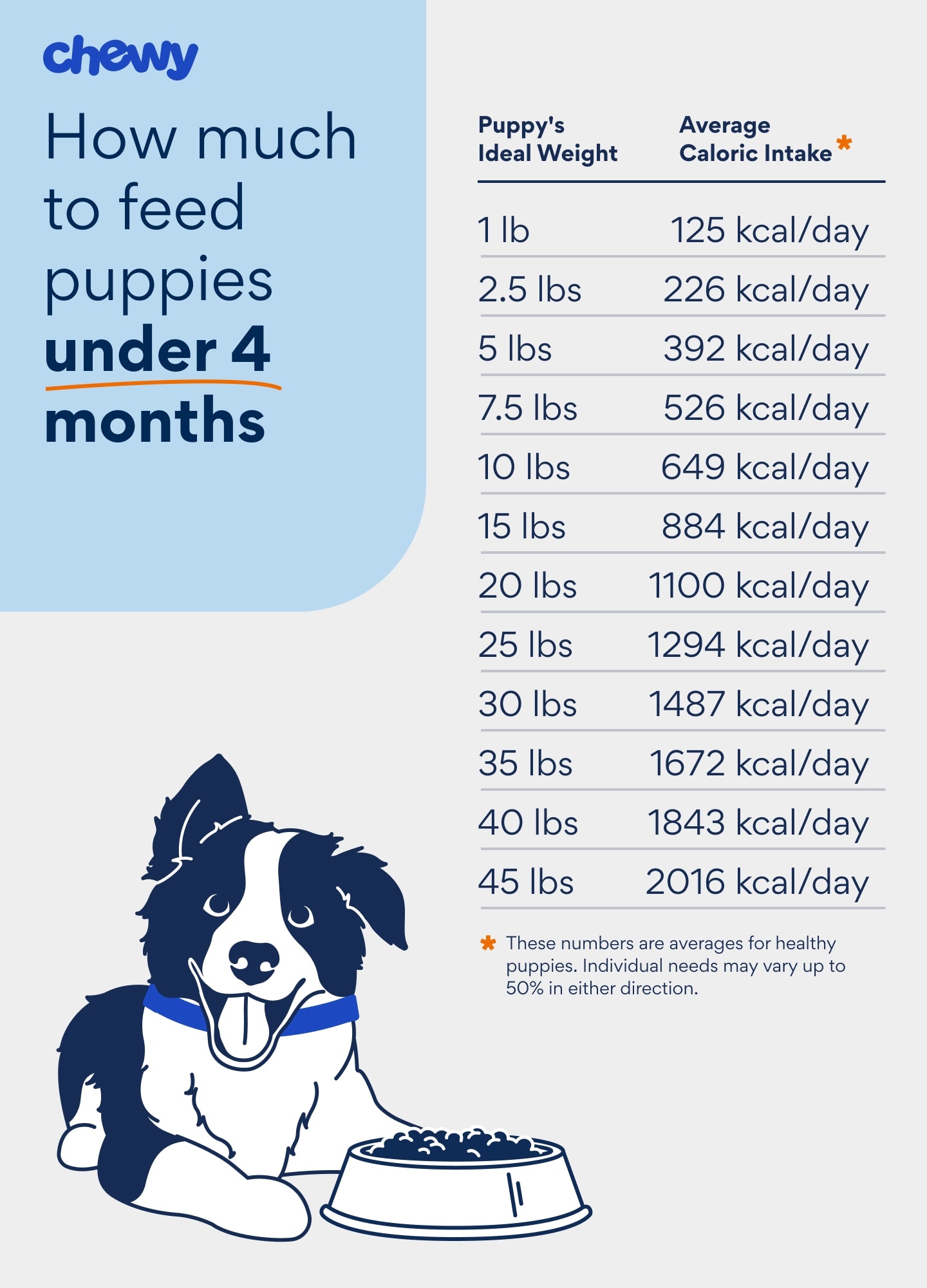
Credit: www.chewy.com
Feeding Schedule Tips
Feeding your Pitbull puppy correctly helps them grow strong and healthy. A good feeding schedule supports their energy and development. Pay attention to how often, what, and how much you feed your puppy. This keeps their digestion smooth and prevents overeating. Below are some important tips to help create the best feeding routine.
How Often To Feed Your Puppy
Young Pitbull puppies need food more often than adult dogs. Feed your puppy three to four times a day. Small, frequent meals help them digest better. This also keeps their energy steady throughout the day. As they grow, reduce feedings to two times daily. Always watch your puppy’s hunger and weight to adjust meal frequency.
Transitioning From Puppy To Adult Feeding
Switch your Pitbull from puppy food to adult food around one year old. Do this slowly over a week or two. Mix a little adult food with puppy food each day. This helps avoid stomach upset. Adult dog food has different nutrients for maintenance, not growth. Follow feeding guidelines on the adult food package. Adjust portions as your dog’s activity level changes.
Managing Treats And Supplements
Treats should not be more than 10% of daily calories. Use healthy treats that support training and behavior. Avoid giving too many treats to prevent weight gain. Supplements may help, but only if recommended by a vet. Overuse of supplements can harm your puppy’s health. Always check with your vet before adding anything new.
Monitoring Growth And Health
Monitoring your Pitbull puppy’s growth and health is key to raising a strong, happy dog. Regular checks help spot problems early. You can adjust food amounts and care routines based on how your puppy develops. This keeps your puppy on track for a healthy life.
Tracking Weight And Body Condition
Weigh your puppy once a week. Use a small scale or visit the vet for accurate results. Note any sudden weight gain or loss. Check the puppy’s body condition by feeling the ribs. You should feel ribs but not see them. A healthy puppy has a waist when viewed from above.
When To Consult A Veterinarian
Visit the vet if your puppy loses weight or stops eating. Seek advice if the puppy is too thin or overweight. Watch for signs like vomiting, diarrhea, or lethargy. Early vet visits prevent serious health issues. Keep regular check-ups on the schedule.
Common Pitbull Puppy Health Concerns
Pitbull puppies can face skin allergies, hip dysplasia, and parasites. Watch for itching, limping, or unusual behavior. Proper feeding and care reduce these risks. Early treatment helps puppies recover faster. Know the signs and act quickly for your puppy’s health.
Frequently Asked Questions
How Much Food Does A Pitbull Puppy Need Daily?
Pitbull puppies typically require 1. 5 to 2. 5 cups of high-quality puppy food daily. Split this into three meals to support steady growth and energy levels.
When Should I Increase My Pitbull Puppy’s Food Amount?
Increase food portions gradually every few weeks as your puppy grows. Monitor weight and energy to adjust feeding amounts appropriately.
What Type Of Food Is Best For Pitbull Puppies?
Choose high-protein, balanced puppy food formulated for medium to large breeds. Look for quality ingredients to support muscle and bone development.
How Often Should I Feed My Pitbull Puppy?
Feed your Pitbull puppy three times a day until six months old. After six months, twice daily feeding is suitable for most puppies.
Conclusion
Feeding a pitbull puppy the right amount keeps them healthy and happy. Watch their growth and energy to adjust portions. Choose good quality food made for puppies. Avoid overfeeding to prevent health problems later. Regular meals help build strong bones and muscles.
Always provide fresh water alongside their food. Feeding well today means a strong dog tomorrow. Keep learning about your puppy’s needs as they grow. Small steps make a big difference in their life. Care and attention will help your pitbull thrive.