Last Updated on June 12, 2026
If you’re dealing with a flea problem at home, you want a quick and effective solution. Flea bombs promise to clear out those pesky bugs fast, but what about your pets?
You might be wondering, “Are flea bombs safe for my furry friends? ” Protecting your pets is just as important as getting rid of fleas. You’ll discover what you need to know about using flea bombs safely around your pets.
Keep reading to make sure you can tackle fleas without putting your beloved animals at risk.
How Flea Bombs Work
Flea bombs help control fleas in your home by releasing insecticide into the air. The tiny droplets spread through rooms and reach hard-to-clean areas. This kills fleas at different life stages, stopping their growth and spread. Safe use is important to protect pets and family.
Types Of Flea Bombs
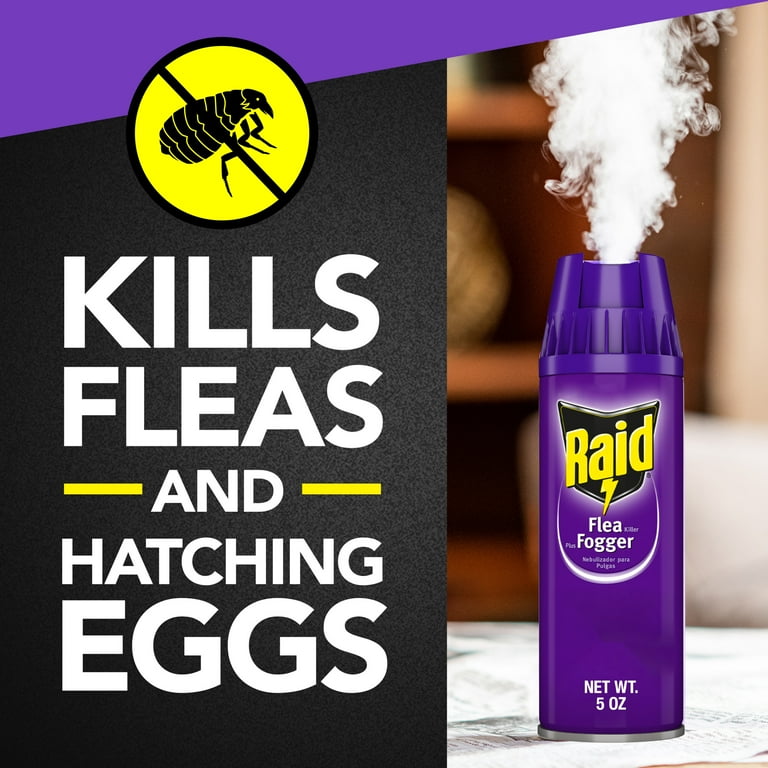
There are two main types of flea bombs: total release foggers and automatic dispensers. Total release foggers release a burst of insecticide in one go. Automatic dispensers release small amounts regularly over time. Both types target fleas on floors, carpets, and furniture.
Active Ingredients And Their Effects
Flea bombs contain chemicals that kill fleas quickly. Common ingredients include pyrethroids and insect growth regulators (IGRs). Pyrethroids attack the flea’s nervous system, causing death fast. IGRs stop flea eggs and larvae from growing into adults. Together, they break the flea life cycle and reduce infestations.

Credit: www.amazon.com
Risks Of Flea Bombs To Pets
Flea bombs can be risky for pets. These products release chemicals to kill fleas in your home. Pets can breathe in or touch these chemicals, causing health problems. It is important to understand the dangers before using flea bombs around animals.
Common Symptoms Of Exposure
Pets exposed to flea bombs may show signs quickly. They might cough, sneeze, or have watery eyes. Some pets could vomit or have diarrhea. Skin irritation and itching are common as well. Watch for unusual behavior, such as weakness or shaking. Early symptoms help catch exposure before it gets worse.
Long-term Health Concerns
Repeated exposure to flea bomb chemicals can harm pets over time. Some pets develop breathing problems or lung damage. Nerve issues, like tremors, may also occur. Long-term effects can weaken the immune system. These health problems might not show right away but worsen slowly. Protecting pets from these risks is essential for their well-being.
Choosing Pet-safe Flea Bombs
Choosing flea bombs that are safe for pets is very important for your home and your animals. Some flea bombs contain harsh chemicals that can harm cats, dogs, or other pets. Finding the right product means protecting your pets from fleas without causing health risks. Careful choice helps keep your pets safe and your home flea-free.
Reading Labels And Ingredients
Always check the label before buying a flea bomb. Look for warnings about pets or toxicity. Some flea bombs list the chemicals used. Avoid products with ingredients known to harm animals, like permethrin or pyrethroids. Choose flea bombs labeled as pet-safe or non-toxic. Reading the label helps you pick safer products for your home.
Consulting Your Veterinarian
Your veterinarian knows your pet’s health best. Ask them about flea control products before use. They can recommend safe options based on your pet’s age and health. Some pets have allergies or sensitivities. Your vet can guide you to the safest flea bomb choices. This step reduces risks and ensures your pet stays healthy.
Preparing Your Home And Pets
Preparing your home and pets before using flea bombs is very important. It helps keep your pets safe and makes the treatment more effective. Taking the right steps lowers risks and protects your family and belongings. Follow these simple actions to get ready for flea bombs safely.
Removing Pets And Personal Items
Take all pets out of the home before setting off the flea bomb. This keeps them from breathing harmful chemicals. Move pet food, toys, and bedding out of the area too. Remove or cover any personal items like clothes, dishes, and toys. This stops contamination and protects your belongings.
Ventilating After Treatment
After the flea bomb has finished, open all windows and doors. Let fresh air flow through every room for at least 30 minutes. Use fans to speed up ventilation if possible. This clears out leftover chemicals and makes the home safe again. Only bring pets back once the air feels fresh and clean.
Alternative Flea Control Methods
Flea bombs can be risky for pets. Many pet owners seek safer ways to control fleas. Alternative flea control methods offer gentle options. These methods reduce flea problems without harsh chemicals. They help keep pets safe and comfortable.
Natural Remedies
Natural remedies use ingredients found in nature. They do not harm pets or the environment. Common options include diatomaceous earth and essential oils. Diatomaceous earth dries out fleas and kills them. Essential oils like lavender and cedar repel fleas. Use these remedies carefully and in proper amounts. Always check if your pet is sensitive to any ingredient.
Spot Treatments And Oral Medications
Spot treatments are liquid drops placed on the pet’s skin. They kill fleas quickly and prevent infestations. These treatments work for weeks after one use. Oral medications come as chewable pills or tablets. They kill fleas when the pet bites them. These medicines often have fewer side effects. Talk to your vet to find the best option. Proper use ensures pet safety and flea control.
Credit: www.walmart.com
Emergency Steps If Pets Are Exposed
Flea bombs can be dangerous for pets if they are exposed to the chemicals inside. Knowing what to do fast can help keep your pet safe. Acting quickly can reduce the risk of serious harm. This section covers the steps to take in an emergency.
Immediate Actions To Take
Move your pet outside or to fresh air at once. Remove any flea bomb residue from their fur by gently wiping with a damp cloth. Avoid bathing your pet unless advised by a vet. Check for signs of poisoning like drooling, vomiting, or shaking. Keep your pet calm and quiet. Do not give any medication without professional advice.
When To Seek Veterinary Care
Visit a vet immediately if your pet shows unusual behavior or symptoms. Symptoms include difficulty breathing, excessive drooling, or weakness. The vet can provide treatments to reduce poisoning effects. Early care improves recovery chances. Always inform the vet about the flea bomb exposure details.
Preventing Future Flea Infestations
Preventing future flea infestations is key to keeping pets safe and comfortable. Fleas reproduce quickly. A small problem can grow into a big one fast. Taking steps to stop fleas from coming back helps protect your home and your furry friends. Consistent care makes a difference.
Regular Cleaning And Maintenance
Vacuum floors, carpets, and furniture often. This removes flea eggs and larvae. Wash pet bedding and blankets weekly in hot water. Clean pet toys regularly. Keep your yard tidy by trimming grass and bushes. These actions reduce flea hiding spots. A clean environment limits flea growth.
Year-round Preventative Care
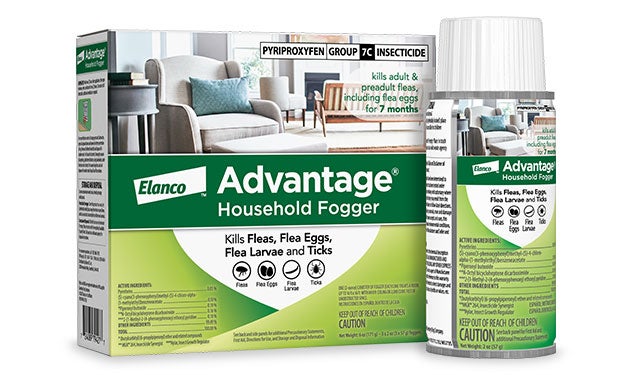
Use flea prevention treatments on pets all year. Choose products safe for your pet’s age and health. Check pets regularly for signs of fleas. Early detection stops infestations from spreading. Consult your vet for advice on the best options. Consistent prevention keeps fleas away for good.
Credit: yourpetandyou.elanco.com
Frequently Asked Questions
Are Flea Bombs Safe To Use Around Pets?
Flea bombs can be safe if used correctly and pets are removed during treatment. Always follow label instructions strictly to avoid health risks. Ventilate the area well before allowing pets back inside. Consult your veterinarian if unsure about product safety for your specific pet.
How Long Should Pets Stay Away After Using Flea Bombs?
Pets should stay away for at least 2 to 4 hours after flea bomb use. Some products recommend longer, up to 24 hours, to ensure chemicals settle. Proper ventilation after treatment reduces exposure risks. Always check the product label for exact re-entry times.
Can Flea Bombs Harm Pet Health?
Flea bombs may cause respiratory or skin irritation in pets if not used properly. Direct exposure to chemicals can lead to serious health issues. Always remove pets and cover food or water before treatment. Use pet-safe alternatives if you have sensitive animals.
What Precautions Protect Pets During Flea Bomb Use?
Remove all pets from the treated area before activating flea bombs. Cover or remove pet food, water bowls, and toys. Ventilate the space thoroughly after treatment. Follow the product label carefully to minimize risks and protect pet health.
Conclusion
Flea bombs can help control pests in your home. Choose products labeled safe for pets only. Always follow instructions carefully to keep pets safe. Remove your pets from treated areas during use. Ventilate rooms well before letting pets return inside.
Regular cleaning supports flea control alongside flea bombs. Protecting your pets means a happier, healthier home. Stay cautious and informed for the best results. Flea bombs are a useful tool when used wisely.