Last Updated on June 6, 2026
Are fleas taking over your home and making life uncomfortable for you and your pets? You’re not alone, and the good news is that you can take control right now.
Fleas are more than just a nuisance—they can cause itching, allergies, and even spread diseases. But don’t worry, getting rid of them doesn’t have to be a battle you can’t win. You’ll discover simple, effective steps to eliminate fleas quickly and keep them from coming back.
Keep reading, because the solution to a flea-free home is closer than you think.
Credit: www.pawlicy.com
Identifying Flea Infestations
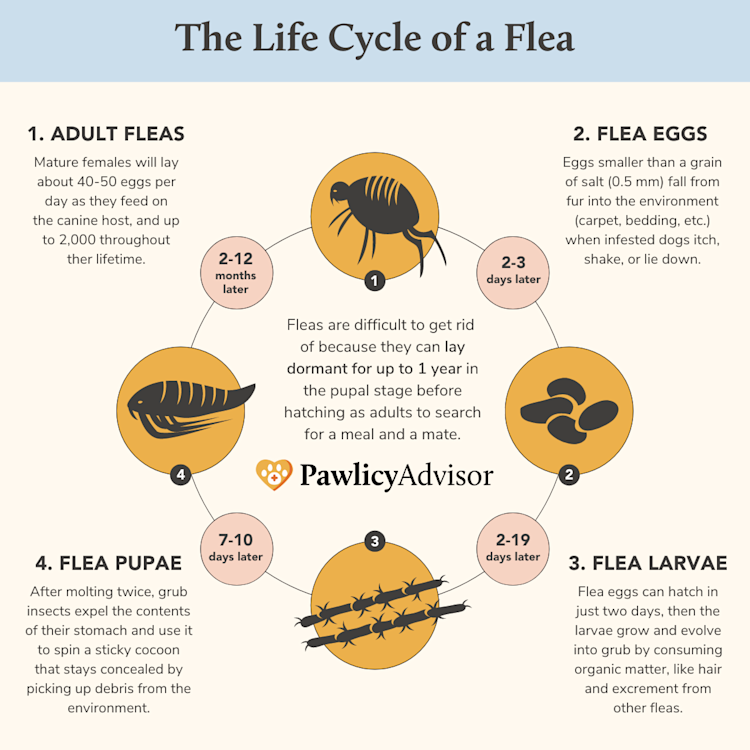
Identifying flea infestations early helps stop their spread quickly. Fleas cause discomfort to pets and humans. Recognizing signs and knowing where fleas hide is key. Understanding their life cycle helps target control efforts effectively.
Common Signs Of Fleas
Pets scratching or biting themselves often signal fleas. Small black specks on pet fur are flea dirt. Red bumps on skin may appear on pets and people. Flea bites cause itching and irritation. Spotting fleas moving in pet fur confirms infestation.
Areas Where Fleas Hide
Fleas prefer warm, dark places on pets, like neck and belly. They also hide in pet bedding and carpets. Cracks in floors and furniture crevices are common flea spots. Fleas avoid light and stay close to hosts. Checking these areas helps find fleas early.
Flea Life Cycle Basics
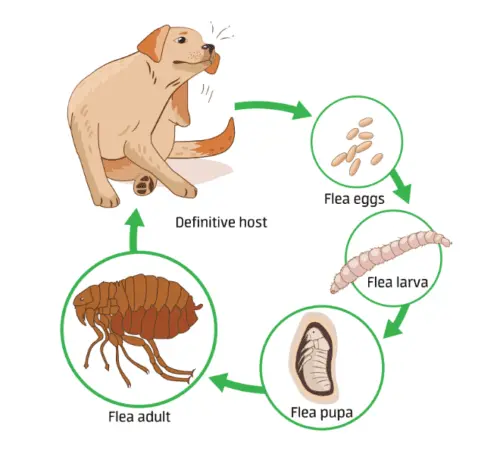
The flea life cycle has four stages: egg, larva, pupa, and adult. Eggs drop off pets into the environment. Larvae feed on organic debris and flea dirt. Pupae develop in cocoons and wait for a host. Adults jump on hosts to feed and lay eggs.
Preparing Your Home For Treatment
Preparing your home for flea treatment is a key step to remove these pests completely. Fleas hide in many places, so cleaning must be thorough. This process helps stop fleas from coming back quickly. Follow simple steps to ready your space before applying any treatment.
Cleaning And Vacuuming Tips
Vacuum every room carefully. Pay close attention to corners, carpets, and furniture. Vacuuming picks up flea eggs, larvae, and adults. Use attachments to reach under furniture and along baseboards. Empty the vacuum bag or canister outside right after use. This prevents fleas from escaping back inside.
Washing Bedding And Fabrics
Remove all pet bedding, blankets, and cushions. Wash them in hot water to kill fleas and eggs. Use the highest heat safe for each fabric. Dry items on a hot setting to ensure all pests die. Repeat washing every few days during treatment for best results.
Decluttering To Reduce Hiding Spots
Clear clutter from floors and furniture. Fleas hide in dark, undisturbed areas. Removing piles of clothes, papers, and toys limits places for fleas. Keep rooms tidy and organized. This step helps you spot fleas easier and makes cleaning faster.
Treating Pets For Fleas
Treating pets for fleas is a key step in stopping these pests. Fleas cause itching and discomfort for pets. They can also bring health issues. Acting fast helps protect your pet and home from more fleas. Knowing how to choose and use flea treatments is important. Safe treatment keeps pets healthy while removing fleas. Preventing future flea problems keeps pets comfortable long-term.
Choosing The Right Flea Treatments
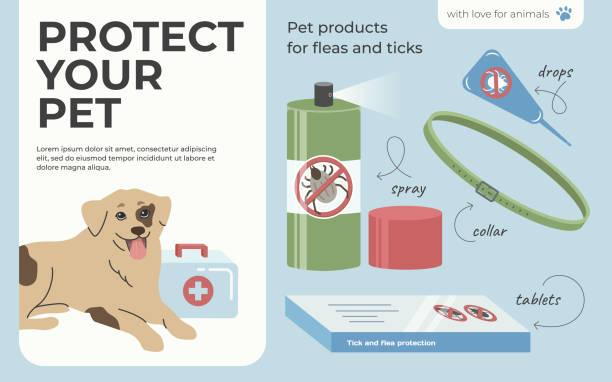
Many flea treatments exist for pets. Options include topical drops, oral pills, and collars. Some products kill fleas quickly. Others prevent eggs from hatching. Choose treatments made for your pet’s age and weight. Check if the product suits dogs or cats. Avoid products not meant for your pet type. Reading labels carefully ensures safe use. Ask a vet for advice if unsure.
Administering Flea Medication Safely
Follow instructions exactly for flea medicine. Apply topical treatments between the shoulder blades. This spot is hard for pets to lick. Give oral pills with water or food. Keep collars snug but not too tight. Wash hands after applying treatments. Watch pets for side effects like itching or lethargy. Contact a vet if unusual symptoms appear. Regular treatment helps keep fleas away.
Preventing Future Infestations On Pets
Use flea preventives year-round in flea-prone areas. Regular grooming helps spot fleas early. Bathing pets with flea shampoo reduces flea numbers. Clean pet bedding often to remove flea eggs. Vacuum floors and furniture to catch stray fleas. Treat all pets in the house together. This stops fleas moving between animals. Staying consistent keeps pets flea-free and happy.
Credit: mosquitojoe.com
Using Natural Remedies
Natural remedies offer a gentle way to fight fleas. These methods use safe, everyday ingredients. Many people prefer them to avoid harsh chemicals around pets and family.
Natural treatments can help reduce flea numbers. They work best when combined with cleaning and pet care. Here are some common natural options that you can try at home.
Essential Oils And Their Effects
Essential oils like lavender, peppermint, and eucalyptus repel fleas. They have strong scents that fleas dislike. You can add a few drops to pet shampoos or sprays.
Tea tree oil is popular but must be used carefully. It can irritate pets if too strong. Always dilute essential oils with water or carrier oils before use.
Essential oils not only repel fleas but can soothe itchy skin. Use them regularly for best results. Avoid direct contact with your pet’s eyes and nose.
Homemade Flea Sprays
Mix water with apple cider vinegar or lemon juice for a simple flea spray. Spray it on pet fur and around the house. This creates an environment fleas dislike.
A mix of water, dish soap, and essential oils can also work. Use a spray bottle for easy application. Spray carpets, pet bedding, and furniture.
Store homemade sprays in the fridge to keep them fresh. Always test on a small area of fabric first. Reapply the spray every few days for control.
Limitations Of Natural Methods
Natural remedies rarely kill all fleas instantly. They help reduce fleas but do not fully remove infestations. Severe flea problems may need stronger treatments.
Some pets may react to essential oils or sprays. Watch for signs of allergies or skin irritation. Stop use if your pet shows discomfort or redness.
Natural methods require patience and consistent effort. Clean your home and treat pets regularly. Combine natural remedies with good hygiene for best results.
Chemical Treatments And Products
Chemical treatments and products help control fleas quickly and effectively. They target fleas at different life stages to stop their growth and spread. Using these products can clear infestations in your home and on pets.
Choose the right chemical product based on your situation. Some work on pets, others on carpets and furniture. Understanding options helps you treat fleas safely and well.
Flea Sprays And Foggers
Flea sprays kill adult fleas on pets and around the home. They work fast to reduce flea numbers. Apply sprays to pet bedding, carpets, and furniture for best results.
Foggers release a mist that reaches hidden areas. This helps kill fleas in cracks and corners. Use foggers when infestations are severe and cover all rooms.
Insect Growth Regulators
Insect Growth Regulators (IGRs) stop fleas from maturing. They prevent eggs and larvae from becoming adults. IGRs help break the flea life cycle over time.
Use IGRs with sprays or foggers for full control. They keep flea populations low for longer periods.
Safety Precautions When Using Chemicals
Read product labels carefully before use. Follow instructions exactly to avoid harm to pets or people.
Keep pets and children away during treatment. Ventilate rooms well after using sprays or foggers.
Wear gloves and wash hands after handling chemicals. Store products safely out of reach of children and animals.
Credit: www.eglintondufferinanimalclinic.com
Outdoor Flea Control
Controlling fleas outdoors is key to stopping infestations inside your home. Fleas thrive in warm, shaded areas. They hide in grass, soil, and garden beds. Treating your outdoor space reduces flea numbers and protects pets and family.
Treating Your Yard And Garden
Start by mowing the lawn regularly. Cut grass short to remove flea shelter. Clear leaves and debris where fleas hide. Use a flea spray made for outdoor use. Focus on shaded and moist areas. Apply treatment during dry weather for best results. Water the lawn after spraying to help the insecticide soak in. Repeat every few weeks during warm months. This breaks the flea life cycle and reduces their numbers.
Managing Wildlife And Stray Animals
Wildlife and stray animals can bring fleas to your yard. Use fencing to keep unwanted animals out. Avoid feeding wildlife near your home. Remove food sources that attract animals. Check pets often for fleas and treat them quickly. Talk to neighbors about stray animals. Controlling animal access lowers flea risks and keeps your yard cleaner.
Maintaining A Flea-free Outdoor Space
Keep your yard dry and sunny. Fleas hate heat and dryness. Trim bushes and trees to increase sunlight. Rake leaves and clean garden beds often. Store pet bedding inside or in a flea-proof container. Regularly wash outdoor pet areas with hot water. Inspect pets after outdoor play and treat fleas early. These habits make your yard less welcoming to fleas.
Preventing Future Flea Problems
Stopping fleas before they start is key to keeping your home and pets comfortable. Preventing future flea problems saves time and stress. Small daily habits make a big difference. Consistency is important in fighting fleas effectively.
Regular Pet Grooming
Brush your pet often to spot fleas early. Use a flea comb to remove fleas and eggs. Bathing pets with flea shampoo helps reduce flea numbers. Check pets’ fur regularly, especially after outdoor play. Grooming keeps pets clean and less likely to carry fleas.
Routine Home Cleaning Habits
Vacuum carpets, rugs, and furniture regularly. Wash pet bedding and blankets in hot water weekly. Clean floors and baseboards to remove flea eggs and larvae. Dispose of vacuum bags or empty cans outside your home. Keeping the house clean lowers flea chances significantly.
Seasonal Flea Prevention Tips
Use flea preventatives recommended by your vet year-round. Increase prevention efforts in spring and summer. Keep grass and shrubs trimmed to reduce flea habitats. Avoid letting pets roam in tall grass or wooded areas. Seasonal care helps control fleas before infestations start.
Frequently Asked Questions
How Can I Quickly Get Rid Of Fleas At Home?
To quickly get rid of fleas, vacuum all carpets and furniture thoroughly. Wash pet bedding in hot water. Use flea sprays or powders designed for home use. Treat your pets with vet-recommended flea treatments for best results. Repeat cleaning and treatment regularly to break the flea life cycle.
What Natural Remedies Work Best Against Fleas?
Natural remedies like diatomaceous earth, lemon spray, and apple cider vinegar can help repel fleas. These options are safer for pets and humans. Regularly brushing pets with flea combs also helps remove fleas. However, natural methods may take longer and work best combined with other treatments.
How Do I Prevent Fleas From Returning?
To prevent fleas, keep your home clean and vacuum often. Treat pets monthly with flea preventatives prescribed by a vet. Wash pet bedding frequently. Maintain your yard by trimming grass and removing debris where fleas hide. Early prevention stops infestations before they start.
Can Fleas Harm My Pets Or Family?
Yes, fleas can cause itching, allergic reactions, and skin infections in pets. They can also bite humans, causing discomfort or allergic responses. Fleas may transmit tapeworms and other diseases. Prompt flea control protects both your pets and family’s health.
Conclusion
Getting rid of fleas takes patience and careful effort. Clean your home often and treat pets regularly. Keep your yard tidy to stop fleas from coming back. Use safe products that work well and follow instructions closely. Check your pets and living areas every day.
Stay consistent with your flea control plan. This way, you can protect your family and pets from fleas. Small steps can make a big difference. Flea problems do not have to last forever. Keep at it, and enjoy a flea-free home soon.