Last Updated on June 4, 2026
Are you tired of seeing those tiny pests jumping on your pet and wondering if flea spray really works? Fleas can cause itching, discomfort, and even health problems for your furry friends.
You want a solution that’s quick, safe, and effective. But with so many products on the market, how can you be sure that flea spray will actually get rid of these pesky bugs? You’ll discover the truth about flea sprays—how they work, what to expect, and whether they’re the right choice for your home and pet.
Keep reading to find out how to protect your pet and regain peace of mind.
How Flea Sprays Work
Flea sprays help control flea problems by targeting these pests directly. They work by applying chemicals that kill fleas on contact or prevent them from growing. Using flea sprays can reduce flea numbers quickly and stop their life cycle. Understanding how they work helps choose the right product for your pet and home.
Active Ingredients In Flea Sprays
Flea sprays contain chemicals that kill fleas or stop their growth. Common ingredients include permethrin, pyrethrin, and fipronil. Some sprays have insect growth regulators (IGRs) like methoprene or pyriproxyfen. These IGRs stop flea eggs and larvae from developing into adults. The combination of these ingredients makes sprays effective against fleas at different stages.
Effectiveness Against Different Flea Stages
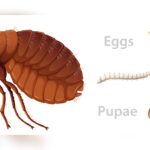
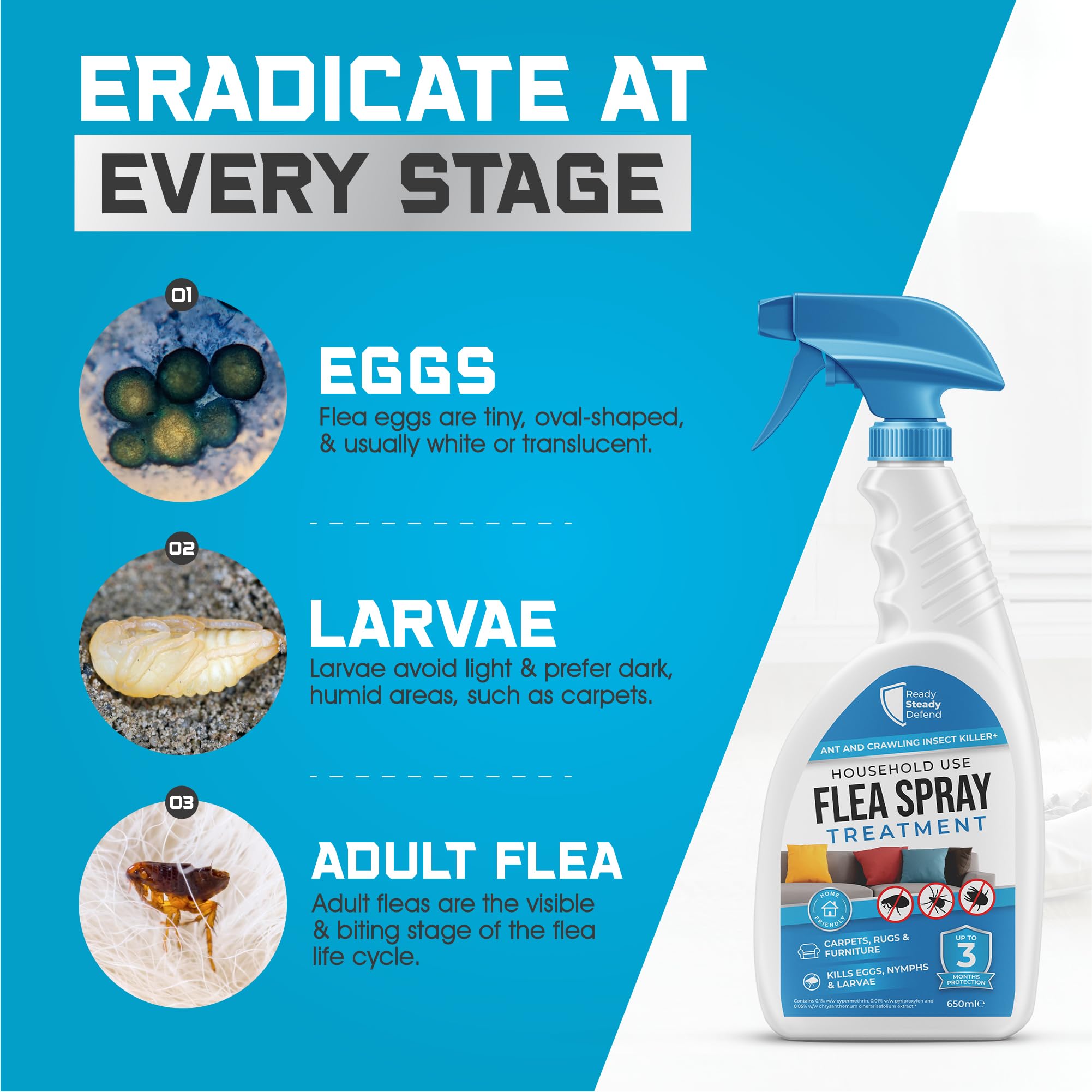
Fleas have four stages: egg, larva, pupa, and adult. Most sprays kill adult fleas on pets and surfaces. IGRs in sprays target eggs and larvae to stop new fleas from hatching. Not all sprays kill flea pupae because pupae are protected by a cocoon. Sprays work best when combined with cleaning and vacuuming to remove eggs and larvae.
Safety Considerations For Pets And Humans
Flea sprays must be safe for pets and humans if used correctly. Always read the label and follow instructions carefully. Some sprays are for dogs only, others for cats or both. Avoid spraying near your pet’s eyes, nose, and mouth. Keep children away during and after spraying until surfaces dry. Proper use minimizes risks and keeps everyone safe.
Credit: www.hartz.com
Choosing The Right Flea Spray
Choosing the right flea spray is key to keeping your pet comfortable and flea-free. Different sprays work in different ways. Picking the right one depends on your pet’s needs and your preferences. Understanding the types of sprays and options helps you make a smart choice.
Spot-on Vs. Spray Formulas
Spot-on treatments are liquids applied directly to your pet’s skin. They spread over the body and kill fleas quickly. Spot-on formulas last longer and need less frequent application. Spray formulas cover the fur and skin but may wash off faster. Sprays can treat your home and pet at once. Both types can be effective. Choose based on how easy you want the application to be.
Natural Vs. Chemical Options
Natural flea sprays use plant oils and mild ingredients. They are gentler on pets and the environment. These sprays work best for mild infestations or prevention. Chemical flea sprays have strong ingredients to kill fleas fast. They work well for heavy infestations. Chemicals may cause irritation in sensitive pets. Always check the label for safety and ingredients before use.
Factors To Consider For Different Pets
Age and size affect which flea spray you should use. Puppies and kittens need gentle formulas. Some sprays are made only for adult pets. Pets with allergies or sensitive skin need mild products. Also, consider your pet’s lifestyle. Indoor pets may need less frequent treatments. Outdoor pets might require stronger protection. Always choose a spray safe for your pet’s specific needs.
Applying Flea Spray Correctly
Applying flea spray correctly is essential for effective flea control. Proper use helps kill fleas and prevents them from returning. It protects your pet and your home environment. Follow clear steps to ensure you get the best results from flea spray.
Preparing Your Pet And Environment
Start by brushing your pet to remove dirt and loose hair. This helps the spray reach the skin better. Choose a well-ventilated area for spraying. Remove your pet’s food and water bowls before application. Keep children and other pets away during the process. Check the flea spray label for any special instructions or warnings.
Step-by-step Application Guide
Hold the spray bottle about 6 to 8 inches from your pet’s fur. Spray evenly over the entire body, avoiding the eyes, nose, and mouth. Pay special attention to the neck, belly, and tail areas. Rub the spray gently into the fur with your hands. Use gloves to protect your skin. Allow the spray to dry completely before letting your pet back inside.
Frequency And Timing For Best Results
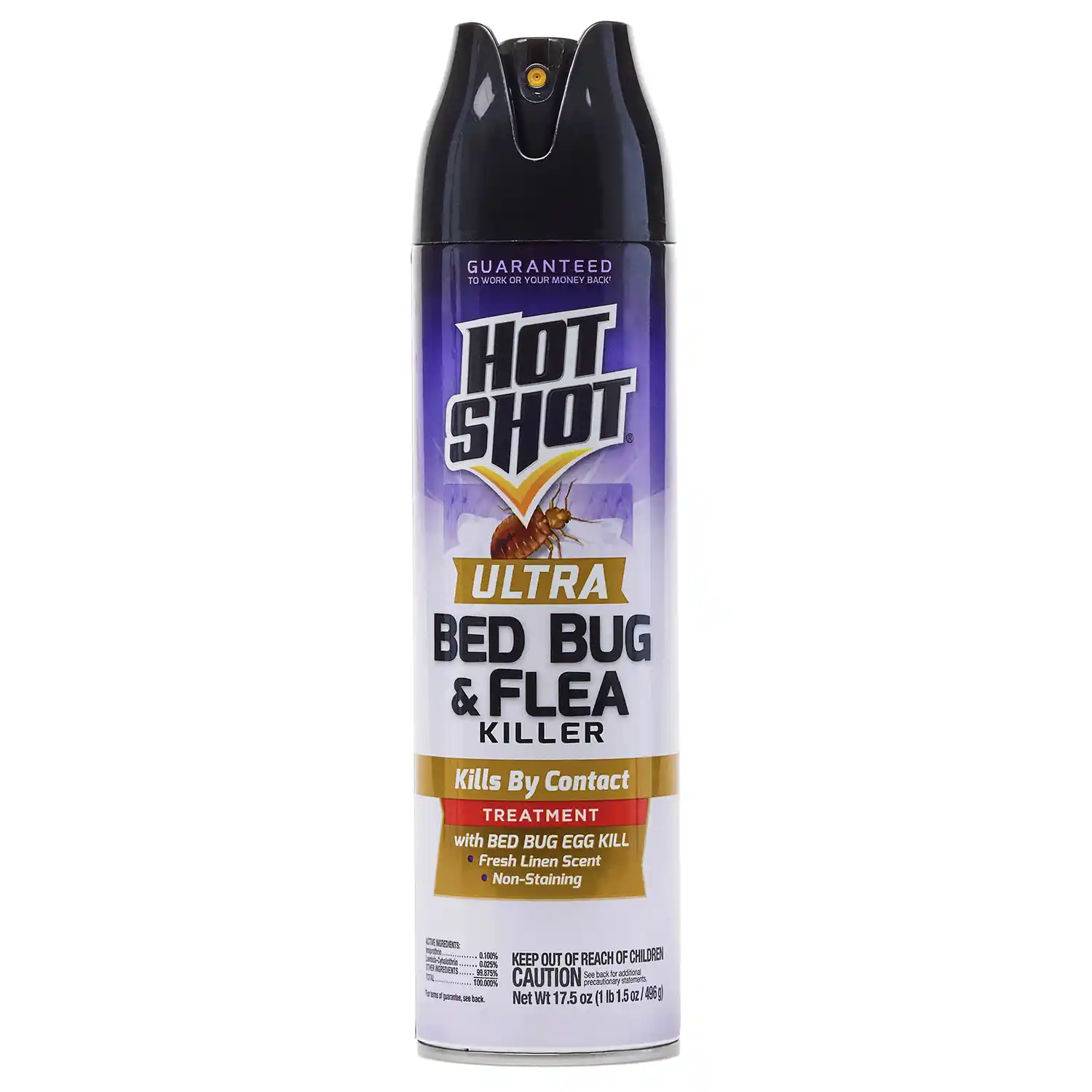
Apply flea spray as directed on the product label. Most sprays work best when used weekly or biweekly. Treat your pet regularly during flea season for continuous protection. Spray your home’s floors, carpets, and pet bedding at the same time. This stops fleas from hiding and breeding indoors. Maintain a consistent schedule to keep fleas away long-term.
Credit: www.hotshot.com
Complementary Flea Control Methods
Flea spray alone may not fully solve flea problems. Combining methods works better. Complementary flea control methods help remove fleas from pets and homes. They reduce the chance of fleas returning. Using several techniques together protects your family and pets.
Vacuuming And Cleaning Your Home
Vacuum floors, carpets, and furniture often. Flea eggs and larvae hide in these spots. Vacuuming removes fleas in all life stages. Empty the vacuum bag or canister outside. Wash pet bedding and blankets in hot water. Clean regularly to lower flea numbers.
Using Flea Combs And Baths
Flea combs catch adult fleas on pets. Comb pets daily to find fleas early. Use warm water baths with mild soap. Bathing helps wash away fleas and dirt. Always dry your pet well after baths. These methods keep fleas off pets between sprays.
Yard Treatments To Prevent Reinfestation
Fleas often live in shady, moist outdoor areas. Treat your yard with safe flea control products. Focus on grass, bushes, and pet resting spots. Keep the yard clean and dry. Remove debris and mow regularly. Yard care limits flea numbers outside your home.
Common Mistakes To Avoid
Using flea spray seems simple, but many make mistakes that reduce its effectiveness. Avoiding common errors helps protect pets better. Understanding these mistakes saves time and effort. Here are key pitfalls to watch out for.
Overusing Or Underusing Flea Spray
Applying too much spray can harm your pet. It may cause skin irritation or sickness. Using too little may not kill the fleas. Follow the instructions on the label carefully. Use the right amount for your pet’s size.
Ignoring Environmental Factors
Fleas live in carpets, bedding, and furniture. Spraying only your pet does not stop fleas at home. Clean and treat your house to remove eggs and larvae. Washing pet bedding often helps a lot. Keep your home clean for best results.
Mixing Products Without Guidance
Combining flea sprays with other chemicals can be risky. Some ingredients may cause bad reactions. Always read labels and warnings before mixing products. Ask a vet if unsure about product combinations. Safety first to protect your pet’s health.
Signs Flea Spray Isn’t Working
Flea spray can be helpful for controlling fleas on pets. But sometimes, it does not work as expected. Knowing the signs that flea spray isn’t working helps you act quickly. This protects your pet from discomfort and prevents a larger flea problem.
Persistent Itching And Bites
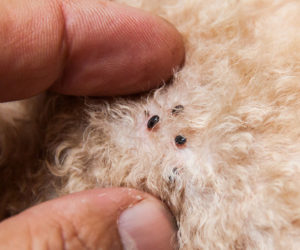
Your pet keeps scratching or biting their skin. The itching does not stop after treatment. Fleas cause irritation and allergic reactions. If your pet shows these signs, fleas may still be present. The spray might not have killed all fleas or eggs.
Visible Fleas After Treatment
You still see fleas on your pet’s fur. Fleas are small but move quickly. Spotting live fleas means the spray is not effective. The product may not cover all areas or may be the wrong type. Check carefully around the neck, tail, and belly.
When To Consult A Veterinarian
Persistent fleas or skin problems need professional help. A vet can check for flea allergies or infections. They may suggest stronger treatments or other options. Do not wait if your pet looks very uncomfortable or sick. Early care improves your pet’s health and comfort.
Credit: readysteadydefend.co.uk
Frequently Asked Questions
Does Flea Spray Effectively Kill All Fleas Instantly?
Flea spray kills most fleas on contact but may not eliminate all instantly. Some eggs and larvae can survive. Regular treatment and cleaning help ensure complete flea control.
How Long Does Flea Spray Protection Last?
Flea spray protection usually lasts from a few days up to two weeks. Duration depends on the product and environmental conditions. Follow product instructions for reapplication timing.
Can Flea Spray Be Used Safely On Pets?
Many flea sprays are safe when used as directed on pets. Always check product labels and avoid spraying near eyes or mouth. Consult a vet for sensitive animals or severe infestations.
Is Flea Spray Enough To Control Infestations Indoors?
Flea spray helps reduce indoor infestations but may not solve the problem alone. Cleaning, vacuuming, and treating pet bedding are also necessary for full control.
Conclusion
Flea spray can help reduce fleas on pets and in your home. It works best when used regularly and as directed. Keep your pet clean and check often for signs of fleas. Treating your environment is important to stop fleas from coming back.
Combine flea spray with other methods for better results. Always choose a spray safe for your pet. Flea control takes time and patience. Stay consistent, and you can protect your pet from fleas.