Last Updated on September 14, 2026
Dogs need the right kind of oil for their health. But which oils are good for them?
Many pet owners want the best for their furry friends. The right oil can improve a dog’s coat, skin, and overall well-being. From fish oil to coconut oil, each type has unique benefits. It’s important to choose the right one to support your dog’s health.
This blog will guide you through the best oils for dogs, ensuring they get the nutrients they need. Get ready to learn how the right oil can make a big difference in your dog’s life.
Introduction To Oils For Dogs
Many pet owners want to know what kind of oil is good for dogs. Choosing the right oil can improve your dog’s health and well-being. Oils can help with skin health, digestion, and even joint pain. This guide will help you understand the benefits of different oils for dogs.
Importance Of Choosing The Right Oil
Not all oils are created equal. Some oils can provide essential nutrients that your dog needs. The right oil can boost your dog’s immune system and improve their coat’s shine. It can also support brain function and reduce inflammation. Here are some key benefits:
- Skin Health: Oils like fish oil can reduce itching and dryness.
- Joint Support: Omega-3 fatty acids can help with arthritis.
- Digestive Aid: Coconut oil can improve gut health.
Always consult your vet before introducing a new oil to your dog’s diet.
Common Misconceptions
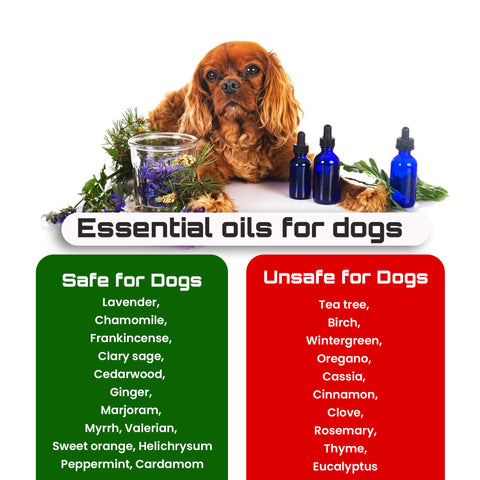
There are many myths about oils for dogs. Some people think all oils are safe for pets. This is not true. For example, essential oils can be toxic. It’s important to use oils that are specifically safe for dogs.
Another common misconception is that more oil is better. Overfeeding oils can lead to weight gain and other issues. Always follow dosage guidelines. Quality is also crucial. Choose high-quality, organic oils whenever possible.
Let’s debunk these myths with facts:
| Myth | Fact |
|---|---|
| All oils are safe for dogs | Only certain oils are safe |
| More oil is better | Follow dosage guidelines |
| Quality doesn’t matter | Choose high-quality oils |
Understanding these myths can help you make better choices for your dog’s health.
Credit: ksagar.com
Benefits Of Healthy Oils
Healthy oils can be very beneficial for dogs. These oils provide essential nutrients that support various aspects of a dog’s health. By incorporating the right type of oil into their diet, you can help improve your dog’s coat, skin, and immune system.
Improved Coat And Skin
One of the primary benefits of healthy oils is an improved coat and skin. Oils like fish oil and coconut oil are rich in omega-3 and omega-6 fatty acids. These fatty acids help reduce dry skin and dandruff. They also promote a shiny, soft coat. Regular use can reduce shedding and itching. Dogs with allergies can see significant improvements too.
Here’s a quick overview of the benefits:
- Reduced dry skin
- Less dandruff
- Shiny, soft coat
- Less shedding
- Reduced itching
Enhanced Immune System
Healthy oils also play a vital role in boosting the immune system. Oils like flaxseed oil and hemp oil contain antioxidants and essential fatty acids. These nutrients help improve the body’s ability to fight off infections. They also support overall health and vitality. A stronger immune system means fewer trips to the vet and a happier, healthier dog.
The key benefits include:
- Improved ability to fight infections
- Overall health support
- Increased vitality
- Fewer vet visits
Incorporating healthy oils into your dog’s diet can have numerous benefits. From a shiny coat to a strong immune system, these oils are a simple way to boost your dog’s health.
Fish Oil
Fish oil is a popular supplement for dogs. It offers numerous health benefits. Fish oil is rich in essential nutrients that can improve your dog’s overall well-being. Let’s explore the benefits and proper usage of fish oil for dogs.
Omega-3 Fatty Acids
Fish oil is a rich source of omega-3 fatty acids. These fatty acids are vital for your dog’s health. They support healthy skin and a shiny coat. Omega-3s also reduce inflammation and support joint health. They can improve heart health and boost the immune system. Adding omega-3s to your dog’s diet can lead to a happier, healthier pet.
Dosage And Administration
Proper dosage of fish oil is crucial. Too much can cause health issues. The right amount depends on your dog’s weight and health needs. Consult your vet for a recommended dosage. Usually, fish oil comes in liquid or capsule form. Mix the liquid with your dog’s food or offer the capsule as a treat. Start with a small dose and gradually increase. Monitor your dog for any adverse reactions. Consistent use ensures your dog gets the full benefits of fish oil.
Coconut Oil
Coconut oil offers numerous benefits for dogs. It helps improve their skin and coat health. Plus, it supports digestion and boosts energy.
Coconut oil is gaining popularity for its health benefits for dogs. It’s rich in healthy fats and has numerous uses. But why is it good for dogs? Let’s dive into the details.Antimicrobial Properties
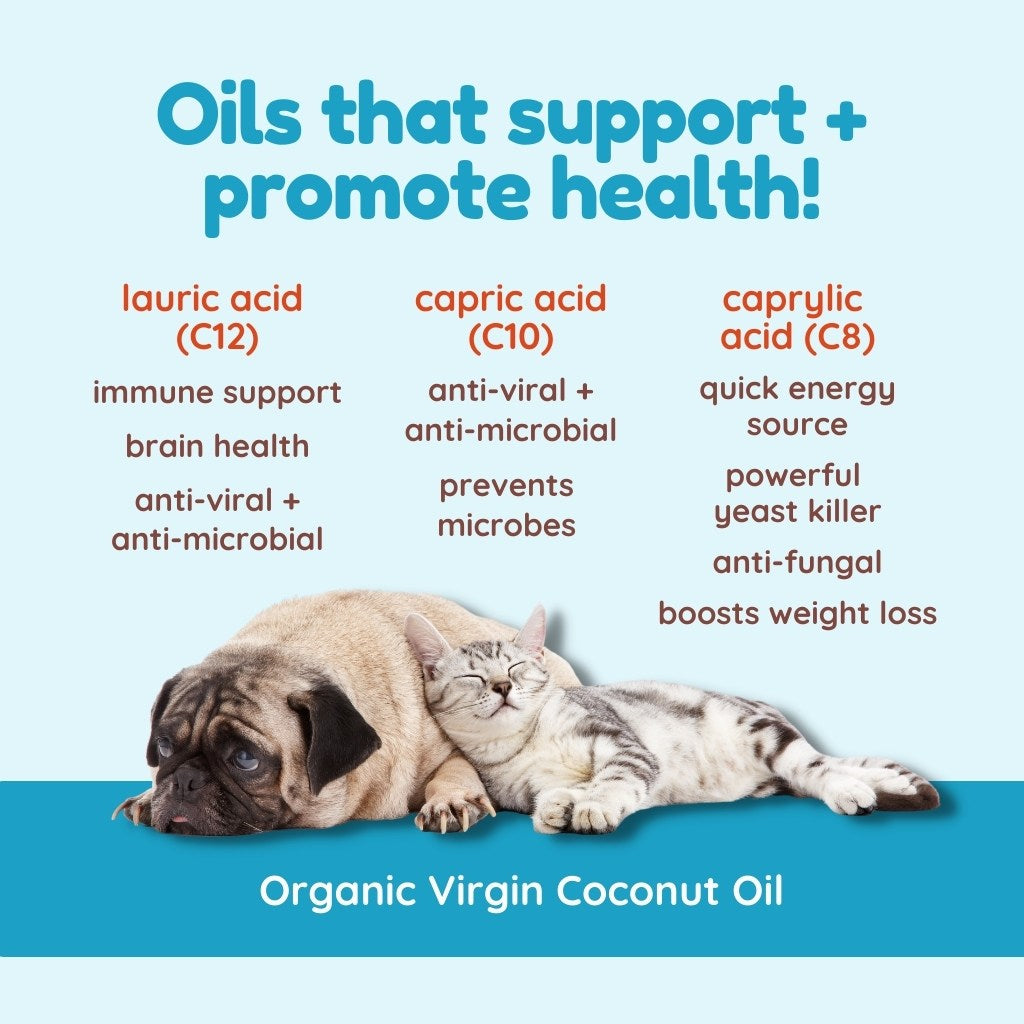
Coconut oil has natural antimicrobial properties. These properties help fight bacteria, viruses, and fungi. This makes it great for your dog’s skin and coat. It can help with infections and even heal wounds. Some studies show it can improve overall skin health.Usage Tips
Start by giving a small amount. About 1/4 teaspoon for small dogs and 1 teaspoon for large dogs. Mix it with their food. You can also apply it directly to their skin for issues like dry patches. Always monitor for any allergic reactions. Too much can cause digestive issues. So, moderation is key. Coconut oil can make your dog’s coat shiny. It can also reduce bad breath. Regular use can improve your dog’s overall health.Olive Oil
Olive oil is a popular choice for dog owners. It offers many benefits for your furry friend. This natural oil is rich in healthy fats. These fats can help improve your dog’s skin and coat. Olive oil also supports overall health. Let’s dive deeper into why olive oil is good for dogs.
Rich In Antioxidants
Olive oil is packed with antioxidants. These antioxidants help fight free radicals in your dog’s body. Free radicals can cause damage to cells. Antioxidants help protect your dog’s health. They can boost the immune system. This makes your dog healthier and happier.
How To Incorporate
Incorporating olive oil into your dog’s diet is easy. Start with a small amount. About one teaspoon for a medium-sized dog. You can drizzle it over their food. Mix it well to ensure they eat it. Gradually increase the amount if needed.
You can also use olive oil as a treat. Dip their favorite treat in olive oil. They will love the taste. Olive oil can also be used for cooking homemade dog food. Just replace other oils with olive oil. This adds a healthy boost to their meals.
Always consult your vet before making changes to your dog’s diet. This ensures that olive oil is a good choice for your dog.
Credit: www.cocotherapy.com
Flaxseed Oil
Flaxseed oil is a popular supplement for dogs. It is rich in omega-3 fatty acids. These acids support a dog’s overall health. Flaxseed oil is derived from the seeds of the flax plant. It is a natural remedy for many issues dogs face.
Benefits For Digestion
Flaxseed oil can improve a dog’s digestion. It helps soothe the digestive tract. This makes it easier for dogs to process food. It can also reduce inflammation in the gut. This leads to better nutrient absorption.
Some dogs suffer from constipation or irregular bowel movements. Flaxseed oil can help regulate these issues. It acts as a natural lubricant for the bowels. This makes it easier for dogs to pass stools. Regular use can promote a healthy digestive system.
Precautions
Flaxseed oil is generally safe for dogs. But, it is important to use it correctly. Too much oil can cause diarrhea. Always follow the recommended dosage. Consult your vet before adding flaxseed oil to your dog’s diet.
Some dogs might be allergic to flaxseed oil. Watch for signs like itching, swelling, or vomiting. If any of these occur, stop using the oil. Seek advice from a veterinarian. Always choose high-quality, pure flaxseed oil. This ensures your dog gets the best benefits.
Hemp Seed Oil
Hemp seed oil is gaining popularity as a supplement for dogs. This oil, derived from the seeds of the hemp plant, offers numerous benefits. It is rich in essential nutrients that support your dog’s overall health. Let’s explore why hemp seed oil might be a good choice for your furry friend.
Balanced Omega Fatty Acids
Hemp seed oil contains balanced omega-3 and omega-6 fatty acids. These fatty acids are essential for a dog’s health. They support a healthy coat and skin. Omega fatty acids also help reduce inflammation. This can be beneficial for dogs with arthritis or other inflammatory conditions.
Regular intake of hemp seed oil can improve your dog’s immune system. It also promotes brain health and cognitive function. Puppies and senior dogs can benefit greatly from these nutrients. The balanced ratio of these fatty acids makes hemp seed oil a standout choice.
Legal Considerations
Hemp seed oil is legal in many regions. It does not contain THC, the psychoactive compound found in marijuana. This makes it safe and non-intoxicating for dogs. Always check your local laws before purchasing hemp seed oil.
Ensure the product is labeled as hemp seed oil. Some products may contain CBD oil, which has different regulations. Consulting your vet before adding any new supplement is always a good practice. This ensures the best care for your dog.

Credit: wearethecure.org
How To Choose The Right Oil
Choosing the right oil for your dog can be a challenging task. Different oils offer different benefits. It’s important to pick the right one based on your dog’s needs. Let’s explore the factors to consider and the importance of consulting with a vet.
Factors To Consider
When choosing an oil for your dog, consider the following factors:
- Health Benefits: Look for oils that provide specific health benefits. For example, fish oil is good for joints and skin.
- Quality: Always choose high-quality, organic oils. These are free from harmful chemicals.
- Source: Ensure the oil is sourced from reliable suppliers. This ensures the oil is safe and effective.
- Dosage: Follow the recommended dosage for your dog’s size and weight.
- Allergies: Check if your dog has any allergies to specific oils. Avoid those oils to prevent allergic reactions.
Consulting With A Vet
Before introducing any new oil into your dog’s diet, consult with a vet. Vets can provide personalized advice based on your dog’s health condition. They will recommend the best type and dosage of oil. This ensures your dog’s safety and well-being.
Here are some questions to ask your vet:
- What type of oil is best for my dog’s condition?
- What is the recommended dosage for my dog’s size and weight?
- Are there any potential side effects to watch for?
- How often should I give the oil to my dog?
Choosing the right oil can significantly improve your dog’s health. Always consider the factors above and consult with a vet. This ensures you make the best choice for your furry friend.
Common Mistakes To Avoid
Choosing the right oil for your dog’s diet can be beneficial. Yet, many pet owners make common mistakes. These can lead to health issues for their furry friends. Here, we discuss some common mistakes to avoid.
Overuse Of Oils
One major mistake is the overuse of oils. Adding too much oil to your dog’s diet can cause problems. It can lead to weight gain and digestive issues.
Dogs need a balanced diet. Adding too much oil can disrupt this balance. Here are some tips to avoid overuse:
- Follow the recommended dosage on the product label.
- Consult your veterinarian for personalized advice.
- Monitor your dog’s weight and adjust the oil intake accordingly.
Ignoring Allergies
Another mistake is ignoring allergies. Some dogs have allergies to certain oils. For example, coconut oil is popular, but it can cause reactions in some dogs.
Signs of allergies include:
- Itching
- Redness
- Digestive upset
To avoid this mistake:
- Introduce new oils gradually.
- Watch for any allergic reactions.
- Stop using the oil if you see any negative symptoms.
Always choose oils that are safe for dogs. Avoid these common mistakes to keep your pet healthy and happy.
Conclusion And Final Tips
Coconut oil and fish oil are both beneficial for dogs. They support coat health and boost the immune system. Always consult your vet for proper dosage.
As we wrap up, it’s crucial to review the key points about choosing the best oil for dogs. This will help you make an informed decision for your furry friend’s health. Here, we will summarize the main points and give final recommendations.Summary Of Key Points
- Benefits of Oils: Oils can improve coat health, joint function, and overall wellness.
- Types of Oils: Fish oil, coconut oil, and flaxseed oil are popular choices.
- Dosage: Always follow the recommended dosage to avoid overfeeding.
- Quality: Choose high-quality, organic oils without additives.
Final Recommendations
For optimal results, follow these final recommendations:
- Consult Your Vet: Always consult your veterinarian before adding any oil to your dog’s diet.
- Start Small: Introduce the oil in small amounts to monitor for any adverse reactions.
- Observe Changes: Keep an eye on your dog’s coat, energy levels, and overall health.
- Maintain Balance: Ensure the oil complements your dog’s existing diet without causing imbalance.
By keeping these tips in mind, you can enhance your dog’s diet and promote a healthier, happier life.
Frequently Asked Questions
What Oils Are Safe For Dogs?
Coconut, fish, and flaxseed oils are safe for dogs. They provide essential fatty acids, improve skin health, and support overall well-being.
Can Dogs Have Olive Oil?
Yes, dogs can have olive oil. It is rich in healthy fats and antioxidants, promoting a shiny coat and healthy skin.
How Much Oil Should I Give My Dog?
Consult your vet for precise amounts. Generally, a teaspoon for small dogs and a tablespoon for larger breeds is recommended.
Is Fish Oil Good For Dogs?
Yes, fish oil is beneficial for dogs. It supports joint health, reduces inflammation, and enhances cognitive function.
Conclusion
Choosing the right oil for your dog can boost their health. Coconut oil supports skin and coat health. Fish oil provides essential omega-3 fatty acids. Olive oil can improve cardiovascular health. Always check with your vet before adding oils to your dog’s diet.
Keep your dog healthy and happy with the right oils. Make sure to use high-quality oils. Your dog’s health is worth the effort.