Last Updated on June 13, 2026
Ticks on your dog can be more than just a nuisance—they can put your furry friend’s health at serious risk. You want to protect your dog right away, but how do you kill ticks instantly and safely?
Knowing the fastest and most effective methods can save your dog from discomfort and dangerous diseases. Keep reading to discover the best solutions that work immediately, so you can act quickly and keep your dog safe and happy.

Credit: smoochie-pooch.com
Ticks And Their Risks
Ticks are small parasites that feed on your dog’s blood. They can attach to your dog’s skin and stay hidden for days. These pests are not just annoying. They carry serious health risks for dogs and even humans. Knowing about ticks helps protect your pet better.
Ticks live in grassy and wooded areas. Dogs that spend time outside are at higher risk. Checking your dog regularly for ticks is very important. Early removal reduces the chance of illness.
Common Tick Species On Dogs
Several tick species often bite dogs. The most common include the black-legged tick, also called the deer tick. It spreads Lyme disease. The American dog tick is another common species. It can cause tick paralysis and other infections. The brown dog tick lives mostly in homes and yards. It can spread diseases like ehrlichiosis. Knowing which ticks are common in your area helps in prevention.
Health Dangers Of Tick Bites
Tick bites can cause many health problems. Bites may lead to skin irritation and infections. Some ticks spread diseases that affect your dog’s organs. Lyme disease causes fever, joint pain, and weakness. Ehrlichiosis can cause bleeding problems and weight loss. Tick paralysis is a rare but serious condition. It can cause weakness and breathing problems. Quick tick removal lowers these health risks. Watch your dog for signs of illness after a bite.
:max_bytes(150000):strip_icc()/how-to-get-rid-of-ticks-in-your-house-5224951_v1-f169849a9571441ab1449de166157c0f.jpg)
Credit: www.thespruce.com
Instant Tick Removal Techniques
Instant tick removal is key to protecting your dog from infections. Quick action stops ticks from spreading diseases. Knowing the right techniques helps remove ticks safely and fast.
Using Tick Removal Tools
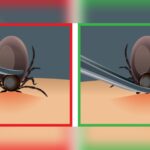
Special tick removal tools make the job easier. These tools grab the tick close to the skin. Pull the tick straight out with steady pressure. Avoid twisting or crushing the tick. Clean the bite area after removal.
Manual Removal Tips
Use fine-tipped tweezers if tools are unavailable. Grab the tick near the dog’s skin carefully. Pull upward slowly and steadily. Do not squeeze the tick’s body. Dispose of the tick in a sealed container.
Avoiding Common Mistakes
Do not burn or use chemicals on the tick. Avoid crushing the tick with your fingers. Leaving tick parts in the skin causes infection. Do not delay removal; act as soon as you find a tick.
Safe Tick Killers For Dogs
Ticks can cause serious health problems for dogs. Finding safe tick killers is very important. These products kill ticks quickly without harming your pet. Using the right treatment keeps your dog healthy and happy.
Topical Treatments
Topical treatments are liquids applied on the dog’s skin. They spread over the body and kill ticks fast. Most topical solutions work for a whole month. They are easy to use and very effective. Always apply on clean, dry skin for best results.
Oral Medications
Oral medications are pills or chewables your dog eats. They enter the bloodstream and kill ticks when they bite. These medicines act quickly and protect for weeks. Many dogs enjoy the taste of these pills. Consult your vet before starting any oral treatment.
Natural Remedies
Natural remedies use ingredients from plants or oils. They are gentle and safe for dogs with sensitive skin. Some natural oils repel or kill ticks instantly. These remedies may need frequent application. Always check if your dog has allergies before use.
Preventing Future Tick Infestations
Preventing future tick infestations is key to keeping your dog safe and healthy. Ticks spread diseases and cause discomfort. Stopping them before they attach saves you time and worry. Using several methods together works best for long-term protection. Focus on repelling ticks, grooming your dog often, and controlling their environment.
Tick Repellent Options
Tick repellents help keep ticks away from your dog. Choose sprays, collars, or spot-on treatments made for dogs. These products contain ingredients that ticks dislike. Apply them as directed for best results. Repellents reduce the chance ticks latch onto your dog’s skin.
Regular Grooming Practices
Brush your dog regularly to spot ticks early. Check common tick areas: ears, neck, belly, and paws. Bathing your dog can also remove ticks before they bite. Grooming keeps your dog’s coat clean and healthy. Early tick removal prevents infections and discomfort.
Environmental Control Measures
Ticks live in tall grass, bushes, and leaf piles. Keep your yard mowed and clear of debris. Create a tick-free zone by removing brush near your home. Consider using pet-safe yard treatments to reduce ticks. This lowers the risk of ticks jumping onto your dog outdoors.
When To See A Vet
Knowing when to see a vet after removing a tick from your dog is very important. Ticks can carry diseases that harm your pet. Some problems may not show right away but need quick care. Watch your dog closely after removing ticks. Be alert for any changes in behavior or health. Early vet visits can prevent serious illness.
Signs Of Tick-borne Illness
Look for signs like fever, weakness, or loss of appetite. Swollen joints or limping can also mean trouble. Your dog may have trouble breathing or unusual bleeding. Vomiting and diarrhea might happen too. These symptoms show that a tick may have passed a disease. See a vet immediately if any of these signs appear.
Post-removal Care
Clean the bite area with mild soap and water. Apply an antiseptic to stop infection. Keep the area dry and watch for redness or swelling. Do not use harsh chemicals on the skin. Check your dog daily for new ticks or changes. Contact your vet if you notice anything unusual or if the tick’s head remains in the skin.

Credit: www.wikihow.com
Frequently Asked Questions
What Kills Ticks On Dogs Instantly At Home?
Using tick sprays or spot-on treatments with permethrin or fipronil can kill ticks on dogs quickly. Always follow product instructions carefully for safe use.
Are Natural Remedies Effective Against Ticks On Dogs?
Natural remedies like essential oils can repel ticks but may not kill them instantly. Consult your vet before using natural treatments.
Can Tick Collars Kill Ticks Instantly On Dogs?
Tick collars release chemicals that kill or repel ticks, but they typically take several hours to work, not instantly.
How Can I Remove Ticks From Dogs Safely?
Use fine-tipped tweezers to grasp the tick close to the skin and pull steadily without twisting. Clean the area afterward.
Conclusion
Ticks can harm your dog quickly if not removed fast. Using safe and effective methods kills ticks instantly. Always check your dog after walks or playtime. Quick action helps avoid infections and discomfort. Regular care keeps your dog healthy and happy.
Stay alert and protect your pet every day. Simple steps make a big difference in tick control. Keep your dog safe with the right tools and knowledge. Prevention and prompt treatment work best together. Your dog deserves a tick-free life.