Last Updated on June 11, 2026
Ticks are more than just annoying pests—they can pose serious health risks to you and your loved ones. If you’ve ever found one crawling on your skin or hiding in your yard, you know how unsettling it feels.
But here’s the good news: you don’t have to live with them or worry about what they might bring. You’ll discover simple, effective ways to eliminate ticks from your home and outdoor spaces. By the end, you’ll have the confidence and tools to protect yourself, your family, and your pets.
Keep reading to learn how to take control and say goodbye to ticks for good.
Tick Risks At Home
Ticks are tiny pests that can live near or inside your home. They do not just cause discomfort. They can bring serious health problems to your family and pets. Understanding where ticks hide and the risks they pose helps you protect your home better.
Health Issues From Ticks
Ticks can spread diseases to humans and animals. Lyme disease is the most common illness from tick bites. It causes fever, tiredness, and joint pain. Some tick bites can cause allergic reactions or skin infections. Pets can also get sick from ticks. Treating these illnesses early is very important.
Common Tick Habitats Around Homes
Ticks like shady, moist areas. They hide in tall grass, bushes, and leaf piles. Wooded areas near homes are favorite spots for ticks. Pets can bring ticks inside after playing outside. Gardens with dense plants can also host ticks. Checking these places often helps reduce tick risks.
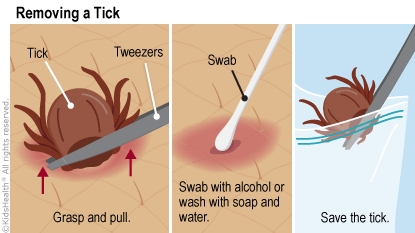
Credit: kidshealth.org
Preventive Yard Maintenance
Preventive yard maintenance is key to keeping ticks away from your home. Ticks live in tall grass, bushes, and piles of leaves. By keeping your yard clean and well-kept, you can lower the chances of ticks hiding nearby. Simple steps in lawn care and yard cleanup can help stop ticks before they become a problem.
Lawn Care To Reduce Ticks
Keep your grass short. Mow your lawn regularly to prevent tall grass where ticks like to live. Short grass makes it harder for ticks to find animals or people to bite. Remove any weeds and avoid letting grass grow wild near paths and play areas. This helps create a less inviting space for ticks.
Trimming Shrubs And Trees
Trim shrubs and tree branches to let sunlight reach the ground. Ticks prefer shady, damp spots. Opening up your yard with trimming reduces these cool, dark places. Prune plants to improve air flow. This dries out the ground and lowers tick survival. Keep bushes away from walkways and play areas for extra protection.
Removing Leaf Litter And Debris
Clear away leaf litter, piles of wood, and other debris. These are perfect hiding spots for ticks. Rake leaves often, especially in fall. Store firewood away from your home and off the ground. Clean garden beds and remove dead plants. A tidy yard leaves fewer places for ticks to live and breed.
Barrier Methods
Barrier methods help stop ticks from entering your yard and home. They create a physical space ticks cannot cross. This lowers the chance of ticks biting pets or people. Simple steps can make a big difference in tick control.
Creating Tick-free Zones
Clear tall grass and brush near your home. Ticks like to hide in moist, shady places. Mow your lawn often. Remove leaf litter and piles of wood. Keep play areas and patios away from woods or bushes. This cuts down tick habitats near your space.
Using Mulch And Gravel Borders
Place a wide border of wood chips or gravel between lawns and wooded areas. This dry, rough zone stops ticks from moving into your yard. Mulch and gravel make a tough path for ticks to cross. Renew these borders every year to keep them effective.
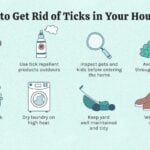
:max_bytes(150000):strip_icc()/how-to-get-rid-of-ticks-in-your-house-5224951_v1-f169849a9571441ab1449de166157c0f.jpg)
Credit: www.thespruce.com
Chemical Treatments
Chemical treatments are a powerful way to control ticks in your yard or on pets. These treatments help reduce the tick population quickly. They work by killing ticks on contact or creating barriers that ticks avoid.
Choosing the right chemical and using it safely is important. Chemicals can be strong and should be handled with care. Proper use ensures the health of your family, pets, and the environment.
Selecting Tick Pesticides
Pick pesticides that are made specifically for ticks. Check the label to see if it targets the tick species in your area. Look for products approved by health or environmental agencies. These are safer and tested for effectiveness.
Consider the form of the pesticide. Sprays, granules, and powders each work differently. Sprays cover large areas, while granules treat soil or lawns. Powders are good for small spots or hard-to-reach places.
Safe Application Practices
Always read and follow the instructions on the pesticide label. Wear gloves and protective clothing during application. Keep children and pets away from treated areas until dry.
Apply chemicals on calm, dry days to avoid drift or runoff. Avoid overuse, as excess chemicals can harm plants and animals. Store pesticides in a cool, dry place out of reach of children.
Natural Tick Control
Natural tick control uses safe and eco-friendly methods. It helps reduce ticks without harsh chemicals. These methods protect your family, pets, and garden. You can use plants and natural predators to keep ticks away. Also, homemade repellents can stop ticks from biting.
Beneficial Plants And Predators
Certain plants keep ticks away naturally. Examples include lavender, rosemary, and marigold. These plants have strong smells that ticks dislike. Plant them around your home and garden edges.
Some animals eat ticks and help control their numbers. Birds like guinea hens and chickens peck ticks off the ground. Also, certain insects like ladybugs and spiders reduce tick populations.
Homemade Repellents And Sprays
Simple ingredients can make effective tick repellents at home. Mix essential oils like eucalyptus, peppermint, or citronella with water. Spray this mix on clothes, skin, and pets to prevent tick bites.
Apple cider vinegar diluted with water also works as a tick spray. Use a spray bottle to apply it around your yard. These natural sprays are safe and easy to make.
Protecting Pets And Family
Ticks pose a serious risk to both pets and family members. These tiny pests carry diseases that can harm health. Protecting your loved ones means knowing how to prevent tick bites. This section covers easy steps to keep ticks away from pets and people at home.
Tick Prevention For Pets
Pets often bring ticks inside the home. Regularly check your pet’s fur and skin for ticks. Use tick collars or spot-on treatments recommended by veterinarians. Keep your yard clean by trimming grass and removing leaf piles. Avoid walking pets in tall grass or wooded areas. Bathing pets with special shampoos can help kill ticks on contact. Early tick removal reduces the chance of disease spread.
Personal Protection Tips
Wear long sleeves and pants when outside in tick-prone areas. Tuck pants into socks to block ticks from reaching skin. Use insect repellents containing DEET or permethrin on clothing. Stay on clear trails, avoiding tall grass and bushes. After outdoor activities, check your body carefully for ticks. Showering soon after being outside helps wash away unattached ticks. Prompt tick removal lowers the risk of infection.
Regular Inspection And Removal
Regular inspection and removal of ticks is key to preventing tick-borne diseases. Ticks can attach to the skin or clothes without notice. Checking yourself and your family often reduces the risk of infection. This practice helps catch ticks early before they cause harm.
Checking For Ticks On Skin And Clothes
Examine your body carefully after being outdoors. Focus on areas like behind ears, underarms, and around the waist. Ticks prefer warm, hidden spots. Use a mirror to check places you cannot see. Also, inspect your clothes and shoes for ticks. Ticks can cling to fabric and move onto skin later. Washing clothes in hot water kills ticks on fabric.
Proper Tick Removal Techniques
Use fine-tipped tweezers to remove ticks. Grab the tick as close to the skin as possible. Pull upward with steady, even pressure. Avoid twisting or squeezing the tick’s body. This stops tick parts from breaking off under the skin. After removal, clean the bite area with soap and water. Dispose of the tick by placing it in alcohol or sealing it in a bag. Never crush a tick with your fingers.
When To Call Professionals
Knowing when to call professionals for tick removal is important. Some tick problems are too tough to handle alone. Professionals have the right tools and skills to get rid of ticks safely and fully.
Ticks can spread diseases and cause serious health issues. Acting fast and wisely can protect your family and pets. Learn the signs that show you need expert help and how to pick the right pest control service.
Signs You Need Expert Help
Ticks keep coming back after your efforts. You spot many ticks in your yard or home. You find ticks on your pets often. You notice tick bites or rashes on family members. Your usual cleaning and spraying do not work. You want to avoid chemicals but need effective treatment. You have a large property or dense vegetation. These situations mean professional help is needed.
Choosing A Pest Control Service
Look for companies with experience in tick control. Check if they use safe and approved methods. Read reviews from other customers. Confirm they treat your area and offer follow-up visits. Ask about their pricing and guarantees. Choose a service that answers your questions clearly. A good company will explain the process and show care for your safety.
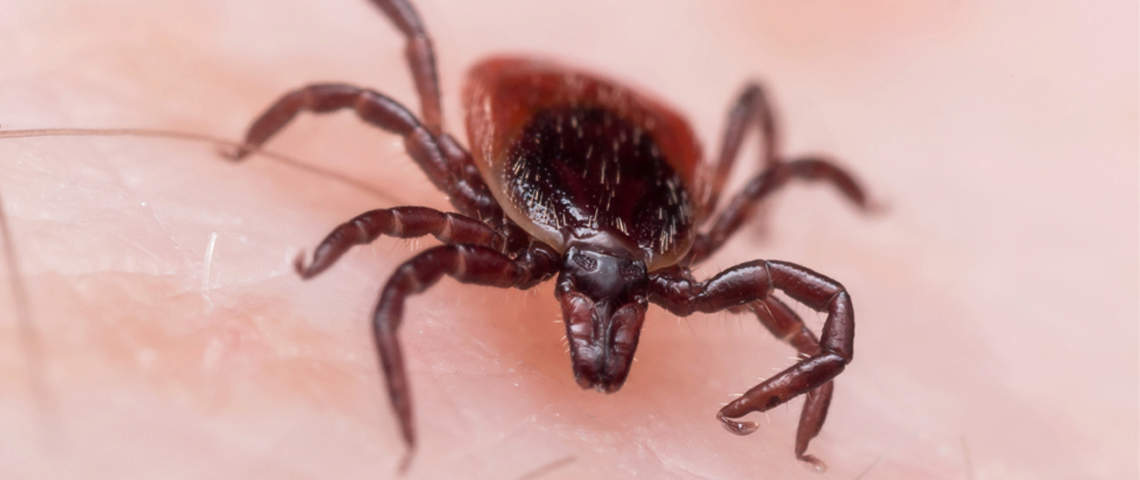
Credit: www.gardentech.com
Frequently Asked Questions
How Can I Naturally Eliminate Ticks From My Yard?
To naturally eliminate ticks, keep grass short and remove leaf litter. Use beneficial nematodes or diatomaceous earth in tick-prone areas. Encourage wildlife like birds and chickens that eat ticks. Avoid chemical pesticides for a safer, eco-friendly approach.
What Are The Best Products To Kill Ticks Effectively?
Effective products include permethrin sprays, tick collars for pets, and tick tubes with treated cotton. Use EPA-approved insecticides for yards. Always follow label instructions carefully to ensure safety and maximum tick control.
How Do I Safely Remove A Tick From My Skin?
Use fine-tipped tweezers to grasp the tick close to the skin. Pull upward steadily without twisting. Clean the area with soap and water. Avoid crushing the tick to prevent infection. Seek medical advice if symptoms appear.
Can Ticks Survive Indoors, And How To Prevent Them?
Ticks rarely survive indoors but can hitchhike on pets or clothing. Vacuum frequently and wash pet bedding. Use tick repellents on pets and check them after outdoor activities. Seal cracks to reduce indoor entry.
Conclusion
Ticks can cause serious health problems. Removing them quickly keeps you safe. Keep your yard clean and check your pets often. Use tick repellents and wear protective clothing outdoors. Stay alert during tick season to avoid bites. Taking these steps helps protect your family and pets.
Stay proactive, stay safe, and enjoy the outdoors without worry. Simple habits make a big difference in tick prevention.