Last Updated on June 3, 2026
Are you tired of seeing fleas and ticks take over your yard? These tiny pests can ruin your outdoor fun and even harm your pets.
But what if you could protect your space without harsh chemicals? You can! Homemade flea and tick killers are easy to make, safe, and effective. You’ll discover simple, natural recipes that keep your yard pest-free. Keep reading to learn how to protect your family and pets while enjoying a clean, healthy outdoor space.
Why Choose Natural Flea And Tick Killers
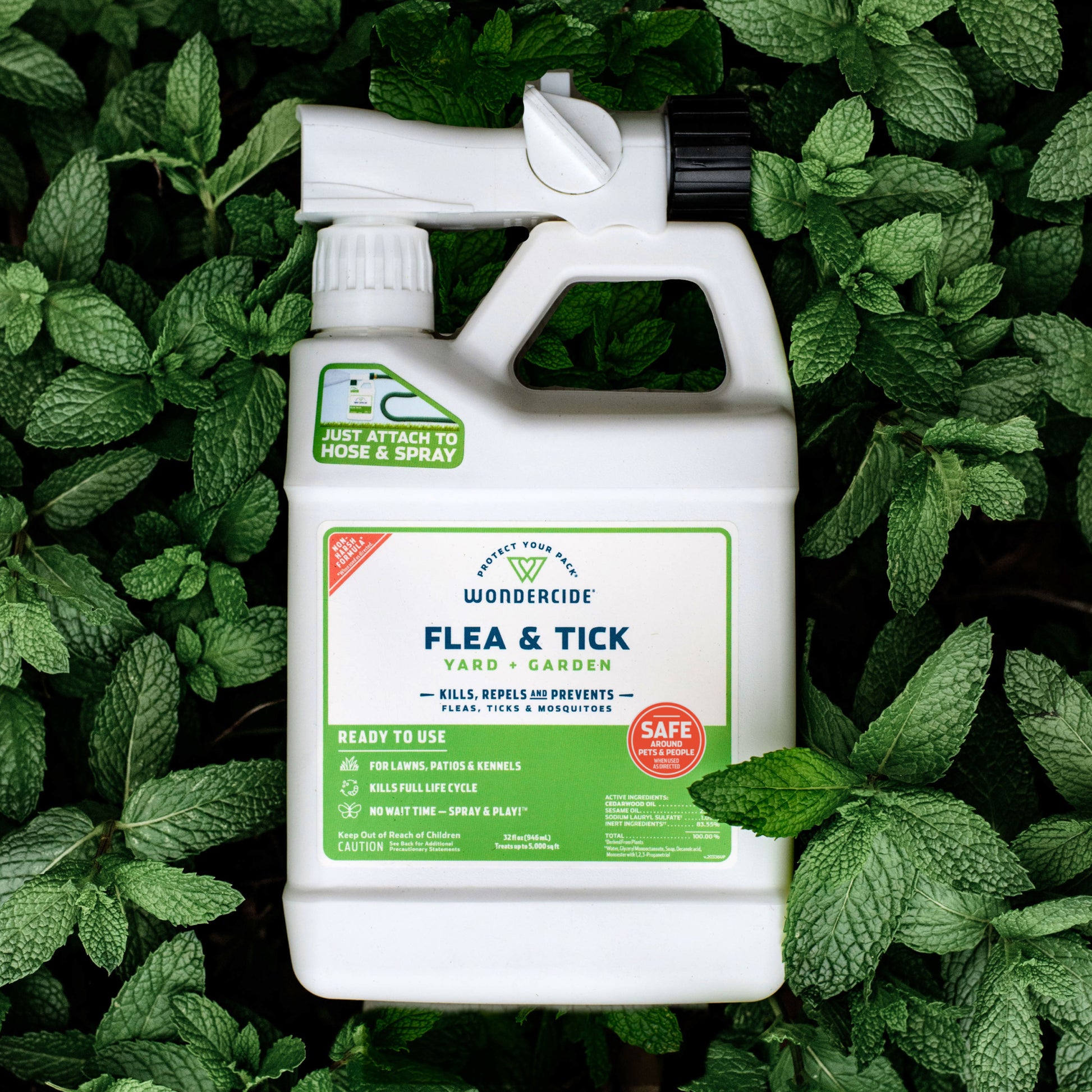
Choosing natural flea and tick killers for your yard offers many advantages. These options use ingredients found in nature. They provide a safer way to protect your pets and family. Natural treatments help keep your outdoor space healthy and clean. Using them can reduce risks linked to harsh chemicals. This makes your home a safer place for everyone.
Benefits Over Chemical Alternatives
Natural flea and tick killers do not contain strong toxins. They work by repelling pests instead of killing them with poison. This lowers the chance of pests building resistance. Chemicals can harm beneficial insects and plants. Natural solutions keep helpful bugs safe. They also prevent damage to your garden’s soil and flowers.
Safety For Pets And Children
Pets and children often play outside. Chemicals in yard treatments can cause skin irritation or illness. Natural flea and tick killers use gentle ingredients like essential oils or vinegar. These are less likely to cause allergic reactions. You can spray your yard without worry. This keeps your loved ones safe while enjoying the outdoors.
Environmental Impact
Chemical pesticides can pollute water and soil. They may harm birds, bees, and other wildlife. Natural flea and tick killers break down quickly in the environment. They reduce pollution and protect ecosystems. Using natural products helps maintain balance in your yard’s ecosystem. It supports cleaner air, water, and healthy plants.
Credit: www.wondercide.com
Common Yard Flea And Tick Problems
Yards often hide common problems with fleas and ticks. These tiny pests cause many issues for pets and families. Knowing the common yard flea and tick problems helps you control them better.
Fleas and ticks live in certain areas and follow a life cycle. They can spread diseases and cause discomfort. Understanding these points is the first step in keeping your yard safe.
Identifying Infested Areas
Look for shaded, moist spots in your yard. Fleas and ticks like tall grass and leaf piles. These places protect them from heat and sunlight. Pets often pick up pests here. Check places where your pets rest or play.
Flea And Tick Life Cycle
Fleas lay eggs on pets or in the yard. Eggs hatch into larvae that hide in soil or grass. Larvae turn into pupae before becoming adults. Ticks start as eggs, then larvae, nymphs, and adults. Each stage needs a blood meal to grow.
Risks To Pets And Humans
Fleas and ticks bite and cause itching and skin problems. They can spread diseases like Lyme disease and flea allergy. Pets may lose fur or feel weak. Humans, especially children, face risk too. Protecting your yard reduces these dangers.
Key Ingredients For Homemade Solutions
Creating a homemade flea and tick killer for your yard starts with the right ingredients. Natural components keep your outdoor space safe. These ingredients also work well to repel pests without harmful chemicals.
Choosing the right natural elements helps protect your family and pets. It also supports a healthy garden environment. Here are some key ingredients that make effective homemade pest repellents.
Essential Oils That Repel Pests
Essential oils are powerful and natural pest repellents. Oils like peppermint, eucalyptus, and citronella keep fleas and ticks away. They have strong scents that pests dislike. Mix a few drops with water for a spray. Use this spray around your yard to deter pests safely.
Herbs And Plants That Help
Many herbs and plants naturally repel fleas and ticks. Lavender, rosemary, and mint are good examples. Plant these around your yard or garden beds. Their smell keeps pests from coming near. You can also make sprays by soaking leaves in water.
Other Natural Ingredients
Besides oils and herbs, some other natural items help fight pests. Apple cider vinegar can be diluted and sprayed on plants. Diatomaceous earth is a powder that kills fleas and ticks by drying them out. These ingredients are safe for pets and people when used correctly.
Simple Recipes For Yard Flea And Tick Killer
Keeping your yard free from fleas and ticks is important for your family and pets. Natural solutions work well and keep chemicals out of your outdoor space. These simple recipes use common ingredients that are safe and effective. You can make them at home easily and spray or spread them in your yard. They help reduce pests without harming plants or animals.
Essential Oil Spray
Mix 10 drops of eucalyptus oil, 10 drops of peppermint oil, and 10 drops of lavender oil. Add these oils to one cup of water in a spray bottle. Shake well before use. Spray this mixture on grass, shrubs, and pet areas. The oils repel fleas and ticks naturally. Repeat every few days for best results.
Herbal Yard Powder
Grind dried rosemary, thyme, and mint leaves into a fine powder. Sprinkle this powder around your yard and in pet resting spots. These herbs smell strong and keep fleas and ticks away. The powder dries out pests and stops them from hiding in your yard. Reapply after rain or watering.
Vinegar-based Spray
Combine one cup of apple cider vinegar with one cup of water in a spray bottle. Add one teaspoon of dish soap and mix gently. Spray this solution on plants and lawn areas where pests are common. Vinegar changes the pH and deters fleas and ticks. Use it twice a week for continuous protection.
How To Apply Homemade Treatments
Applying homemade flea and tick killers in your yard needs care and attention. Proper use helps keep pests away and protects your plants and pets. This guide explains how to apply these treatments effectively and safely.
Targeting High-risk Zones
Focus on areas where fleas and ticks hide. These include tall grass, bushes, and shaded spots. Treat near pet resting places and fence lines. Spray or sprinkle the solution directly on these zones. Avoid soaking the ground to prevent runoff.
Frequency And Timing
Apply treatments every two weeks during peak pest season. Early morning or late afternoon works best. Avoid the hottest part of the day to protect plants. Repeat after rain to maintain protection. Consistency keeps pests under control.
Safety Tips During Application
Wear gloves and long sleeves to protect your skin. Keep children and pets away while applying the treatment. Use a spray bottle or garden sprayer for even coverage. Store homemade solutions safely out of reach. Wash hands thoroughly after use.
Credit: www.homedepot.com
Maintaining A Flea And Tick-free Yard
Keeping your yard free of fleas and ticks is key to protecting your family and pets. These pests thrive in warm, shady, and moist areas. They can cause itching, infections, and even serious diseases. Maintaining a clean and well-kept yard helps reduce their hiding spots. It also lowers the chance of infestations.
Landscaping Tips
Trim bushes and trees often to reduce shade. Fleas and ticks prefer dark, damp places. Keep grass short and neat. Remove leaf litter and tall weeds. Create a dry barrier using wood chips or gravel around play areas. Avoid planting thick ground cover near your home. These steps make your yard less welcoming to pests.
Regular Yard Cleaning
Clear fallen leaves and debris weekly. These areas hold moisture and pests. Dispose of yard waste properly. Check your lawn for animal droppings and remove them. Clean pet bedding and toys outside regularly. Use a rake to break up moist soil. This helps dry the yard and discourage pests from settling.
Pet Care Practices
Check your pets for fleas and ticks daily. Use vet-recommended flea and tick treatments. Bathe pets with natural flea shampoos. Keep their bedding clean and dry. Avoid letting pets roam in tall grass or wooded areas. Regular grooming reduces pest buildup. Healthy pet habits help keep your yard safe too.
When To Seek Professional Help
Knowing when to seek professional help is key to controlling fleas and ticks in your yard. Some infestations are too large or stubborn for homemade treatments alone. Acting early and smart saves your plants, pets, and family.
Signs Of Severe Infestation
Fleas or ticks appear in large numbers on pets or plants. You see constant bites or skin irritation on your pets. Fleas or ticks return shortly after homemade treatments. Pets scratch or bite themselves nonstop. Yard areas have visible clusters of pests. These signs show a severe infestation beyond home remedies.
Choosing Pest Control Services
Look for licensed pest control companies with good reviews. Ask if they use safe, eco-friendly methods. Check if they treat both yard and pets together. Request a clear explanation of treatment steps and costs. A reliable service helps manage pests effectively and safely.
Combining Natural And Professional Methods
Use homemade sprays and natural repellents between professional treatments. Keep your yard clean and dry to reduce pests naturally. Regularly check your pets for ticks and fleas. This mix helps keep pests low without harsh chemicals. Professionals handle tough infestations while you maintain prevention daily.

Credit: www.amazon.com
Frequently Asked Questions
What Natural Ingredients Kill Fleas And Ticks In Yards?
Common natural ingredients include neem oil, diatomaceous earth, and essential oils like lavender or eucalyptus. These ingredients repel and kill fleas and ticks without harmful chemicals, making your yard safe for pets and children.
How Often Should I Apply Homemade Flea Killer In My Yard?
Apply the homemade flea and tick killer every 7 to 14 days. Regular application ensures consistent protection, especially during warm months when pests are most active.
Is Homemade Flea And Tick Spray Safe For Pets?
Yes, when using natural ingredients, the spray is generally safe for pets. Avoid using essential oils that are toxic to animals, like tea tree oil, and always test a small area first.
Can Homemade Remedies Effectively Control Ticks In Large Yards?
Homemade remedies can reduce tick populations but may not eliminate them entirely in large yards. Combining treatments with yard maintenance improves effectiveness.
Conclusion
Keeping your yard free from fleas and ticks is easy with homemade solutions. These natural remedies protect your pets and family safely. Regular use helps reduce pests without harsh chemicals. You save money and avoid harmful sprays. Simple ingredients and steps make it a smart choice.
Try these tips to enjoy a cleaner, safer outdoor space today. Your pets will thank you for it.