Last Updated on June 3, 2026
Are you tired of battling fleas on your pets or around your home? You might have heard that vanilla can help keep these pesky bugs away.
But does vanilla really repel fleas, or is it just a myth? If you want to protect your furry friends without harsh chemicals, understanding how vanilla works could be the key. Keep reading to find out the truth and learn easy, natural ways to keep fleas at bay.
Your pets—and your peace of mind—will thank you.

Credit: www.amazon.com
Fleas And Their Impact
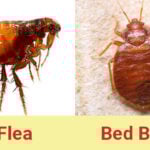
Fleas are tiny insects that cause big problems for pets and people. They live on animals like dogs and cats. Fleas bite and feed on blood. This causes itching and discomfort.
Fleas multiply quickly. A small number can turn into a large infestation fast. This makes them hard to control. Understanding fleas helps protect your home and family.
Common Flea Problems
Fleas cause itching and skin irritation in pets. Pets scratch and bite their skin a lot. This can lead to sores and infections. Fleas also leave dirt-like droppings on fur.
Pets may lose fur from constant scratching. Fleas can spread to the home. They hide in carpets, bedding, and furniture. This makes flea control a big challenge.
Health Risks For Pets And Humans
Fleas carry diseases that affect pets and people. Pets can get flea allergy dermatitis, a painful skin condition. Fleas may also spread tapeworms to animals.
Humans can get flea bites too. These bites cause red, itchy bumps. Some people may have allergic reactions. Fleas can also transmit diseases like murine typhus.
Vanilla’s Properties
Vanilla is a popular ingredient known for its sweet smell and flavor. It comes from orchid plants and is used in cooking, perfumes, and more. Many people wonder if vanilla can keep fleas away. To understand this, we need to look at the properties of vanilla. Its chemical makeup and scent play key roles in how insects react to it.
Examining these factors helps us see if vanilla truly repels fleas or if it’s just a myth. Let’s explore the components of vanilla and how its scent affects insects like fleas.
Chemical Components Of Vanilla
Vanilla contains several natural chemicals. The main one is vanillin, which gives vanilla its distinct aroma. Other components include p-hydroxybenzaldehyde and vanillic acid. These chemicals mix to create the warm, sweet scent vanilla is famous for.
Vanillin has mild antimicrobial properties but is not known as a strong insect repellent. Some studies show vanilla extracts have limited effects on bugs. The chemicals in vanilla do not produce harsh odors that typically repel insects.
Scent Profile And Effects On Insects
Vanilla’s scent is soft, sweet, and inviting to humans. Insects like fleas rely on different smells to find their hosts or avoid danger. Strong, bitter, or pungent odors usually keep them away.
Vanilla’s gentle smell does not irritate fleas or drive them off. Instead, it may mask other scents but does not actively repel fleas. Fleas respond more to smells like citrus or essential oils with strong chemicals.
While vanilla adds pleasant fragrance, it does not serve as a natural flea deterrent. Its scent profile is not harsh enough to affect flea behavior significantly.
Vanilla As A Flea Deterrent
Vanilla is known for its sweet smell and use in desserts. Some people believe vanilla can also help keep fleas away. This idea comes from vanilla’s natural scent, which might be unpleasant to fleas. Using vanilla as a flea deterrent is a natural option for those who want to avoid chemicals.
Understanding how vanilla works against fleas needs a look at its traditional uses and scientific research. These details can help decide if vanilla is a good choice for flea control.
Traditional Uses Of Vanilla For Pest Control
For many years, people have used vanilla to repel insects. In some cultures, vanilla beans or vanilla extract were placed around homes. The strong scent was thought to keep pests like fleas and mosquitoes away. Vanilla’s natural oils might confuse or irritate insects. These traditional methods often involve rubbing vanilla on pets or furniture.
Though popular in some homes, vanilla is not a common pest control method worldwide. Many people prefer it because it is safe and natural. Its use shows how natural ingredients can sometimes replace harsh chemicals.
Scientific Studies On Vanilla And Fleas
Scientific evidence on vanilla’s effect on fleas is limited. Few studies have tested vanilla’s ability to repel or kill fleas directly. Some research suggests vanilla contains compounds that insects dislike. These compounds may interfere with flea behavior or senses.
More research is needed to confirm how well vanilla works against fleas. Most scientific tests focus on stronger insect repellents. Vanilla might help reduce flea presence but may not fully prevent infestations. It is best used with other flea control methods.
Credit: www.kohepets.com.sg
Comparing Vanilla To Other Natural Remedies
Vanilla is often mentioned as a natural way to repel fleas. Many people prefer natural remedies over chemicals to keep pets safe. Comparing vanilla to other natural options helps understand its true value. This section looks at popular natural flea repellents and their safety and effectiveness. It helps choose the best method for flea control.
Common Natural Flea Repellents
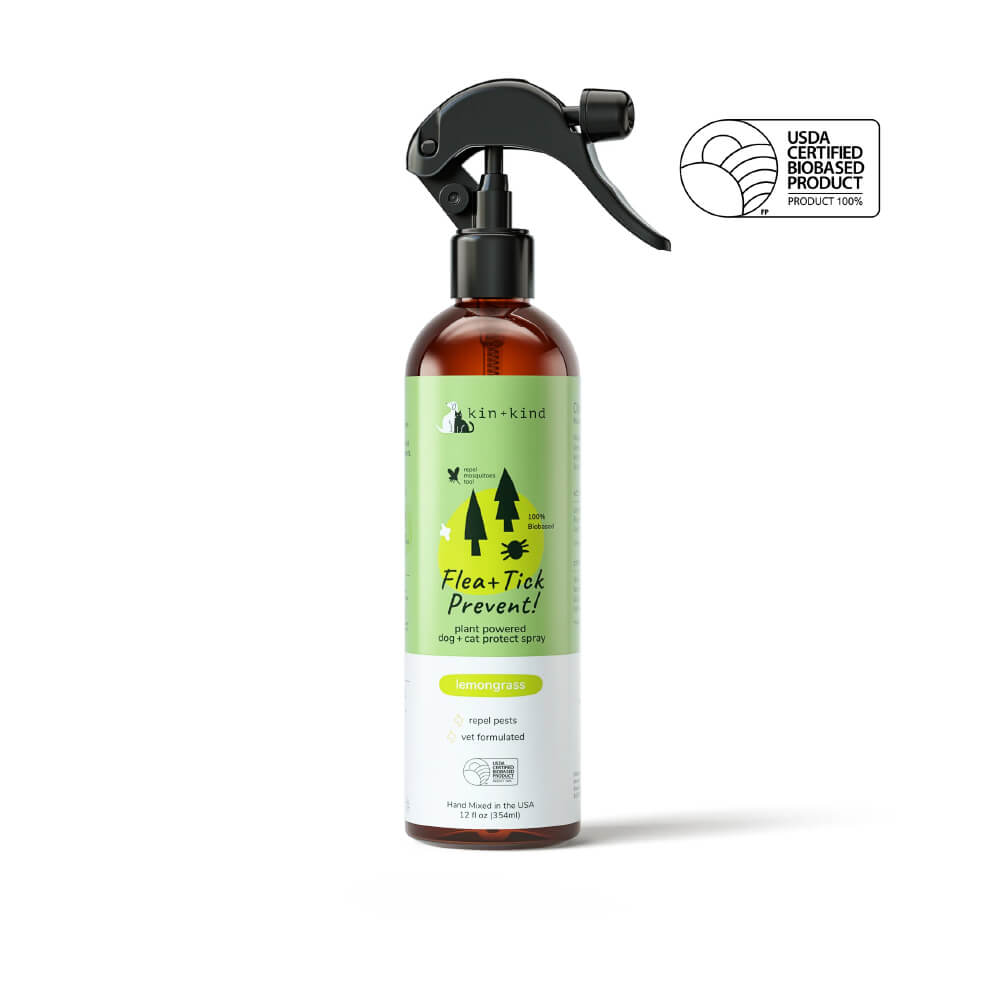
Several natural substances can help keep fleas away. Lemon spray is popular for its citrus scent that fleas dislike. Apple cider vinegar is used as a rinse or spray to deter fleas. Essential oils like lavender and peppermint also act as repellents. Some people use diatomaceous earth, which can dry out fleas. Vanilla, in the form of extract or scent, is another option. Each one works differently to repel or kill fleas.
Effectiveness And Safety
Not all natural flea repellents work equally well. Lemon spray can irritate pets’ skin if used too much. Apple cider vinegar is gentle but may not fully stop fleas. Essential oils are effective but must be diluted to avoid harm. Diatomaceous earth can be safe but dusty, which pets may inhale. Vanilla’s flea-repelling power is mild and lacks strong scientific proof. It is safe but may only help slightly. Choosing a natural flea repellent depends on pet safety and how well it works.
How To Use Vanilla Safely
Using vanilla as a flea repellent can be safe if done correctly. Vanilla has a pleasant scent and may help keep fleas away. It is important to apply it properly to avoid any problems for pets and people. Follow clear steps to use vanilla safely in your home and on your pets.
Application Methods For Pets And Homes
For pets, mix a small amount of vanilla extract with water in a spray bottle. Lightly spray your pet’s fur, avoiding their eyes and mouth. Do not soak your pet. Use this spray once or twice a week. For your home, mix vanilla extract with water and spray it on carpets and furniture. Let it dry before allowing pets back in the area. This method helps reduce fleas without harsh chemicals.
Precautions And Potential Side Effects
Vanilla is safe in small amounts but can cause skin irritation. Test the spray on a small pet area first. Watch for redness or itching. Avoid using vanilla on pets with sensitive skin or allergies. Keep vanilla sprays away from your pet’s eyes and nose. Do not let pets lick the spray directly. Stop use immediately if any signs of discomfort occur. Always store vanilla products out of reach of children and pets.
Credit: vanillapup.com
When To Choose Professional Flea Control
Sometimes, home remedies like vanilla may not stop fleas effectively. Knowing when to choose professional flea control can save your pet and home from more trouble. Professional help is best for serious flea problems that home treatments cannot fix.
Signs Of Severe Infestations
Fleas multiply fast and spread quickly. If your pet scratches nonstop or has red, irritated skin, fleas may be the cause. Finding flea dirt or actual fleas on your pet is a clear sign. Flea bites on family members or pets also mean the problem is serious. A heavy flea infestation can cause allergies or infections in pets. When fleas are everywhere in the house, simple remedies won’t work.
Benefits Of Veterinary Treatments
Veterinary treatments target fleas in all life stages. They provide safe and strong medicines made for pets. These treatments reduce itching and kill fleas faster than home methods. Vets also give advice on preventing fleas in the future. Professional flea control lowers the risk of flea-related diseases. It helps keep your pet healthy and comfortable.
Frequently Asked Questions
Does Vanilla Extract Repel Fleas Effectively?
Vanilla extract has a mild scent that may repel fleas temporarily. However, it is not a strong or long-lasting flea deterrent. For serious flea problems, use proven flea control products recommended by veterinarians.
Can Vanilla Scent Keep Fleas Away From Pets?
Vanilla scent alone is unlikely to keep fleas off pets consistently. Fleas are persistent and require targeted treatments like flea shampoos or medications for full control.
Is Vanilla Safe To Use On Pets For Flea Prevention?
Vanilla extract is generally safe in small amounts, but it is not a reliable flea prevention method. Always consult a vet before applying any home remedies to pets.
How Does Vanilla Compare To Commercial Flea Repellents?
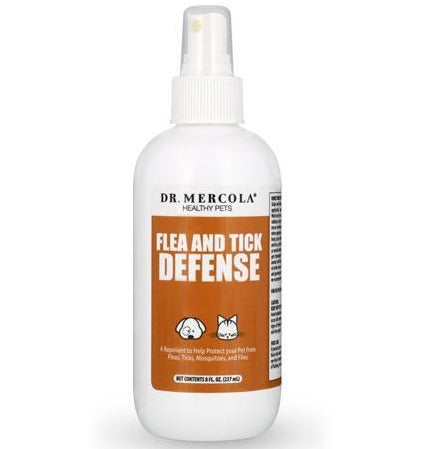
Vanilla is a natural option but less effective than commercial repellents. Flea sprays and collars contain ingredients specifically designed to kill or repel fleas effectively.
Conclusion
Vanilla has a pleasant smell but does not effectively repel fleas. Many people want natural flea solutions, but vanilla alone is not strong enough. Using proven flea treatments is safer and more reliable. Keep your pets clean and check for fleas often.
Remember, preventing fleas requires more than just one method. Combining good hygiene and vet advice works best. Vanilla might add a nice scent but won’t protect your pets well. Choose trusted flea control options to keep your home flea-free.