
Last Updated on July 8, 2026
If your cat is struggling with diarrhea, you know how worrying and frustrating it can be. You want to help your furry friend feel better fast, but sometimes it’s hard to know where to start.
What if there was a simple, safe way to support your cat’s digestive health right at home? Metamucil, a familiar fiber supplement for humans, might be the unexpected solution you’ve been searching for. Keep reading to find out how Metamucil can help your cat’s diarrhea and what you need to know before trying it.
Your cat’s comfort and health are closer than you think.

Credit: www.nilds.gov.ng
Causes Of Diarrhea In Cats
Diarrhea in cats happens for many reasons. It can be mild or severe. Knowing the causes helps to find the right treatment. Some causes are easy to fix. Others need a vet’s care. Understanding these causes is key to helping your cat feel better quickly.
Dietary Factors
Diet changes can upset a cat’s stomach. New foods or treats may cause diarrhea. Cats may react to spoiled food or food allergies. Eating too fast or too much can also lead to loose stools. Proper diet helps keep digestion smooth.
Infections And Parasites
Bacteria, viruses, and parasites often cause diarrhea. Common parasites include worms and protozoa. Infections can spread from other animals or contaminated places. These infections irritate the intestines and speed up bowel movements. Treatment usually involves medication from a vet.
Stress And Environment
Stress changes a cat’s digestion. Moving, new pets, or loud noises can cause stress. Stress may trigger diarrhea or worsen existing problems. A calm and stable environment helps reduce stress-related diarrhea. Cats need a safe space to feel secure.
Underlying Health Conditions
Some diseases cause chronic diarrhea in cats. Conditions like inflammatory bowel disease or kidney problems affect digestion. Diabetes and hyperthyroidism may also cause loose stools. Regular vet check-ups can catch these problems early. Proper care improves your cat’s health and comfort.
Credit: nilds.gov.ng
What Is Metamucil?
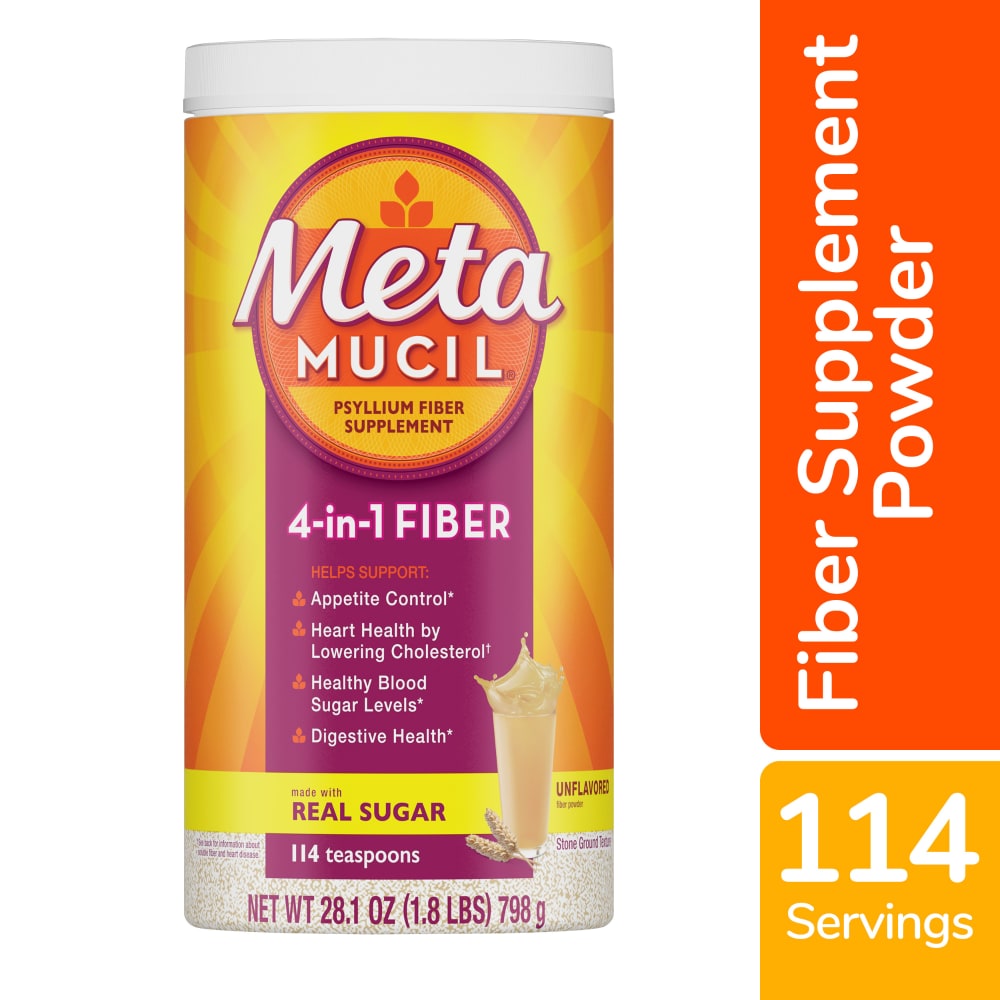
Metamucil is a popular fiber supplement used to support digestive health. It is known for helping with various bowel issues, including diarrhea in cats. Many pet owners use it to ease their cat’s digestive discomfort safely. Understanding what Metamucil is can help you decide if it suits your cat’s needs.
Ingredients And Benefits
Metamucil contains psyllium husk as its main ingredient. Psyllium is a natural fiber that absorbs water and expands in the gut. This helps form solid stools and regulate bowel movements. The fiber also supports good bacteria in the digestive system. It promotes regularity and soothes the gut lining.
How It Works For Digestive Health
When a cat takes Metamucil, the fiber swells in the intestines. This adds bulk to loose stool and slows down diarrhea. It also helps to trap toxins and waste for easier removal. The fiber creates a gel-like barrier that protects the gut. This reduces irritation and helps the digestive system heal.
Is Metamucil Safe For Cats?
Many cat owners wonder if Metamucil is safe for their pets. Metamucil is a fiber supplement often used to help with digestive issues. It can sometimes help with mild diarrhea in cats by adding bulk to their stool. Yet, it is important to understand the safety concerns before giving Metamucil to a cat. Not all cats react the same way, and the dosage matters.
Potential Risks And Precautions
Metamucil contains psyllium, a natural fiber. Too much fiber can cause constipation or worsen diarrhea. Some cats may have allergies or sensitivities to ingredients in Metamucil. Mixing Metamucil with other medications can cause problems. Giving Metamucil without enough water can lead to choking or blockage. It is not a cure for serious illnesses or infections causing diarrhea. Using it without guidance can mask underlying health problems.
Consulting Your Veterinarian
Always check with a veterinarian before giving Metamucil. A vet can confirm if fiber is right for your cat’s condition. They will recommend the correct dose and form. Vets can also suggest safer or more effective treatments. Monitoring your cat during treatment is important to avoid side effects. Professional advice helps keep your cat safe and healthy.
Proper Dosage For Cats
Using Metamucil for cats with diarrhea requires careful attention to dosage. Giving the right amount helps soothe your cat’s digestive system safely. Too much or too little may not work well or could cause side effects. Always measure the dose based on your cat’s weight and health.
Calculating The Right Amount
Start by knowing your cat’s weight in pounds. The usual dose is about 1/4 teaspoon of Metamucil per 10 pounds of body weight. Mix it with a small amount of water or food to make it easier to swallow. Avoid guessing the dose. Use a proper measuring spoon for accuracy.
Frequency And Duration Of Use
Give Metamucil once or twice a day depending on your cat’s needs. Keep the treatment short, usually no more than five days. Watch your cat’s response closely. Stop if diarrhea improves or if any signs of discomfort appear. Consult a vet before starting or if symptoms continue.
How To Administer Metamucil To Cats
Administering Metamucil to cats requires care and patience. This fiber supplement helps manage diarrhea by improving digestion. Proper dosing and mixing ensure your cat gets the full benefit. Avoid giving too much at once to prevent choking or refusal. Follow your vet’s instructions closely for best results.
Mixing With Food Or Water
Mix Metamucil powder with a small amount of wet cat food. Stir well to blend the powder evenly. Offer the mixture immediately to keep it fresh. Alternatively, dissolve Metamucil in a little water. Use a syringe to gently squirt the mixture into your cat’s mouth. This method works well for cats who refuse food with powder.
Tips For Easy Administration
Use a small spoon or syringe for accurate dosing. Start with a small amount to let your cat adjust. Praise your cat after giving Metamucil to create a positive experience. Try giving the supplement during calm moments or after meals. Avoid forcing your cat to prevent stress or biting. Consistency helps your cat accept Metamucil over time.
Other Home Remedies For Cat Diarrhea
Diarrhea in cats can be distressing for both pets and owners. Along with Metamucil, some home remedies help ease the symptoms. These remedies focus on improving digestion and restoring balance in your cat’s system. Simple changes at home can support your cat’s recovery and comfort.
Diet Adjustments
Changing your cat’s diet can reduce diarrhea. Offer bland foods like boiled chicken and rice. Avoid rich, fatty, or spicy foods. Small, frequent meals help the digestive system. Gradually reintroduce regular cat food after improvement. Probiotics can also support gut health. Always introduce new foods slowly to prevent upset.
Hydration And Electrolyte Support
Diarrhea causes dehydration, which can be dangerous. Ensure your cat drinks plenty of fresh water. Offer water in different bowls or use a pet fountain. Electrolyte solutions made for pets help restore balance. Avoid giving human sports drinks. Monitor your cat’s water intake closely. Wet cat food also adds moisture to their diet.
When To Seek Veterinary Care
Knowing when to seek veterinary care for your cat’s diarrhea is very important. Diarrhea can sometimes be a sign of a serious problem. At other times, it may clear up with simple home care. Watching your cat closely helps you decide the next step.
Some signs mean your cat needs urgent care. Other times, long-term strategies help manage ongoing issues. Understanding these signs and strategies keeps your cat healthy and comfortable.
Signs Of Severe Illness
Look for blood in the stool or very dark stools. Vomiting that lasts more than a day can be dangerous. Your cat may seem weak or unable to stand. A high fever or very low body temperature is a warning. Refusal to eat or drink for more than 24 hours needs attention. Rapid breathing or severe dehydration also requires quick care. These signs mean your cat needs a vet visit immediately.
Long-term Management Strategies
Some cats have ongoing digestive problems needing regular care. Your vet may suggest diet changes or special fiber supplements like Metamucil. Consistent feeding times and avoiding sudden diet changes help too. Keeping your cat hydrated is always important. Monitoring stool quality daily helps track progress. Your vet may recommend probiotics or medicines to support gut health. Regular check-ups ensure your cat stays stable and happy.

Credit: nilds.gov.ng
Frequently Asked Questions
Can Metamucil Treat Diarrhea In Cats Safely?
Metamucil can help manage mild diarrhea in cats by adding fiber. Always consult a vet before use to ensure safety and proper dosage.
How Much Metamucil Should I Give My Cat?
The typical dose is a small pinch mixed with food or water. A vet’s guidance is crucial to avoid overdosing or side effects.
What Are The Benefits Of Metamucil For Cats?
Metamucil helps regulate bowel movements and improve digestive health. It can relieve constipation and diarrhea by normalizing stool consistency.
Are There Any Side Effects Of Metamucil In Cats?
Side effects are rare but may include bloating or gas. Stop use and consult a vet if your cat shows discomfort.
Conclusion
Metamucil can help manage your cat’s diarrhea safely. Always check the right dosage with your vet first. Keep your cat’s water bowl full to avoid dehydration. Watch your pet closely for any side effects. Feeding a balanced diet supports healthy digestion too.
Small steps can make a big difference in recovery. Patience and care help your cat feel better soon. Trust your instincts and seek vet advice when needed.