Last Updated on July 8, 2026
Is your dog scratching non-stop or losing patches of fur? Mange can be tough to deal with, but you don’t have to rush to harsh chemicals or expensive treatments right away.
What if you could help your furry friend heal using natural, gentle methods? You’ll discover simple, effective ways to get rid of mange on your dog without relying on strong medications. Keep reading to learn how to soothe your dog’s skin, fight off mites naturally, and restore their happy, healthy coat—because your dog deserves the best care you can give.

Credit: healthypawlife.com
Causes And Symptoms Of Mange
Mange is a skin condition caused by tiny mites living on a dog’s skin. These mites irritate the skin and cause problems. Mange can spread quickly and cause discomfort for your dog. Understanding the causes and symptoms helps you act fast to protect your pet.
There are different types of mange, each caused by a specific mite. These mites burrow into the skin or live on its surface. The irritation leads to itching, redness, and hair loss. Early detection is key to stopping mange from getting worse.
Common Types Of Mange
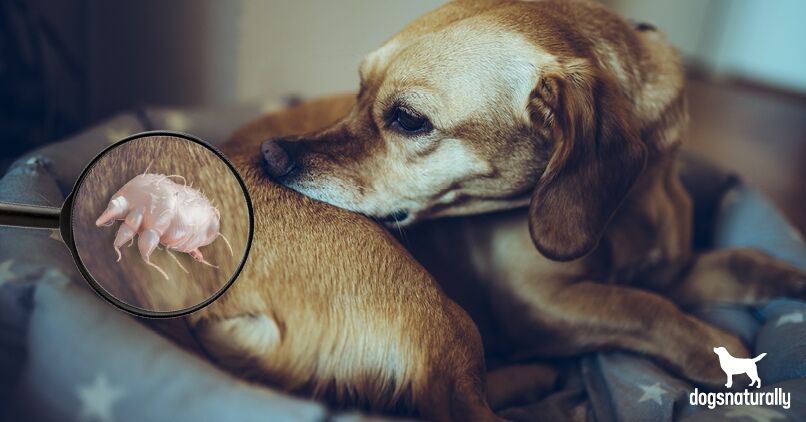
Two main types of mange affect dogs: sarcoptic and demodectic. Sarcoptic mange comes from Sarcoptes scabiei mites. These mites burrow deep into the skin and cause intense itching. It spreads easily to other animals and humans.
Demodectic mange is caused by Demodex mites. These mites live in hair follicles. Usually, the immune system controls them. But in some dogs, the mites multiply and cause hair loss and skin problems. This type is not contagious.
Signs To Watch For
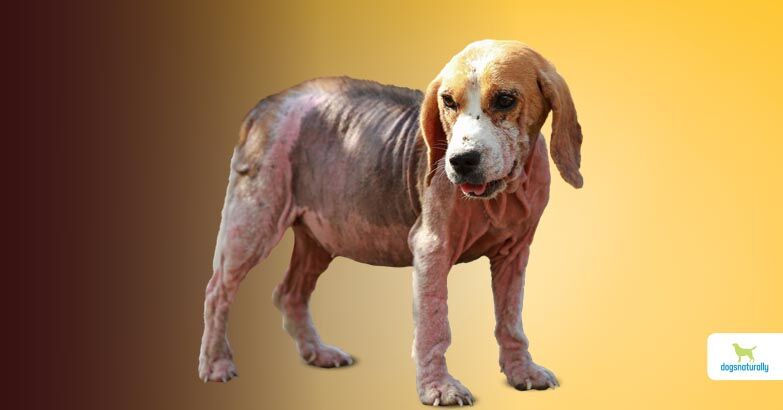
Look for constant scratching and biting at the skin. Redness and inflammation often appear on the ears, elbows, and belly. You may notice hair falling out in patches. The skin might become dry, crusty, or scaly.
Dogs with mange can also show signs of discomfort and restlessness. Thickened or cracked skin can develop in severe cases. These signs mean your dog needs a checkup and treatment soon.
Credit: www.dogsnaturallymagazine.com
Natural Treatments That Work
Natural treatments offer gentle care for dogs suffering from mange. These remedies help soothe irritated skin and fight parasites without harsh chemicals. Using natural ingredients can support your dog’s healing process safely and effectively.
Aloe Vera For Soothing Skin
Aloe vera helps calm itchy, inflamed skin. Apply pure aloe gel directly to affected areas. It cools irritation and reduces redness. Aloe also promotes faster skin healing. Use it regularly for best results.
Apple Cider Vinegar As A Disinfectant
Apple cider vinegar kills mange-causing mites. Mix equal parts vinegar and water. Spray or dab the solution on your dog’s skin. Avoid open wounds to prevent stinging. This natural disinfectant helps keep skin clean.
Coconut Oil For Moisturizing And Healing
Coconut oil moisturizes dry, cracked skin. It also has antibacterial and antifungal properties. Rub a small amount on affected spots daily. Coconut oil supports skin repair and prevents infection.
Neem Oil’s Antiparasitic Properties
Neem oil fights mange mites effectively. Dilute it with a carrier oil before use. Gently massage the mixture into your dog’s coat. Neem oil disrupts mite growth and soothes irritation. Use it consistently for best effects.
Honey’s Healing Benefits
Honey helps heal wounds and reduces inflammation. Apply raw honey lightly on mange sores. It creates a protective barrier against bacteria. Honey speeds up skin recovery naturally and safely.
Home Care And Hygiene Tips
Home care and hygiene play a big role in treating mange naturally. Keeping your dog clean and their space tidy helps stop the mites from spreading. It also supports your dog’s skin to heal faster. Simple steps at home make a huge difference.
Focus on gentle cleaning, a healthy diet, and a clean living area. These habits reduce irritation and support your dog’s recovery. Let’s look at easy ways to care for your dog during mange treatment.
Regular Bathing Techniques
Bath your dog with a mild, natural shampoo designed for sensitive skin. Avoid harsh soaps that dry out the skin. Use warm water to soothe itching and remove dirt and mites.
Gently massage the shampoo into the coat, focusing on affected areas. Rinse well to remove all soap. Dry your dog completely but softly, using a towel or low heat.
Bathing two times a week helps keep the skin clean and reduces mites. Do not over-bathe as it can cause dryness and worsen irritation.
Cleaning Your Dog’s Environment
Wash your dog’s bedding regularly in hot water. This kills mites and removes skin flakes. Vacuum floors, carpets, and furniture where your dog rests every day.
Keep your dog’s living area dry and well-ventilated. Damp places encourage mite growth and infections. Clean food and water bowls daily to avoid bacteria build-up.
Remove clutter from the area to make cleaning easier. A tidy space helps control the mange and speeds up healing.
Diet And Nutrition Support
Feed your dog a balanced diet rich in vitamins and minerals. Nutrients like omega-3 fatty acids help reduce skin inflammation. Fresh meats, vegetables, and good quality dog food support the immune system.
Provide clean, fresh water at all times. Hydration helps skin stay healthy and recover faster. Avoid feeding treats that contain artificial colors or preservatives, as they may irritate the skin.
Consult your vet about supplements like fish oil or vitamin E to boost skin health naturally. Proper nutrition strengthens your dog’s defense against mange.
Credit: www.dogsnaturallymagazine.com
When To Seek Veterinary Help
Knowing when to seek veterinary help is vital for managing mange in dogs. Mange can start mild but quickly worsen without proper care. Natural treatments work for some cases, but severe infections need expert attention. Early intervention can prevent complications and ease your dog’s discomfort.
Signs Of Severe Infection
Watch for intense itching that won’t stop. Look for large hair loss patches and raw, red skin. Swelling, pus, or bad smells show infection. Your dog may feel weak or lose appetite. These signs mean the mange is serious and needs a vet’s care.
Combining Natural And Medical Treatments
Natural remedies can soothe mild mange symptoms. Use gentle shampoos and oils to help your dog’s skin. For severe cases, vets may prescribe medicine alongside natural care. This approach speeds healing and reduces discomfort. Always follow your vet’s advice for the best results.
Frequently Asked Questions
What Natural Remedies Treat Mange On Dogs Effectively?
Natural remedies like neem oil, aloe vera, and coconut oil help soothe mange symptoms. They reduce itching and kill mites safely without harsh chemicals. Regular application supports skin healing and prevents further infection. Always consult a vet before starting natural treatments for best results.
How Long Does Natural Mange Treatment Take?
Natural treatments usually take 2 to 4 weeks to show improvement. Consistency is key; apply remedies daily until symptoms disappear. Healing time varies based on mange severity and your dog’s immune response. Monitor progress and consult a vet if no improvement occurs.
Can Diet Improve Mange Symptoms In Dogs?
A balanced diet boosts your dog’s immune system to fight mange. Foods rich in omega-3 fatty acids, vitamins A and E help skin repair. Avoid processed foods and add supplements if needed. Proper nutrition supports faster recovery and healthier skin overall.
Is It Safe To Use Essential Oils For Dog Mange?
Some essential oils like lavender and tea tree can help mange but must be diluted. Use caution as certain oils are toxic to dogs. Always consult a vet before applying any essential oil to avoid adverse reactions or skin irritation.
Conclusion
Treating mange naturally takes patience and care. Use gentle remedies and keep your dog clean. Healthy food and regular vet visits help healing. Watch your dog’s skin closely for changes. Natural treatments support your dog’s comfort and health. Stay consistent and kind throughout the process.
Your dog will thank you with a happy, itch-free coat.