Last Updated on July 8, 2026
If your dog gets anxious during storms, car rides, or visits to the vet, you might be wondering if calming chews are a safe way to help. You want the best for your furry friend, but it’s natural to have questions about what’s inside these treats and how they work.
You’ll discover the truth about calming chews—what they are, how they affect your dog, and what you should watch out for. Keep reading to make sure you’re giving your dog something that truly helps, without any hidden risks.

Credit: www.vetriscience.com
What Are Calming Chews
Calming chews are treats made to help dogs relax. They aim to reduce anxiety and stress in dogs during tough situations. Many dog owners use these chews during storms, fireworks, or travel. These products come in easy-to-give chew form, making them convenient for pet parents.
Calming chews are not medications but supplements. They support a dog’s natural calmness without strong side effects. Understanding what these chews contain and how they work helps pet owners choose the right product.
Common Ingredients
Most calming chews contain natural ingredients. Chamomile is popular for its soothing effects. Valerian root helps reduce nervousness and promotes rest. L-Theanine, an amino acid, supports relaxation without sleepiness. Some chews include CBD oil for calming effects. Melatonin regulates sleep and can ease anxiety. These ingredients work gently on the dog’s body.
How They Work
Calming chews affect the brain and nervous system. Ingredients like L-Theanine increase calming chemicals in the brain. Chamomile and valerian root act as mild sedatives. They lower stress signals and promote relaxation. Melatonin helps regulate the sleep-wake cycle. The chews help dogs stay calm in stressful moments. Effects appear within 30 to 60 minutes after giving the chew.
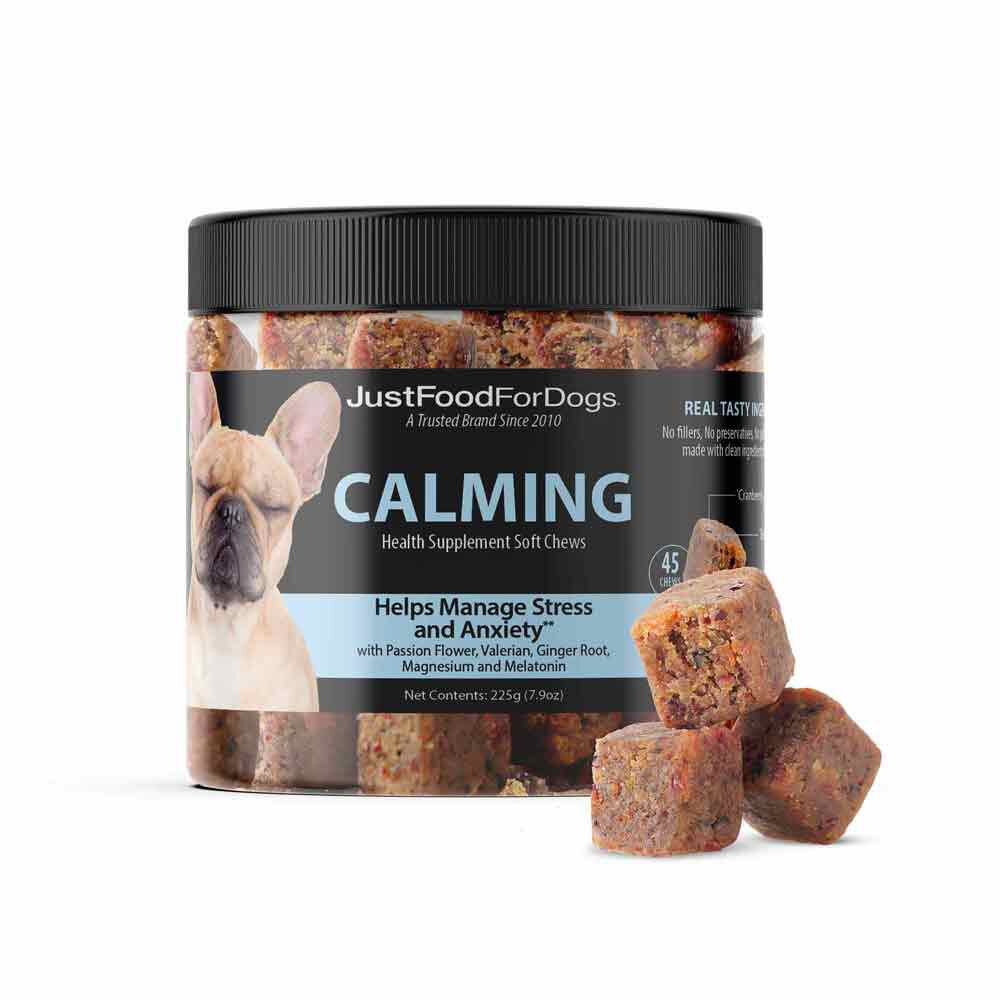
Credit: www.justfoodfordogs.com
Benefits Of Calming Chews
Calming chews offer many benefits for dogs facing stress or anxiety. These treats often contain natural ingredients that help soothe the mind and body. They provide a simple way to support your dog’s emotional health without harsh medications.
Many pet owners use calming chews to help dogs in stressful situations. These treats can improve overall well-being and comfort. Below are some key benefits of calming chews for dogs.
Reducing Anxiety
Calming chews help reduce feelings of anxiety in dogs. They contain ingredients like chamomile or valerian root that relax nerves. This makes dogs feel calmer during loud noises or separation. Less anxiety means fewer destructive behaviors and better moods.
Improving Sleep
Chews can improve your dog’s sleep quality. Ingredients such as melatonin help regulate sleep patterns. Dogs rest more deeply and wake up refreshed. Better sleep supports overall health and energy levels.
Easing Travel Stress
Travel can be stressful for many dogs. Calming chews ease nervousness during car rides or visits to new places. They help dogs stay calm and reduce motion sickness. This makes travel safer and more comfortable for your pet.
Potential Risks And Side Effects
Calming chews can help dogs feel less stressed. Still, they carry some risks and side effects. Knowing these helps you keep your dog safe and healthy.
Side effects vary by the type of chew and your dog’s health. Some dogs react differently to the ingredients. Always watch your dog closely after giving a chew.
Allergic Reactions
Some dogs may have allergies to ingredients in calming chews. Symptoms include itching, swelling, or trouble breathing. Allergic reactions can be mild or severe. Stop use immediately if you see these signs. Contact your vet if symptoms worsen or don’t improve.
Overdose Dangers
Giving too many chews can cause an overdose. Overdose symptoms include vomiting, diarrhea, and lethargy. Some ingredients may affect the heart or nervous system in high doses. Always follow the recommended dosage on the package. Keep chews out of reach to prevent accidental overdoses.
Long-term Use Concerns
Using calming chews for a long time may cause problems. Some ingredients can affect liver or kidney health. Long-term use might lead to tolerance, making chews less effective. Talk to your vet before giving chews regularly. They can suggest safe alternatives or check your dog’s health.
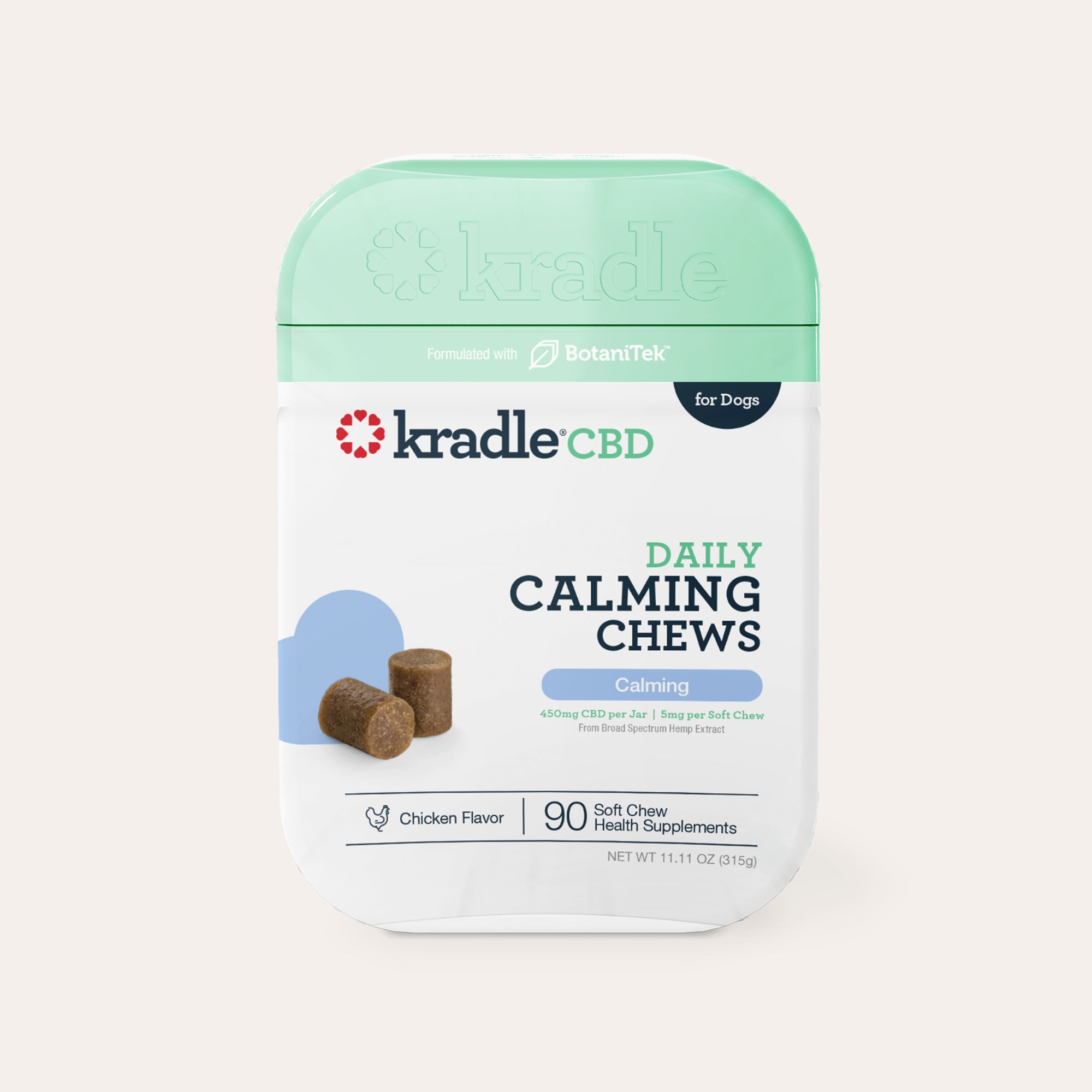
Credit: kradlemypet.com
Choosing Safe Calming Chews
Choosing safe calming chews for your dog is very important. These products can help reduce anxiety and stress. But not all calming chews are created equal. Some may contain harmful ingredients or low-quality materials. Taking time to choose the right product protects your pet’s health.
Look closely at what goes into the chews. Check if the company follows safety standards. Talk to your vet before starting any new supplement. These steps make sure the calming chews are safe and effective for your dog.
Checking Ingredient Quality
Read the ingredient list carefully. Avoid chews with artificial colors, flavors, or preservatives. Natural ingredients like chamomile, valerian root, and L-theanine are safer choices. Ensure the product contains enough active ingredients to work well. Low-quality ingredients may cause allergies or have no effect.
Certifications And Testing
Look for products tested by third-party labs. These tests confirm safety and ingredient accuracy. Certifications like GMP (Good Manufacturing Practice) show the company follows strict rules. Certified products reduce risks of contamination or wrong dosages. Trust products with clear labels and test results.
Consulting Your Veterinarian
Talk to your vet before giving calming chews to your dog. Your vet knows your pet’s health history. They can recommend the right product and dose. Some ingredients may interact with medications or health conditions. A vet’s advice keeps your dog safe and healthy.
Dosage And Administration Tips
Giving calming chews to your dog requires care. Proper dosage and correct administration ensure safety and effectiveness. Follow clear guidelines to avoid risks and help your dog feel calm.
Proper Serving Sizes
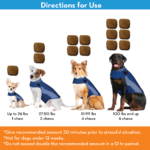
Check the label for recommended serving sizes. Serving depends on your dog’s weight and age. Avoid giving more than suggested. Smaller dogs need smaller doses. Larger dogs may require a bit more. Start with the lowest dose. Adjust only after seeing how your dog reacts.
Timing And Frequency
Give calming chews before stressful events. This helps the ingredients work better. Avoid giving chews too often in one day. Most products suggest one or two doses daily. Spread doses evenly if multiple are needed. Do not give chews continuously without breaks. This prevents tolerance or side effects.
Monitoring Your Dog’s Response
Watch your dog after giving chews. Look for calm behavior and signs of discomfort. Mild sleepiness is normal. Stop giving chews if your dog acts very tired or sick. Contact your vet if unusual symptoms appear. Keep a diary of doses and reactions. This helps track what works best for your dog.
Alternatives To Calming Chews
Calming chews are popular for helping dogs feel relaxed. Yet, some pet owners want options without supplements. Various alternatives can support your dog’s calm behavior naturally. These choices often focus on training, surroundings, and natural aids. Each method can help reduce anxiety in safe ways.
Behavioral Training
Training helps dogs manage stress better. Teaching commands like “sit” and “stay” builds control. Practice gentle exposure to triggers that cause fear. Gradual steps reduce anxiety over time. Positive reinforcement encourages good behavior. This method strengthens trust and calmness.
Environmental Changes
Adjusting your dog’s environment creates a peaceful space. Provide a quiet area with soft bedding. Use sound machines to mask loud noises. Maintain a regular routine to reduce confusion. Avoid sudden changes that might stress your dog. A calm setting helps dogs feel safe.
Natural Remedies
Certain natural remedies may soothe anxious dogs. Lavender and chamomile scents can have calming effects. Herbal supplements like valerian root may help. Always consult a vet before trying new remedies. Natural options can be gentle and effective. They support relaxation without chemicals.
Frequently Asked Questions
Are Calming Chews Safe For All Dog Breeds?
Most calming chews are safe for all dog breeds when used as directed. Always check ingredient lists and consult your vet, especially for small or sensitive breeds.
Can Calming Chews Cause Side Effects In Dogs?
Some dogs may experience mild side effects like drowsiness or upset stomach. If severe reactions occur, stop use and contact your veterinarian immediately.
How Long Do Calming Chews Take To Work?
Calming chews typically take 30 minutes to an hour to start working. Effects can last several hours, depending on the product and your dog’s size.
Can Puppies Safely Use Calming Chews?
Some calming chews are formulated for puppies, but not all. Always choose age-appropriate products and ask your vet before giving calming chews to young dogs.
Conclusion
Calming chews can help dogs feel less stressed. Always check the ingredients before giving them. Talk to your vet to ensure safety for your dog. Use the chews as part of a larger plan to reduce anxiety. Watch your dog closely for any side effects or changes.
Safe use depends on the right dose and type. Keep your dog’s health and comfort as top priorities. Calming chews are not a cure but a helpful tool. Choose wisely and care for your furry friend.