Last Updated on July 9, 2026
If your dog gets restless, anxious, or overly excited, you’re not alone. You want your furry friend to stay calm and happy, but sometimes it feels like an uphill battle.
What if there was a simple way to help your dog feel more relaxed and in control? Understanding composure for dogs can change how you and your pet interact every day. Keep reading, because the tips and insights ahead will help you create a peaceful, balanced life for your dog—and for you.

Credit: www.vetriscience.com
Signs Of Stress In Dogs
Dogs cannot tell us when they feel stressed. They show it through their body and behavior. Knowing the signs of stress helps you keep your dog calm and happy. Watch closely for changes in how your dog looks and acts. These clues reveal when your dog needs comfort or a break.
Physical Symptoms
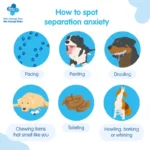
Stress often shows in a dog’s body. Panting without exercise is one sign. You might see trembling or shaking. Some dogs lick their lips or yawn a lot. Ears may lay flat, and the tail might tuck between the legs. Pupils can look bigger than usual. These signs mean your dog feels uneasy or scared.
Behavioral Changes
Stress changes how dogs behave. They may hide or avoid people. Some dogs bark or growl more than normal. Others become clingy and want extra attention. A stressed dog might refuse to eat or play. Chewing on furniture or pacing can also occur. These behaviors show discomfort or fear.
Common Triggers
Stress comes from many causes. Loud noises like fireworks or thunderstorms frighten dogs. New places or unfamiliar people can cause anxiety. Changes in routine or moving homes stress dogs too. Being left alone for a long time is hard for many dogs. Recognizing triggers helps prevent stress before it starts.
Credit: products.greywolfah.com
Creating A Calm Environment
Creating a calm environment helps dogs feel safe and relaxed. A peaceful space reduces stress and improves their behavior. Simple changes at home make a big difference.
Dogs notice sounds, smells, and sights around them. Controlling these can help them stay calm. This section explains how to build a calm setting for your dog.
Safe Spaces At Home
Dogs need a quiet spot to rest and feel secure. Choose a corner with soft bedding and low noise. This space becomes their safe zone during busy days.
Keep this area free from loud noises and lots of foot traffic. Let your dog go there anytime they want peace. It helps reduce anxiety and promotes calmness.
Soothing Sounds And Scents
Soft sounds like gentle music or white noise calm dogs. These sounds mask sudden noises that might startle them. Play calming tunes during stressful times, like thunderstorms or fireworks.
Certain scents like lavender or chamomile can relax dogs. Use pet-safe essential oils or sprays in their safe space. Avoid strong or artificial smells that might upset them.
Limiting Stimuli
Too many sights and sounds can overwhelm dogs. Turn off loud TVs or radios when your dog rests. Close curtains to block busy street views or flashing lights.
Keep toys and treats nearby, but avoid clutter that causes distraction. A simple, calm space helps dogs focus on relaxing. Less noise and activity mean less stress for them.
Effective Training Techniques
Training your dog to stay calm and composed requires the right techniques. These methods help build trust and understanding. They teach dogs how to manage their emotions and react calmly in different situations. Consistency and patience play a big role in success. Here are some effective training techniques to try.
Positive Reinforcement
Positive reinforcement rewards good behavior immediately. Treats, praise, or toys encourage dogs to repeat calm actions. This method builds a positive connection with training. It helps dogs learn what you expect without fear or stress. Keep rewards small and timely for best results. Over time, your dog will choose composure over chaos.
Desensitization Methods
Desensitization exposes dogs to triggers in small steps. Start with low-intensity situations and slowly increase exposure. This helps dogs get used to things that usually cause stress. For example, introduce noises softly, then gradually make them louder. Patience is key during this process. It reduces fear and helps dogs stay calm naturally.
Impulse Control Exercises
Impulse control teaches dogs to wait and think before acting. Simple exercises like “sit and wait” or “stay” build this skill. These drills improve a dog’s self-discipline and focus. Practicing regularly strengthens their ability to control impulses. This leads to better composure in exciting or stressful moments.
Quick Calming Methods
Dogs can feel stressed or anxious just like people. Quick calming methods help calm your dog fast. These methods are easy to use at home or outside. They reduce your dog’s stress and help them feel safe again.
Deep Pressure Therapy
Deep pressure therapy works by applying gentle, firm pressure. This pressure makes dogs feel secure and relaxed. Use your hands to gently hug or hold your dog. Special vests or blankets can also provide this pressure. Many dogs calm down quickly with this simple touch.
Breathing Exercises For Dogs
Dogs can copy your slow, deep breathing. Sit with your dog and breathe slowly. Watch your dog’s chest rise and fall. This helps lower their heart rate and calm their mind. Practice breathing exercises daily to help your dog stay calm.
Using Calming Aids
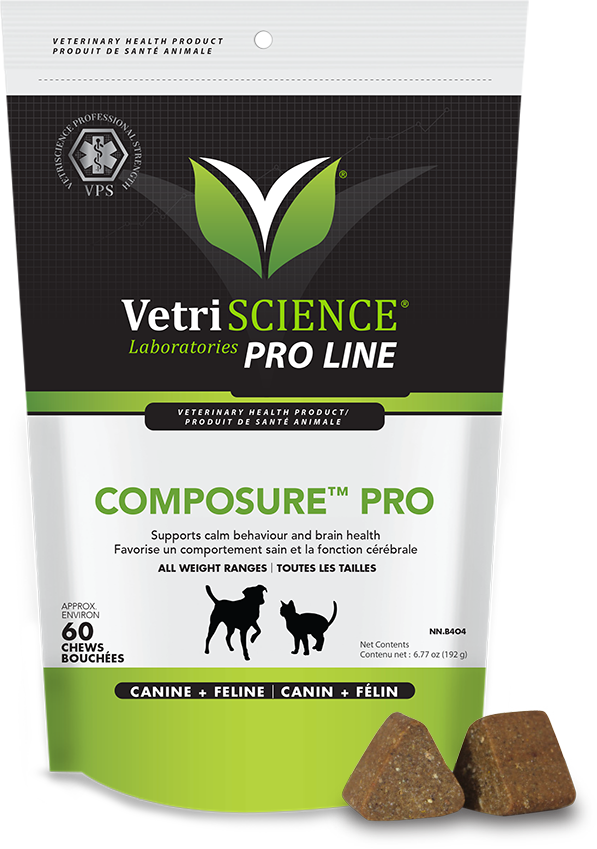
Calming aids come in many forms like sprays, treats, or collars. These products often use natural ingredients like lavender or chamomile. They help your dog feel peaceful without medicine. Always choose products made for dogs. Test a small amount first to check for reactions.
Nutrition And Supplements
Nutrition plays a key role in helping dogs stay calm and relaxed. The right food and supplements can support their mood and reduce anxiety. Feeding your dog a balanced diet ensures they get the nutrients needed for healthy brain function. Along with food, certain natural supplements may help soothe nervous dogs.
Dietary Adjustments
Choose foods rich in omega-3 fatty acids. These fats support brain health and reduce inflammation. Add protein sources like chicken or fish for steady energy. Avoid foods with artificial colors or preservatives. These can cause hyperactivity or stress. Small, frequent meals help keep your dog’s blood sugar stable. Stable energy helps maintain a calm mood throughout the day.
Natural Calming Supplements
Supplements like chamomile and valerian root can calm anxious dogs. These herbs have mild sedative effects without strong side effects. L-theanine, found in green tea, promotes relaxation and reduces stress. Probiotics support gut health, which affects mood and behavior. Always choose high-quality supplements made for dogs. Follow dosage instructions carefully to avoid overuse.
When To Consult A Vet
Speak with your vet before starting any new supplements. Some ingredients may interact with medications or cause allergies. Your vet can recommend the best options for your dog’s needs. If anxiety worsens or does not improve, professional advice is important. A vet may suggest behavioral therapy or prescription treatments. Early help leads to better outcomes for your dog’s health.
Exercise And Mental Stimulation
Exercise and mental stimulation play a big role in keeping dogs calm and happy. Active dogs use their energy in a positive way. This helps reduce stress and unwanted behaviors. Both physical and mental activities are important for a dog’s well-being.
Regular exercise helps dogs stay healthy and tired in a good way. Mental challenges keep their minds sharp and focused. Together, these activities improve a dog’s composure and overall mood.
Daily Physical Activity
Daily walks are a simple way to keep dogs active. Running and playing outside help burn off extra energy. These activities reduce anxiety and boost mood. Dogs feel more relaxed after physical exercise.
Different dogs need different amounts of exercise. Small breeds may need less, while large breeds need more. Always match activity to your dog’s age and health.
Interactive Toys
Interactive toys keep dogs busy and mentally engaged. Puzzle feeders and treat-dispensing toys challenge their thinking. These toys help prevent boredom and destructive behavior. Dogs enjoy the fun and reward of solving puzzles.
Choose toys that suit your dog’s size and skill level. Rotate toys to keep interest high. Interactive toys also build confidence in shy dogs.
Training Games
Training games teach dogs new skills and improve focus. Simple commands like sit, stay, and fetch are good starters. Use treats and praise to encourage learning. Training sessions are short and fun to keep dogs interested.
These games strengthen the bond between dog and owner. Mental work from training games helps calm restless dogs. Practice regularly for steady progress and better composure.
Managing Anxiety In Specific Situations
Dogs feel anxious in many situations. Managing anxiety helps them stay calm and happy. Each situation needs special care and attention. Understanding how to help your dog in these moments is very important. Here are simple ways to manage anxiety in common situations.
Traveling Tips
Travel can be stressful for dogs. Use a secure crate to keep your dog safe. Bring their favorite blanket or toy for comfort. Take breaks on long trips for exercise and bathroom needs. Speak calmly to reassure your dog during travel. Avoid feeding right before the trip to prevent nausea. Start with short trips to build confidence. Use treats to reward calm behavior during travel.
Handling Loud Noises
Loud noises like thunder or fireworks scare many dogs. Create a quiet, safe space for your dog. Use soft music or white noise to mask loud sounds. Close windows and curtains to reduce noise and flashes. Comfort your dog with gentle petting or a soft voice. Offer a chew toy to distract your dog. Stay calm yourself; dogs sense your emotions. Avoid punishing scared dogs as it increases anxiety.
Separation Anxiety Solutions
Separation anxiety causes stress when you leave your dog alone. Start by leaving for short times, then increase gradually. Give your dog toys or puzzles to keep busy. Leave a piece of your clothing for comfort. Avoid big goodbyes or greetings to keep calm. Use calming sprays or diffusers made for dogs. Consider training or professional help for severe cases. Practice patience and consistency for best results.

Credit: www.petsuppliesplus.com
Frequently Asked Questions
What Is Composure In Dogs?
Composure in dogs means staying calm and relaxed during stressful situations. It helps dogs respond better to training and social interactions. A composed dog is less anxious, more confident, and easier to manage, especially in new or challenging environments.
How Can I Improve My Dog’s Composure?
Improving composure involves consistent training, positive reinforcement, and gradual exposure to stressors. Regular exercise and mental stimulation also help reduce anxiety. Patience and calm behavior from the owner encourage the dog to stay composed over time.
Why Is Composure Important For Dogs?
Composure reduces stress and prevents behavioral problems like aggression and fear. It enhances a dog’s ability to learn and adapt. Composed dogs have better social skills and enjoy a higher quality of life, making them happier and safer companions.
Can Training Increase A Dog’s Composure?
Yes, training builds composure by teaching dogs how to handle distractions and stress. Techniques like obedience training and desensitization promote calmness. Consistent, gentle training helps dogs gain confidence and control over their reactions.
Conclusion
Keeping your dog calm helps both of you enjoy life more. Training with patience and kindness builds trust and peace. Simple steps, like gentle touch and quiet time, make a big difference. Dogs feel safe when you stay calm too.
Practice daily, and you will see results soon. Calm dogs behave better and feel happier. Everyone benefits from a peaceful pet at home. Try these tips and watch your dog’s composure grow.