Last Updated on July 7, 2026
Does your furry friend scratch nonstop, leaving you both frustrated and worried? You want to help your dog feel better, but harsh chemicals and expensive treatments aren’t your first choice.
What if you could create a simple, natural spray right at home that soothes your dog’s itchy skin quickly and safely? You’ll discover how to make an effective homemade dog anti-itch spray using essential oils you can trust. Keep reading to learn the easy steps and give your dog the relief they deserve—without the hassle or harmful ingredients.
Benefits Of Homemade Dog Anti Itch Spray
Homemade dog anti itch spray offers many benefits for pet owners. It provides a gentle way to soothe your dog’s irritated skin. Using natural ingredients reduces the risk of allergic reactions. This spray can help your dog feel comfortable faster. It also saves money compared to store-bought products. Many pet owners find it easy to make at home. The ingredients are simple and safe. The spray works quickly to calm itching and redness.
Natural Ingredients For Sensitive Skin
Homemade sprays use natural oils and herbs. These ingredients are less harsh than chemicals. They are gentle on sensitive dog skin. Essential oils like lavender and chamomile calm irritation. Coconut oil moisturizes and reduces dryness. Using nature’s gifts keeps your dog safe. No artificial dyes or fragrances irritate the skin. This makes homemade sprays ideal for puppies and older dogs.
Cost-effective Pet Care
Making your own spray costs less than buying it. Ingredients like apple cider vinegar and water are cheap. A small bottle lasts a long time. You avoid expensive treatments from the vet. This makes it easier to care for your dog. You also control what goes into the spray. No hidden chemicals or unnecessary additives.
Fast Soothing Effects
Essential oils work quickly to ease itching. The spray cools and refreshes the skin instantly. Dogs feel relief after just a few applications. It helps stop your dog from scratching. This prevents further skin damage or infection. Fast relief means your dog is more comfortable. It also helps pets stay calm and happy.
Essential Oils Safe For Dogs
Essential oils can help soothe your dog’s itchy skin safely. Some oils are gentle and effective for dogs. Choose oils known for their calming and healing properties. Always dilute oils before use to protect your pet.
Lavender Oil For Calming
Lavender oil helps reduce anxiety and calm irritated skin. It has a soft floral scent dogs usually like. Use a small amount mixed with water to spray on itchy spots. Lavender also helps heal minor skin wounds gently.
Chamomile Oil For Irritation
Chamomile oil soothes redness and reduces inflammation. It is safe and mild for sensitive dog skin. Apply a diluted mix to calm itchiness and discomfort. Chamomile also supports faster skin healing naturally.
Peppermint Oil For Cooling Sensation
Peppermint oil provides a cool, refreshing feeling on hot, itchy skin. Use it carefully and always dilute well. Peppermint helps reduce swelling and stops your dog from scratching too much. It works best in small amounts mixed with water.
Ingredients Needed For The Spray
Creating a homemade dog anti-itch spray starts with gathering the right ingredients. Each component plays a role in soothing your dog’s skin safely. Choosing quality items ensures the spray works well and stays gentle. Below are the key ingredients you need for the spray.
Base Liquids And Carriers
The base of the spray usually includes water or witch hazel. These liquids dilute essential oils and help spread them evenly. Witch hazel also has natural anti-inflammatory properties. Another common carrier is aloe vera juice. It soothes irritated skin and adds moisture. Use pure, natural liquids to keep the spray safe for your dog.
Selecting Quality Essential Oils
Essential oils give the spray its anti-itch power. Choose oils known to be safe for dogs, such as lavender, chamomile, or cedarwood. These oils help reduce itching and calm the skin. Use only high-quality, pure essential oils. Avoid synthetic or heavily processed oils, which might cause harm. Always dilute oils properly to protect your dog’s skin.
Additional Soothing Additives
Some extra ingredients boost the spray’s calming effects. A few drops of vitamin E oil can nourish the skin. Coconut oil helps fight bacteria and moisturizes well. You may add a small amount of apple cider vinegar to balance skin pH. These additives improve the spray’s soothing power and keep your dog comfortable.
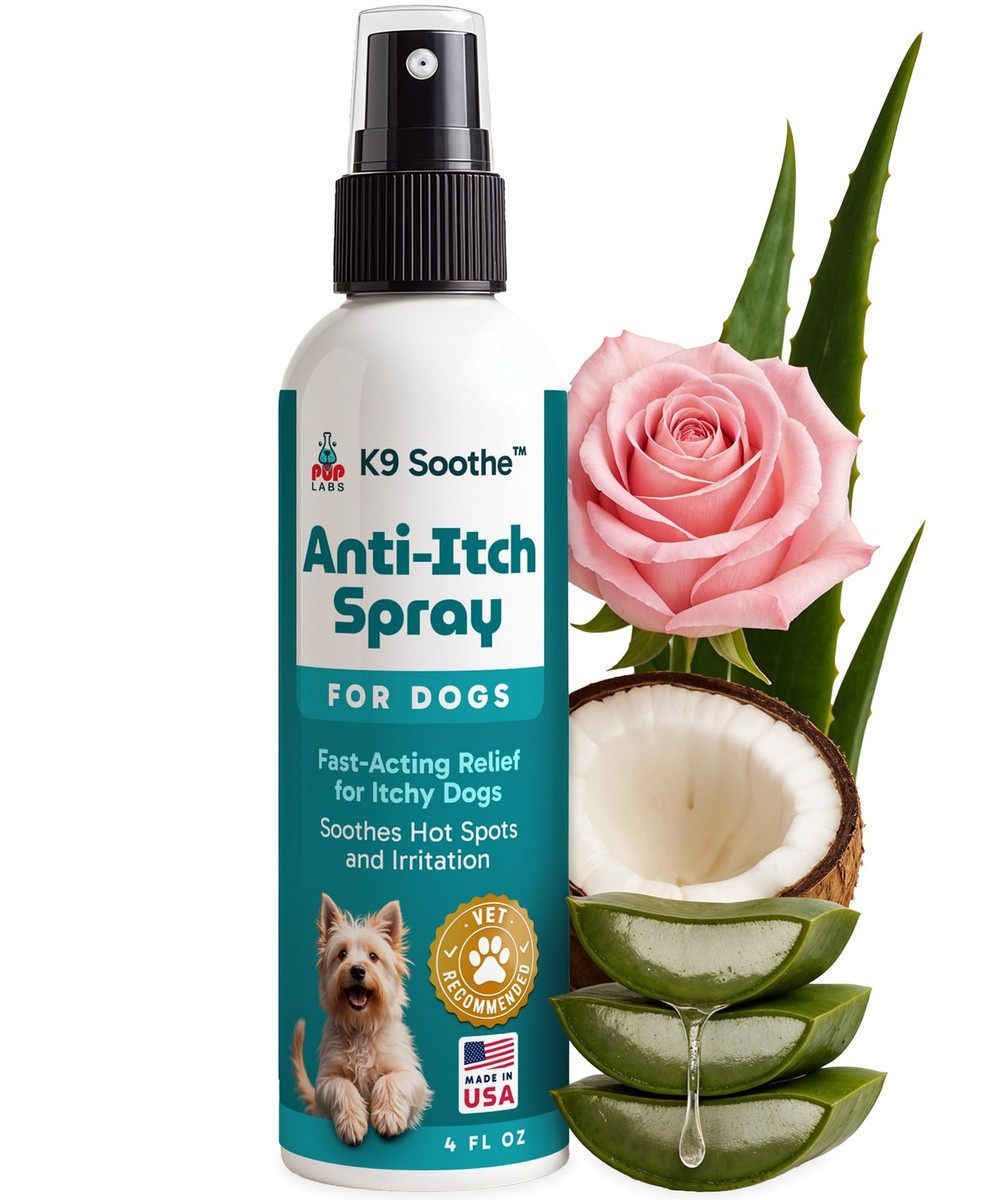
Credit: www.ebay.com
Step-by-step Spray Preparation
Making your own dog anti-itch spray with essential oils is simple and safe. Follow these clear steps to prepare the spray correctly. This way, you ensure the best care for your furry friend without harsh chemicals.
Measuring And Mixing Ingredients
Start by gathering all ingredients. Use a clean measuring cup for accuracy. Measure the base liquid first, usually distilled water or witch hazel. Add the essential oils carefully. Use a dropper to avoid spills. Mix the ingredients gently but thoroughly. A glass bottle works best for mixing.
Proper Dilution Ratios
Essential oils are strong and must be diluted. Use about 1 to 2 drops of oil per ounce of liquid. This keeps the spray safe for your dog’s skin. Too much oil can cause irritation. Stick to recommended ratios for each oil type. Remember, less is more for sensitive skin.
Storage Tips For Freshness
Store the spray in a dark glass bottle. Keep it in a cool, dry place away from sunlight. Shake the bottle before each use to mix oils again. Use the spray within two weeks for best results. Always check for changes in smell or color before applying.
How To Apply The Spray Safely
Applying homemade dog anti-itch spray safely is important to keep your pet comfortable. Using essential oils requires care. Proper use helps avoid skin irritation or allergic reactions. Follow these simple steps for safe application.
Spot Testing For Allergies
Before full use, test the spray on a small skin area. Choose a spot with less fur. Spray a tiny amount there. Wait 24 hours to watch for redness or swelling. If any irritation appears, do not use the spray. This step protects your dog from harmful reactions.
Application Techniques
Spray the anti-itch solution evenly on affected areas. Avoid spraying near eyes, nose, and mouth. Use your fingers to gently rub the spray into the skin. Do not apply too much liquid; a light coating works best. Keep your dog calm during application. This helps the spray absorb better and prevents licking.
Frequency And Dosage Guidelines
Apply the spray no more than twice daily. Too much use can cause skin dryness or irritation. Use a small amount each time. Follow the recipe’s recommended proportions carefully. Stop use if your dog’s condition worsens or if new symptoms appear. Consistent, moderate use supports healing without harm.

Credit: www.ebay.com
Precautions And When To Avoid Use
Using homemade dog anti-itch spray with essential oils can help soothe your pet’s skin. Precautions are key to keep your dog safe. Some oils may cause problems. Knowing when to avoid use prevents harm. Watch your dog closely for any signs of trouble. This section covers important safety tips and when not to use the spray.
Recognizing Adverse Reactions
Check your dog’s skin after applying the spray. Redness, swelling, or hives may appear. Your dog might scratch or lick more than usual. Look for signs like vomiting or trouble breathing. These are serious and need fast action. Stop using the spray right away if you see these signs.
Avoiding Toxic Oils
Some essential oils are harmful to dogs. Oils like tea tree, peppermint, and eucalyptus can be toxic. Use only dog-safe oils like lavender or chamomile. Always dilute oils before applying. Never use pure oil directly on your dog’s skin. Research each oil carefully to avoid danger.
Consulting A Veterinarian
Talk to a vet before trying new treatments. They know your dog’s health history best. A vet can suggest safe essential oils and proper use. Seek advice if your dog has allergies or skin conditions. Professional guidance helps keep your dog healthy and happy.
Additional Tips To Reduce Dog Itchiness
Reducing your dog’s itchiness involves more than just sprays. Simple lifestyle changes can help calm irritated skin. These tips support the homemade dog anti-itch spray and improve your dog’s comfort.
Regular Grooming Practices
Brush your dog often to remove dirt and loose hair. Bathing with gentle, dog-friendly shampoo keeps skin clean. Avoid harsh soaps that dry out skin. Check for fleas or ticks during grooming sessions. Trim your dog’s nails to prevent scratching injuries.
Dietary Considerations
Feed a balanced diet rich in omega-3 and omega-6 fatty acids. These nutrients help reduce skin inflammation. Consider hypoallergenic dog food if allergies cause itchiness. Fresh water should always be available. Avoid feeding table scraps that may trigger allergies.
Environmental Factors To Manage
Keep your dog’s bedding clean and dry. Wash blankets regularly to remove allergens. Limit exposure to pollen, dust, and harsh chemicals. Use air purifiers to reduce indoor irritants. Avoid walking your dog in tall grass during allergy season.

Credit: dogeazenaturals.com
Frequently Asked Questions
What Essential Oils Are Safe For Dog Itch Relief?
Lavender, chamomile, and peppermint oils are safe for dogs. Always dilute oils with a carrier like coconut oil. Avoid tea tree oil as it can be toxic. Patch test the spray on a small skin area before full use.
How Do I Make Homemade Dog Anti-itch Spray?
Combine 1 cup distilled water, 1 tablespoon apple cider vinegar, and 5-10 drops of safe essential oils. Mix well in a spray bottle. Shake before each use. Spray lightly on itchy areas, avoiding the eyes and nose.
Can Homemade Sprays Replace Vet-prescribed Treatments?
Homemade sprays can soothe mild itching but don’t replace vet care. Persistent or severe itching needs a vet’s diagnosis and treatment. Use sprays as a complementary measure, not a cure. Always consult your vet before trying new remedies.
How Often Should I Apply The Anti-itch Spray On My Dog?
Apply the spray 1-2 times daily to itchy spots. Avoid overuse to prevent skin irritation. Monitor your dog’s reaction and adjust frequency if needed. Stop use if redness or discomfort occurs and consult a vet.
Conclusion
Homemade dog anti-itch spray with essential oils helps soothe your pet’s skin. It uses natural ingredients that are safe and gentle. You can easily make it at home with simple steps. This spray can reduce itching and keep your dog comfortable.
Always test a small area first to avoid reactions. Use the spray regularly for best results. Your dog will thank you with less scratching and happier skin. Simple care can make a big difference in your dog’s health. Try this natural solution for a happier, itch-free dog.