Last Updated on September 11, 2026
Dog poop compost holes are an eco-friendly way to manage pet waste. They turn waste into useful compost for your garden.
Composting dog poop might sound strange, but it’s a smart choice. Regular disposal methods harm the environment and fill landfills. A dog poop compost hole offers a sustainable solution. It reduces waste and enriches your soil. This method uses natural processes to break down waste safely.
Many pet owners are now exploring this option. It’s simple to set up and maintain. Plus, it helps keep your yard clean. Interested in learning more? Let’s dive into the basics of creating and using a dog poop compost hole. Your garden and the planet will thank you!
Introduction To Dog Poop Composting
Dog poop composting is a sustainable way to manage pet waste. Traditional disposal methods often contribute to environmental issues. Composting dog poop reduces waste and improves soil health. This process turns waste into valuable compost. It’s beneficial for your garden and the planet.
Why Compost Dog Poop?
Many pet owners wonder about the benefits of composting dog poop. Here are some reasons why:
- Reduces waste in landfills.
- Transforms waste into nutrient-rich compost.
- Helps reduce harmful bacteria.
Environmental Benefits
Composting dog poop has several environmental benefits:
| Benefit | Description |
|---|---|
| Reduces Landfill Waste | Composting keeps dog poop out of landfills. |
| Improves Soil Health | Compost adds nutrients to the soil. |
| Decreases Methane Emissions | Composting reduces methane production in landfills. |
Composting dog poop is an eco-friendly practice. It helps conserve resources and supports a healthier environment.

Credit: www.amazon.com
Choosing A Compost Hole Location
Choosing the right location for your dog poop compost hole is crucial. It ensures effective composting and maintains a clean environment. Let’s explore the key factors in selecting the perfect spot.
Ideal Spot Selection
Look for a well-drained area in your yard. Avoid places that collect water. Standing water slows down the composting process. Select a spot with good sunlight. Sunlight helps break down the waste faster. Make sure the location is away from play areas and gardens. This prevents contamination of spaces where kids play or vegetables grow.
Safety Considerations
Keep the compost hole away from water sources. This includes wells, ponds, and streams. Contaminated water can pose health risks. Choose a spot where pets and wildlife cannot easily access. This helps prevent animals from digging into the compost. Ensure the location is easy to monitor and manage. Regular checks help maintain the compost hole effectively.
Materials Needed For Composting
Composting dog poop might sound odd, but it’s an eco-friendly solution. To start, you’ll need the right materials. Gathering these items ensures you compost safely and effectively. Let’s dive into the essentials.
Essential Tools
First, you need a sturdy shovel. This helps dig the compost hole. A compost bin or container is also necessary. It keeps the composting process contained and manageable. Gloves are crucial. Handling dog poop without them is unsafe and unpleasant. Lastly, a garden fork helps turn the compost. It ensures proper aeration.
Composting Agents
Composting agents speed up the breakdown of waste. Sawdust or straw helps balance moisture and adds carbon. You also need green waste like grass clippings. They add nitrogen, which aids decomposition. Microbial inoculants boost the microbial activity. They ensure the compost breaks down efficiently. Lastly, water is essential. Keeping the compost moist is crucial for the process.
Preparing The Compost Hole
Creating a compost hole for dog poop is a practical solution. It helps to manage waste and enrich the soil. Proper preparation is key to ensure the compost process works effectively. This section will guide you on how to prepare the compost hole.
Digging The Hole
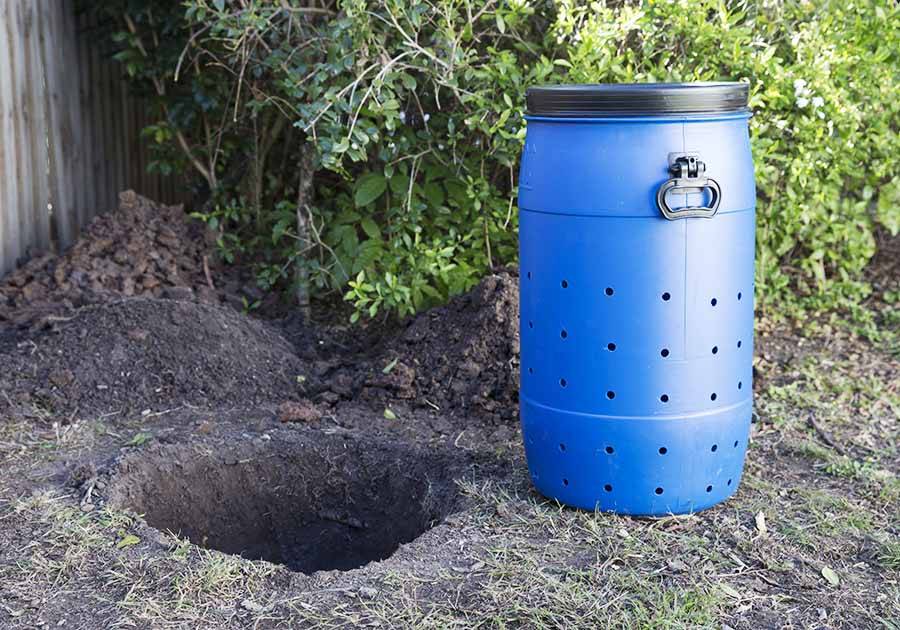
Choose a spot in your yard that gets partial sunlight. Avoid areas near vegetable gardens or water sources. The hole should be deep enough to hold several weeks’ worth of dog poop. A depth of about one foot is usually sufficient. Ensure the hole is wide enough to allow easy access for adding waste.
Layering Techniques
Start with a layer of soil at the bottom of the hole. Add a layer of dog poop on top of the soil. Cover this with a thin layer of carbon material like leaves or straw. Continue layering soil, dog poop, and carbon material. This technique helps to balance nitrogen and carbon, speeding up composting. Remember to cover the top layer with soil to reduce odor.
Managing The Compost Process
Managing the compost process for a dog poop compost hole involves consistent care and attention. Regular maintenance and dealing with odors are crucial for a successful compost system. This section will guide you through these important steps.
Regular Maintenance
Regular maintenance is key to a healthy compost hole. Follow these steps to ensure your compost is well-managed:
- Turn the compost: Use a shovel or pitchfork to turn the compost weekly. This helps to aerate the pile and speed up decomposition.
- Add moisture: Keep the compost moist but not too wet. Check the moisture level regularly.
- Add brown materials: Add dry leaves, straw, or cardboard to balance the nitrogen-rich dog poop. This helps to maintain the right compost ratio.
Dealing With Odors
Odors can be a common issue in composting dog poop. Here are some effective ways to manage them:
- Cover the poop: Always cover fresh dog poop with soil or brown materials. This helps to contain the smell.
- Check the balance: Ensure there is a good balance of green (dog poop) and brown materials. Imbalance can lead to odors.
- Improve aeration: A well-aerated compost pile reduces the risk of bad smells. Turn the compost regularly.
By following these steps, you can manage your dog poop compost hole effectively. Regular maintenance and odor control are essential for a successful composting process.
Using Compost In Your Garden
Create a dog poop compost hole in your garden for a sustainable waste solution. Bury the waste in a designated spot. Boost soil nutrients while keeping your garden clean.
Dog poop compost can be a valuable addition to your garden. It provides essential nutrients to your soil. It helps in growing healthy plants. Yet, you must use it properly. This ensures safety for your garden and your family.Safe Application Methods
Use composted dog poop on non-edible plants. It is safe for flowers, shrubs, and trees. Avoid using it directly on vegetables or fruits. This reduces the risk of harmful bacteria. Wear gloves when handling compost. Wash hands thoroughly after working with compost.Benefits For Soil Health
Composted dog poop enriches soil with nutrients. It improves soil structure. It enhances water retention. It promotes healthy root growth. Microorganisms in the compost boost soil fertility. They help plants grow stronger and healthier. “`Common Mistakes To Avoid
Composting dog poop is great for the environment. Yet, many people make mistakes. These errors can cause issues. Let’s explore some common mistakes to avoid. This will help you maintain a healthy compost hole.
Improper Waste Handling
Handle dog waste carefully. Never add it to the compost hole directly. First, collect the poop in biodegradable bags. This keeps your hands clean. It also reduces the risk of spreading bacteria. Avoid using plastic bags. They do not decompose easily. Plastic can also harm the composting process.
Do not mix dog waste with regular compost. Keep it separate. Dog poop contains harmful pathogens. These can contaminate your compost. Use a dedicated compost hole for dog waste only. This ensures safety and cleanliness.
Ignoring Maintenance
Regular maintenance is key. Check your compost hole often. Look for any issues. Stir the compost every few weeks. This helps break down the waste faster. It also prevents bad odors. Ignoring this step can lead to a stinky mess.
Keep the compost hole moist. Water helps with the decomposition process. But, do not overwater. Too much water can slow down composting. It can also create a breeding ground for pests. Balance is crucial.
Cover your compost hole. Use a lid or tarp. This keeps rain out. It also keeps pests away. Uncovered compost can attract flies and other bugs. They can spread diseases. A cover helps maintain hygiene.
Credit: thegreenhubonline.com

Credit: www.facebook.com
Frequently Asked Questions
What Is A Dog Poop Compost Hole?
A dog poop compost hole is a designated spot in your yard. It’s used to compost dog waste safely.
How To Create A Dog Poop Compost Hole?
Dig a hole in a secluded area of your yard. Add dog poop, then cover with soil.
Is Dog Poop Compost Hole Safe?
Yes, if done correctly, it is safe. It helps to manage waste and benefits the soil.
Can Dog Poop Be Composted?
Yes, dog poop can be composted. It should be done in a designated compost hole or bin.
Conclusion
Creating a dog poop compost hole offers many benefits. It reduces waste and enriches soil. Easy to set up and maintain. Good for the environment and your garden. Start small and see the positive effects. Your garden will thank you.
Plus, it’s a great way to be eco-friendly. So, why wait? Begin composting dog poop today. Happy gardening!