Last Updated on July 19, 2026
If you want to spoil your dog with something truly special, meat treats are the way to go. You know your furry friend deserves the best, and nothing beats the taste and nutrition of real meat.
But with so many options out there, how do you pick the right treats that are both healthy and delicious? Keep reading, because we’ll help you find the perfect meat treats that your dog will love—and that you can feel good about giving.
Your dog’s tail will wag like never before!
Benefits Of Meat Treats
Meat treats offer many benefits for dogs. They serve as a healthy snack option that supports overall well-being. These treats provide essential nutrients dogs need to stay active and happy. Including meat treats in a dog’s diet can improve health in several ways.
Nutritional Value
Meat treats are rich in protein, which helps build strong muscles. They also provide important vitamins like B12 and minerals such as iron. These nutrients aid in energy production and oxygen transport in the blood. Protein from meat is easier for dogs to digest than plant-based sources.
Improved Coat And Skin
Meat treats contain fatty acids like omega-3 and omega-6. These help keep a dog’s skin healthy and reduce dryness or itching. A shiny coat shows good nutrition and overall health. Regularly feeding meat treats supports hair growth and skin repair.
Enhanced Energy Levels
Protein and fat in meat treats give dogs lasting energy. Dogs need fuel for play, exercise, and daily activities. Meat treats help maintain steady energy without sudden crashes. Higher energy means a happier, more active dog throughout the day.
Popular Types Of Meat Treats
Meat treats are a favorite among dogs and pet owners alike. They offer rich flavors and important nutrients. Dogs enjoy a variety of meat options that suit different tastes and dietary needs. Choosing the right type can keep your dog happy and healthy. Below are some popular meat treats that dogs love.
Beef-based Snacks
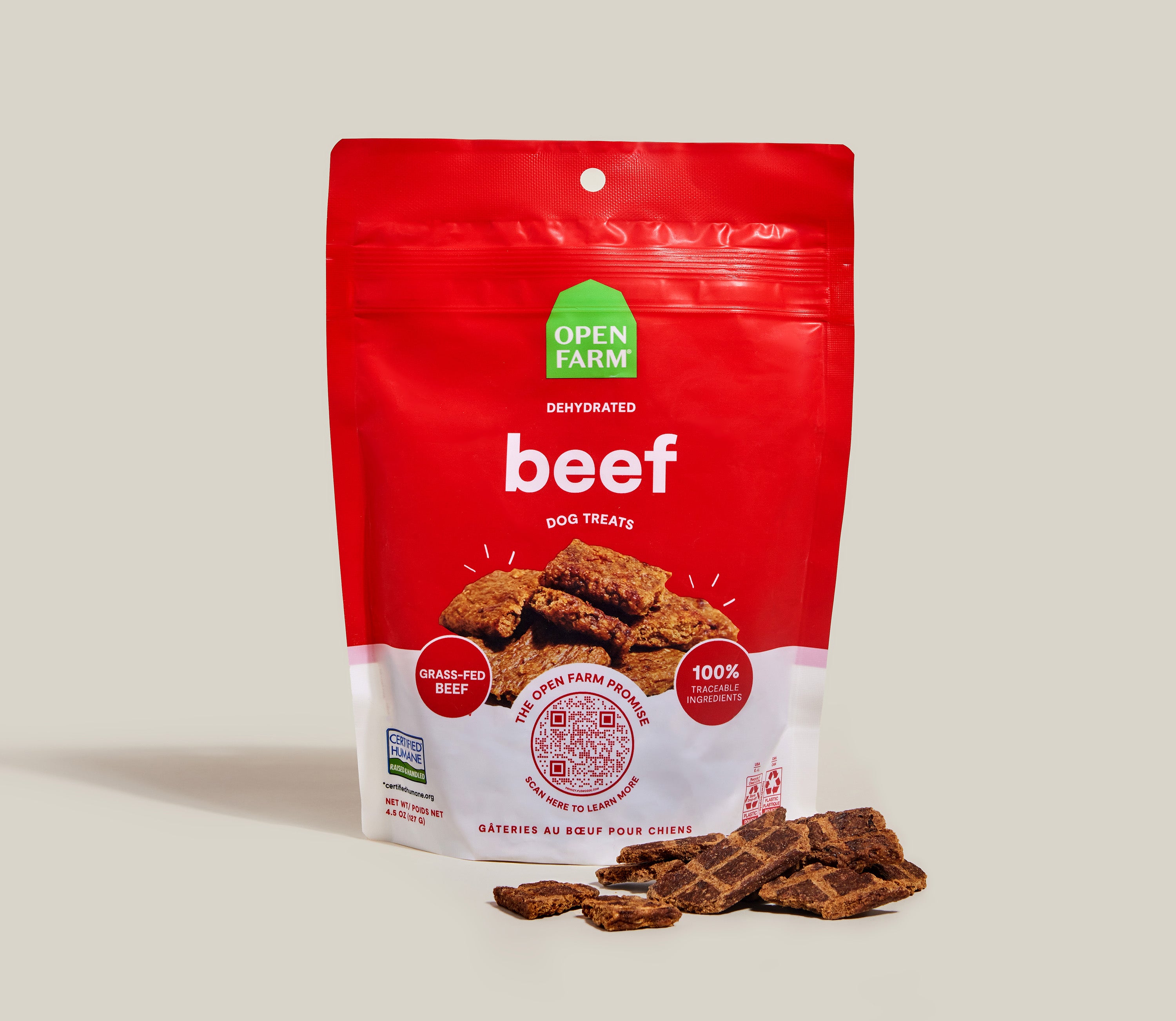
Beef treats are rich in protein and easy to digest. Many dogs find the taste of beef very appealing. These snacks often come as jerky, bones, or small bites. Beef treats support strong muscles and provide energy. They also contain essential vitamins like B12 and iron.
Chicken Delights
Chicken treats are light and gentle on the stomach. They are a good choice for dogs with sensitive digestion. Chicken snacks come in many forms, such as strips, chips, or dried pieces. These treats are high in protein and low in fat. They help maintain healthy skin and coat.
Lamb And Pork Options
Lamb and pork treats offer unique flavors for dogs. Lamb is a good alternative for dogs allergic to common proteins. Pork treats are tasty and rich in nutrients like zinc and B vitamins. Both types can be found as jerky or chewy snacks. They provide variety and cater to picky eaters.
Fish Treats
Fish treats are packed with omega-3 fatty acids. These fats support brain health and reduce inflammation. Common fish treats include salmon, cod, and whitefish. Fish snacks often come dehydrated or freeze-dried. They are excellent for dogs needing a boost in skin and coat health.
Homemade Vs Store-bought
Choosing between homemade and store-bought meat treats for dogs can be tricky. Each option has its own benefits and challenges. Understanding these can help you decide what suits your dog best.
Pros And Cons Of Homemade Treats
Homemade treats let you control ingredients. You can avoid preservatives and fillers. This is great for dogs with allergies or sensitive stomachs.
Making treats at home can save money. You can use fresh, natural meat. This often means tastier and healthier snacks for your dog.
Homemade treats need time and effort to prepare. Recipes must be safe and balanced. Overfeeding or wrong ingredients can harm your dog.
Storage is also a concern. Homemade treats usually have a short shelf life. They need refrigeration or freezing to stay fresh.
Choosing Quality Store-bought Options
Store-bought treats offer convenience. They are ready to use anytime. This suits busy dog owners well.
Look for products with real meat as the first ingredient. Avoid treats with artificial colors or flavors. Check for minimal additives and preservatives.
Trust brands with clear labeling and good reviews. Some store treats meet high safety and quality standards. This means they are safer for your dog to eat.
Store treats last longer than homemade. Packaging helps keep them fresh. This makes them easy to store and carry.
Credit: openfarmpet.com
Safe Ingredients To Use
Choosing safe ingredients is key to making healthy meat treats for dogs. Using the right items ensures your pet enjoys tasty snacks without health risks. Natural, simple ingredients work best for dogs’ sensitive systems. Avoiding harmful substances protects their well-being and keeps treats nutritious.
Dog-friendly Spices And Herbs
Some spices and herbs add flavor and health benefits to dog treats. Parsley helps freshen breath and supports digestion. Turmeric has anti-inflammatory properties and boosts immunity. Ginger aids in digestion and soothes upset stomachs. Use these spices in small amounts to avoid irritation. Avoid spicy or strong seasonings like chili or onion powder.
Avoiding Harmful Additives
Stay clear of artificial colors, flavors, and preservatives. These can cause allergic reactions or digestive issues in dogs. Avoid salt and sugar, which harm your pet’s health. Steer away from ingredients like garlic and onion, toxic to dogs. Always check labels and choose natural, simple ingredients for treats.
Selecting Lean Cuts
Lean cuts of meat reduce fat intake and support healthy weight. Chicken breast, turkey, and lean beef are good choices. Trim off visible fat before cooking or making treats. Fatty meats can cause stomach upset and long-term health problems. Use fresh, high-quality meat to keep treats safe and tasty.
Diy Meat Treat Recipes
Making meat treats at home is easy and healthy for dogs. You control the ingredients and avoid fillers. Fresh meat keeps your dog happy and strong.
Try these simple recipes to give your dog tasty, nutritious snacks. Each recipe uses common ingredients and needs little time.
Simple Jerky Strips
Cut lean meat like chicken or beef into thin strips. Lay them flat on a baking sheet. Dry in a low oven at 175°F for 2-3 hours. Check often to avoid burning. Let cool before giving to your dog. These jerky strips are chewy and packed with protein.
Frozen Meat Bites
Mix ground meat with a little water or broth. Spoon small portions into ice cube trays. Freeze until solid. Pop out the bites for a cold, tasty treat. Frozen meat bites are perfect for hot days and teething puppies.
Meat And Veggie Mixes
Combine cooked meat with dog-safe vegetables like carrots or peas. Chop finely or blend for easy chewing. Form small balls or patties. Bake at 350°F for 15-20 minutes. Cool before serving. This mix adds vitamins and fiber to your dog’s diet.
Feeding Guidelines
Feeding meat treats to dogs requires careful attention to keep them healthy and happy. Proper feeding guidelines help prevent overeating and digestive problems. This section explains how to feed meat treats safely and effectively.
Follow these simple tips to ensure your dog enjoys treats without any issues. Balance and moderation are key to good nutrition and wellbeing.
Portion Control
Start with small portions to avoid upsetting your dog’s stomach. Meat treats should never replace main meals. Treats must make up less than 10% of your dog’s daily diet. Use a measuring tool to keep portions accurate. Adjust the amount based on your dog’s size and activity level.
Frequency Recommendations
Limit meat treats to one or two times per day. Overfeeding treats can cause weight gain. Spread treat times evenly throughout the day. Use treats as rewards or training aids. Keep regular meals consistent to maintain a balanced diet.
Monitoring Allergies And Sensitivities
Watch for signs of allergies after feeding meat treats. Look for itching, redness, or digestive upset. Stop giving the treat if any symptoms appear. Introduce new treats slowly, one at a time. Consult your vet if your dog has known food sensitivities.
Storing Meat Treats
Storing meat treats properly keeps them fresh and safe for your dog. Good storage helps keep the treats tasty and healthy. It also prevents spoilage and waste. Follow simple steps to store meat treats right. This guide covers refrigeration, freezing, and shelf life.
Proper Refrigeration
Keep meat treats in an airtight container or sealed bag. Place them in the coldest part of the fridge. Avoid the fridge door, where temperature changes a lot. Store treats at or below 40°F (4°C). Use refrigerated treats within a few days for best quality.
Freezing Tips
Freeze meat treats to extend their freshness. Wrap treats tightly in plastic wrap or use freezer bags. Remove as much air as possible to prevent freezer burn. Label packages with the date before freezing. Thaw treats in the fridge before giving them to your dog.
Shelf Life Expectations
Fresh meat treats last about 3 to 5 days in the fridge. Frozen treats can stay good for up to 3 months. Check for signs of spoilage like bad smell or slimy texture. Discard any treat that looks or smells off. Keep treats safe to protect your dog’s health.

Credit: www.dalmatiandiy.com
Signs Your Dog Loves The Treats
Dogs show their love for treats in clear ways. Watching their reactions helps you know if they enjoy the meat treats. Some signs are easy to spot. Others take time and care to notice. Recognizing these signs improves your bond with your dog.
Behavioral Cues
Your dog may wag its tail fast. It might jump with excitement near the treat jar. Some dogs bark happily or lick their lips. They may sit or beg patiently for the treat. These actions show strong interest and joy.
Health Improvements
Good treats can improve your dog’s health. Look for shinier fur and brighter eyes. Better digestion and less gas can appear. Your dog may have stronger teeth and gums. These health signs show the treats have good nutrients.
Increased Activity
After eating meat treats, your dog might play more. It could run faster or explore more outside. You might notice more energy during walks. This boost in activity means your dog feels good. The treats give strength and vitality.

Credit: www.walmart.com
Frequently Asked Questions
What Are The Best Meat Treats For Dogs?
The best meat treats are high-quality, natural, and free from additives. Look for single-ingredient treats like dried chicken, beef jerky, or liver bites. These provide protein, support dental health, and are easy to digest for dogs of all sizes and ages.
Are Homemade Meat Treats Safe For Dogs?
Yes, homemade meat treats are safe if cooked properly and free from seasoning. Avoid using onions, garlic, or excessive salt. Homemade treats allow control over ingredients, ensuring your dog gets healthy, natural snacks tailored to their dietary needs.
How Often Should I Give Meat Treats To My Dog?
Give meat treats in moderation, about 5-10% of your dog’s daily calories. Overfeeding can lead to weight gain or digestive upset. Use treats mainly for training or rewarding good behavior to maintain a balanced diet and healthy lifestyle.
Can Meat Treats Cause Allergies In Dogs?
Some dogs may be allergic to certain meats like beef or chicken. Watch for symptoms like itching, digestive issues, or ear infections. If allergies appear, consult your vet and try novel protein treats like duck or venison as alternatives.
Conclusion
Meat treats make dogs happy and healthy. They provide protein and essential nutrients. Always choose treats that suit your dog’s size and health. Watch your pet while enjoying these snacks. Treating your dog can build trust and joy. Keep treats as part of a balanced diet.
Simple, natural meat treats work best. Your dog will thank you with wagging tails. Try different options to find your dog’s favorite. Enjoy the special moments with tasty meat treats.