Last Updated on July 28, 2026
If you want to give your dog the best nutrition, understanding the role of liver in their food is key. Liver is packed with essential vitamins and minerals that can boost your dog’s health in many ways.
But how much liver is good for your furry friend? And what should you look for when choosing dog food with liver? Keep reading to discover everything you need to know to make the best choice for your dog’s diet and wellbeing.
Benefits Of Liver In Dog Food
Liver is a valuable ingredient in dog food. It offers many health benefits for dogs. Including liver in your dog’s diet can improve overall health. This section explains why liver is good for dogs.
Nutrient Profile Of Liver
Liver is rich in essential vitamins and minerals. It contains vitamin A, iron, and B vitamins. These nutrients help support many body functions. Dogs need these nutrients to stay strong and healthy. Liver provides a natural and balanced source of nutrition.
Supports Immune Health
Liver helps boost the immune system. It contains antioxidants that fight harmful cells. This support helps dogs resist infections and illnesses. A strong immune system keeps dogs active and well. Feeding liver promotes a healthier defense system.
Enhances Coat And Skin
Liver improves the condition of skin and fur. It has fatty acids that keep the coat shiny. These nutrients reduce dryness and itching. Dogs with liver in their diet often have softer fur. Healthy skin and coat reflect good overall health.
Boosts Energy Levels
Liver provides nutrients that increase energy. Iron in liver helps carry oxygen in the blood. This process supports stamina and reduces tiredness. Dogs get more energy for play and exercise. Including liver helps keep dogs lively and active.
Types Of Liver Suitable For Dogs
Liver is a nutrient-rich food that many dogs enjoy. It provides vitamins and minerals essential for health. Different types of liver offer unique benefits and flavors. Knowing which liver suits your dog can help create a balanced diet.
Always choose fresh, high-quality liver and serve it in moderation. Too much liver can cause vitamin A overdose. Consult your vet before adding new foods to your dog’s diet.
Beef Liver
Beef liver is a popular choice for dogs. It contains high levels of iron and vitamin A. The texture is firm but easy to chew. Many dogs find the taste rich and appealing. It supports strong muscles and healthy skin.
Chicken Liver
Chicken liver is smaller and softer than beef liver. It has a milder taste that some dogs prefer. This liver is rich in protein and vitamin B12. It helps improve energy and red blood cell production. It is often used in homemade dog treats.
Pork Liver
Pork liver has a strong flavor and dense texture. It is packed with essential vitamins like A, B, and iron. Feeding pork liver occasionally adds variety to your dog’s meals. It supports immune function and overall vitality.
Lamb Liver
Lamb liver is tender and highly digestible. It offers good amounts of zinc and vitamin A. Many dogs with food sensitivities tolerate lamb liver well. It helps maintain healthy skin and promotes healing. Lamb liver can be a gentle option for sensitive stomachs.
How To Prepare Liver For Dogs
Liver is a nutrient-rich food for dogs. It provides essential vitamins and minerals. Proper preparation keeps it safe and tasty for your pet. This guide shows easy steps to prepare liver for dogs.
Cooking Methods
Cook liver by boiling, baking, or pan-frying. Avoid using oils, spices, or salt. Boiling keeps liver soft and healthy. Baking liver in the oven at 350°F for 20 minutes works well. Pan-fry liver quickly on low heat to keep moisture. Always cook liver until fully done to kill bacteria.
Portion Sizes
Feed liver as a treat, not a main meal. Limit liver to 5% of your dog’s daily food. Too much liver can cause vitamin A overdose. Small dogs need less liver than big dogs. Start with one teaspoon and adjust based on size and response.
Storage Tips
Store fresh liver in an airtight container in the fridge. Use within two days for best freshness. Freeze liver in small portions for longer storage. Thaw liver in the fridge before cooking. Discard any liver left out for more than two hours.

Credit: www.cesar.ca
Incorporating Liver Into Homemade Dog Food
Liver is a powerful ingredient for homemade dog food. It offers many vitamins and minerals dogs need. Adding liver can improve your dog’s diet easily. The taste is strong, so use small amounts first. Cooking liver properly is important for safety and taste. This section explains how to add liver to your dog’s meals.
Simple Liver Recipes
Start with basic liver recipes. Boil or bake the liver without spices. Cut liver into small pieces or grind it. Mix the cooked liver with plain rice or mashed potatoes. This creates a gentle meal that dogs like. Keep the portions small to avoid stomach upset.
Combining With Other Ingredients
Mix liver with other healthy ingredients for balance. Add cooked vegetables like carrots or green beans. Include a protein source such as chicken or beef. Use healthy fats like olive oil or fish oil. These combinations improve flavor and nutrition. Always avoid harmful foods like onions or garlic.
Balancing Nutritional Needs
Liver is rich in nutrients but too much can harm dogs. Limit liver to about 5% of the total meal. Combine it with other proteins, carbs, and vegetables. Consult your vet for the right balance. Rotate liver with other organ meats for variety. Balanced meals help dogs stay strong and healthy.
Potential Risks And Precautions
Feeding liver to dogs can be very healthy but it comes with some risks. Understanding these risks helps keep your dog safe. Taking precautions avoids health problems and ensures liver benefits your pet.
Overfeeding Liver
Liver is rich in nutrients but too much can cause harm. Overfeeding liver may lead to vitamin A toxicity. This condition can cause bone pain, joint problems, and weakness. Moderation is key. Limit liver to a small part of your dog’s diet.
Allergic Reactions
Some dogs may be allergic to liver. Signs include itching, swelling, or stomach upset. Watch your dog closely after feeding liver for the first time. Stop feeding liver if any allergic symptoms appear. Consult your vet for advice.
Sourcing Safe Liver
Not all liver is safe for dogs. Poor quality or contaminated liver can cause illness. Buy liver from trusted sources. Organic or grass-fed options are often safer. Always cook liver thoroughly to kill harmful bacteria.
Commercial Dog Foods With Liver
Commercial dog foods with liver offer a rich source of nutrients. Liver is packed with vitamins A, B, and iron. These nutrients support your dog’s energy and immune system. Many dog food brands add liver to enhance flavor and nutrition.
Choosing the right commercial dog food with liver is important. Not all liver ingredients are the same. Quality varies widely between products. Understanding what to look for helps you pick the best option for your dog.
Recognizing Quality Liver Ingredients
High-quality liver in dog food usually comes from named animal sources. Look for “chicken liver” or “beef liver” rather than vague terms like “meat by-products.” Fresh or frozen liver is better than dried or powdered forms. Liver should appear near the top of the ingredient list. This shows it is a significant part of the recipe.
Top Brands Featuring Liver
Several reputable brands use quality liver in their formulas. These brands focus on natural ingredients and balanced nutrition. They list liver clearly in their ingredient lists. Some popular brands include Blue Buffalo, Wellness, and Natural Balance. These options provide real liver and avoid fillers.
Reading Labels Effectively
Check the ingredient list carefully for liver sources. Avoid labels that say “liver flavor” or “liver meal” without specifying the animal. Look for guaranteed analysis to see protein and fat content. This helps confirm the liver quality and nutritional value. Pay attention to the order of ingredients. Ingredients are listed by weight, so higher up means more liver.
Faqs About Liver In Dog Diets
Liver is a popular treat and supplement for dogs. Many pet owners wonder how safe and healthy it is. This section answers common questions about feeding liver to dogs. It explains frequency, suitability for puppies, and signs of liver toxicity. Understanding these points helps keep your dog healthy and happy.
How Often Can Dogs Eat Liver?
Liver is rich in nutrients like vitamins A and B. It is a great source of protein. But too much liver can cause problems. Feeding liver once or twice a week is enough. Overfeeding may lead to vitamin A overdose. Always balance liver with other parts of your dog’s diet.
Can Puppies Eat Liver?
Puppies can eat liver, but in small amounts. Their growing bodies need many nutrients. Liver offers essential vitamins and minerals for growth. Start with tiny portions to avoid stomach upset. Consult your vet before adding liver to a puppy’s diet. Proper portion size is key for safe feeding.
Signs Of Liver Toxicity
Too much liver can cause toxicity in dogs. Watch for signs like vomiting and diarrhea. Loss of appetite and weakness may also appear. Excessive thirst and urination are warning signs. If you notice these, stop feeding liver immediately. Contact your vet for advice and care.
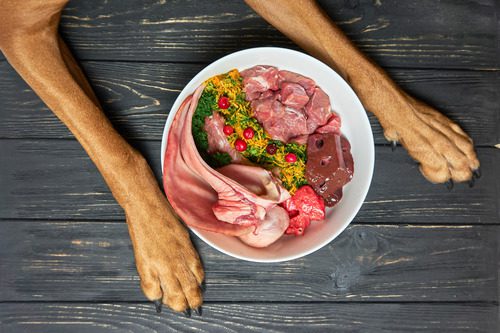
Credit: bestfriendsvet.org
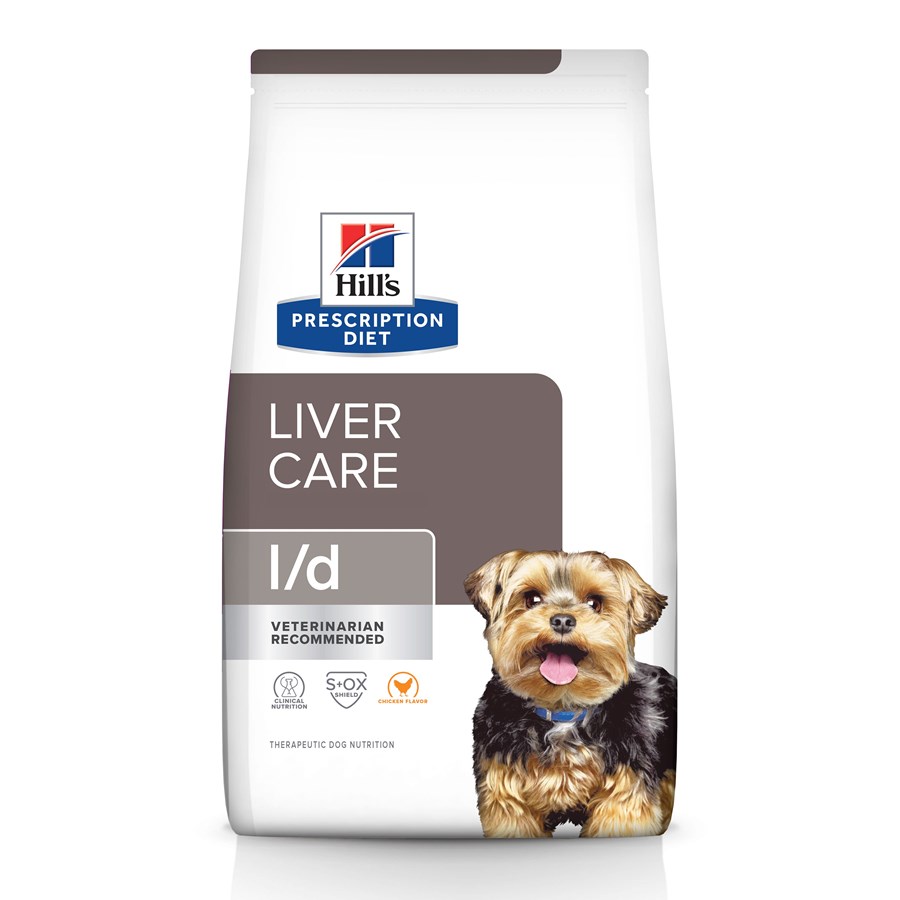
Credit: www.petcarerx.com
Frequently Asked Questions
What Are The Benefits Of Liver In Dog Food?
Liver is rich in essential nutrients like iron, vitamin A, and protein. It supports your dog’s immune system, boosts energy, and promotes healthy skin and coat. Including liver in dog food enhances overall health and vitality naturally.
How Much Liver Should Dogs Eat Daily?
Dogs should eat liver in moderation. A general guideline is 5% of their daily diet. Too much liver can cause vitamin A toxicity. Always consult your vet to determine the proper liver amount for your dog’s size and health.
Is Liver Safe For All Dog Breeds?
Yes, liver is safe for most dog breeds when fed appropriately. However, dogs with certain health issues may need limited liver intake. Always check with your vet before introducing liver to your dog’s diet to avoid health risks.
Can Dogs Eat Raw Liver Or Cooked Only?
Dogs can eat both raw and cooked liver. Cooking liver helps kill harmful bacteria, making it safer. Raw liver retains more nutrients but carries some risk. Consult your vet to decide the best option based on your dog’s health.
Conclusion
Feeding your dog liver can boost their health and energy. Liver offers important vitamins and minerals dogs need daily. Serve it in small amounts to avoid stomach upset. Fresh, cooked liver works best for your dog’s safety. Keep a balanced diet with liver as a tasty treat.
Watch your dog’s reaction when trying liver for the first time. A healthy dog is a happy dog. Give liver a try and see the benefits yourself.