Last Updated on July 30, 2026
If you care about your dog’s health, you need to know about the recent dog food recall linked to Salmonella. This isn’t just a simple warning—it could affect your furry friend’s safety and your family’s well-being.
You might be wondering if the food in your pantry is on the list or what signs to watch for if your dog has been exposed. Keep reading to find out exactly what you need to do to protect your pet and prevent any serious risks.
Your dog depends on you, and knowing the facts about this recall could make all the difference.
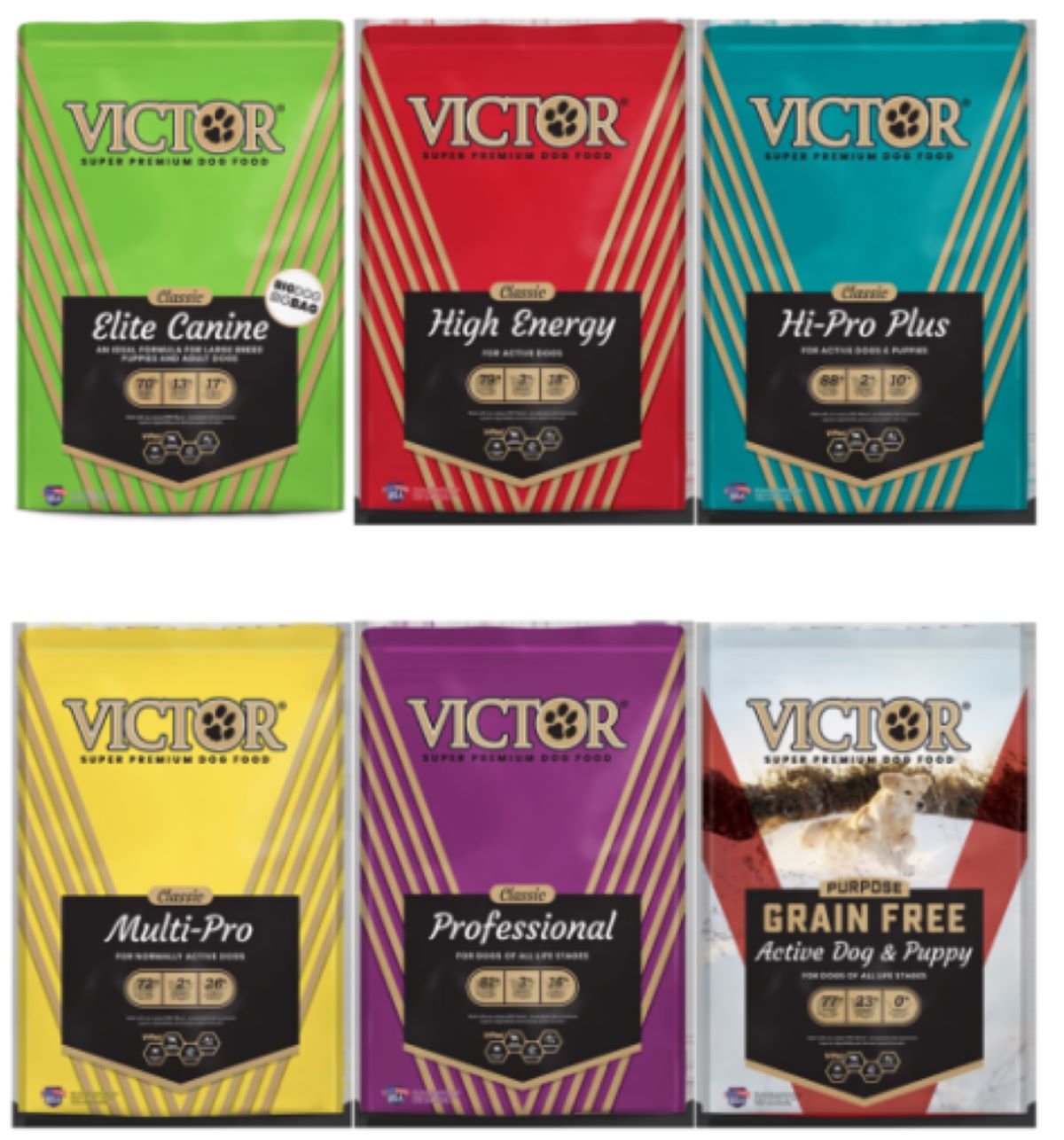
Credit: www.foodpoisonjournal.com
Salmonella Risks In Dog Food
Salmonella risks in dog food pose serious threats to both pets and their owners. Contaminated dog food can cause infections that lead to illness. Understanding these risks helps pet owners protect their dogs and families. Awareness about Salmonella in dog food is crucial for safe feeding practices.
How Salmonella Affects Dogs
Salmonella infection in dogs can cause vomiting and diarrhea. Dogs may become weak and lose appetite. Some dogs show no signs but still carry the bacteria. In severe cases, the infection can spread and become life-threatening. Puppies, older dogs, and sick pets are more vulnerable.
Health Risks For Humans
Humans can catch Salmonella from handling contaminated dog food. The bacteria can cause stomach cramps, fever, and diarrhea. Young children, elderly people, and those with weak immune systems face higher risks. Proper hygiene after feeding dogs reduces the chance of infection.
Common Contamination Sources
Raw meat and poultry in dog food often carry Salmonella. Cross-contamination during manufacturing can spread bacteria. Poor storage and handling also increase risk. Buying from trusted brands and checking recall updates helps keep dogs safe.
Recent Dog Food Recalls
Recent dog food recalls have raised concerns among pet owners. These recalls focus on salmonella contamination. Salmonella can cause serious illness in dogs and humans. Awareness about these recalls helps keep pets safe.
Understanding the details of each recall is important. It helps owners identify risky products quickly. Let’s explore the brands, recall dates, and reasons behind these recalls.
Brands And Products Affected
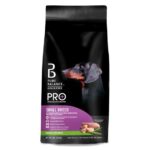
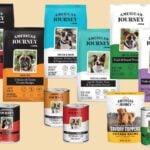
Several well-known dog food brands have issued recalls. Products include dry kibble, canned food, and treats. Some recalled products were sold nationwide. Others were limited to specific stores or regions.
Brands involved vary in size and market reach. This shows that no brand is completely immune. Pet owners should always check product labels carefully.
Recall Dates And Notices
Most recalls happened within the last year. Some were announced just weeks ago. Companies issued public notices through websites and news outlets. These alerts included batch numbers and expiration dates.
Prompt recall announcements aim to reduce health risks. Pet owners should respond quickly if their product is listed. Early action can prevent illness in dogs and family members.
Reasons Behind The Recalls
Salmonella contamination is the main cause of these recalls. Contamination can happen during production or packaging. Sometimes, raw ingredients carry bacteria into the final product.
Salmonella poses a risk to dogs and humans. Dogs may show vomiting, diarrhea, or lethargy. People can get sick from handling contaminated food. Safety checks and recalls help stop the spread of this bacteria.
Signs Of Salmonella Infection In Dogs
Salmonella infection in dogs can be serious and needs quick attention. Dogs may not show signs right away. Some dogs can carry the bacteria and spread it without feeling sick. Knowing the signs helps protect your pet and family.
Symptoms can vary from mild to severe. Watch your dog closely after any dog food recall or if you suspect contamination. Early detection can prevent worse health problems.
Symptoms To Watch For
Common signs include vomiting and diarrhea, which may have blood. Your dog might lose appetite and act tired. Fever is also a common symptom. Some dogs show stomach pain or cramps. Dehydration can happen if symptoms last long. Keep an eye on any sudden behavior changes. Weakness or shaking are warning signs too.
When To Contact A Veterinarian
Call a vet if your dog has vomiting or diarrhea for more than a day. Blood in stool or vomit needs immediate care. If your dog is very weak or not eating, seek help fast. Fever above 103°F (39.4°C) is also a red flag. Dehydration signs like dry gums or sunken eyes need quick treatment. Early veterinary care can save your dog’s life.

Credit: www.al.com
Steps For Pet Owners During A Recall
Dog food recalls due to Salmonella require quick action from pet owners. Taking the right steps helps protect your dog and family. Knowing what to do during a recall can reduce health risks and stress.
Follow these clear steps to handle the situation safely and responsibly.
Checking Your Dog Food
First, check the brand and batch number of your dog food. Compare them with recall announcements from the manufacturer or FDA. Do not feed your dog any food that matches the recall. Keep the packaging for reference.
Safe Handling And Disposal
Handle recalled food with care to avoid spreading bacteria. Wash your hands thoroughly after touching the food or packaging. Store the recalled food separately and away from other pet foods. Dispose of the food safely by sealing it in a plastic bag and placing it in the trash. Clean any surfaces or bowls that touched the food with hot, soapy water.
Reporting Suspected Cases
If your dog shows signs of illness like vomiting, diarrhea, or fever, contact your vet immediately. Report suspected Salmonella cases to the manufacturer or local health department. Early reporting helps track outbreaks and prevent others from getting sick.
Preventing Salmonella Exposure
Preventing Salmonella exposure is key to keeping dogs healthy. Salmonella bacteria can make pets very sick. It can also spread to people in the home. Taking simple steps helps reduce this risk and protects everyone.
Safe Feeding Practices
Always wash your hands before and after feeding your dog. Use clean bowls and utensils for every meal. Avoid feeding raw or undercooked food that may contain bacteria. Give your dog fresh food and clean water daily. Throw away any uneaten food after two hours to stop bacteria growth.
Storage Tips For Dog Food
Keep dry dog food in a cool, dry place. Use airtight containers to stop moisture and pests. Check expiration dates before use. Store wet food in the fridge after opening. Do not leave open cans out for long periods. Proper storage keeps dog food fresh and safe.
Hygiene Measures For Pet Owners
Wash hands with soap after touching dog food or bowls. Clean feeding areas regularly with hot, soapy water. Avoid touching your face during feeding times. Keep your dog’s bedding and toys clean. These habits reduce the chance of Salmonella spreading in your home.
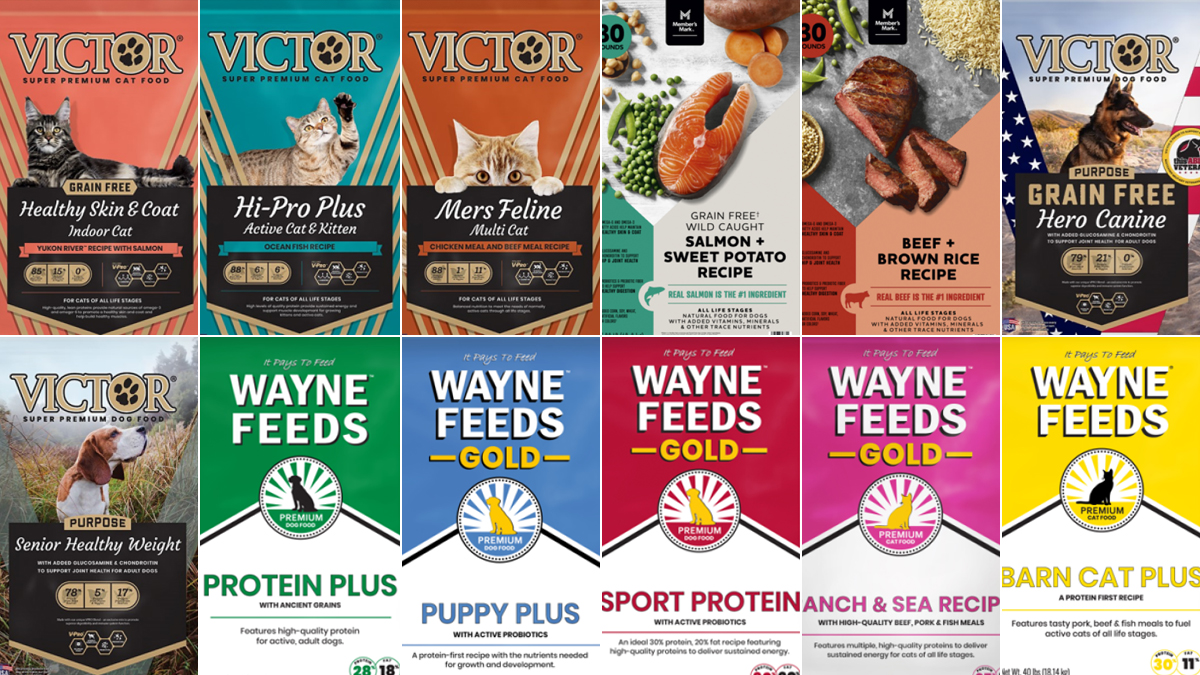
Credit: www.nbcdfw.com
Resources For Ongoing Updates
Staying informed about dog food recalls related to Salmonella is crucial for pet owners. Updates can come quickly, and your pet’s health depends on timely action. Reliable resources help you get accurate and current information.
Government Recall Websites
Government websites provide official recall announcements. The U.S. Food and Drug Administration (FDA) and the U.S. Department of Agriculture (USDA) post detailed alerts. These sites include product names, batch numbers, and safety advice. Bookmark these pages for quick access to new recall notices.
Veterinary Advice Hotlines
Veterinary hotlines offer expert guidance about Salmonella risks. Veterinarians answer questions on symptoms and next steps. They help decide if your pet needs medical care. Use these hotlines for immediate, trusted advice.
Pet Safety Organizations
Nonprofit pet safety groups track recalls and pet health issues. They share updates on social media and websites. These organizations often provide tips to prevent Salmonella infections. Follow them to protect your dog and stay alert.
Frequently Asked Questions
What Are The Common Signs Of Salmonella In Dogs?
Dogs with salmonella may show diarrhea, vomiting, fever, and lethargy. Some might lose appetite or have abdominal pain. If you notice these symptoms, consult a vet immediately to prevent complications.
How Can I Check If My Dog’s Food Is Recalled?
Visit the FDA or manufacturer’s website for updated recall lists. They provide batch numbers and product details to help you identify affected dog food brands and lots easily.
Is Salmonella-contaminated Dog Food Dangerous To Humans?
Yes, salmonella can spread from dogs to humans via contact. Practice good hygiene by washing hands after handling dog food or cleaning up after pets to reduce infection risk.
What Should I Do If My Dog Ate Recalled Food?
Stop feeding the recalled product immediately. Contact your vet if your dog shows illness signs. Report the incident to the manufacturer or FDA for guidance.
Conclusion
Salmonella in dog food can harm pets and people. Check recalls often to keep your dog safe. Always buy food from trusted brands. Watch your dog for signs of illness. Clean bowls and hands after feeding. Quick action helps protect your pet’s health.
Stay informed and act fast if a recall occurs. Your dog depends on you for safe food. Stay alert. Keep your pet healthy and happy.