Last Updated on August 1, 2026
Choosing the right food for your dog can feel overwhelming. With so many options on the market, how do you know which one truly meets your furry friend’s needs?
You want to give your dog the best nutrition without breaking the bank or wasting time on foods that don’t work. This dog food comparison will help you cut through the noise. By the end, you’ll feel confident picking the perfect meal that keeps your dog healthy, happy, and full of energy.
Keep reading—you and your dog deserve nothing less.
Credit: www.nilds.gov.ng
Types Of Dog Food
Choosing the right food for your dog matters a lot. Different types of dog food offer different benefits. Each type suits different dogs and lifestyles. Knowing the options helps you pick the best for your pet.
Dry Kibble Benefits
Dry kibble is the most popular dog food type. It is easy to store and lasts long. Kibble helps keep your dog’s teeth clean. It is also affordable and convenient. Many brands offer a wide range of flavors and formulas.
Wet Food Advantages
Wet food contains more moisture than dry kibble. This helps dogs stay hydrated. It often tastes better to picky eaters. Wet food is softer, making it easy to chew. It usually has fewer preservatives than dry food.
Raw Diet Insights
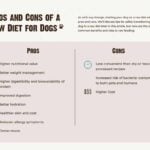
The raw diet uses fresh, uncooked ingredients. It mimics a dog’s natural diet in the wild. Raw food can improve coat shine and energy levels. It needs careful handling to avoid bacteria. Many owners find it suits active dogs well.
Homemade Meals
Homemade meals let you control every ingredient. You can avoid fillers and artificial additives. Cooking for your dog ensures fresh, natural nutrition. It takes time and knowledge to balance meals. Consulting a vet is important for safety.
Essential Nutrients For Dogs
Dogs need a balanced diet to stay healthy and active. Essential nutrients support their growth, energy, and body functions. Each nutrient plays a unique role in their overall well-being.
Understanding these nutrients helps you choose the best dog food. It ensures your dog gets what it needs every day. Let’s explore the key nutrients your dog requires.
Proteins And Amino Acids
Proteins build strong muscles and repair tissues. Amino acids are the building blocks of proteins. Dogs need essential amino acids from their food. Good protein sources include meat, fish, and eggs. Protein supports growth and keeps your dog’s coat shiny.
Fats And Fatty Acids
Fats provide energy and help absorb vitamins. Fatty acids like omega-3 and omega-6 keep skin healthy. They reduce inflammation and support brain function. Healthy fats also keep your dog’s coat soft. Avoid too much fat to prevent weight gain.
Carbohydrates Role
Carbohydrates supply energy for daily activities. They come from grains, vegetables, and fruits. Fiber, a type of carbohydrate, aids digestion. Carbs help maintain healthy blood sugar levels. Balanced carbs prevent digestive issues and keep energy steady.
Vitamins And Minerals
Vitamins support immune health and body functions. Minerals like calcium and phosphorus build strong bones and teeth. They also help blood clot and muscle function. Dogs need a variety of vitamins and minerals daily. A balanced diet provides these essential nutrients naturally.
Choosing Food By Life Stage
Choosing the right food for your dog depends on their life stage. Dogs have different needs at each stage of life. Feeding the right food helps them stay healthy and happy. Their bodies change as they grow, so their diet must change too.
Puppy Nutrition Needs
Puppies grow fast and need more energy. They need food rich in protein and fat. This helps build strong muscles and bones. Puppies also need extra vitamins and minerals. These nutrients support brain and eye development. Choose a puppy formula made for their age. Smaller, frequent meals suit their small stomachs.
Adult Dog Diet
Adult dogs need balanced nutrition to maintain weight. Their food should have moderate protein and fat levels. This keeps their muscles strong without adding fat. Fiber helps with digestion and keeps their gut healthy. Adult dogs need fewer calories than puppies. Feeding the right portion size prevents obesity. Look for food with essential vitamins and minerals for daily energy.
Senior Dog Considerations
Senior dogs move less and burn fewer calories. Their food should be lower in fat and calories. High-quality protein supports aging muscles. Joint health becomes important; look for ingredients like glucosamine. Senior dogs may need extra fiber for digestion. Antioxidants help keep their immune system strong. Soft or smaller kibble can make eating easier for older dogs.
Special Dietary Requirements
Special dietary needs are common among dogs. Some dogs require foods made just for their health. Choosing the right food helps keep your dog happy and strong.
Different dogs need different nutrients. Some may have allergies, others need to lose weight. Some breeds have unique diet needs. Knowing these needs helps you pick the best food.
Allergy-friendly Options
Dogs can be allergic to ingredients like wheat, soy, or chicken. Allergy-friendly foods avoid these common triggers. They often use novel proteins like duck or fish. These foods reduce itching and improve skin health. Grain-free options can also help sensitive dogs. Always check the ingredient list carefully.
Weight Management Foods
Overweight dogs face health problems. Weight management foods have fewer calories. They include more fiber to keep dogs full. These foods support healthy weight loss. Regular feeding with these formulas can improve energy levels. Portion control is important alongside these diets.
Breed-specific Diets
Each dog breed has unique nutritional needs. Some breeds need more protein for muscle support. Others require special nutrients for coat health. Large breeds may benefit from joint-support formulas. Small breeds often need smaller kibble sizes. Feeding breed-specific diets can improve overall health and vitality.
Reading Dog Food Labels
Reading dog food labels is key to choosing the right food for your pet. Labels show what’s inside the bag or can. They help you understand the quality and safety of the food. Knowing how to read these labels helps keep your dog healthy and happy.
Ingredients To Look For
Good dog food starts with quality ingredients. Look for named meat sources like chicken, beef, or lamb. Whole grains such as brown rice and oats provide energy. Vegetables like carrots and peas add vitamins and fiber. Ingredients should be easy to recognize and natural.
Ingredients To Avoid
Avoid foods with vague terms like “meat by-products” or “animal digest.” Artificial colors, flavors, and preservatives are best skipped. High amounts of fillers like corn, wheat, and soy offer little nutrition. Too many additives can upset your dog’s stomach or cause allergies.
Understanding Nutritional Claims
Labels often include claims like “complete,” “balanced,” or “natural.” “Complete and balanced” means the food meets basic nutrition needs. “Natural” means ingredients come from nature, with few artificial parts. Check for AAFCO approval to ensure the food meets standards for dogs.

Credit: stefan-naas.de
Popular Dog Food Brands
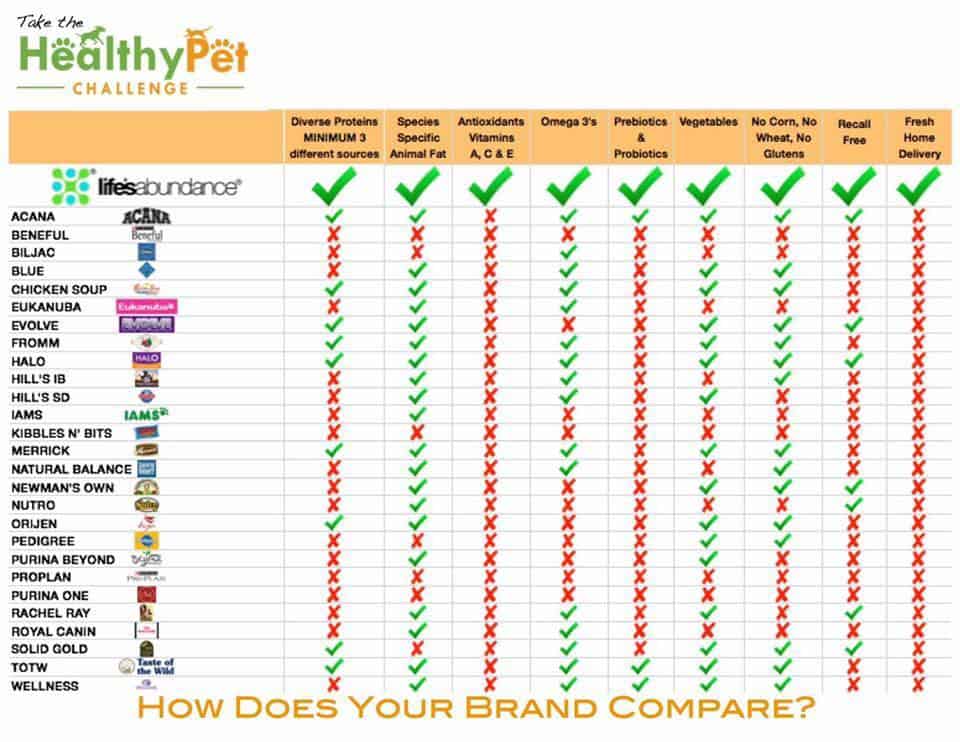
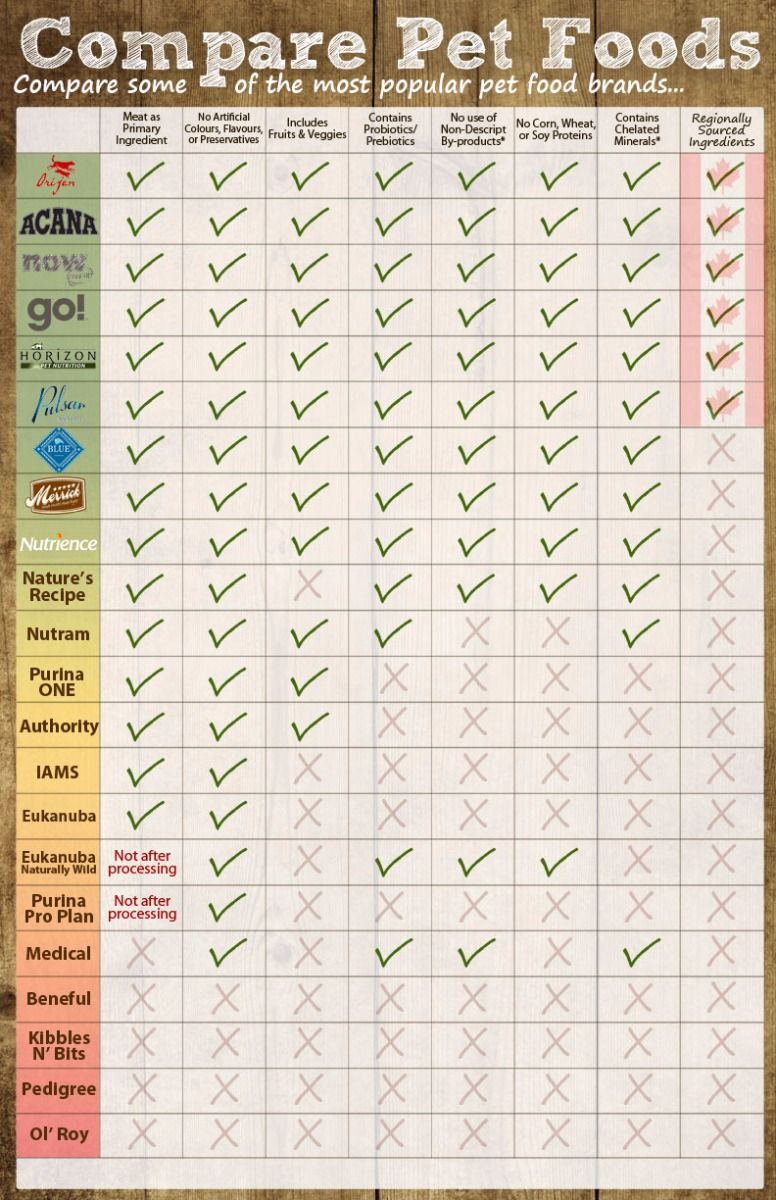
Choosing the right dog food brand is vital for your pet’s health. Popular brands often stand out because they use quality ingredients and follow strict safety standards. These brands offer various options, including dry, wet, and raw food. Each type suits different dog needs and preferences. Understanding the best brands in each category helps you make a smart choice for your dog’s diet.
Top Rated Dry Foods
Dry dog food is convenient and lasts long. Leading brands like Blue Buffalo, Hill’s Science Diet, and Royal Canin offer balanced nutrition. These foods often contain high protein and essential vitamins. Many have formulas for specific breeds or life stages. Dry food also helps keep your dog’s teeth clean by reducing plaque build-up.
Leading Wet Food Brands
Wet dog food provides moisture and rich flavors. Brands like Merrick, Wellness CORE, and Nutro are popular choices. These brands use real meat and natural ingredients. Wet food is easier to chew, ideal for older dogs or picky eaters. It also helps keep your dog hydrated throughout the day.
Recommended Raw Food Providers
Raw diets are closer to a dog’s natural eating habits. Companies such as Primal, Stella & Chewy’s, and Darwin’s offer raw food options. These products include fresh meats, organs, and bones. Raw food supports strong muscles and healthy skin. Many dog owners report better energy and digestion with raw diets.
Cost Vs Quality In Dog Food
Choosing dog food involves balancing cost and quality. Affordable options may meet basic needs but lack some nutrients. Premium foods often use higher-quality ingredients but cost more. Understanding this balance helps pet owners make smarter choices for their dogs.
Budget-friendly Healthy Options
Affordable dog foods can still provide good nutrition. Look for brands with clear ingredient lists and essential nutrients. Some budget foods include protein sources like chicken or beef. They also add vitamins and minerals to support health. These options work well for dogs with normal activity levels.
Premium Food Worth The Price
Premium dog foods use higher-quality ingredients. They often contain real meat, vegetables, and whole grains. These foods avoid fillers and artificial additives. Premium options support better digestion and skin health. They suit dogs with special dietary needs or allergies.
Balancing Cost And Nutrition
Choose dog food based on your dog’s health and lifestyle. Mix budget-friendly and premium foods if needed. Watch your dog’s weight, energy, and coat condition. Adjust the diet if you notice any changes. Quality nutrition does not always mean the highest price.
Transitioning Your Dog’s Diet
Changing your dog’s diet needs care and planning. Sudden changes can upset their stomach and cause discomfort. A smooth switch helps your dog adjust easily and stay healthy. Understanding when and how to change food is important for your dog’s wellbeing.
When To Switch Foods
Switch foods if your dog shows allergies or digestive problems. Puppies need different food than adult dogs. Older dogs may require special diets for health issues. Sometimes, you switch to improve nutrition or taste. Always choose food that fits your dog’s age and health.
How To Transition Safely
Start by mixing a small amount of new food with old food. Gradually increase the new food portion over 7 to 10 days. This slow change lets your dog’s stomach get used to the new food. Avoid sudden, full changes to prevent stomach upset. Keep feeding times regular during the switch.
Monitoring Your Dog’s Response
Watch your dog for signs like vomiting, diarrhea, or loss of appetite. Check their energy and mood for any changes. Healthy dogs usually adjust well within two weeks. If problems continue, stop the new food and talk to your vet. Keep track of your dog’s reactions during the transition.
Credit: www.greenepublishing.com
Frequently Asked Questions
What Factors Should I Consider When Comparing Dog Foods?
Consider ingredients, nutritional value, price, brand reputation, and your dog’s specific needs. Check for balanced proteins, fats, and vitamins. Avoid fillers and artificial additives for better health.
How Do I Choose The Best Dog Food For My Pet?
Assess your dog’s age, size, health, and activity level. Consult your vet and read labels carefully. Opt for foods with high-quality ingredients and essential nutrients.
Are Grain-free Dog Foods Better Than Regular Ones?
Grain-free foods suit dogs with allergies or sensitivities. However, they are not always superior. Consult your vet before switching, as some dogs thrive on grains.
What Is The Difference Between Dry And Wet Dog Food?
Dry food is convenient, cost-effective, and helps dental health. Wet food offers higher moisture and palatability. A balanced diet can include both types for variety.
Conclusion
Choosing the right dog food affects your pet’s health and happiness. Check ingredients carefully to find quality and nutrition. Consider your dog’s age, size, and needs before buying. Compare brands and read reviews to make a smart choice. Feeding your dog well supports a long, active life.
Keep learning about dog food for the best care. Simple steps lead to a healthy, happy dog every day.