Last Updated on August 2, 2026
When it comes to your dog’s health, the food you choose matters more than you might think. You want to give your furry friend the best, but with so many options out there, how do you know what’s truly good?
This is where independent research on dog food becomes your secret weapon. By understanding what’s really inside those bags and cans, you can make smarter choices that keep your dog happy and healthy. Ready to find out what experts and unbiased studies reveal about dog food?
Keep reading—you and your dog deserve it.
Choosing Quality Ingredients
Choosing quality ingredients in dog food is vital for your pet’s health. Good ingredients support energy, digestion, and a shiny coat. Poor ingredients can cause allergies and stomach issues. Understanding what goes into the food helps you pick the best option.
Natural Vs Processed Components
Natural ingredients come from real meats, vegetables, and grains. They keep most nutrients intact. Processed components often lose nutrients during heating or grinding. Some processed parts contain fillers that add no nutrition. Dogs benefit more from natural, whole ingredients.
Common Additives And Preservatives
Additives enhance flavor, texture, and shelf life. Some preservatives are natural, like vitamin E and C. Others use chemicals like BHA or BHT, which may harm health. Artificial colors and flavors can cause allergies or upset stomachs. Choose dog food with fewer or safer additives.
Grain-free And Alternative Options
Grain-free dog foods avoid wheat, corn, and soy. Some dogs need grain-free diets due to allergies. Alternatives include sweet potatoes, peas, and lentils. These provide carbs and fiber without common allergens. Always check if the alternative suits your dog’s needs.
Nutritional Needs For Dogs
Dogs need the right nutrients to stay healthy and active. Their diet must include various essential elements. These nutrients support growth, energy, and overall well-being. Understanding what dogs need helps owners choose better food options.
Different dogs have different nutritional needs based on age, size, and health. Feeding them a balanced diet ensures they live longer and happier lives.
Essential Proteins And Fats
Proteins build and repair muscles and tissues in dogs. High-quality protein sources come from meat, fish, and eggs. Fats provide energy and help absorb vitamins. They also keep the coat shiny and skin healthy. A good dog food includes the right balance of proteins and fats.
Vitamins And Minerals Importance
Vitamins and minerals support many body functions. Calcium and phosphorus strengthen bones and teeth. Vitamin A helps vision and immune health. Iron aids in oxygen transport in the blood. Dogs need a variety of these nutrients every day for strong health.
Age-specific Dietary Requirements
Puppies need more calories and protein to grow. Adult dogs require a balanced diet to maintain energy and weight. Senior dogs benefit from food with less fat and added joint support. Adjusting food based on age keeps dogs healthy throughout life.
Health Benefits Of Proper Dog Food
Choosing the right dog food has many health benefits for your pet. Proper nutrition supports overall well-being and keeps dogs happy. Dogs need balanced food to stay strong and active. Quality ingredients help maintain good health inside and out.
Improved Digestion And Gut Health
Good dog food contains fiber and nutrients that aid digestion. It helps keep the stomach calm and reduces upset. Healthy digestion means better nutrient absorption and fewer tummy troubles. A balanced diet supports a strong gut barrier against illness.
Shiny Coat And Healthy Skin
Proper food provides essential fatty acids and vitamins. These nutrients improve skin health and reduce dryness. A shiny coat shows your dog is well-nourished and cared for. Healthy skin lowers the risk of itching and infections.
Enhanced Energy And Vitality
Dogs need energy from quality proteins and fats in their food. Proper nutrition boosts stamina and keeps dogs lively. Well-fed dogs enjoy playtime and exercise more. Good energy levels lead to a happier, healthier pet.

Credit: www.walmart.com
Risks Of Poor-quality Dog Food
Choosing poor-quality dog food can harm your pet’s health. Cheap ingredients and low standards cause many problems. These risks affect your dog’s comfort and lifespan. Understanding these dangers helps you make better choices for your dog’s diet.
Allergies And Sensitivities
Low-quality dog food often contains fillers and artificial additives. These can trigger allergies and skin irritations. Dogs may scratch, lick, or develop rashes. Digestive issues like vomiting or diarrhea also happen. Identifying allergens in food is hard without good ingredients.
Long-term Health Issues
Feeding poor-quality food can lead to chronic health problems. Lack of essential nutrients weakens bones and joints. Heart, kidney, and liver diseases become more common. Weight gain or loss can also occur. Healthy food supports strong muscles and organs.
Contamination And Recalls
Cheap dog food risks contamination with bacteria or toxins. These contaminants cause serious illness or death. Recalls happen often due to poor quality control. They put your dog’s safety at risk. Choosing trusted brands reduces this danger significantly.
Evaluating Dog Food Labels
Evaluating dog food labels is a key step in choosing the right food for your pet. Labels hold important information about ingredients and nutrition. Understanding these details helps you make better choices and avoid harmful additives. It also ensures your dog gets balanced meals for good health.
Reading labels can feel confusing at first. Breaking down each part makes it easier to spot what matters. Pay close attention to ingredients, nutrition facts, and marketing claims. Each part tells a story about the food’s quality and safety.
Understanding Ingredient Lists
Ingredients appear in order by weight. The first few ingredients are the main parts. Look for real meat or fish near the top. Avoid foods with vague terms like “meat by-product” or “animal digest.” These can mean low-quality fillers. Whole grains, vegetables, and fruits add healthy nutrients. Watch out for too many artificial colors or preservatives.
Decoding Nutritional Information
Nutrition facts show protein, fat, fiber, and moisture levels. Dogs need a good balance of protein and fat for energy. Fiber supports digestion. Moisture shows how much water is in the food. Compare these numbers to your dog’s needs. Some dogs need higher protein, others less fat. Check for essential vitamins and minerals too. These keep your dog healthy and strong.
Recognizing Marketing Claims
Claims like “natural,” “premium,” or “grain-free” catch attention. These words are not always regulated. “Natural” may still include some processed ingredients. “Grain-free” doesn’t always mean better nutrition. Look for certification seals from trusted groups. These prove the food meets quality standards. Don’t rely on marketing alone. Use facts from the label to guide your choice.
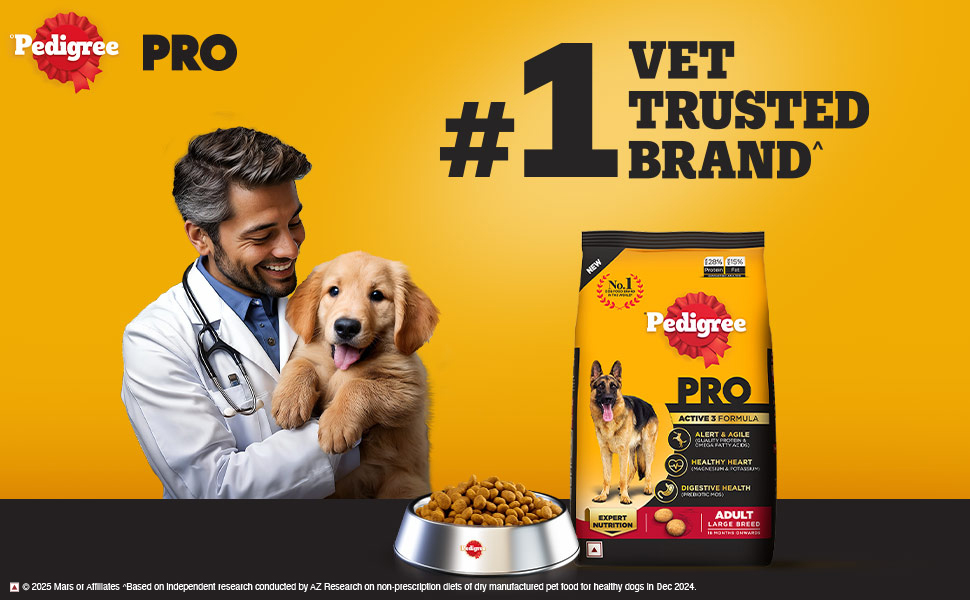
Credit: www.desertcart.com.cy
Homemade Vs Commercial Dog Food
Choosing between homemade and commercial dog food is a common question among dog owners. Both options have their own advantages and challenges. Understanding these can help you make the best choice for your pet’s health and happiness.
Benefits Of Homemade Meals
Homemade dog food allows complete control over ingredients. You can avoid preservatives, fillers, and artificial additives. This often means fresher, more natural meals for your dog. Homemade meals can be tailored to specific dietary needs or allergies. Owners enjoy the satisfaction of preparing food with quality ingredients. Dogs may find homemade meals tastier and more appealing. This option promotes a closer bond between pet and owner through shared care and attention.
Challenges And Safety Concerns
Homemade meals require careful planning to ensure balanced nutrition. Nutrient deficiencies or excesses can harm your dog’s health. It is important to research or consult a vet before changing diets. Food safety is critical to prevent contamination or spoilage. Preparation and storage must be handled with hygiene and care. Cooking methods affect nutrient retention and digestibility. Time and effort are needed to prepare meals regularly and consistently.
Balancing Convenience And Nutrition
Commercial dog food offers a quick and easy feeding solution. Most brands provide balanced nutrients approved by experts. Packaging and portion sizes simplify feeding schedules. Many products cater to special diets and life stages. Yet, some contain additives or low-quality ingredients. Choosing premium brands can improve nutritional value. Combining homemade meals with commercial food can offer variety. This balance meets both convenience and your dog’s health needs.
Trends In Dog Food Industry
The dog food industry is changing fast. Pet owners want products that are healthy and trustworthy. New trends show how companies meet these needs.
Understanding these trends helps you choose better food for your dog. Let’s explore what is popular now.
Sustainable And Ethical Sourcing
More brands focus on where ingredients come from. They pick farms that protect the earth and treat animals well. This helps the environment and ensures quality food.
Many dog foods now use ingredients from local farms. This reduces pollution and supports small communities. Ethical sourcing also means no harmful chemicals or unfair work practices.
Innovations In Pet Nutrition
Scientists study what dogs need for good health. New recipes include superfoods, vitamins, and minerals. These help dogs stay strong and active.
Some products now target specific health issues. For example, food for skin care or joint support. This makes feeding dogs easier and more effective.
Popularity Of Raw And Freeze-dried Diets
Raw and freeze-dried foods are gaining fans. They keep more nutrients than cooked meals. This can improve digestion and energy levels in dogs.
Freeze-dried diets last longer on shelves and are easy to store. Raw diets focus on natural, simple ingredients. Both options offer a fresh way to feed pets.
Tips For Transitioning Dog Food
Changing your dog’s food can be tricky. Dogs have sensitive stomachs that need time to adjust. Making the switch slowly helps avoid stomach upset. It also helps your dog accept new tastes and textures. Follow these tips to make the transition smooth and stress-free.
Gradual Introduction Methods
Start by mixing a small amount of new food with the old food. Use about 25% new food and 75% old food on the first day. Increase the new food by 25% every few days. By day seven, your dog should eat only the new food. This slow change helps your dog’s stomach adjust.
Monitoring For Reactions
Watch your dog closely during the transition. Look for signs like vomiting, diarrhea, or lack of appetite. Also, check for itching or skin problems. These can mean your dog does not like the new food. If problems appear, slow the transition or stop changing food. Contact your vet if issues continue.
Adjusting Portions And Frequency
Dogs may need different amounts of food with a new diet. Measure portions carefully to avoid overeating or hunger. Feed your dog at the same times each day. Keep the feeding schedule consistent to help digestion. Adjust portions based on your dog’s weight and energy level.
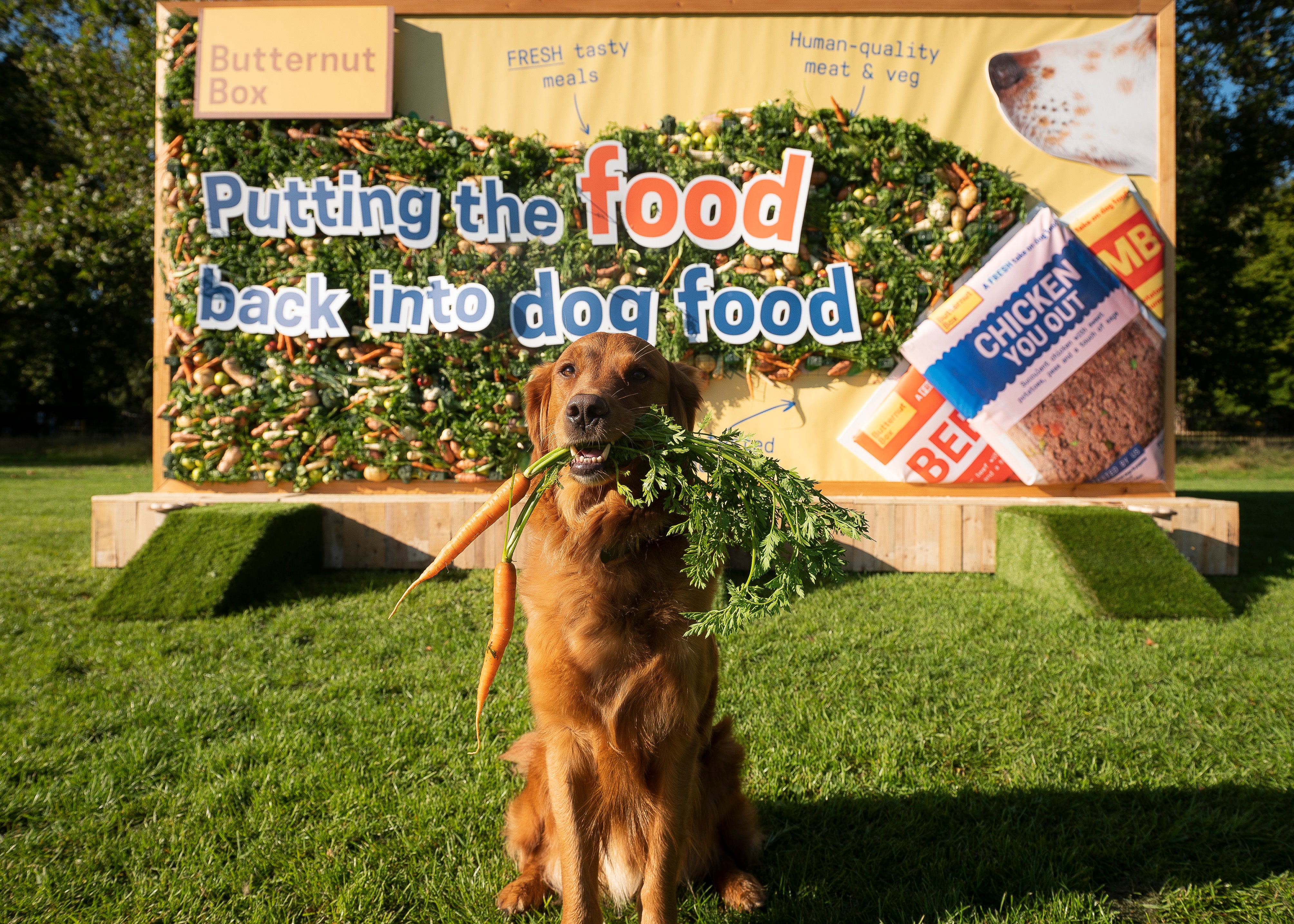
Credit: www.independent.co.uk
Frequently Asked Questions
What Ingredients Should I Look For In Dog Food?
Look for high-quality protein, whole grains, and vegetables. Avoid artificial preservatives, colors, and fillers. Check for essential nutrients like vitamins and minerals to support your dog’s health.
How Can I Verify Dog Food Quality Independently?
Research ingredient sources, manufacturing processes, and company reputation. Review third-party lab tests and recall history. Independent reviews and certifications also help confirm product safety and quality.
Is Grain-free Dog Food Better For All Dogs?
Not necessarily. Grain-free diets benefit dogs with allergies or sensitivities. Most dogs digest grains well, so consult your vet before switching to grain-free options.
How Do I Read Dog Food Labels Effectively?
Focus on ingredient lists and guaranteed analysis. Prioritize named protein sources listed first. Avoid ambiguous terms like “meat by-products” and check for balanced nutrition statements.
Conclusion
Choosing the right dog food needs careful thought and research. Good quality food helps keep dogs healthy and happy. Always check ingredients and nutrition labels with care. Trustworthy information guides better decisions for your pet’s diet. Feeding your dog well shows love and responsibility.
Take time to learn about dog food options. Your dog will thank you with energy and joy. Keep your furry friend’s health a top priority every day.