Last Updated on September 20, 2026
Turmeric is a spice with potential health benefits. It’s gaining attention for its impact on cancer in dogs.
Cancer is a leading health concern for our canine friends. Pet owners are seeking natural remedies to support their dogs. Turmeric, known for its anti-inflammatory properties, shows promise. Studies suggest it may help in slowing cancer growth. Many are curious about its effectiveness and safety for dogs.
This blog will explore the potential benefits of turmeric. We’ll look at how it works, the right dosage, and any risks. Understanding these aspects can help you make informed decisions. Let’s dive into the world of turmeric and its role in fighting cancer in dogs.

Credit: www.facebook.com
Introduction To Turmeric
Turmeric is a golden-yellow spice. It comes from the root of the Curcuma longa plant. People have used it for thousands of years. They use it in cooking and medicine. Turmeric has a warm, bitter taste. It adds color and flavor to many dishes. But turmeric is not just a spice. It has many health benefits. For dogs, it can help fight cancer.
Origins Of Turmeric
Turmeric comes from South Asia. It grows mainly in India. The plant needs warm, rainy weather. Farmers harvest the roots, dry them, and grind them into powder. This powder is what we know as turmeric. India is the largest producer of turmeric. They also use it the most.
Historical Uses
Turmeric has a long history. People used it in Ayurvedic medicine. This is a traditional Indian system of healing. They believed turmeric could cure many illnesses. It was used to treat pain, inflammation, and digestive problems. Turmeric also played a role in traditional Chinese medicine. They used it for similar reasons.
In ancient times, people used turmeric as a dye. It gave fabrics a bright yellow color. They also used it in religious ceremonies. Turmeric was seen as a symbol of purity and prosperity.
Health Benefits Of Turmeric
Turmeric is a spice with many health benefits. It is known for its bright yellow color and is often used in cooking. But did you know it can help dogs with cancer? Turmeric has properties that can support your dog’s health in many ways.
Anti-inflammatory Properties
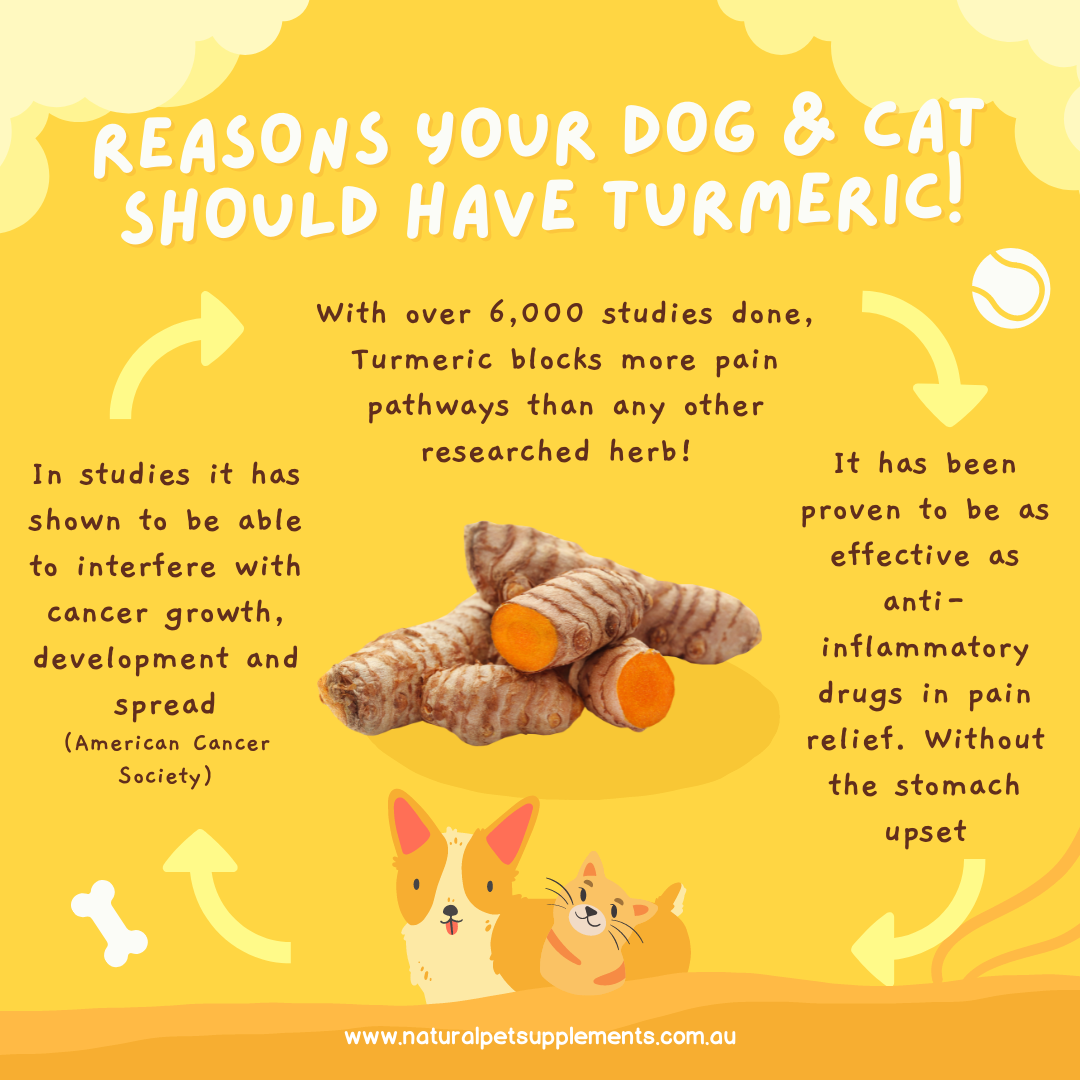
Turmeric has strong anti-inflammatory properties. Inflammation is a common problem in dogs with cancer. Reducing inflammation can help your dog feel better. Turmeric contains curcumin, which fights inflammation. This can ease pain and improve your dog’s quality of life.
Antioxidant Effects
Turmeric is also rich in antioxidants. Antioxidants help protect cells from damage. Cancer cells cause a lot of harm to healthy cells. Turmeric’s antioxidants can reduce this damage. This can help slow down the spread of cancer.
Cancer In Dogs
Cancer in dogs is a serious health issue. It affects many beloved pets. This disease can be frightening for dog owners. Early detection and treatment are crucial. Understanding the types and symptoms can help you spot the signs early.
Common Types
Dogs can suffer from various types of cancer. The most common are lymphoma, mast cell tumors, and bone cancer. Lymphoma affects the lymph nodes. Mast cell tumors often appear on the skin. Bone cancer typically targets larger breeds. Each type has unique characteristics and treatment options.
Symptoms To Watch
Recognizing symptoms early can save your dog’s life. Look for lumps or bumps on the skin. Unexplained weight loss is another warning sign. Changes in appetite or difficulty eating may also indicate cancer. Watch for lethargy or a lack of interest in activities. If your dog has persistent coughing or trouble breathing, consult your vet. Blood in urine or stool can be alarming signs too.

Credit: www.dogcancer.com
Turmeric’s Role In Cancer Treatment
Turmeric is a spice with many health benefits. One of its important roles is in cancer treatment for dogs. The active compounds in turmeric can help slow down the growth of cancer cells.
Active Compounds
Turmeric has several active compounds. The most well-known is curcumin. Curcumin has been studied for its anti-cancer properties. It helps reduce inflammation and can stop the spread of cancer cells.
Other compounds in turmeric also contribute to its health benefits. These include demethoxycurcumin and bisdemethoxycurcumin. Together, these compounds make turmeric a powerful natural remedy.
Mechanisms Of Action
Turmeric works in several ways to fight cancer. First, it can reduce inflammation. Inflammation can lead to the growth of cancer cells. By reducing inflammation, turmeric can help slow down this process.
Another way turmeric helps is by blocking the growth signals of cancer cells. Cancer cells need certain signals to grow and spread. Turmeric can block these signals, making it harder for cancer to spread.
Turmeric also helps by inducing apoptosis. Apoptosis is a process where cells destroy themselves. This is a natural way to get rid of damaged or harmful cells. By inducing apoptosis, turmeric can help eliminate cancer cells.
| Active Compound | Benefit |
|---|---|
| Curcumin | Reduces inflammation, blocks growth signals, induces apoptosis |
| Demethoxycurcumin | Supports curcumin’s effects |
| Bisdemethoxycurcumin | Supports curcumin’s effects |
Turmeric’s role in cancer treatment is promising. Its active compounds and mechanisms of action provide a natural way to fight cancer in dogs. By incorporating turmeric into your dog’s diet, you can help support their health and well-being.
Scientific Evidence
The potential of turmeric in cancer treatment for dogs has sparked interest among pet owners and researchers. Its active compound, curcumin, has shown promising results in various studies. Understanding the scientific evidence helps in making informed decisions for our furry friends.
Studies On Turmeric
Several studies have explored the effects of turmeric on cancer. Researchers have found that curcumin, the active ingredient in turmeric, can inhibit the growth of cancer cells. It also promotes cancer cell death.
In a study published in 2019, scientists observed that curcumin reduced the proliferation of cancer cells in dogs. The study highlighted its potential as a complementary treatment for canine cancer. Another study in 2017 showed that curcumin enhanced the efficacy of traditional chemotherapy drugs.
Researchers also noted that turmeric possesses anti-inflammatory properties. This helps in reducing inflammation associated with cancer in dogs. These studies provide a foundation for further research into turmeric’s potential benefits.
Clinical Trials In Dogs
Clinical trials are essential to verify the effectiveness of turmeric in real-world scenarios. In recent years, several trials have been conducted to assess its impact on canine cancer.
One notable trial involved dogs with mast cell tumors. The results indicated that curcumin significantly reduced tumor size in many dogs. Another trial focused on dogs with osteosarcoma. Curcumin improved their overall survival rates when combined with conventional treatments.
These trials demonstrate the potential of turmeric as a supportive treatment for cancer in dogs. While more research is needed, the initial findings are promising. Pet owners should consult their veterinarians before starting any new treatment.
| Study/Trial | Year | Key Findings |
|---|---|---|
| Study on Curcumin and Cancer Cell Inhibition | 2019 | Reduced cancer cell proliferation |
| Study on Curcumin and Chemotherapy | 2017 | Enhanced efficacy of chemotherapy drugs |
| Mast Cell Tumor Trial | 2020 | Reduced tumor size |
| Osteosarcoma Trial | 2021 | Improved survival rates |
Administering Turmeric To Dogs
Turmeric has gained popularity as a supplement for dogs, especially for its potential cancer-fighting properties. Administering turmeric to dogs requires careful consideration to ensure their safety and health. Below, we explore dosage guidelines and the various forms of turmeric suitable for dogs.
Dosage Guidelines
Determining the right dosage for your dog is crucial. A general guideline is to start with a small amount. For example, 1/8 teaspoon for small dogs and 1/4 teaspoon for larger dogs. Gradually increase the dosage while monitoring your dog’s reaction. Always consult your vet before starting any new supplement, including turmeric. This ensures the dosage is appropriate for your dog’s size and health condition.
Forms Of Turmeric
Turmeric comes in several forms suitable for dogs. The most common form is turmeric powder. You can easily mix this into your dog’s food. Another popular option is turmeric paste, often referred to as “golden paste.” This paste combines turmeric powder with oil and black pepper to enhance absorption. Turmeric capsules are also available, offering a convenient way to ensure accurate dosing. Lastly, turmeric treats specifically designed for dogs can be a tasty way to introduce this supplement into their diet.
Potential Side Effects
Turmeric may help dogs with cancer, but it can also have side effects. Dogs could experience stomach upset or allergies. Always consult a vet before starting turmeric.
Turmeric can be a beneficial supplement for dogs with cancer. But, it’s important to know about potential side effects. While many dogs tolerate turmeric well, some may experience adverse reactions. Understanding these can help you make informed decisions.Common Reactions
Some dogs may have an upset stomach from turmeric. This can include vomiting or diarrhea. Others might experience a loss of appetite. In rare cases, turmeric can cause allergic reactions. Symptoms of this include itching or hives. Pay attention to your dog’s behavior after introducing turmeric.When To Consult A Vet
Always consult a vet before starting turmeric for your dog. Especially if your dog is on medication. Turmeric can interact with certain drugs. If your dog shows severe side effects, contact your vet immediately. This includes persistent vomiting, diarrhea, or signs of an allergic reaction. It’s better to be cautious with your pet’s health. “`Integrating Turmeric In Dog’s Diet
Turmeric in a dog’s diet may help fight cancer. It contains curcumin, which has anti-inflammatory and antioxidant properties. Adding turmeric can support overall health.
Turmeric, a vibrant yellow spice, has been studied for its health benefits. Adding turmeric to your dog’s diet may help with cancer prevention and treatment. This natural remedy contains curcumin, known for its anti-inflammatory properties. There are various ways to include turmeric in your pet’s meals. You can use homemade recipes or opt for commercial supplements.Homemade Recipes
Creating homemade turmeric recipes is simple. Start with a golden paste. Mix turmeric powder, water, and coconut oil. Cook until it forms a thick paste. Cool and store in the fridge. Add a small amount to your dog’s food daily. You can also make turmeric treats. Combine turmeric with ingredients like sweet potatoes and oats. Bake until firm. Your dog will love these healthy snacks.Commercial Supplements
Commercial turmeric supplements are another option. They come in various forms. Capsules, powders, and chews are available. Always check the ingredients. Look for products with high curcumin content. Consult your vet before starting any new supplement. They can recommend the right dosage. This ensures your dog gets the maximum benefit.Success Stories
Many pet owners have found hope in turmeric when dealing with cancer in dogs. These success stories are a testament to the potential benefits of this natural remedy. Here, we share real-life experiences to highlight its impact.
Case Studies
Several case studies illustrate the positive effects of turmeric on dogs with cancer. These studies show how turmeric can aid in reducing inflammation and slowing tumor growth.
- Case 1: A 10-year-old Labrador with skin cancer experienced reduced tumor size after turmeric treatment.
- Case 2: A 7-year-old Golden Retriever with bone cancer showed improved mobility and less pain.
- Case 3: A 5-year-old Beagle with liver cancer had increased energy levels and better appetite.
Testimonials From Pet Owners
Real-life experiences from pet owners provide valuable insights. These testimonials offer a glimpse into how turmeric has helped dogs with cancer.
Testimonial 1:
“My dog, Max, was diagnosed with lymphoma. After adding turmeric to his diet, I noticed a significant improvement in his energy levels. He seems happier and more active now.”
Testimonial 2:
“Our Golden Retriever, Bella, had a tumor in her leg. We started giving her turmeric, and the swelling reduced noticeably. She’s walking better and seems less in pain.”
Testimonial 3:
“Rex, our German Shepherd, was suffering from liver cancer. With turmeric, his appetite improved, and he gained some weight back. We are grateful for the positive change.”
Credit: naturalpetsupplements.com.au
Frequently Asked Questions
Can Turmeric Help In Treating Cancer In Dogs?
Turmeric contains curcumin, which has anti-inflammatory and antioxidant properties. These can help in managing cancer symptoms in dogs. Always consult your vet before starting any new treatment.
How Much Turmeric Is Safe For Dogs?
The safe dosage of turmeric for dogs varies based on their size and health. Typically, 1/8 to 1/4 teaspoon per 10 pounds of body weight is recommended. Always consult your vet for personalized advice.
What Are The Benefits Of Turmeric For Dogs?
Turmeric offers several benefits for dogs, including reducing inflammation, boosting immunity, and potentially slowing cancer growth. It can also improve digestive health and joint mobility.
Are There Any Side Effects Of Turmeric For Dogs?
Turmeric is generally safe but can cause some side effects in dogs. These include stomach upset, constipation, or diarrhea. Always introduce it gradually and consult your vet.
Conclusion
Turmeric shows promise in supporting canine cancer treatment. Its natural properties can help. Always consult your vet before starting any new treatment. Turmeric may not suit all dogs. Monitor your dog’s reaction closely. Combining with a healthy diet boosts benefits.
Stay informed on natural remedies. Your dog’s health is crucial. Prioritize their well-being.