Last Updated on August 7, 2026
Are you thinking about feeding your dog a raw diet but unsure how much to give? Getting the right amount is key to keeping your furry friend healthy and happy.
Too little, and they might miss out on important nutrients. Too much, and you could be wasting food or even causing weight issues. You’ll discover simple guidelines to help you figure out exactly how much raw food your dog needs every day.
Keep reading to make sure your dog gets the perfect portion every mealtime!
Benefits Of A Raw Diet
Feeding your dog a raw diet can improve their health in many ways. It offers fresh, natural ingredients that are easy to digest. Dogs often show more energy and better overall wellness on raw food.
Raw diets can help maintain a healthy weight. They provide balanced nutrients without unnecessary fillers. Many dog owners notice shinier coats and healthier skin too.
Improved Digestion
Raw food is closer to what dogs ate in the wild. It contains natural enzymes that help break down food. This can reduce stomach upset and gas. Dogs on raw diets often have smaller, firmer stools.
Better Coat And Skin
Raw diets are rich in omega fatty acids and vitamins. These nutrients support a shiny coat and soft skin. Dogs may shed less and have fewer skin problems.
Stronger Teeth And Gums
Chewing raw meaty bones cleans teeth naturally. It helps remove plaque and tartar buildup. This supports good oral health and fresher breath.
More Energy And Vitality
Raw diets give dogs high-quality protein and fat. These nutrients fuel muscles and brain function. Many dogs become more active and playful.
Weight Control
Raw food has fewer carbs and fillers. This helps keep dogs lean and fit. Owners often find it easier to manage their dog’s weight with raw feeding.
Factors Influencing Raw Food Portions
Feeding a dog a raw diet needs careful thought. The right portion size depends on many factors. These factors make sure your dog gets enough nutrients. They also prevent overfeeding or underfeeding. Understanding these details helps keep your dog healthy and happy.
Dog’s Age And Size
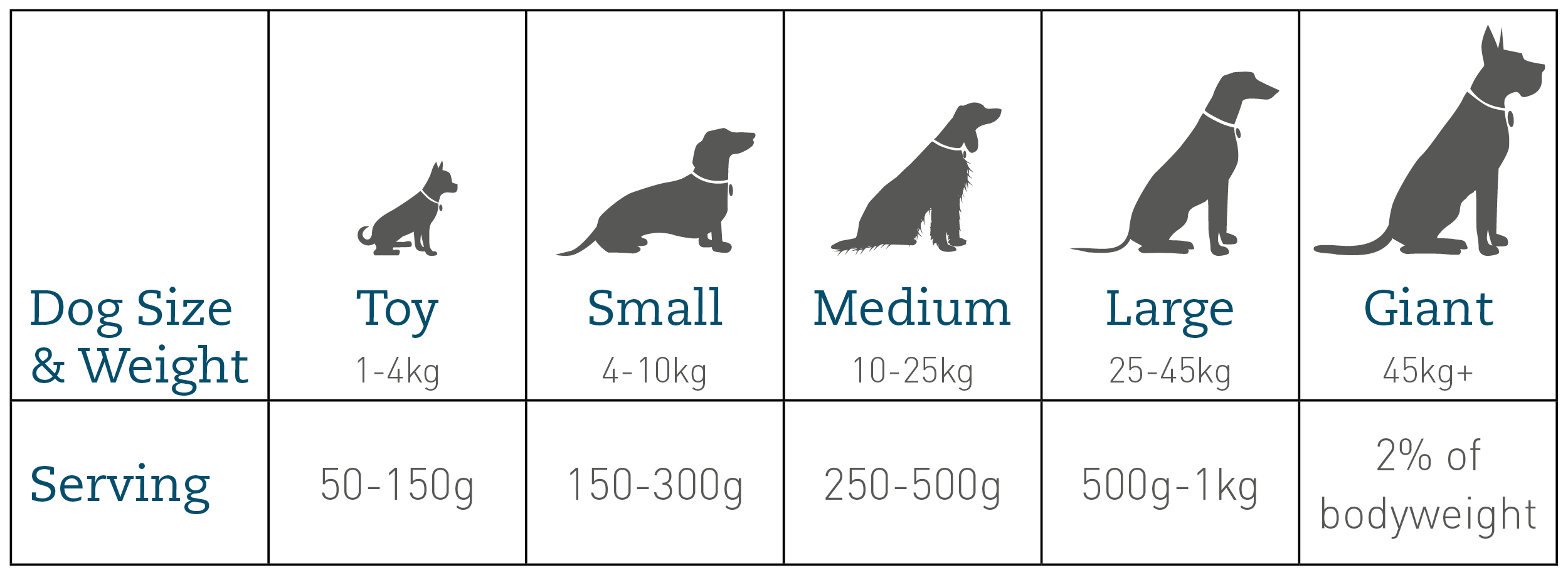
Puppies need more food than adult dogs. Their growing bodies use more energy. Older dogs usually eat less because of slower metabolism. Small dogs eat less compared to large dogs. Larger dogs need bigger portions to stay strong.
Activity Level
Active dogs burn more calories daily. Working dogs or dogs that exercise a lot need more food. Less active dogs require smaller portions. Adjust food based on how much your dog moves.
Health Conditions
Some health problems affect food needs. Dogs with illnesses may need special diets. Overweight dogs often need fewer calories. Dogs with allergies need careful ingredient choices. Always check with a vet for health-related feeding advice.
Breed Differences
Different breeds have different energy needs. High-energy breeds like Huskies need more food. Low-energy breeds like Bulldogs need less. Some breeds digest food differently, affecting portion size. Know your breed’s needs for better feeding.
Calculating Raw Food Portions
Feeding a dog a raw diet means you must measure their food carefully. Correct portions keep your dog healthy and active. Too much or too little food can cause problems. This section explains simple ways to calculate raw food portions. Use these methods to feed your dog the right amount every day.
Percentage Of Body Weight Method
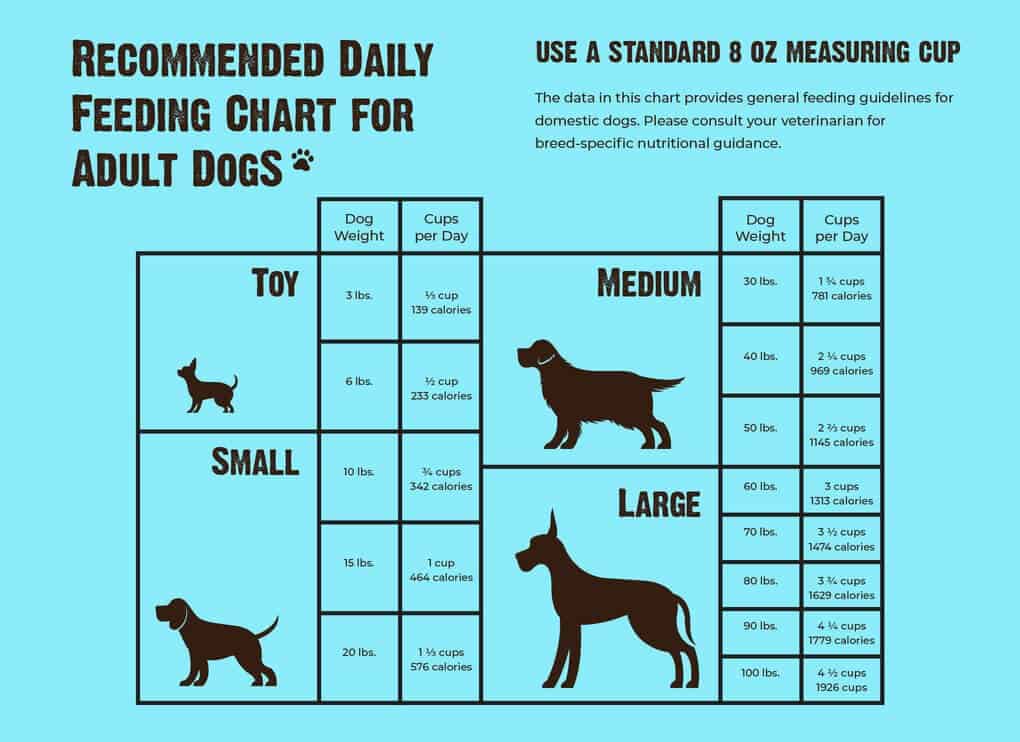
Start by weighing your dog. Use a percentage of their body weight for daily food. Usually, dogs eat 2-3% of their weight in raw food. For example, a 50-pound dog needs about 1 to 1.5 pounds of food daily. Adjust the percentage based on your dog’s activity level and health.
Adjusting For Growth And Maintenance
Puppies and young dogs need more food than adults. They grow fast and burn more energy. Feed puppies about 5% of their body weight. Adult dogs need less, around 2-3%. Senior dogs may require even less food. Watch your dog’s weight and energy to adjust food amounts.
Using Calorie Requirements
Calculate your dog’s daily calorie needs next. Use online calculators for an estimate. Compare calories to your raw food’s energy content. Feed enough food to meet but not exceed calorie needs. This method helps when dogs have special health needs or high activity.

Credit: ironwillrawdogfood.com
Types Of Raw Foods To Include
Feeding a dog a raw diet means including a variety of foods. Each type provides important nutrients. A balanced mix helps keep your dog healthy and happy. Knowing which raw foods to offer is key for good nutrition.
Muscle Meat
Muscle meat is the main part of a raw diet. It includes beef, chicken, turkey, and lamb. This meat provides protein and essential amino acids. Protein helps build strong muscles and supports energy. Choose fresh, high-quality meat for best results.
Organs
Organs are rich in vitamins and minerals. Common organs fed to dogs include liver, kidney, and heart. Liver is high in vitamin A, which supports vision and skin. Organs should make up about 10-15% of the diet. Avoid feeding too much to keep balance.
Bones
Raw bones offer calcium and help clean teeth. Soft, raw bones like chicken wings or necks are safest. Never feed cooked bones, as they can splinter. Bones also provide minerals needed for strong bones and joints. Always supervise your dog while eating bones.
Vegetables And Supplements
Vegetables add fiber and extra nutrients. Carrots, spinach, and pumpkin are good choices. Some dogs need supplements like fish oil for omega-3 fats. Use supplements carefully and in small amounts. They help fill gaps in the diet but don’t replace whole foods.
Feeding Schedule And Frequency
Feeding your dog a raw diet requires a clear schedule and frequency. Dogs need consistent meal times to stay healthy and happy. The right feeding routine supports digestion and energy levels. It also helps prevent overeating and weight problems. Adjust your schedule based on your dog’s age and needs.
Puppies Vs. Adult Dogs
Puppies need more meals than adult dogs. They have fast metabolisms and grow quickly. Feed puppies three to four times a day. Each meal should have balanced nutrients for growth. Adult dogs do well with one or two meals daily. Their slower metabolism needs less frequent feeding. Adjust the portion size for age and activity level.
Meal Timing Tips
Feed your dog at the same time each day. Consistency helps regulate digestion and hunger. Choose times that fit your daily routine. Avoid feeding right before or after exercise. Give your dog time to digest before playing or walking. Use a calm, quiet place for meals to reduce stress.
Avoiding Overfeeding
Watch your dog’s weight and body condition closely. Overfeeding can cause obesity and health issues. Use portion guides and measure food carefully. Do not free-feed raw diets, as dogs may eat too much. Adjust portions as your dog’s needs change. Consult a vet if unsure about the right amount.
Monitoring And Adjusting Portions
Feeding your dog a raw diet needs careful attention to portion sizes. Dogs have unique needs that change over time. Watching their response to food helps keep them healthy. Adjusting portions is key to avoid problems like weight gain or loss. Regular checks ensure your dog gets just the right amount of nutrition.
Tracking Weight And Body Condition
Weigh your dog often to spot any changes. Use a scale or visit the vet for accurate results. Check your dog’s body shape by feeling their ribs. You should feel ribs but not see them. Notice if your dog looks too thin or too chubby. Keep a record to track progress and adjust food amounts.
Signs Of Over Or Underfeeding
Look for signs that your dog eats too much or too little. Overfeeding can cause weight gain, tiredness, or loose stools. Underfeeding may lead to weight loss, low energy, or dry coat. Watch your dog’s behavior and appearance closely. These signs help you decide if portion sizes need change.
When To Consult A Veterinarian
Talk to a vet if your dog shows unusual weight changes. Seek advice if you notice health issues or poor coat condition. A vet can guide portion adjustments and suggest tests if needed. Regular checkups help keep your dog’s diet balanced and safe.
Common Mistakes To Avoid
Feeding a dog a raw diet can be healthy and rewarding. Many dog owners make mistakes that affect their pet’s health. These errors can cause nutritional problems or even injuries. Knowing what to avoid helps keep your dog safe and happy.
Ignoring Nutritional Balance
Dogs need a mix of protein, fat, and vitamins. Feeding only meat or only bones is not enough. Lack of vitamins or minerals can cause health issues. Use a variety of raw foods to keep the diet balanced. Consult a vet to make sure your dog gets all nutrients.
Feeding Unsafe Bones
Not all bones are safe for dogs. Cooked bones can splinter and cause choking or damage. Some raw bones are too hard and can break teeth. Choose bones that are the right size and softness for your dog. Always watch your dog while eating bones.
Overestimating Portion Sizes
Giving too much food can lead to obesity and stomach problems. Many owners feed more than the dog needs. Start with smaller portions and adjust based on weight and activity. A healthy weight keeps your dog active and strong.
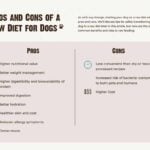
Credit: rawznaturalpetfood.com
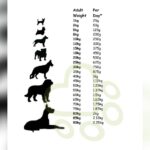
Credit: www.cotswoldraw.com
Frequently Asked Questions
How Much Raw Food Should I Feed My Dog Daily?
Feed your dog 2-3% of its ideal body weight daily in raw food. Adjust portions based on activity, age, and health for best results.
Can Puppies Eat The Same Raw Diet As Adult Dogs?
Puppies need higher calories and nutrients. Feed 3-4% of their body weight in raw food, focusing on balanced calcium and protein.
How To Calculate Raw Food Portions For My Dog?
Multiply your dog’s ideal weight by 0. 02 to 0. 03. This gives the daily raw food amount in pounds or kilograms.
Should I Adjust Raw Feeding Amounts For Active Dogs?
Yes, active dogs may need up to 4% of body weight in raw food. Monitor weight and energy for proper adjustment.
Conclusion
Feeding your dog a raw diet requires attention to their size and activity level. Start with small portions and adjust as needed. Watch your dog’s weight and energy to find the right amount. Always include variety for balanced nutrition. Consult a vet for personalized advice.
Feeding raw can be healthy and satisfying. Stay patient and observe your dog’s response. This helps keep them happy and strong every day.