Last Updated on August 6, 2026
Are you wondering how much raw food to feed your cat? Getting the right amount can be tricky.
Feed too little, and your cat might feel hungry or miss out on important nutrients. Feed too much, and you risk overfeeding and health problems. You want to make sure your furry friend stays happy and healthy. You’ll discover simple tips and clear guidelines to help you find the perfect balance for your cat’s raw diet.
Keep reading, because the answer might be easier than you think!
Benefits Of Raw Feeding
Feeding your cat raw food can offer many benefits. Raw diets mimic what cats eat in the wild. This natural approach can improve your cat’s overall health and well-being.
Many cat owners notice positive changes after switching to raw food. These include better energy, shinier coats, and healthier teeth. Let’s explore some key benefits of raw feeding.
Nutritional Advantages
Raw food contains natural proteins and fats cats need. Cooking can destroy important nutrients. Raw diets keep these nutrients intact. This means your cat gets more vitamins and minerals.
Raw meals often include muscle meat, organs, and bones. These provide a balanced mix of nutrients. This balance supports your cat’s immune system and muscle growth.
Improved Digestion And Health
Many cats digest raw food more easily than processed kibble. Raw diets have less filler and artificial ingredients. This reduces stomach upset and food allergies.
Feeding raw can lead to firmer stools and less odor. It may also improve dental health by reducing plaque and tartar build-up. Overall, raw feeding can help your cat feel healthier and more active.
Common Myths Debunked
Some worry raw food is unsafe or unbalanced. Properly prepared raw diets follow safety guidelines to reduce risks. Using fresh, quality ingredients is key.
Another myth is that raw food lacks variety. Raw diets can include many types of meats and organs. This variety provides a full range of nutrients. With the right planning, raw feeding is a safe and nutritious option.

Credit: pawesomecats.com
Factors Influencing Portion Size
Feeding the right amount of raw food to your cat depends on several important factors. These factors help ensure your cat gets enough nutrients without overeating. Understanding them makes feeding easier and healthier for your pet.
Cat’s Age And Weight
Kittens need more food per pound of body weight than adult cats. They grow fast and need extra energy. Adult cats require less food to maintain their weight. Older cats may eat less due to slower metabolism. Knowing your cat’s weight helps set the right portion size. Adjust food amounts as your cat grows or changes weight.
Activity Level
Active cats burn more calories. They need larger portions to keep energy levels high. Indoor cats usually move less and need less food. Playful cats or those that spend time outside need more fuel. Watch your cat’s activity and adjust food amounts accordingly.
Health Conditions
Health problems can affect how much your cat should eat. Cats with kidney or liver issues may need special diets. Overweight cats need smaller portions to lose weight safely. Cats with digestive problems may need food in smaller, frequent meals. Always check with your vet for health-related feeding advice.
Calculating Raw Food Portions
Feeding your cat raw food requires careful portion control. Too much or too little can affect their health. Calculating the right amount ensures your cat gets enough nutrients and energy. This section explains how to determine the right raw food portions for your cat.
Daily Caloric Needs
Every cat needs a certain number of calories each day. This depends on age, weight, and activity level. For example, an average adult cat needs about 20 calories per pound of body weight. Use this number to estimate daily food intake. Consult your vet for more precise calorie needs.
Percentage Of Body Weight
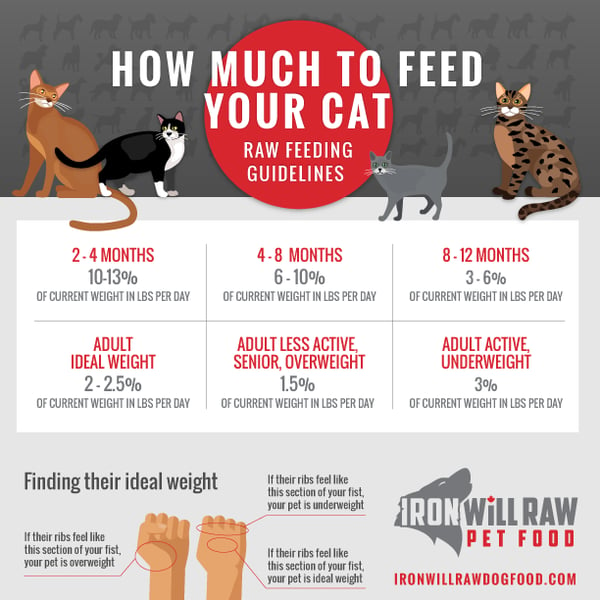
Raw food portions usually equal 2-4% of your cat’s body weight. For example, a 10-pound cat needs 0.2 to 0.4 pounds of raw food daily. Start with 3% as a middle ground. Adjust the amount based on your cat’s appetite and condition.
Adjusting Portions Over Time
Monitor your cat’s weight and energy regularly. Increase portions if your cat loses weight or seems hungry. Decrease if your cat gains too much weight. Change portions slowly to avoid digestive issues. Regular check-ups help keep your cat healthy.
Types Of Raw Foods To Include
Feeding your cat a raw diet needs careful choice of ingredients. Cats need a balance of different raw foods to stay healthy. Each type of food plays a role in their nutrition. Understanding what to include helps you create a good meal plan for your cat.
Meats And Organs
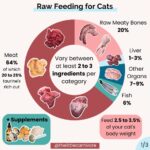
Meat is the main part of a raw diet for cats. Chicken, turkey, and beef are good options. Organs like liver and kidney provide important vitamins and minerals. Include about 10-15% organs in your cat’s diet. These parts keep your cat strong and active.
Bones And Supplements
Raw bones help clean teeth and provide calcium. Choose small, soft bones like chicken necks or wings. Never give cooked bones; they can splinter and hurt your cat. Supplements like fish oil or taurine support health. They fill any gaps in nutrition.
Safe Ingredients Vs. Harmful Foods
Some raw foods are safe, others can harm your cat. Avoid onions, garlic, and raw fish. These can cause illness or poisoning. Stick to fresh, clean meats and safe bones. Always check ingredients before feeding your cat raw food.
Sample Feeding Plans
Sample feeding plans help guide how much raw food to give your cat. Cats need different amounts based on age and activity. Feeding the right portions supports their health and growth. Below are some simple plans for kittens, adults, and senior cats.
Portions For Kittens
Kittens need more food than adults for growth. Feed about 10% of their body weight daily. Split into three to four small meals. For example, a 2-pound kitten eats around 3 ounces of raw food each day. Offer a mix of muscle meat, organs, and bones for nutrition.
Adult Cat Feeding Guide
Adult cats require 2-3% of their body weight in raw food daily. For a 10-pound cat, feed 3 to 5 ounces per meal. Two meals daily work well for most adults. Ensure meals include protein, fat, and essential nutrients. Adjust portions based on activity and health.
Feeding Senior Cats
Senior cats often eat less and need easily digestible food. Feed about 2% of their body weight daily. Offer smaller, frequent meals to aid digestion. Include softer raw food like ground meat and soft organs. Monitor weight and adjust portions to maintain health.
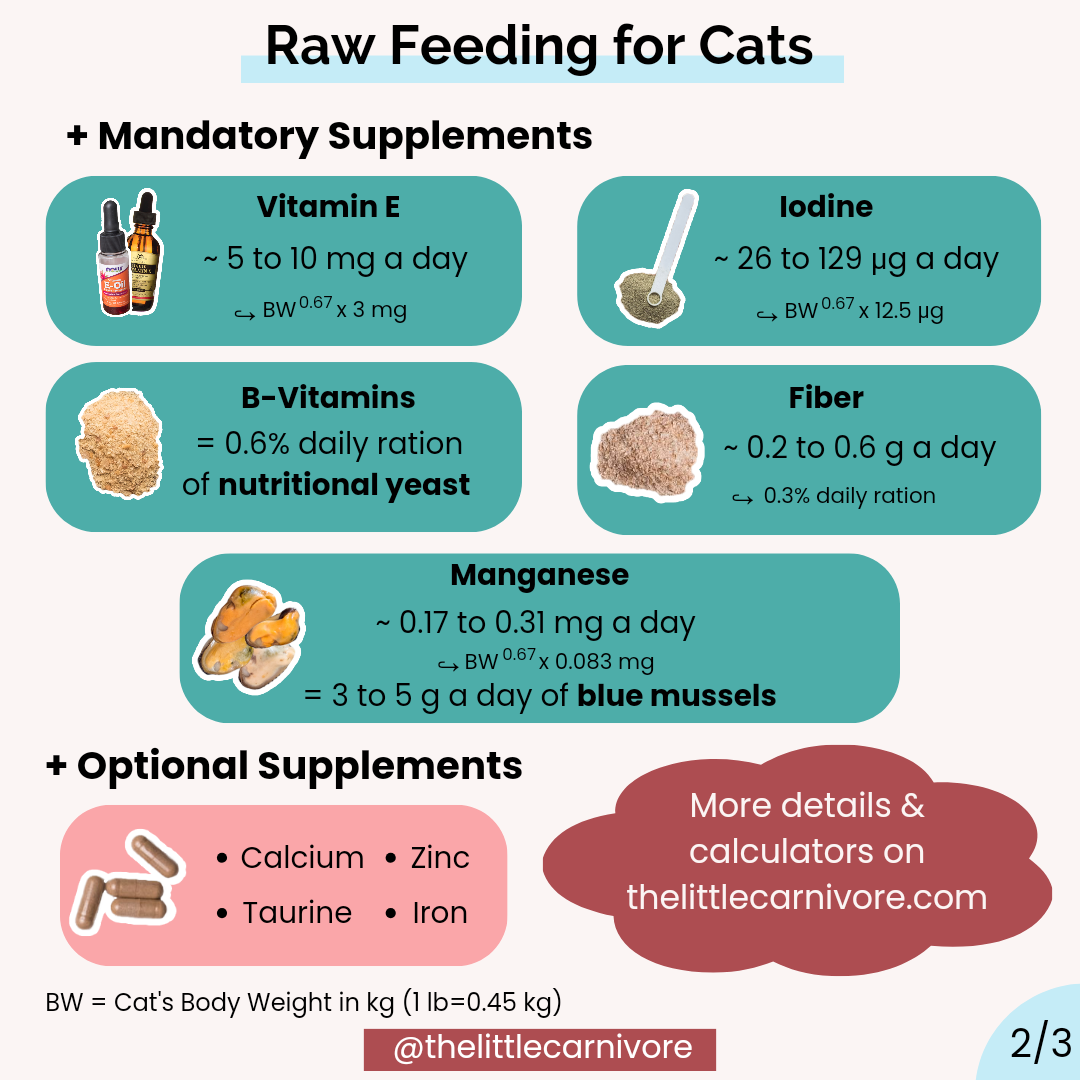
Credit: thelittlecarnivore.com
Monitoring And Adjusting Portions
Feeding your cat raw food requires careful portion control. Monitoring how much your cat eats helps keep them healthy and happy. Adjusting portions as your cat grows or changes ensures they get the right nutrition.
Watch your cat closely to see how they respond to the food amount. Cats can’t tell us when they need more or less. Your role is to observe and act based on their needs.
Signs Of Overfeeding Or Underfeeding
Overfeeding can cause weight gain and lethargy. Cats may become less active or develop digestive issues. Underfeeding may lead to weight loss and low energy. Your cat might seem hungry all the time or weak.
Notice changes in behavior or appearance. A steady weight is a good sign. Sudden changes mean you should adjust feeding amounts.
Tracking Weight And Health
Weigh your cat regularly. Weekly checks help spot trends early. Write down the weight to track progress over time.
Look for a healthy coat and clear eyes. Good muscle tone shows proper feeding. Record any health changes to share with your vet.
When To Consult A Vet
Contact your vet if your cat loses or gains weight quickly. Sudden appetite changes or illness also need professional advice.
Your vet can help adjust portion sizes safely. They offer guidance on nutrition and health concerns. Regular check-ups keep your cat in top shape.
Storage And Handling Tips
Proper storage and handling of raw cat food is very important. It keeps the food fresh and safe. It also protects your cat from harmful bacteria. Following good practices helps maintain the food’s quality. This section covers safe storage, meal preparation, and avoiding contamination.
Safe Storage Practices
Store raw cat food in the freezer at 0°F or below. Use airtight containers or sealed bags. Label each package with the date of freezing. Thaw food in the refrigerator, not on the counter. Use thawed food within 24 hours. Do not refreeze thawed food. Keep storage areas clean and dry to avoid spoilage.
Preparing Raw Meals
Wash hands with soap before and after handling raw food. Use clean utensils and cutting boards for preparation. Avoid cross-contamination by keeping raw food separate from other foods. Prepare meals in small batches to reduce waste. Serve food immediately after thawing or preparation. Clean all surfaces thoroughly after use.
Avoiding Contamination
Keep raw food away from pets and children during preparation. Never use spoiled or off-smelling food. Discard any leftovers not eaten within two hours. Store raw food separately from cooked food. Regularly sanitize bowls, utensils, and food containers. Use gloves if you have cuts or wounds on your hands.
Credit: ironwillrawdogfood.com
Frequently Asked Questions
How Much Raw Food Should I Feed My Cat Daily?
Feed your cat about 2-3% of its ideal body weight in raw food daily. Adjust portions based on activity level and health. Monitor your cat’s weight regularly to avoid overfeeding or underfeeding.
Can Kittens Eat The Same Amount Of Raw Food?
Kittens need more calories than adults. Feed them around 4-5% of their body weight daily. Ensure their diet is rich in nutrients for proper growth and development.
How Do I Balance Raw Food Nutrients For Cats?
Include muscle meat, organs, and bones in your cat’s raw diet. A typical ratio is 80% muscle meat, 10% organs, and 10% bones. This balance supports healthy digestion and nutrient absorption.
Is It Safe To Switch Cats To Raw Food Suddenly?
No, transition slowly over 7-10 days. Gradually increase raw food while decreasing old food. This helps prevent digestive upset and allows your cat to adjust comfortably.
Conclusion
Feeding your cat the right amount of raw food keeps them healthy and happy. Watch your cat’s weight and energy to adjust portions. Each cat is unique, so start slow and observe changes. Fresh, balanced meals support strong muscles and shiny fur.
Always consult your vet for best advice. Small steps lead to great care. Your cat will thank you with purrs and playful days. Keep feeding simple and consistent for lasting health.