Last Updated on August 7, 2026
Are you wondering if your dog can safely enjoy raw beef fat? It’s a common question among pet owners who want to give their furry friends a tasty treat or add something new to their diet.
But before you toss that fatty chunk to your dog, it’s important to know the facts. Raw beef fat might seem like a natural and delicious option, but could it cause health problems? Keep reading to find out what you need to know to keep your dog happy and healthy while making smart feeding choices.
Nutritional Value Of Raw Beef Fat
Raw beef fat offers more than just flavor to a dog’s diet. It has important nutrients that support health. Understanding its nutritional value helps pet owners make better choices. Let’s explore what raw beef fat contains and how it helps dogs.
Key Nutrients In Beef Fat
Beef fat is rich in energy. It contains high levels of saturated and monounsaturated fats. These fats provide calories dogs need for daily activities. Beef fat also has essential fatty acids like omega-6. These acids support skin and coat health. Small amounts of vitamins A, D, and E are present. These fat-soluble vitamins help immune function and vision. Beef fat does not contain protein or carbohydrates.
Benefits For Dogs
Raw beef fat can improve a dog’s coat shine and softness. It supports healthy skin and reduces dryness. The energy from fat helps active dogs stay strong. Fat also aids in the absorption of important vitamins. Dogs with sensitive stomachs may digest raw fat better than cooked fats. Feeding raw beef fat in moderation can help keep dogs healthy and happy.

Credit: www.nilds.gov.ng
Health Risks Of Feeding Raw Beef Fat
Feeding raw beef fat to dogs carries several health risks. These risks can affect your dog’s digestion and overall well-being. Knowing these dangers helps you make safer choices for your pet’s diet.
Bacterial Contamination
Raw beef fat may contain harmful bacteria like Salmonella and E. coli. These bacteria can cause serious infections in dogs. Symptoms include vomiting, diarrhea, and lethargy. Contaminated fat also poses risks to humans handling it.
Digestive Issues
Dogs may struggle to digest raw beef fat properly. Too much fat can lead to loose stools or diarrhea. Some dogs may experience stomach pain or vomiting. Their digestive systems are not built for large fat amounts.
Potential For Pancreatitis
High-fat diets increase the risk of pancreatitis in dogs. Pancreatitis is inflammation of the pancreas. It causes severe abdominal pain and can be life-threatening. Feeding raw beef fat raises this risk significantly.
Signs Of Fat-related Health Problems
Dogs can have trouble with too much fat in their diet. Raw beef fat might seem natural, but it can cause health problems. Recognizing signs of fat-related issues helps keep dogs safe and healthy. Watch for changes in behavior or digestion after eating fatty foods.
Symptoms To Watch For
Look for vomiting and diarrhea. These are common signs of fat intolerance. A dog might also have stomach pain or bloating. Some dogs become lethargic and weak. Sudden loss of appetite is another warning. Pancreatitis, an inflammation of the pancreas, can happen. This causes severe abdominal pain and can be life-threatening. Fat can also lead to weight gain and poor coat health over time.
When To Seek Veterinary Help
Seek a vet if vomiting or diarrhea lasts more than 24 hours. Call immediately if your dog shows severe pain or swelling. Difficulty breathing or collapse needs urgent care. Sudden weakness or refusal to eat also requires prompt attention. Early treatment can prevent serious complications. Always keep track of how your dog reacts to fatty foods.
Safe Feeding Practices
Feeding raw beef fat to dogs requires careful attention to safety. Incorrect feeding can cause health problems. Follow these practices to keep your dog healthy and happy.
Portion Control
Give small amounts of raw beef fat at first. Too much fat can upset your dog’s stomach. Start with a teaspoon for small dogs. Larger dogs can have a bit more. Watch for any signs of discomfort or diarrhea. Adjust the amount based on your dog’s size and tolerance.
Choosing Quality Sources
Buy raw beef fat from trusted suppliers. Choose fresh, high-quality meat to avoid bacteria. Organic or grass-fed beef is better. Avoid fat from unknown or low-grade meat. Always check the fat for any strange smell or color. Fresh fat is white or cream-colored with no strong odor.
Proper Storage And Handling
Keep raw beef fat cold to prevent spoilage. Store it in the refrigerator if you use it within a few days. Freeze any extra fat to keep it fresh longer. Use clean utensils and surfaces when handling. Wash your hands well after touching raw fat. Proper storage reduces the risk of harmful bacteria.
Alternatives To Raw Beef Fat
Raw beef fat may not always be the best choice for dogs. Some dogs have trouble digesting it or may risk bacteria exposure. Many pet owners want safer, healthier options that still provide good fat for their dogs’ diets. Here are some alternatives that offer good nutrition and are easier to handle.
Cooked Fat Options
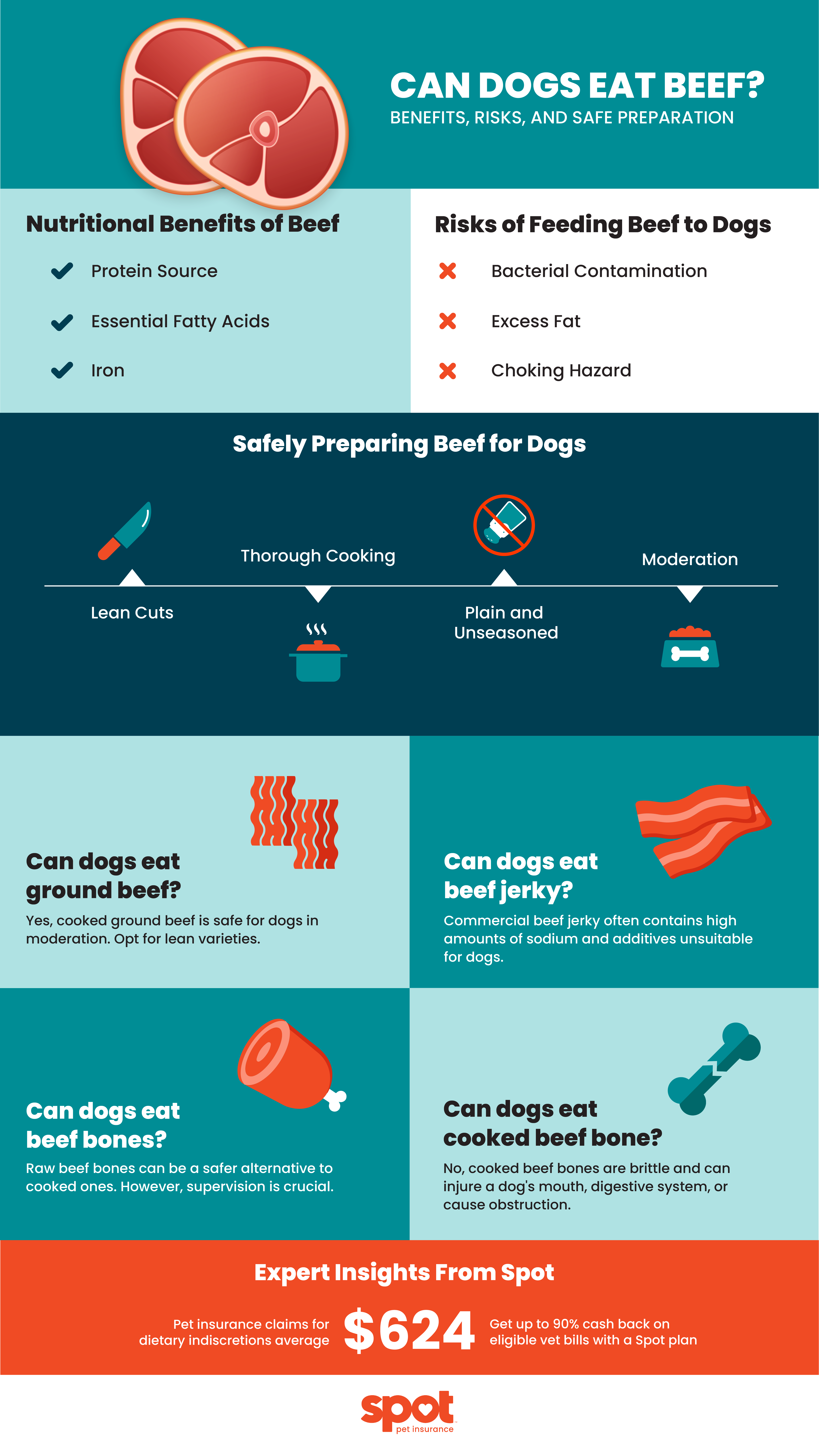
Cooked fat is safer than raw fat for most dogs. It reduces harmful bacteria and parasites. You can offer small amounts of cooked beef fat or chicken fat. Avoid fried or heavily seasoned fats. Cooked fat adds flavor and important nutrients without many risks. Always introduce new fats slowly to watch for any reactions.
Other Healthy Fat Sources For Dogs
Fish oil is a great source of omega-3 fatty acids. It supports skin, coat, and joint health. Coconut oil offers medium-chain triglycerides that help digestion and energy. Olive oil is rich in antioxidants and healthy fats. These fats are easy to add to your dog’s food. They promote overall health without the dangers of raw fat.
Credit: www.dogster.com
Credit: spotpet.com
Frequently Asked Questions
Can Dogs Safely Eat Raw Beef Fat?
Yes, dogs can eat raw beef fat in small amounts. It provides energy and essential fatty acids. However, too much fat can cause digestive upset or pancreatitis. Always introduce raw beef fat gradually and monitor your dog’s reaction.
Is Raw Beef Fat Good For A Dog’s Coat?
Raw beef fat contains omega fatty acids that support healthy skin and a shiny coat. Including moderate amounts in your dog’s diet can improve coat condition. Balance it with other nutrients for the best results.
What Are The Risks Of Feeding Raw Beef Fat To Dogs?
Feeding too much raw beef fat can lead to obesity, diarrhea, or pancreatitis. It may also contain bacteria if not handled properly. Always source high-quality beef fat and feed in moderation to reduce risks.
How Much Raw Beef Fat Should I Give My Dog?
Limit raw beef fat to a small portion of your dog’s daily diet, about 5-10%. Overfeeding fat can cause health problems. Consult your vet for personalized feeding advice based on your dog’s size and health.
Conclusion
Dogs can eat raw beef fat in small amounts safely. It provides energy and some nutrients. Too much fat may cause stomach upset or weight gain. Always watch your dog after feeding new foods. Choose fresh, clean beef fat to avoid risks.
Talk to your vet before adding raw fat to meals. Feeding raw beef fat can be part of a balanced diet. Just remember to keep portions small and monitor your pet’s health closely. Careful feeding helps your dog enjoy tasty treats safely.